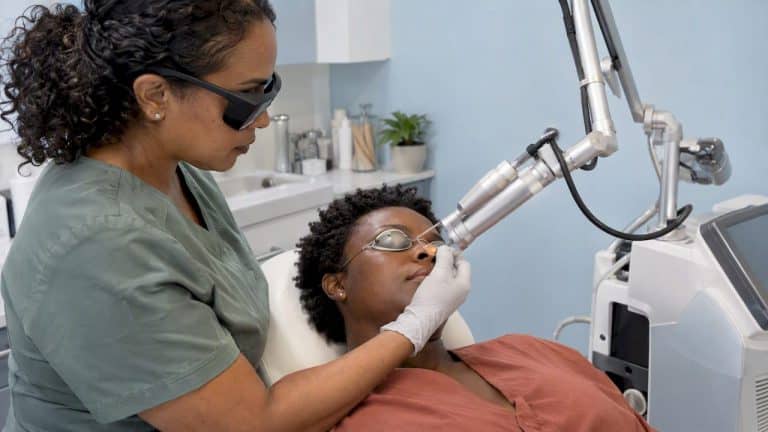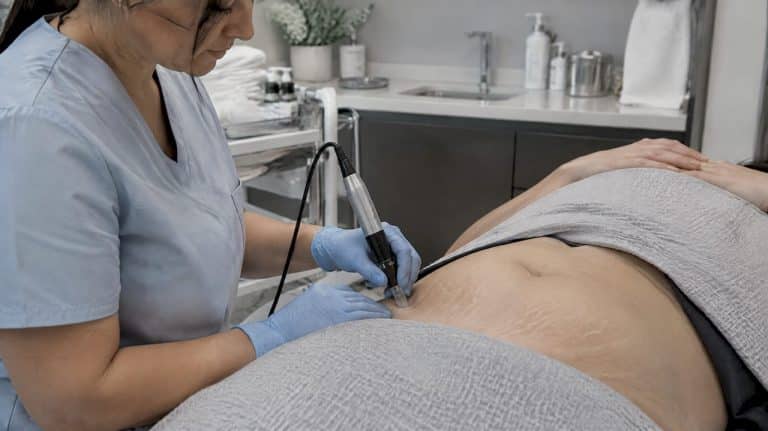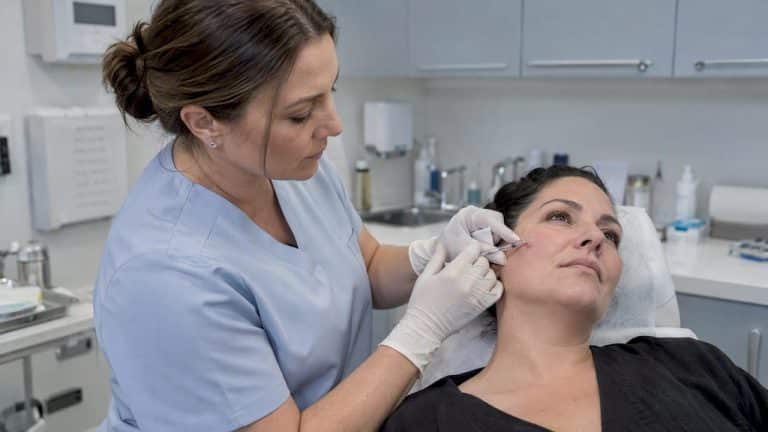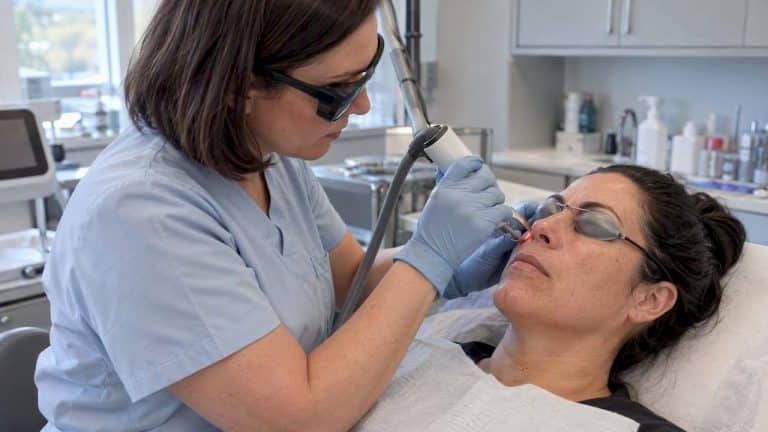

Event-ready skin care is a time-planned combination of in-clinic treatments and a consistent at-home routine, sequenced around a specific date to deliver radiant, even-toned, camera-ready skin. The result is achievable for most people, but timing and skin-barrier management determine whether you walk in glowing or still recovering. Many clients come to us with a firm event date already set, which is exactly the right starting point.
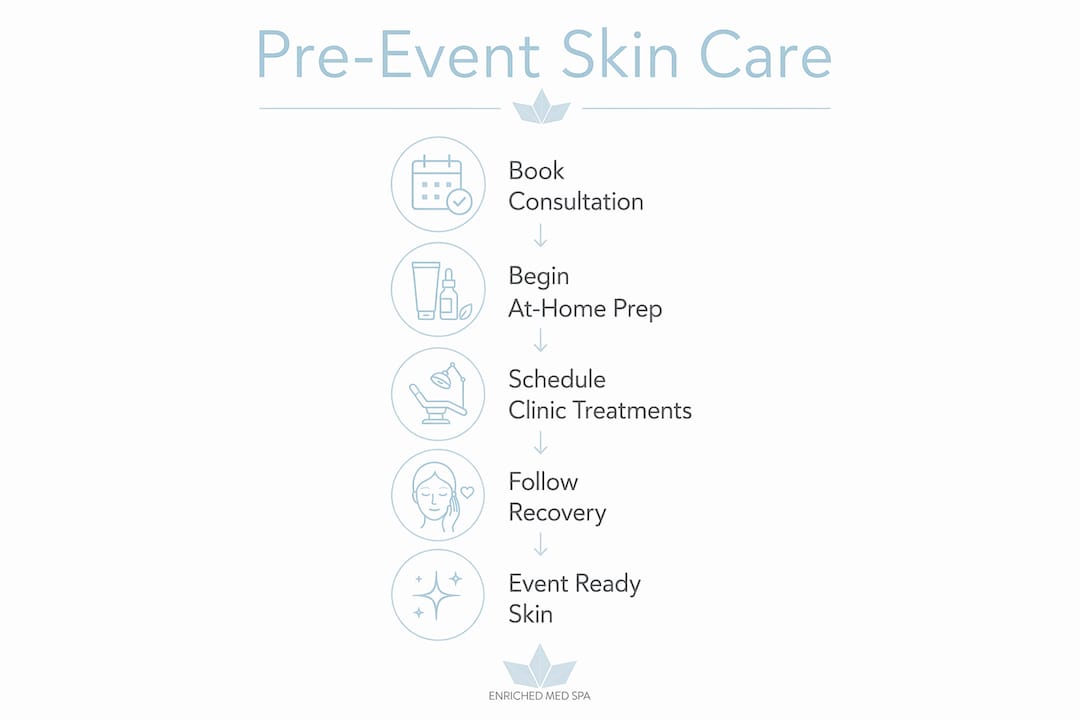
Pro Tip: Book a consultation as soon as you have your event date confirmed. The earlier you come in, the more treatment options are available to you, and the less pressure there is on your skin to recover quickly.
Table of Contents
- What event-ready skin actually looks like
- Which clinic treatments deliver camera-ready results?
- Your at-home routine in the weeks before the event
- How to plan your timeline: two sample pre-event plans
- Pre- and post-care: what to do and when to call your clinic
- What drives cost, and what to ask at your consultation
- How Enrichedmedspa plans your event-ready programme
- Key takeaways
- A note on realistic expectations
- Enrichedmedspa is ready to help you prepare
- Useful sources and further reading
What event-ready skin actually looks like
The goal is not a dramatic transformation. It is a visible improvement in the qualities that read well on camera: luminosity, even skin tone, smoother texture, reduced redness or pigmentation, and less visible puffiness around the eyes and jaw. For many clients, that means addressing one or two specific concerns rather than overhauling everything at once.
Realistic outcomes depend on your starting point and your timeline:
- Radiance and hydration improvements are achievable in days to weeks with the right treatments
- Tone and pigmentation corrections typically need several weeks to months
- Fine lines and laxity respond to injectables and resurfacing, but both require recovery time
- Puffiness and under-eye concerns can often be addressed closer to the event with lower-risk options
Some procedures need weeks for full effect because the skin’s repair process, not the treatment itself, delivers the visible result. Clinic sequencing and skin-barrier recovery are the most important variables for predictable event-day appearance. Rushing this process, or introducing new aggressive treatments too close to the date, can leave skin more inflamed on the day than before you started.
Which clinic treatments deliver camera-ready results?
Professional treatments cover a wide range of concerns and recovery profiles. Understanding what each category does, and how long it takes to look its best, is central to planning your skin care routine for events.

| Treatment Category | Primary Benefit | Typical Downtime | Suggested Booking Window |
|---|---|---|---|
| Hydrating facials | Radiance, hydration | Short downtime | Within the week before |
| Light chemical peels | Tone, texture, mild pigmentation | Few days of flaking | Few weeks before |
| Medium chemical peels | Deeper tone correction, texture | About a week of peeling | About a month before |
| Microneedling | Texture, collagen, pore size | A few days of redness | Few weeks before |
| RF microneedling | Texture, tightening, tone | Several days of redness | Several weeks before |
| CO2 / fractional laser | Resurfacing, tone, lines | One to two weeks | One to three months before |
| Radiofrequency tightening | Lift, contour, laxity | Minimal | Within a few weeks to two months before |
| Botox | Dynamic lines, brow lift | Minimal bruising possible | Few weeks before |
| Dermal fillers | Volume, contour, lines | Few days of swelling | Few weeks before |
High-intensity resurfacing such as CO2 laser and RF microneedling can produce pronounced texture and tone improvements, but they require planning around redness and peeling during recovery. Injectables like Botox and dermal fillers carry their own timing considerations: bruising and swelling need time to resolve, and results from Botox take a few days to settle fully. For a deeper look at non-surgical lifting options, the range of available treatments is broader than many clients expect.
Pro Tip: Never schedule two treatments with overlapping recovery windows. Stagger resurfacing and injectables by at least two weeks to avoid compounding inflammation and to give your clinician a clear picture of how your skin is responding.
Your at-home routine in the weeks before the event
A consistent daily routine protects your treatments and keeps your skin barrier calm. The goal is not to add more products; it is to use the right ones and stop the wrong ones at the right time.
Daily essentials:
- Broad-spectrum sunscreen every morning. Health Canada recommends regular use of a broad-spectrum SPF product alongside other sun-protection measures to protect your skin and support treatment results. UV exposure undermines both short-term appearance and longer-term treatment outcomes.
- Gentle, fragrance-free cleanser morning and night
- A hydrating moisturiser with ceramides or hyaluronic acid to support barrier repair
- A targeted eye cream and lip balm, especially in the two weeks before the event
Ingredients to favour: hyaluronic acid, ceramides, niacinamide, and peptides. These support hydration, barrier integrity, and a calm, even complexion without irritating treated skin.
What to stop and when: Discontinue prescription retinoids approximately 7 days before a resurfacing treatment, and stop AHAs and BHAs approximately 3–5 days prior, to reduce the risk of unpredictable peeling and sensitivity. Your clinician will confirm the exact window for your specific treatment plan.
Two weeks before the event, avoid:
- Introducing any new skincare products or actives
- Aggressive scrubs or at-home peels
- Facial waxing or dermaplaning
- Prolonged unprotected sun exposure
Consistent daily sunscreen use is the single most protective habit you can build in the lead-up to any event.
How to plan your timeline: two sample pre-event plans
The right plan depends on how much time you have. Here is how to think about each window, followed by two practical examples.
Booking windows at a glance:
- 3+ months out: Full treatment sequencing is possible. Resurfacing, RF, microneedling, and injectables can all be scheduled with adequate recovery and review time.
- 4–8 weeks out: Medium peels, RF microneedling, and injectables are still appropriate. Begin your at-home barrier-support routine now.
- 2–3 weeks out: Light peels, hydrating facials, and Botox fit this window. Avoid anything with more than a few days of visible downtime.
- 3–5 days out: Hydrating facials, LED therapy, and professional masks are the right choices. No resurfacing, no new actives.
- Event day: Eye patches, a hydrating mist, and a primer suited to your skin type. Keep it simple and familiar.
Extended plan (wedding or major event, 3+ months):
| Week | Treatment / Action |
|---|---|
| 3+ months | Consultation, skin analysis, begin at-home prep |
| 4–8 weeks | CO2 laser or RF microneedling (if indicated) |
| 6–8 weeks | Medium peel or second microneedling session |
| 3–4 weeks | Dermal fillers or Botox |
| 1–2 weeks | Light hydrating facial |
| Night before | Eye patches, hydrating mask, familiar moisturiser |
Fast plan (last-minute event, 2–3 weeks):
Focus on low-downtime options: a hydrating facial or light peel at the two-week mark, Botox if dynamic lines are a concern, and a professional mask in the final 48–72 hours. Bridal skin timelines follow a similar logic, prioritising treatments that minimise visible downtime while still delivering a meaningful result.
Book your initial consultation before committing to any plan. Pre-treatment clearance, including a review of medications and skin history, is part of responsible planning.
Pre- and post-care: what to do and when to call your clinic
Before your appointment:
- Disclose all current medications, supplements, and topical products
- Stop retinoids and exfoliating acids on the schedule your clinician gives you
- Avoid facial waxing, dermaplaning, or aggressive exfoliation in the days prior
- Stay well hydrated and avoid prolonged sun exposure for at least a week before resurfacing
- Disclose any history of cold sores before laser or resurfacing treatments
After your treatment:
- Follow your clinician’s post-care instructions precisely, including product restrictions
- Use only gentle, fragrance-free products until redness or peeling resolves
- Apply broad-spectrum SPF every morning without exception
- Avoid heat, steam, and intense exercise for the period your clinician specifies
When to contact your clinic: Reach out promptly if you notice prolonged swelling beyond the expected window, severe or worsening pain, signs of infection such as warmth, discharge, or fever, or any blistering. These are not normal recovery signs and require clinical review. If you are unsure whether what you are experiencing is typical, call rather than wait.
For practical guidance on soothing irritated skin after a reaction, a structured approach to barrier recovery makes a real difference to how quickly skin settles.
Pro Tip: Bring a list of every product you currently use to your appointment, including supplements. Some ingredients interact with treatments in ways that are not obvious, and your clinician needs the full picture.
What drives cost, and what to ask at your consultation
Treatment pricing varies based on several factors, none of which follow a single standard rate. Cost variation in packages reflects treatment depth, the technology used, and the practitioner’s level of experience rather than a flat fee.
Key cost drivers:
- Treatment type and the technology or device involved
- Number of sessions required to reach your goal
- Practitioner qualifications and clinical oversight
- Add-on products, take-home kits, or follow-up appointments included in a package
Questions to ask at your consultation:
- What is the expected downtime for each recommended treatment?
- How many sessions are included, and what does maintenance look like after the event?
- Are there any contraindications given my medical history or current medications?
- What is the total estimated cost range for the full plan?
- What alternatives exist if my skin does not respond as expected?
- Is a staged approach appropriate for my timeline?
Some clinics offer package pricing or phased payment options for multi-session plans. Ask about this directly, as it is not always listed publicly.
How Enrichedmedspa plans your event-ready programme
At Enrichedmedspa, the process begins with a thorough skin analysis and medical history review before any treatment is recommended. We look at your skin type, current concerns, event date, and the look you want to achieve, then build a sequenced plan around realistic recovery windows.
Our core services for event preparation include:
- CO2 laser resurfacing for texture, tone, and fine lines
- Microneedling and RF microneedling for collagen stimulation and pore refinement
- Chemical peels calibrated to your skin type and timeline
- Radiofrequency skin tightening for lift and contour
- Cosmetic injectables including Botox, Nuceiva, Xeomin, and dermal fillers (Juvederm, Teosyal)
- Hydrating facials and finishing treatments for the final days before your event
We choose between lighter and advanced options based on your timeline and skin condition, not on what produces the most dramatic result. Safety and predictability matter more than intensity. Our process follows four clear steps: consult, plan, treat, and review. The review step is where we assess how your skin has responded and adjust the plan if needed before your event date arrives.
Contraindications are assessed at the consultation stage. Certain active skin conditions, medications, or recent procedures may mean we recommend a modified plan or a different sequence. Realistic expectation-setting is part of every appointment we have.
Key takeaways
Event-ready skin care works when treatments are sequenced around recovery windows, the skin barrier is protected throughout, and at-home habits support, rather than undermine, clinical results.
| Point | Details |
|---|---|
| Book early | The more time you have, the more treatment options are available with safe recovery windows. |
| Stop actives on schedule | Discontinue retinoids 7 days before resurfacing and AHAs/BHAs 3–5 days prior to reduce irritation risk. |
| Sunscreen is non-negotiable | Health Canada recommends broad-spectrum SPF daily to reduce skin ageing and protect treatment results. |
| Barrier recovery drives results | Clinic sequencing and skin-barrier management determine event-day appearance more than treatment intensity alone. |
| Enrichedmedspa | Offers personalised event-ready programmes in Woodbridge and East Gwillimbury, from consultation through post-treatment review. |
A note on realistic expectations
We see many clients who come in a few weeks before a major event hoping to address years of accumulated concerns in one or two sessions. The honest answer is that some goals take longer than others, and the most reliable outcomes come from a plan that respects your skin’s recovery pace. A hydrating facial the week before your event will not undo sun damage, but it will give you a genuine, camera-ready glow. A well-sequenced programme started three months out can address texture, tone, and volume in a way that looks natural and lasts well beyond the event itself. The consultation is where we figure out which of those scenarios applies to you, and what is genuinely achievable in your window. Personalised plans and a thorough medical review are the route to results you can count on.
Enrichedmedspa is ready to help you prepare
Preparing your skin for an important event is one of the most practical investments you can make in how you look and feel on the day. Enrichedmedspa offers personalised skin treatment options for clients in Woodbridge and East Gwillimbury, from single-session hydrating facials to full multi-month programmes that include resurfacing, injectables, and take-home support. If you are considering cosmetic injectables as part of your plan, our team will walk you through what is appropriate for your timeline and goals.
To book your consultation, bring your event date, a list of your current skincare products, any relevant medical history, and a photo or two of the look you are aiming for. We will take it from there.
Useful sources and further reading
The guidance in this article draws on the following authoritative references:
-
Health Canada Primary Sunscreen Monograph: The regulatory standard for sunscreen products in Canada. Cited for the recommendation to use broad-spectrum SPF daily as part of a sun-protection routine, including in pre-event skin preparation.
-
Health Canada Draft Sunscreen Guidance Document: Supports the classification of sunscreens as drugs in Canada and the requirement for broad UVA/UVB protection. Relevant to understanding why SPF product selection matters for skin health.
-
Pre-care directions for facial services (Anagenesis Medispa): Clinical pre-care guidance used to support stop-window recommendations for retinoids and exfoliating acids, and the importance of barrier protection before treatments.
-
Event-Ready Refresh (Central Alberta Dermatology Clinic): An example of how Canadian clinics structure event-ready programmes, used to illustrate how sequencing and packaging work in practice.