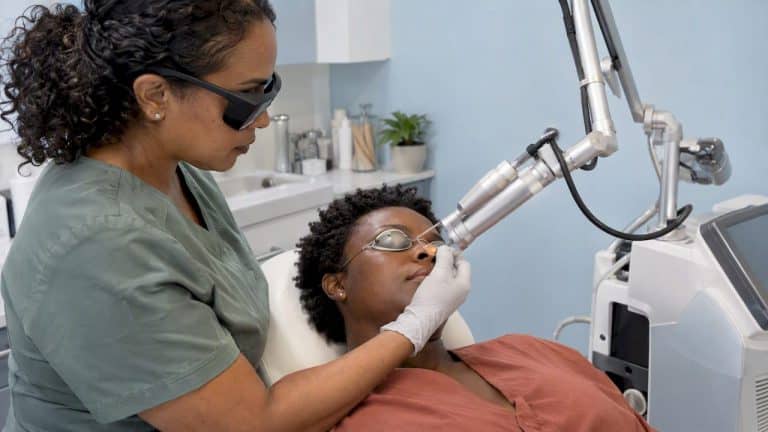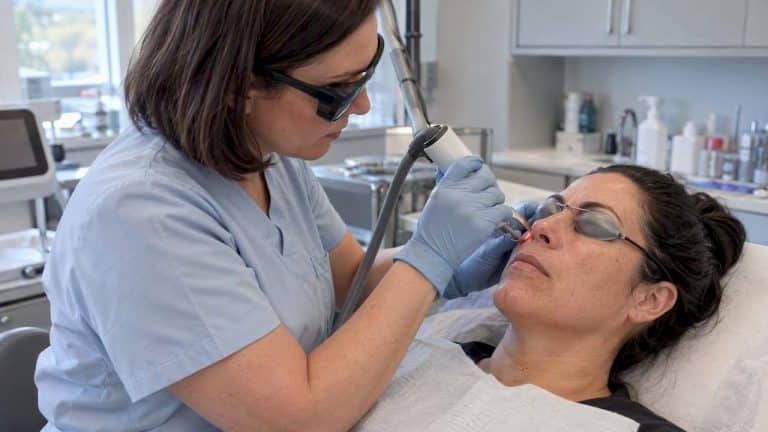
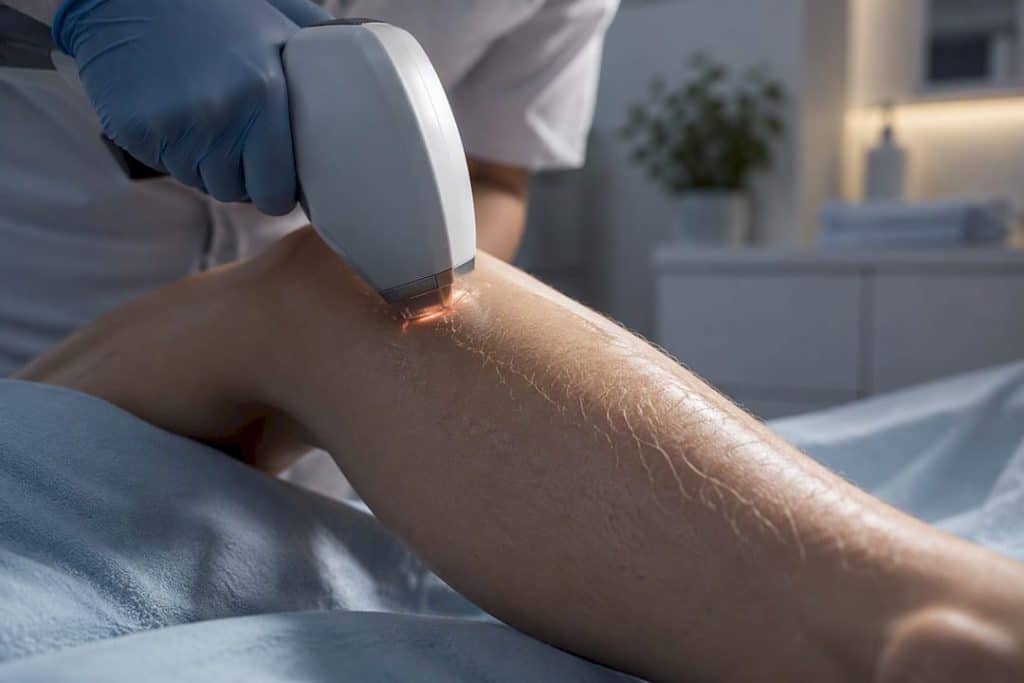
Laser hair removal can work on blonde or light hair, but the odds are lower than for dark hair, and success depends heavily on which device your clinic uses and how much pigment sits at your hair root. Alexandrite lasers and combined radiofrequency plus optical systems have shown the best response in some blondes. A proper consultation and test patch are the only way to know if it will work for you.
TL;DR:
- Light hair responds better to lasers that use longer wavelengths, such as alexandrite or combined radiofrequency and optical systems, but results are still unpredictable without testing.
- A test patch on a small area is essential to determine if your hair root pigment and cycle timing will allow effective laser treatment.
- Multiple sessions spaced eight to twelve weeks apart are necessary, with coarser, pigmented hairs responding more reliably than fine, light hair.
- Clients should expect gradual results with some permanent reduction, but complete hair removal may require follow-up electrolysis for resistant follicles.
- Proper screening, including evaluating sun exposure, medications, and medical history, is crucial to reduce risks and ensure safe, effective treatment outcomes.
Table of Contents
- How laser hair removal works and why light hair resists it
- Which devices can actually target blonde or light hair
- Setting realistic expectations for sessions and results
- Safety, regulation and what a proper screening covers
- When laser isn’t the answer: alternatives worth knowing
- Our assessment process and what a treatment plan looks like
- Why the blanket “no” on blonde hair misses the point
- Ready to find out if laser hair removal will work for your hair
- Sources
- FAQ
How laser hair removal works and why light hair resists it
Laser hair removal relies on a process called selective photothermolysis. The laser targets melanin, the pigment in your hair, and converts that light into heat that damages the follicle. This only works when there is enough melanin in the hair to absorb the energy and enough contrast between the hair and the surrounding skin for the laser to tell the difference between the two.
That’s the piece that trips up so many clients with blonde, red, gray or white hair. Health Canada notes that traditional laser hair removal is generally not effective on these hair colours because there simply isn’t enough pigment for the laser to grab onto. The laser passes through the hair shaft with little to absorb, so the follicle never heats up enough to be damaged.
Sessions are also spaced out because hair grows in cycles, and a laser can only affect a follicle in its active growth phase.
- Anagen phase hairs are actively growing and contain the most pigment, making them the best targets.
- Catagen and telogen phase hairs are dormant or shedding, which is why one session never catches every hair.
- Multiple treatments spaced weeks apart are needed to catch hairs as they cycle into anagen.
One more factor matters just as much as hair colour: your skin tone. Tanned skin has more melanin, which competes with the hair for the laser’s energy. That raises the risk of burns and pigmentation changes, so clinics will ask you to stay out of the sun before and during your course.
Which devices can actually target blonde or light hair
Not all lasers are created equal when it comes to light hair, and this is where the technology conversation gets specific. If you have blonde or light-coloured hair, the device your clinic uses matters more than almost anything else.
-
Long-pulse alexandrite lasers (755 nm): Reviews of long-pulse alexandrite lasers with cooled handpieces report high hair-reduction rates in clinical trials, and this wavelength is one of the more frequently cited options for treating lighter hair tones successfully, though outcomes still depend on how much pigment is present at the root.
-
Combined radiofrequency plus optical energy systems: A controlled study on this approach found average hair removal of nearly half at long-term follow-up for blond and white hair, a meaningfully better result than optical-only lasers have historically achieved for the same hair types. These systems work by using radiofrequency energy to heat the follicle directly, rather than relying on melanin alone to carry the energy.
-
IPL, standard diode and some Nd:YAG protocols: These remain far less reliable for light hair because they depend even more heavily on melanin absorption, and without it, there is little for the device to target.
Before you book a package, ask your clinic a few direct questions: what wavelength does the device use, what is the pulse duration, does the handpiece have integrated cooling, and does the clinic run a test patch before committing you to a full course? You should also ask who is operating the device and what training they have, since Health Canada’s safety guidance points to alexandrite (755 nm), diode (810 nm) and Nd:YAG (1064 nm) as the common wavelengths used in dermatology, each with different suitability depending on your hair and skin.
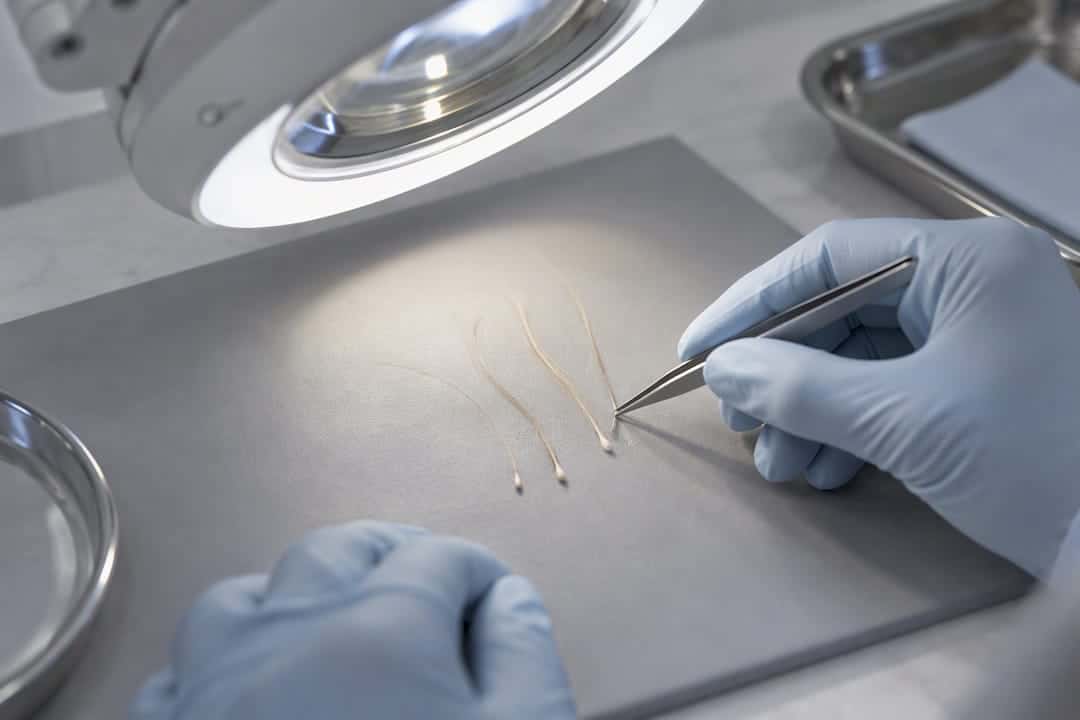
Pro Tip: Ask to see the hair root before you commit to a package. Pulling a few hairs and checking the bulb under bright light or against white paper tells a practitioner far more about your candidacy than the visible colour of your hair ever could.
Setting realistic expectations for sessions and results
Many clients come in expecting a handful of treatments and permanent results. The reality is more gradual, and it’s worth walking through before you spend money on a package.
- A typical course runs six to eight treatments, spaced eight to 12 weeks apart, according to the Canadian Dermatology Association, which reflects how long it takes for dormant follicles to cycle back into an active growth phase.
- The same guidance notes that some permanent reduction is possible, but results vary by person and by treatment area, and no clinic can promise a fixed outcome.
- Coarser, thicker hair with more root pigment tends to respond better than fine, light hair, even within the same person.
- Hormonal conditions like PCOS or thyroid imbalances can change hair growth patterns mid-course, sometimes requiring extra sessions or a revised plan.
For blondes specifically, this is where the device choice from the last section really shows its effect. If you’re on an alexandrite or combined RF and optical device and seeing partial results, that’s often the expected pattern rather than a sign something is wrong. Our session-frequency guide breaks down what to expect by treatment area, and our page on how often you need laser hair removal covers spacing in more detail.
Maintenance sessions once or twice a year are common even after a full course, and for hairs that never fully respond, follow-up electrolysis is often the most practical way to finish the job.
Safety, regulation and what a proper screening covers
Laser hair removal is a medical treatment, not a spa gimmick, and it should be treated that way from your first phone call. In Canada, laser devices used for hair removal fall under Radiation Emitting Devices Regulations, which classify lasers by hazard level and require labelling, safety information and engineering controls, particularly for the higher-powered Class 3B and 4 devices used in clinics.
A meaningful share of laser hair removal complications trace back to two preventable factors: untrained operators and clients who tanned before treatment. (Health Canada) That’s why a reputable clinic will ask about your history before ever turning on the device.
A responsible screening typically covers:
- Current medications, including anything that increases photosensitivity.
- Recent sun exposure or tanning, since darker skin raises burn and pigmentation risk.
- History of keloid scarring, active tattoos in the treatment area, or isotretinoin use within the past several months.
- Pregnancy, since most clinics decline treatment during pregnancy as a precaution.
The test patch itself should happen on a small area, with results checked days later before a full session is scheduled, and informed consent should walk you through realistic outcomes, not just the upside.
When laser isn’t the answer: alternatives worth knowing
If your consultation and test patch suggest laser is unlikely to make meaningful progress, you still have options, and a good clinic will tell you this rather than sell you a package anyway.
- Electrolysis destroys the cells that produce hair using electrical current rather than light, which means it works regardless of hair colour and is often the most reliable route for very light or white hair.
- Combined RF and optical devices remain worth discussing with your provider given the improved response seen in blond and white hair in clinical study.
- The trade-off with electrolysis is time: each hair is treated individually, so sessions are slower and often less comfortable than laser passes over a larger area.
- Many clients end up on a hybrid plan, using laser or RF/optical treatment for the hair that responds, then electrolysis to clear what’s left, which is usually faster and less costly than electrolysis alone from the start.
Our assessment process and what a treatment plan looks like
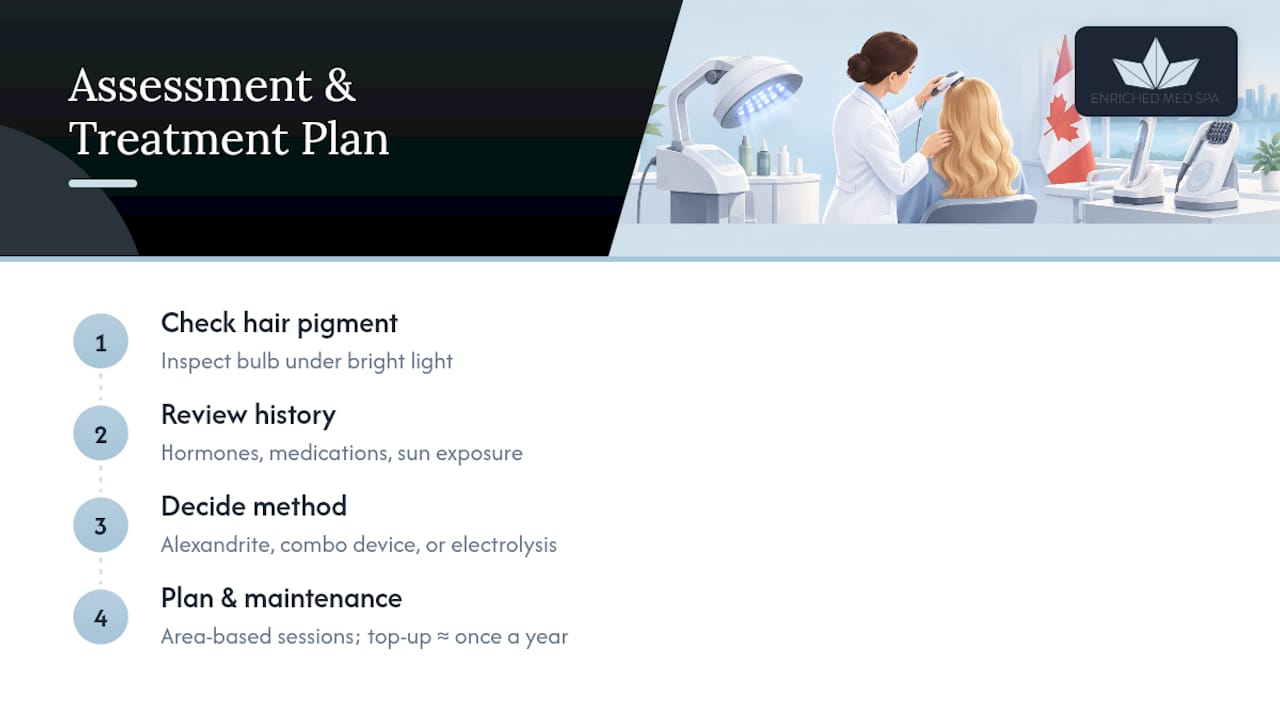
When a client with blonde or light hair comes in for a laser hair removal consultation, we start with the same question every time: how much pigment is actually at the root, not just what colour the hair looks from a distance. We check the hair bulb under bright light, review medical history for hormonal conditions, medications and past sun exposure, and talk honestly about what results are realistic given the hair and skin we’re seeing.
From there, we decide whether an alexandrite-based approach makes sense, whether a combination device is a better fit, or whether we recommend electrolysis instead of laser altogether. Treatment plans vary by area, and our session-frequency guide outlines what a typical course looks like depending on where you’re treating and how your hair responds early on.
Maintenance is part of the conversation from day one. Some clients finish their course and are done; others need a top-up session once a year, and we’d rather set that expectation upfront than have you surprised later. That’s the kind of transparency we think every consultation should include, regardless of where you book it.
Why the blanket “no” on blonde hair misses the point
The most common advice you’ll find online is a flat statement that laser hair removal doesn’t work on blonde hair, full stop. That’s an oversimplification. The honest answer is that most conventional lasers struggle with light hair, but alexandrite and combined RF and optical systems have shown real, if partial, response in clinical study. The gap between “doesn’t work” and “works less predictably and needs the right device” matters enormously to someone deciding whether to spend money on a course.
What gets overlooked is that hair root pigment, not the colour you see in the mirror, is the real predictor. Two people with the same shade of blonde hair can have completely different candidacy depending on what’s happening below the skin. If you take one thing from this article, make it this: don’t judge your candidacy by eye, and don’t accept a yes or no answer without a test patch behind it. The device and the assessment matter more than the label on your hair colour.
— Felix
Ready to find out if laser hair removal will work for your hair
The only way to know whether laser hair removal is worth pursuing for your hair colour is a proper consultation and test patch, and that’s exactly how we start every laser hair removal appointment at Enriched Med Spa. We check your hair root pigment, review your history, and talk through whether an alexandrite-based approach is likely to work for you before you commit to anything.
Laser hair removal prices vary depending on the treatment area, and additional fees may apply where relevant. If a test patch suggests your hair won’t respond well, we’ll tell you, and we’ll talk through whether electrolysis or a combination approach makes more sense for your goals.
Your first visit covers a full skin and hair assessment, a small test patch, and a proposed plan based on what we actually see, not a generic package. You can review treatment details and book directly through our laser hair removal page.
Sources
- Canada
- Hair removal & reduction — Canadian Dermatology Association
- Long-pulse alexandrite laser review — PMC
- Effective epilation of white and blond hair using combined radiofrequency and optical energy — PubMed
FAQ
Can I get laser hair removal if I have blonde hair?
Yes, some blondes respond to treatment, particularly with alexandrite lasers or combined radiofrequency and optical devices, though results are less predictable than with dark hair. A test patch is the only reliable way to confirm whether your specific hair will respond.
Why can’t blondes do laser hair removal?
It’s not that blondes can’t do it, but that conventional lasers rely on melanin to target the hair, and blonde hair often lacks enough pigment for the laser to work effectively. Devices like alexandrite lasers or RF and optical combinations can improve the odds for some clients.
Can I use IPL if I’m blonde?
IPL depends even more heavily on melanin contrast than professional lasers, so it tends to be one of the least effective options for blonde or light hair. A clinic-grade alexandrite or combination device is generally a better starting point for an assessment.
What hair cannot be lasered?
Very fine, light-coloured hair with little to no pigment at the root is the hardest to treat with any laser, including blonde, gray and white hair in many cases. Electrolysis remains a reliable alternative because it targets the follicle directly rather than relying on pigment.