
Advanced skin treatments are medically guided procedures designed to stimulate your skin’s natural repair processes, preserve collagen, and deliver visible improvements that topical creams cannot replicate. If you are between 25 and 55 and noticing early signs of aging, uneven texture, or dullness, understanding why choose advanced skin treatments is the most useful first step you can take. These are not spa luxuries. They are clinically planned interventions, often supervised by registered nurses or physicians, that work with your skin’s biology rather than simply sitting on top of it. Treatments like microneedling, laser resurfacing, radiofrequency skin tightening, and neuromodulators such as Botox and Nucieva address the structural causes of aging, not just the surface appearance.
Why choose advanced skin treatments for collagen preservation?
Your skin begins losing approximately 1% of its dermal collagen every year from your mid-20s onward, with the rate accelerating significantly during menopause due to declining estrogen. That loss is cumulative and quiet. By the time you notice thinning skin or deeper lines, years of structural change have already occurred beneath the surface.
The concept of collagen banking addresses this directly. Rather than waiting for visible damage and then trying to reverse it, you build and preserve your collagen reserve while it is still relatively intact. Think of it like a savings account: the earlier you contribute, the more you have to draw on later. Rebuilding collagen after significant loss is far harder and less effective than preserving it proactively.
Several advanced treatments stimulate collagen production in a clinically meaningful way:
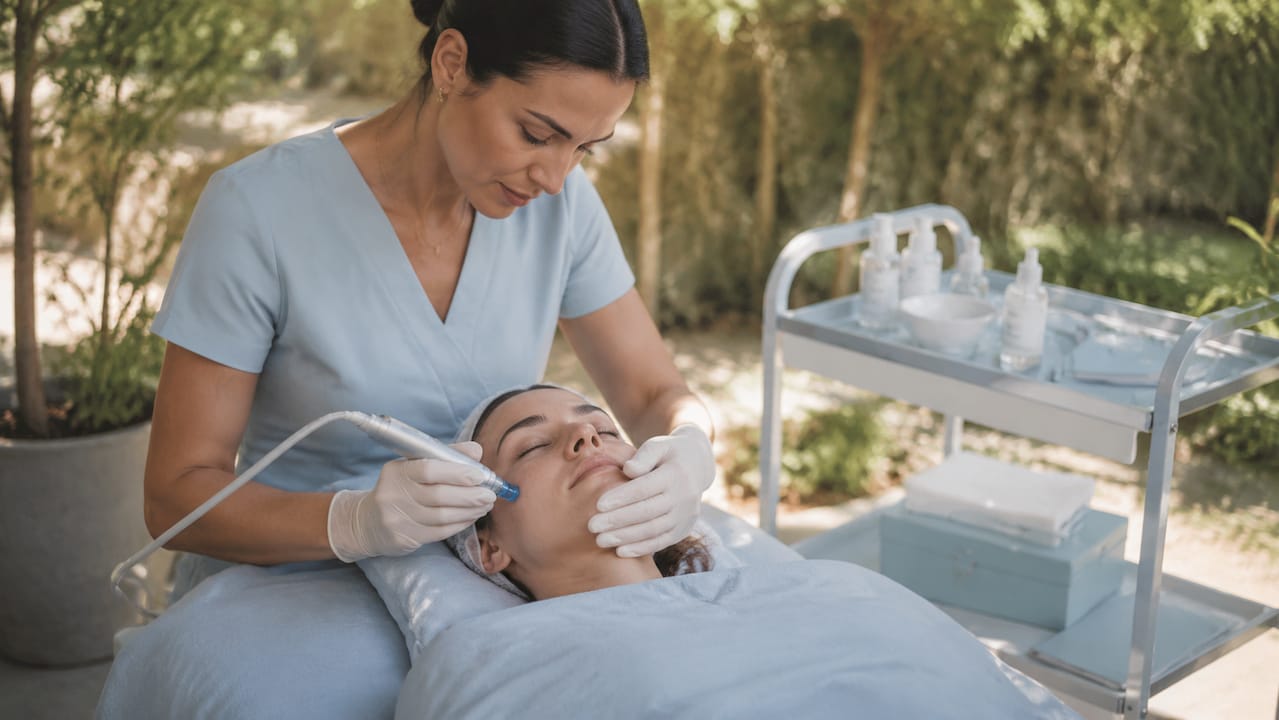
- Microneedling creates controlled micro-injuries that trigger your skin’s wound-healing response, producing new collagen and elastin fibres.
- Laser resurfacing delivers targeted energy beneath the skin surface, prompting remodelling of existing collagen and the formation of new tissue.
- Radiofrequency skin tightening uses thermal energy to contract existing collagen fibres and stimulate fresh production, with gradual tightening over several months.
- Sculptra (poly-L-lactic acid) works as a biostimulator, encouraging your own fibroblasts to produce collagen over a series of sessions.
Advanced treatments like laser and microneedling enhance collagen, improve elasticity, and rejuvenate skin texture in ways that topical products cannot reach. Starting these treatments in your late 20s or 30s means you are protecting an asset rather than trying to rebuild one.
Pro Tip: If you are unsure where to start, a single consultation focused on your collagen health and skin thickness can clarify which treatments are appropriate for your age and skin type, before any commitment is made.
How does medical oversight improve skin treatment outcomes?
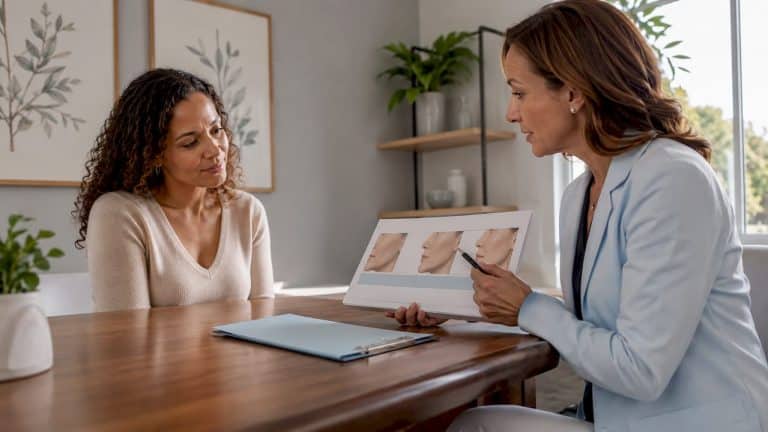
Medical-grade skin treatments differ from cosmetic spa procedures in one fundamental way: they begin with a clinical assessment of your skin’s current condition. A trained clinician evaluates your skin barrier, identifies active inflammation or sensitivity, and builds a treatment plan that sequences interventions appropriately. This is not a formality. It directly affects your results and your safety.
Professional assessment reduces overtreatment risks and supports long-term success through staged interventions tailored to individual biology. Applying aggressive treatments to inflamed or compromised skin without first stabilising it can cause hyperpigmentation, prolonged redness, or worsening of the original concern. Pre-conditioning the skin, sometimes with medical-grade topicals or a gentler first treatment, is a standard part of responsible clinical practice.
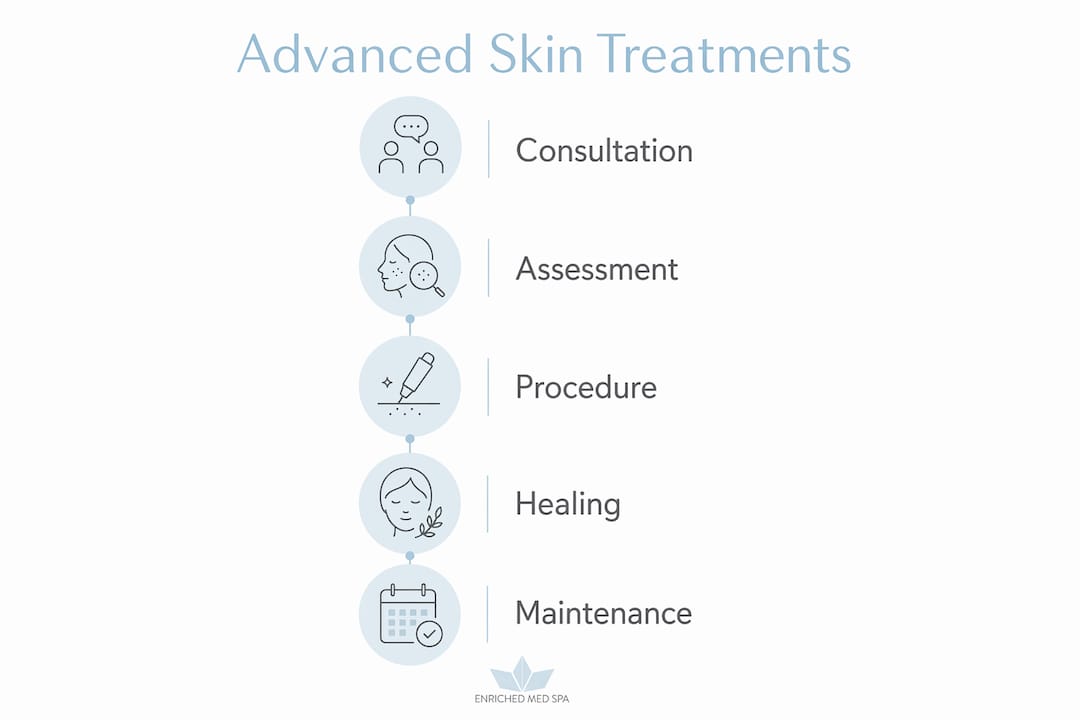
A well-structured treatment plan typically follows this sequence:
- Initial skin assessment. The clinician evaluates your skin type, concerns, and medical history to identify what is appropriate and what should be avoided.
- Skin stabilisation. If your skin is reactive, inflamed, or compromised, a pre-conditioning phase using prescription-grade or medical-grade products brings it to a stable baseline.
- First treatment phase. Lighter or preparatory treatments, such as a medical facial or superficial chemical peel, are introduced to begin the renewal process without overwhelming the skin.
- Advanced treatment phase. Once your skin is stable and responding well, more intensive options like laser resurfacing, microneedling, or injectables are introduced in a planned sequence.
- Maintenance planning. Results from advanced treatments require upkeep. Your clinician maps out a realistic maintenance schedule so gains are preserved over time.
“Long-term skin health depends on combining multiple modalities, including professional treatments, daily medical skincare, and lifestyle factors. A one-off session rarely delivers lasting change.” — Integrative skin health planning principles
This staged approach is what separates a thoughtful clinical experience from a single-session treatment with no follow-up plan. We see this distinction clearly at Enrichedmedspa, where clients who commit to a planned programme consistently report more satisfying and lasting results than those who seek one-time fixes.
Advanced skin treatment options: what works for what?
Choosing the right treatment depends on your primary concern, your skin’s current condition, and how much downtime you can accommodate. The table below outlines the most common advanced options and what each one addresses.
| Treatment | Primary concern | Mechanism | Typical downtime |
|---|---|---|---|
| Botox / Nucieva / Xeomin | Dynamic wrinkles, prevention | Relaxes muscle tension to prevent line formation | Minimal, 24–48 hours |
| Dermal fillers (Juvederm, Teosyal) | Volume loss, contouring | Restores structure and hydration beneath the skin | Mild swelling, 2–5 days |
| Microneedling | Texture, scarring, pores | Triggers collagen via controlled micro-injury | 24–72 hours of redness |
| Laser resurfacing | Pigmentation, tone, tightening | Energy targets deeper skin layers for remodelling | 3–7 days depending on depth |
| Radiofrequency tightening | Laxity, jowls, neck | Thermal energy contracts and stimulates collagen | Minimal to none |
| Chemical peels | Dullness, fine lines, uneven tone | Controlled exfoliation accelerates cell turnover | 3–7 days of peeling |
Neuromodulators prevent wrinkle formation by controlling muscle tension, while fillers restore volume and contour. These two categories are often used together because they address different structural problems. Botox manages movement-related lines; fillers address the volume and support that the face loses with age.
A few practical points worth knowing:
- Microneedling benefits for skin texture are cumulative. Most clients see the clearest improvement after a series of three to four sessions spaced four to six weeks apart.
- Laser resurfacing produces more dramatic results in fewer sessions but requires more recovery time and careful sun avoidance afterward.
- Radiofrequency treatments like Forma work gradually. Results build over two to three months as new collagen matures, so patience is part of the process.
- Professional treatments deliver clinically proven, longer-lasting improvements than topical creams alone, though both work best in combination.
Can internal strategies extend the benefits of skin treatments?
The most forward-thinking approach in aesthetic dermatology now combines in-clinic procedures with internal nutritive support. This model, sometimes called integrative dermatology, recognises that what happens inside your body directly affects how your skin responds to treatment and how long results last.
Oral collagen peptides, antioxidants, and NAD+ boosters complement dermatologic procedures for lasting benefits. Collagen peptides taken orally provide the amino acid building blocks your fibroblasts need to produce new collagen. Antioxidants such as vitamin C and E protect existing collagen from oxidative damage. NAD+ precursors support cellular energy and repair at a level that topical products cannot access.
Practical internal strategies that support your in-clinic treatments include:
- Oral collagen peptides: taken daily, these supply glycine, proline, and hydroxyproline, the key amino acids for collagen synthesis.
- Vitamin C supplementation: supports collagen cross-linking and protects against UV-induced collagen degradation.
- Omega-3 fatty acids: reduce systemic inflammation, which is one of the primary drivers of accelerated skin aging.
- Zinc: supports wound healing and is particularly relevant after microneedling or laser treatments.
Proactive treatments reduce wrinkle formation and support long-term skin health beyond simple repair. The shift from reactive skincare to proactive skin investment, sometimes called “skinvesting,” reflects a broader understanding that aging skin responds better to consistent, planned care than to occasional intensive interventions.
Pro Tip: Ask your clinician about a basic skin health assessment that includes a review of your current supplements and diet. Internal gaps are often the reason treatment results plateau sooner than expected.
Key takeaways
Advanced skin treatments deliver lasting, structural results because they work with your skin’s biology through collagen stimulation, medical oversight, and planned, staged care.
| Point | Details |
|---|---|
| Start collagen banking early | Collagen loss begins in your mid-20s; preservation is far easier than rebuilding after significant loss. |
| Medical oversight matters | Clinical assessment and skin stabilisation before treatment reduce risks and improve long-term outcomes. |
| Match treatment to concern | Injectables, laser, microneedling, and radiofrequency each address different structural problems. |
| Internal support extends results | Oral collagen peptides, antioxidants, and omega-3s amplify and prolong the effects of in-clinic treatments. |
| Plan for maintenance | Advanced treatments require a maintenance schedule; one-off sessions rarely produce lasting change. |
What I have learned from years of skin consultations
Clients who get the best results are rarely the ones who come in asking for the most aggressive treatment. They are the ones who are willing to understand their skin first and commit to a plan. That shift in mindset, from “fix this now” to “invest in this over time,” changes everything about how a treatment programme performs.
The most common pattern I see is someone in their early 40s who has been using good skincare products for years but is now noticing that the products are no longer keeping up. The skin has changed structurally. Topicals address the surface; they cannot rebuild what has been lost underneath. That is the moment when advanced treatments stop being optional and start being the logical next step.
What I would caution against is chasing individual treatments based on trends. Radiofrequency, microneedling, and injectables all have genuine value, but only when chosen for the right reason at the right time in a planned sequence. A treatment that works beautifully for one person can be entirely wrong for another with a different skin type or concern. Customisation is not a selling point. It is the clinical standard.
The other thing worth saying plainly: results take time. Collagen remodelling after laser or microneedling continues for three to six months after a session. Clients who understand this timeline are far more satisfied with their outcomes than those expecting immediate transformation. Realistic expectations, set clearly at the start, are as important as the treatment itself.
— Felix
Skin treatment options at Enrichedmedspa
Enrichedmedspa serves clients in Woodbridge and East Gwillimbury, Ontario, with a full range of medically supervised skin treatments. Whether you are considering your first injectable or planning a multi-step programme for texture improvement and anti-aging, the team builds a personalised plan around your skin’s actual condition and your goals. Treatments include Botox, Nucieva, Xeomin, Juvederm, Teosyal, microneedling, chemical peels, laser resurfacing, and radiofrequency skin tightening. For clients weighing their injectable options, the Botox vs. fillers guide is a clear starting point. You can also review the full skin treatment options available at the clinic to understand what might suit your concerns before booking a consultation.
FAQ
What are advanced skin treatments?
Advanced skin treatments are medically supervised procedures, such as laser resurfacing, microneedling, radiofrequency tightening, and injectables, that stimulate collagen, correct structural skin changes, and deliver results beyond what topical products can achieve.
At what age should I start advanced skin treatments?
Collagen loss begins in the mid-20s, so starting preventive treatments like microneedling or neuromodulators in your late 20s or early 30s is clinically sound. Earlier intervention preserves collagen reserve and delays the need for more intensive correction later.
How long do results from advanced skin treatments last?
Results vary by treatment type. Botox typically lasts three to four months, dermal fillers six to eighteen months depending on the product, and collagen-stimulating treatments like laser or microneedling can produce improvements that last one to two years with proper maintenance.
Are advanced skin treatments safe for all skin types?
Most advanced treatments can be adapted for different skin types, but medical assessment is required first. Treating inflamed or reactive skin without stabilisation can cause adverse effects such as hyperpigmentation, which is why clinical evaluation before treatment is a non-negotiable step.
How do advanced treatments differ from regular facials?
Regular facials cleanse, hydrate, and mildly exfoliate the skin’s surface. Advanced treatments work at a deeper structural level, stimulating collagen production, correcting pigmentation, and addressing volume loss in ways that surface-level care cannot replicate. Both have a role, but they serve different purposes.