The top aesthetic treatments in 2026 are defined by one clear principle: regeneration over correction. Patients are moving away from temporary fixes and toward treatments that rebuild skin quality from within. Biostimulatory injectables like Sculptra, energy devices like Morpheus8, and fat grafting procedures are leading this shift. The demand for natural-looking, longer-lasting results is reshaping how clinics approach care. This article covers the most popular skincare procedures and non-surgical enhancements right now, with honest guidance on what works, for whom, and why.
1. What are biostimulatory injectables and why are they leading aesthetic trends in 2026?
Biostimulatory injectables are a category of treatments that stimulate your body’s own collagen production rather than simply adding volume or relaxing muscles. Products like Sculptra and Renuva fall into this group. They work by triggering a controlled tissue response that gradually rebuilds skin structure over weeks and months.
The growth numbers here are striking. Biostimulatory injectables saw 196% growth in some regions by Q1 2026, while interest in traditional neuromodulators like Botox declined by 12%. That gap reflects a real shift in what patients want: results that look earned, not done.
The appeal is practical. Traditional fillers add volume immediately but metabolise within 6–18 months. Biostimulators build collagen gradually, with results that can last two years or more. Patients who benefit most tend to be in their late 30s to 50s, noticing early volume loss, skin thinning, or a general loss of firmness without dramatic sagging.
Common treatment areas include the cheeks, temples, jawline, and hands. These are zones where collagen depletion shows early and where rebuilding tissue quality produces a natural, refreshed appearance.
- Sculptra: Poly-L-lactic acid stimulates collagen over 3–6 months
- Renuva: Fat-derived matrix that supports volume restoration in targeted areas
- Ideal candidates: Adults with gradual volume loss, skin laxity, or thinning skin
- Treatment timeline: Multiple sessions spaced 4–6 weeks apart, with results building over months
Pro Tip: Ask your injector to assess your facial anatomy before choosing between a biostimulator and a traditional filler. The right choice depends on whether you need structural rebuilding or immediate volume correction.
2. How do energy-based devices improve skin quality without surgery?
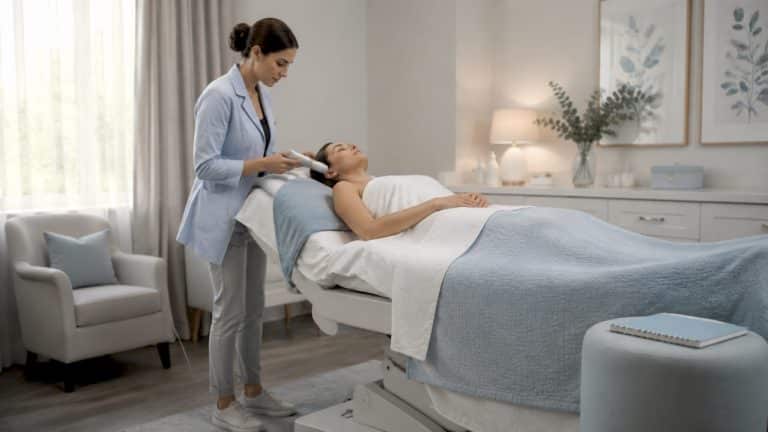
Energy-based skin treatments use controlled heat, radiofrequency, or light energy to stimulate collagen and tighten tissue from within. Devices like Morpheus8, BBL Heroic, Ultherapy, HIFU, and SylfirmX each target different skin depths and concerns. They are not interchangeable, and the right device depends on your skin type, concern, and goals.
Morpheus8 and BBL Heroic deliver customised skin rejuvenation that improves texture, tone, and elasticity. Morpheus8 combines microneedling with radiofrequency to remodel deeper tissue layers. BBL Heroic uses broadband light to address pigmentation, redness, and surface tone. Together, they cover a wide range of skin concerns in a single treatment plan.
These technologies work well for mild to moderate laxity, uneven texture, enlarged pores, and early signs of ageing. They are not a replacement for surgery when significant skin sagging is present. Setting that expectation clearly is part of responsible care. You can read more about what non-surgical skin lifting looks like in practice.
Results from energy-based treatments are cumulative. A single session produces some improvement, but the real benefit builds over 3–6 months as collagen remodelling continues. Most patients need 2–4 sessions for optimal results, with annual maintenance to sustain them.
- Morpheus8: Radiofrequency microneedling for deep tissue remodelling
- BBL Heroic: Broadband light for tone, pigmentation, and surface rejuvenation
- Ultherapy / HIFU: Ultrasound energy targeting deeper structural layers
- SylfirmX: Radiofrequency targeting vascular concerns and skin laxity
Pro Tip: Results from energy devices are not immediate. Plan your treatment at least 3 months before any major event to allow full collagen remodelling to take effect.
3. What role does fat grafting play in 2026 aesthetic approaches?
Fat grafting is the process of harvesting fat from one area of the body, processing it, and reinjecting it into areas needing volume restoration. It has become one of the fastest-growing procedures in aesthetic medicine this year. 67% of facial surgeons report increased patient demand for treatments addressing facial volume loss and skin laxity, contributing to 50% growth in fat grafting procedures.
Much of this demand connects directly to the rise of GLP-1 weight-loss medications like Ozempic and Wegovy. Rapid weight loss depletes facial fat, leaving skin looking deflated and aged. Fat grafting addresses this by restoring volume with the patient’s own tissue, which integrates naturally and lasts significantly longer than synthetic fillers.
Fat grafting offers durable volume restoration that synthetic fillers cannot fully replicate in selected cases. The tissue feels natural because it is natural. Longevity is also superior, with results lasting several years in many patients.
| Feature | Fat Grafting | Dermal Fillers |
|---|---|---|
| Material | Patient’s own fat | Hyaluronic acid or similar |
| Longevity | Several years | 6–18 months |
| Procedure type | Minor surgical | Non-surgical injection |
| Natural feel | Very high | High |
| Best for | Significant volume loss | Targeted, precise correction |
| Recovery | Several days | Minimal |
Fat grafting suits patients with significant volume loss, particularly those who have experienced rapid weight change. For patients needing subtle or targeted correction, dermal fillers remain the more practical and accessible option.
4. What is the best way to combine treatments for optimal results?
The most effective approach to aesthetic care in 2026 is layered and personalised. Combining biostimulatory injectables with energy devices and maintaining results with advanced topicals produces superior, more natural, and longer-lasting outcomes than any single treatment alone. This is the multimodal model, and it is now the standard of care among leading practitioners.
The logic is straightforward. Biostimulators rebuild collagen from within. Energy devices tighten and resurface from the outside. Advanced topicals, including placental-derived exosomes and PDGF-based products, support ongoing skin health between sessions. Each layer addresses ageing at a different depth and through a different mechanism.
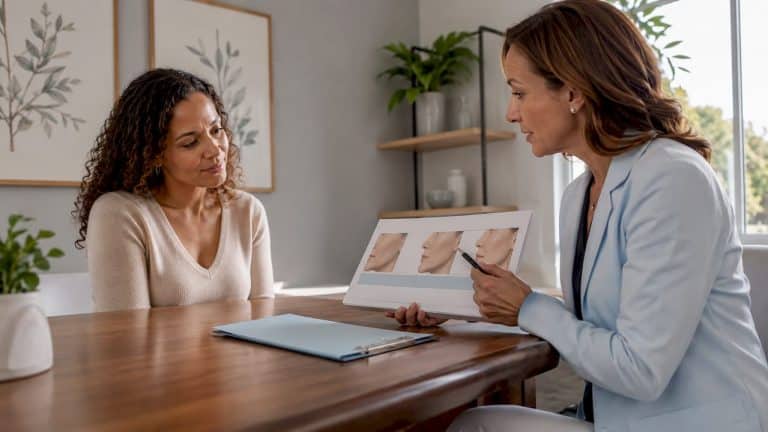
Personalised treatment planning is critical as men and midlife women become key patient segments in 2026. These groups often have different anatomical priorities, lifestyle constraints, and aesthetic goals than the traditional patient profile. A plan built for a 45-year-old woman managing early jowling looks very different from one designed for a 38-year-old man addressing skin texture and early lines.
The shift away from dramatic changes toward subtle, preventative care is also reshaping how clinics communicate with patients. Many clients now come in before visible ageing has progressed significantly, wanting to maintain what they have rather than reverse what has already changed. That preventative mindset produces better long-term outcomes and more satisfied patients.
- Layer 1: Biostimulatory injectables to rebuild collagen and structural support
- Layer 2: Energy devices to tighten, resurface, and improve tone
- Layer 3: Medical-grade topicals to maintain and protect between sessions
- Layer 4: Neuromodulators where muscle relaxation is still appropriate
Pro Tip: A skilled practitioner will assess your anatomy, skin quality, and goals before recommending a protocol. Be cautious of any clinic that recommends the same treatment to every patient.
5. How do these treatments compare for different skin concerns?
Choosing the right treatment depends on your primary concern, your skin’s current condition, and how much downtime you can accommodate. The table below maps leading treatments to common patient goals.
| Skin concern | Recommended treatment | Timeline for results | Maintenance |
|---|---|---|---|
| Fine lines and wrinkles | Botox, Nucieva, Xeomin | 1–2 weeks | Every 3–4 months |
| Volume loss | Sculptra, Juvederm, Teosyal | 1–6 months | Annual or biannual |
| Skin laxity | Morpheus8, HIFU, RF tightening | 3–6 months | Annual sessions |
| Texture and tone | BBL Heroic, chemical peels, microneedling | 4–8 weeks | Seasonal |
| Pigmentation | BBL Heroic, laser resurfacing | 4–8 weeks | Annual |
| Significant volume loss | Fat grafting | 3–6 months | Long-lasting |
Non-surgical skin tightening procedures remain steady in volume, but they require careful patient matching to succeed. Not every patient with laxity is a good candidate for energy devices alone. Age, skin thickness, and degree of sagging all influence whether a non-surgical approach will deliver satisfying results or whether a surgical consultation is more appropriate.
Prevention and correction require different tools. Patients in their 20s and early 30s benefit most from neuromodulators, medical-grade skincare, and light resurfacing. Patients in their 40s and beyond often need a combination of volume restoration, collagen stimulation, and tightening to address multiple layers of change simultaneously. You can explore what a personalised filler plan looks like before committing to any treatment.
The most common mistake patients make is choosing a single treatment and expecting it to address everything. Realistic expectations, built through honest consultation, are what separate satisfying outcomes from disappointing ones.
Key takeaways
The most effective aesthetic approach in 2026 combines biostimulatory injectables, energy-based devices, and medical-grade topicals into a personalised, layered protocol that addresses ageing at multiple skin levels simultaneously.
| Point | Details |
|---|---|
| Biostimulators lead growth | Sculptra and similar products saw 196% growth in 2026, outpacing traditional neuromodulators. |
| Layered protocols outperform single treatments | Combining injectables, energy devices, and topicals produces more natural and durable results. |
| Fat grafting is rising fast | 50% growth in fat grafting reflects demand for lasting volume restoration after rapid weight loss. |
| Energy devices have real limits | Morpheus8 and similar tools improve texture and firmness but cannot correct significant sagging. |
| Personalisation is non-negotiable | Treatment plans must reflect individual anatomy, age, skin type, and lifestyle to succeed. |
What I’ve learned from watching the 2026 shift up close
The move toward regenerative aesthetics is the most meaningful change I have seen in this field in years. Patients are asking better questions. They want to understand what a treatment actually does to their skin, not just how it will look in two weeks. That curiosity is producing better outcomes.
What I find genuinely encouraging is the decline of the “one treatment fixes all” mindset. The shift from correction to regeneration is not just a trend. It reflects a more honest understanding of how skin ages and what it actually needs. Collagen loss, fat compartment depletion, and bone resorption all happen simultaneously. Addressing only one of them was always going to produce limited results.
The area where I still see the most confusion is energy devices. Patients often arrive expecting Morpheus8 or HIFU to replace a surgical lift. Non-surgical energy treatments stimulate collagen and improve skin texture, but they do not correct significant sagging or redundant skin. Being clear about that distinction is not discouraging. It is respectful. Patients who understand the realistic scope of a treatment are the ones who feel genuinely satisfied with their results.
The other shift worth noting is who is walking through the door. Men and midlife women are now a significant and growing part of the patient population. Their goals tend to be subtle: looking rested, refreshed, and like themselves. That is exactly what a well-designed regenerative protocol delivers.
— Felix
Aesthetic care at Enrichedmedspa: where to begin
Enrichedmedspa serves patients in Woodbridge and East Gwillimbury, Ontario, with a full range of non-surgical treatments built around the 2026 regenerative model. The clinic offers cosmetic injectables including Botox, Nucieva, Xeomin, Juvederm, and Teosyal, alongside medical-grade skin treatments such as microneedling, radiofrequency skin tightening, laser resurfacing, and chemical peels. Every plan starts with a thorough assessment of your anatomy and goals. If you are weighing your injectable options, the patient’s guide to facial anatomy is a clear and practical starting point. For patients comparing neuromodulators and fillers, Botox vs. fillers breaks down the key differences in plain language.
FAQ
What are the top aesthetic treatments in 2026?
The leading treatments in 2026 are biostimulatory injectables like Sculptra, energy-based devices like Morpheus8 and BBL Heroic, and fat grafting procedures. These are often combined into layered protocols for more natural and lasting results.
How long do biostimulatory injectables like Sculptra last?
Sculptra results build gradually over 3–6 months and can last up to two years or more. Multiple sessions are typically required, spaced 4–6 weeks apart.
Can energy devices replace a surgical facelift?
No. Devices like Morpheus8 and HIFU improve skin texture, tone, and mild laxity, but they cannot correct significant sagging or redundant skin. Patients with advanced laxity may need a surgical consultation for meaningful correction.
Who is a good candidate for fat grafting in 2026?
Patients experiencing significant facial volume loss, particularly following rapid weight loss from GLP-1 medications, are strong candidates. Fat grafting offers longer-lasting, natural-feeling results compared to synthetic fillers in these cases.
Is preventative aesthetic treatment worth starting early?
Yes. Patients in their 20s and early 30s who begin with neuromodulators, medical-grade skincare, and light resurfacing maintain better skin quality over time. Prevention is consistently more effective than correction once significant ageing has occurred.