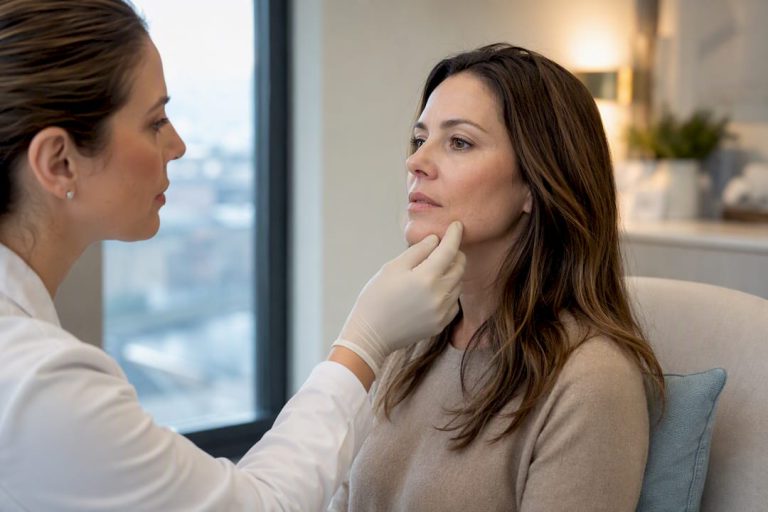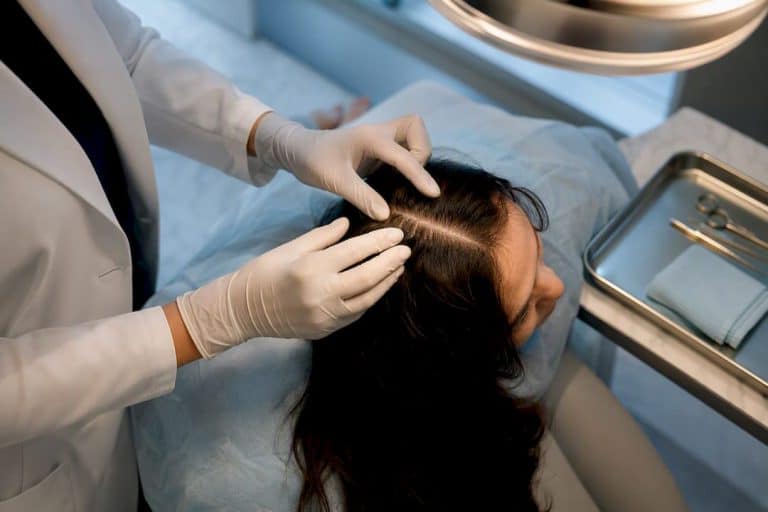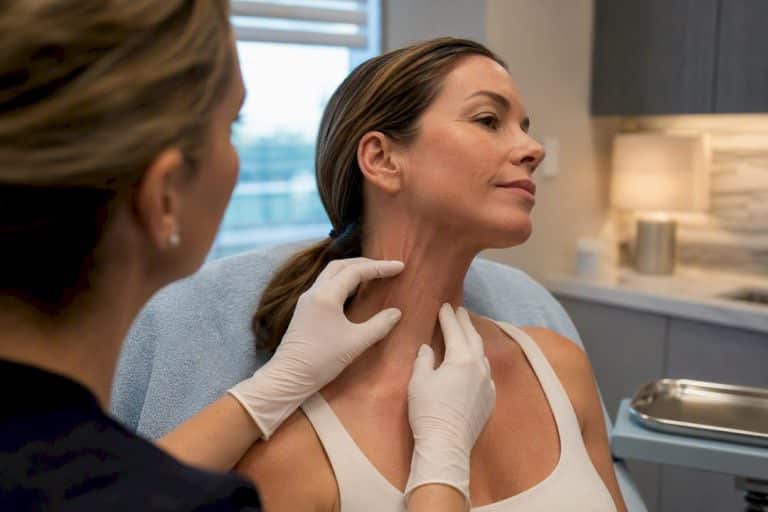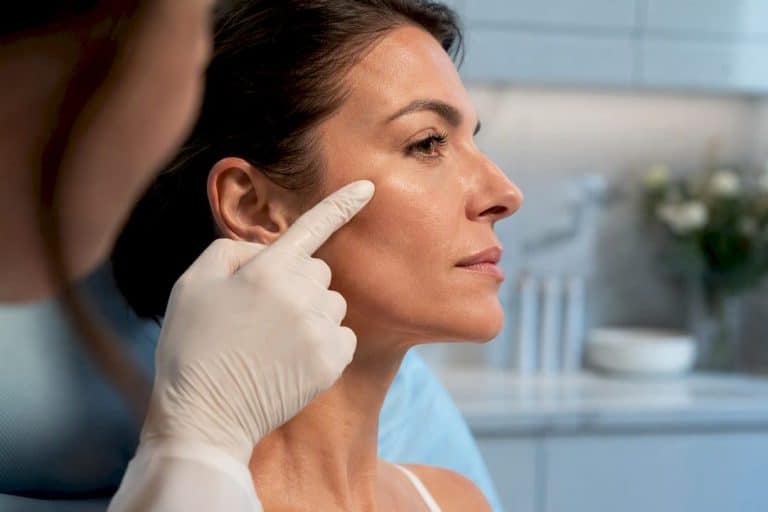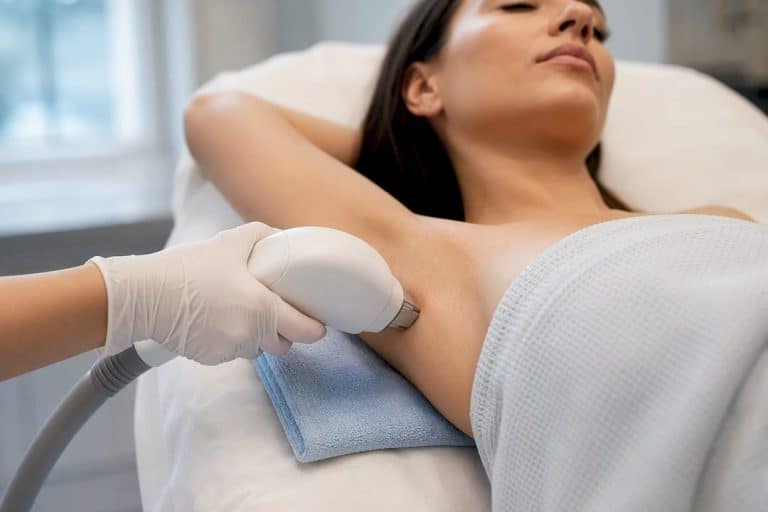
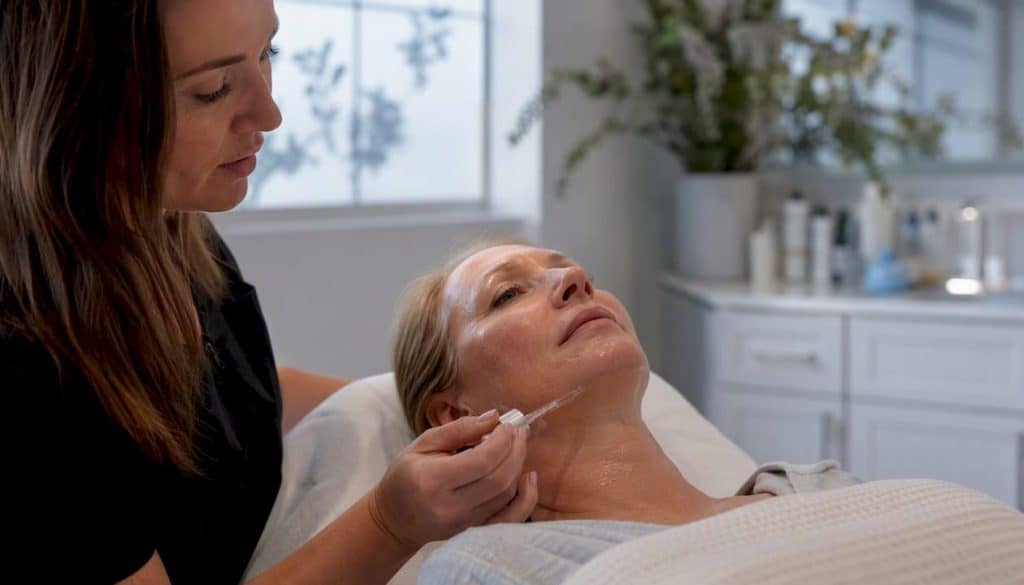
Wrinkle reduction refers to any clinical or at-home approach that visibly softens, smooths, or prevents the formation of lines and creases in the skin. The main categories span topical actives like tretinoin and alpha-hydroxy acids, energy-based devices such as lasers and radiofrequency, cosmetic injectables, including botulinum toxin and dermal fillers, and surgery for more advanced changes. If you are just getting started, the two highest-impact steps you can take today are applying a broad-spectrum SPF 30+ sunscreen every morning and booking a consultation with a licensed clinician before committing to any medical treatment.
Key takeaways
Wrinkle reduction works best when prevention, topical actives, and clinical treatments are matched to the specific type and depth of the lines you are addressing.
| Point | Details |
|---|---|
| UV is the top modifiable cause | Daily broad-spectrum SPF 30+ is the single highest-impact prevention step available. |
| Topicals have a clear role | Prescription tretinoin and glycolic acid are the most evidence-backed OTC and Rx options for fine lines. |
| Match treatment to wrinkle type | Botulinum toxin addresses dynamic lines; fillers restore volume; laser and RF rebuild collagen in the dermis. |
| Results take time | Most clinical treatments show full results over 4–8 weeks; maintenance is ongoing, not optional. |
| Enrichedmedspa | Offers personalised injectable, laser, RF, and microneedling plans in Woodbridge and East Gwillimbury, Ontario. |
Table of Contents
- What wrinkle reduction actually means: fine lines versus deeper creases
- Why wrinkles form and who is at higher risk
- Where wrinkles commonly appear and what type they are
- Clinical treatment options: how they work and what to expect
- At-home and OTC options: what actually helps
- Practical prevention: daily habits that slow wrinkle formation
- How to choose a treatment and what to ask at your consultation
- Typical timelines, maintenance, and costs in Canada
- Common side effects, serious risks, and when to get help
- What clinicians actually see: correcting common misconceptions
- A note on what we believe about wrinkle care
- Enrichedmedspa offers personalised wrinkle care in Woodbridge and East Gwillimbury
- Sources
What wrinkle reduction actually means: fine lines versus deeper creases
Not all wrinkles are the same, and that distinction matters when you are choosing a treatment. Clinicians generally separate them into three categories:
- Fine lines are shallow surface creases in the epidermis, often caused by dehydration, mild photoageing, or early collagen loss. They respond well to topical actives and light resurfacing.
- Dynamic lines form from repeated muscle movement, such as squinting or frowning. They appear during expression and, over time, become etched into the skin even at rest. Botulinum toxin (Botox, Dysport, Xeomin) is the primary clinical tool for these.
- Static and deep wrinkles are present at rest and involve the dermis, where collagen and elastin fibres have broken down significantly. Volume loss in the subcutaneous layer beneath the dermis deepens folds like nasolabial lines and marionette creases.
When a clinician assesses your skin, they look at wrinkle depth, location, and whether volume loss is contributing. A fine line around the eye responds differently to treatment than a deep nasolabial fold, which is why a personalised plan almost always outperforms a single off-the-shelf product.
Why wrinkles form and who is at higher risk
Wrinkle formation has two main drivers: intrinsic ageing and extrinsic ageing. Intrinsic ageing is the natural, genetically programmed decline in collagen production, elastin integrity, and skin cell turnover that begins in your mid-twenties. Extrinsic ageing, particularly photoageing from chronic UV exposure, accelerates this process considerably and is the most modifiable risk factor you have.
The key contributing factors include:
- UV exposure — breaks down collagen and elastin fibres, thins the dermis, and causes pigment irregularities
- Smoking — reduces blood flow to skin tissue and degrades collagen through oxidative stress
- Repeated facial expressions — habitual squinting, frowning, and smiling etch dynamic lines over time
- Genetics — skin thickness, melanin content, and the rate of collagen loss are partly inherited
- Poor sleep and chronic stress — elevate cortisol, which suppresses collagen synthesis
- Pollution and oxidative stress — free radicals from environmental exposure damage skin cell membranes
- Poor nutrition — low intake of vitamins A and C impairs collagen production and skin repair
UV exposure is the single largest modifiable cause of premature skin ageing. Daily sun protection is as important as any corrective procedure you might consider.
Genetics sets the baseline, but lifestyle choices shape how quickly you reach it. Many people who come in for a consultation are surprised to learn that their crow’s feet or forehead lines are more photoageing than chronological age.
Where wrinkles commonly appear and what type they are
Location tells you a great deal about the type of wrinkle and the best approach to address it. Skin thickness, underlying muscle activity, and the degree of fat pad volume loss all vary by area.
- Forehead lines — horizontal creases from the frontalis muscle lifting the brows; primarily dynamic, respond well to botulinum toxin
- Glabellar lines (frown lines) — vertical lines between the brows from the corrugator and procerus muscles; dynamic, one of the most common treatment requests
- Crow’s feet — fine-to-moderate lines radiating from the outer corners of the eyes; dynamic in origin but can become static; the periorbital skin is thin and sensitive
- Nasolabial folds — the creases running from the nose to the corners of the mouth; driven by volume loss in the mid-face fat pads and skin laxity; hyaluronic acid fillers like Juvederm and Teosyal are commonly used here
- Perioral lines — fine vertical lines around the lips, often worsened by smoking; a combination of botulinum toxin, filler, and resurfacing is frequently needed
- Neck bands (platysmal bands) — vertical cords in the neck from the platysma muscle; botulinum toxin can soften mild banding; more advanced laxity may require RF tightening or surgery
- Dorsal hand creasing — thinning skin and volume loss on the backs of the hands; often overlooked but a reliable indicator of overall skin ageing
Thinner skin areas like the periorbital zone and neck require lighter treatment doses and more conservative technique. Thicker areas like the cheeks tolerate more aggressive resurfacing. Understanding this is part of why location matters as much as wrinkle depth when a clinician is building your plan.
Clinical treatment options: how they work and what to expect
Clinical wrinkle treatment options range from topical prescription actives to surgical procedures, and the right choice depends on what you are treating: fine surface lines, dynamic expression lines, or volume-related deep folds. Combination approaches often produce the most natural and durable results.
Topical actives
Prescription tretinoin (Retin-A) remains the most evidence-backed topical for wrinkle reduction, increasing cell turnover and stimulating collagen synthesis in the dermis. Alpha-hydroxy acids (AHAs), particularly glycolic acid, exfoliate the epidermis and improve surface texture. Both require consistent use over weeks to months before visible improvement appears.
Chemical peels
Superficial peels using glycolic or lactic acid address fine lines and uneven texture with minimal downtime. Medium-depth peels (trichloroacetic acid) penetrate the dermis and are more effective for moderate wrinkles, though they require several days of recovery. Deep peels offer more dramatic results but carry greater risk and longer healing time.
Microneedling and PRP
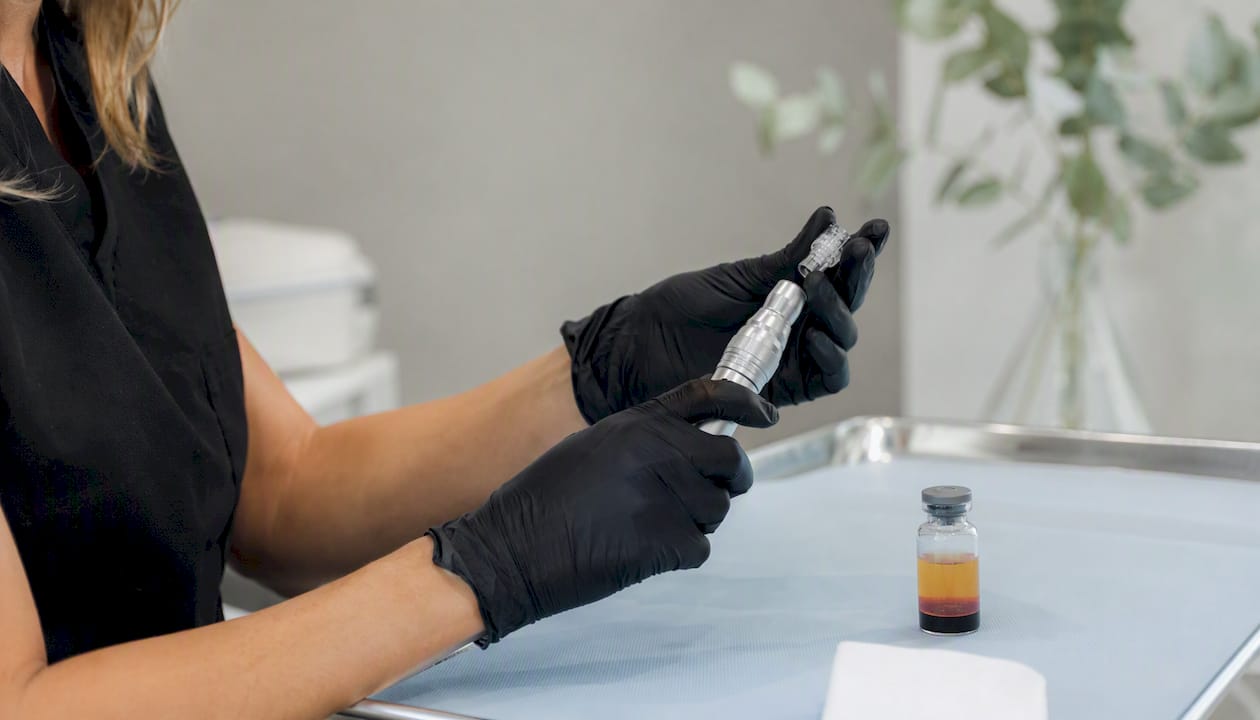
Microneedling creates controlled micro-injuries in the dermis that trigger collagen and elastin production. Adding platelet-rich plasma (PRP) to the treatment can amplify the regenerative response. Results are gradual, typically visible over 3–6 months, and a series of sessions is usually recommended.
Laser resurfacing
Laser resurfacing removes damaged outer skin layers and heats the dermis to stimulate collagen remodelling, producing progressive improvement in skin texture and wrinkle depth. CO2 laser is the most effective option for moderate-to-deep wrinkles but carries more downtime and a higher risk of pigment changes, particularly in darker skin tones.
Radiofrequency (RF) skin tightening
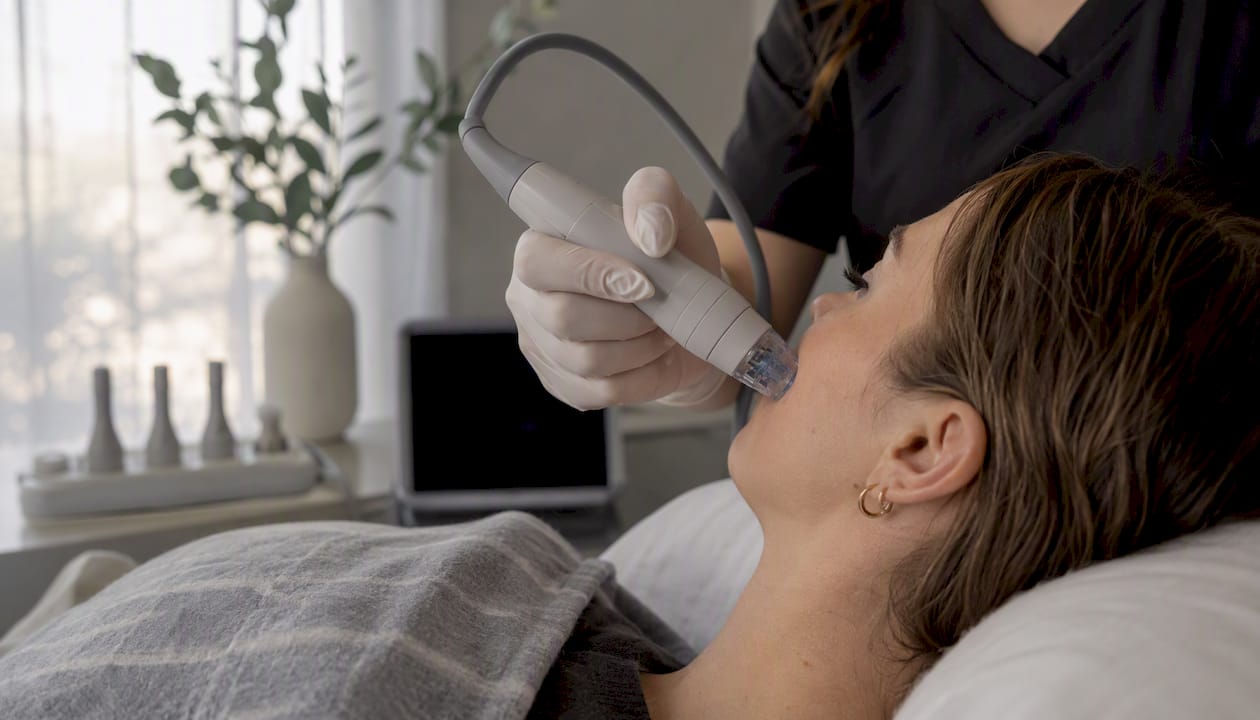
RF devices heat the dermis to stimulate collagen synthesis without removing the skin surface. This makes RF a good option for skin laxity and mild-to-moderate wrinkles with minimal downtime, and it is generally safe across a range of skin tones. Results develop progressively over several months as new collagen matures.
Botulinum toxin (Botox, Dysport, Xeomin)
Botulinum toxin temporarily relaxes the muscles responsible for dynamic expression lines. Botox, Dysport, and Xeomin are all Health Canada-approved formulations with slightly different onset times and diffusion profiles, but all work by the same mechanism. Results typically appear within 3–14 days and last roughly 3–4 months, after which maintenance is needed.
Dermal fillers (Juvederm, Teosyal)
Hyaluronic acid dermal fillers restore lost volume and smooth deep folds, offering immediate aesthetic improvement. Juvederm and Teosyal are two of the most widely used HA filler brands in Canada, each with product lines tailored to different depths and areas. Results are visible immediately and typically last 9–18 months depending on the product and area treated.
Surgery (facelift)
For advanced skin laxity and deep structural changes, surgical options such as a facelift address the underlying muscle and connective tissue layers that non-surgical treatments cannot reach. Recovery is measured in weeks, and results are long-lasting but not permanent.
Comparison overview
| Modality | Best for | Typical effectiveness | Downtime | Longevity | Main risks | Key cost drivers |
|---|---|---|---|---|---|---|
| Tretinoin / AHAs | Fine lines, texture | Moderate with consistent use | None | Ongoing with use | Irritation, sun sensitivity | Prescription cost, ongoing supply |
| Chemical peel | Fine-to-moderate lines, texture | Moderate to good | 1–3 weeks | Months; series needed | Redness, pigment change | Peel depth, number of sessions |
| Microneedling / PRP | Fine-to-moderate lines, collagen loss | Good over 3–6 months | 1–3 days | 6–9 months | Bruising, infection risk | Number of sessions, PRP add-on |
| Laser resurfacing (CO2) | Moderate-to-deep lines, texture | High | 5–14 days | 1–3 years | Pigment change, scarring | Device type, treatment area |
| Radiofrequency | Skin laxity, mild-moderate lines | Moderate; progressive | Minimal | 12–18 months | Temporary redness, swelling | Device, number of sessions |
| Botulinum toxin | Dynamic lines (forehead, crow’s feet) | High for dynamic lines | None | 3–4 months | Bruising, asymmetry, ptosis | Units used, provider expertise |
| Dermal fillers | Volume loss, deep folds | High; immediate | 1–3 days | 9–18 months | Bruising, vascular occlusion | Product type, volume used |
| Surgery (facelift) | Advanced laxity, deep structural change | High | 2–4 weeks | 5 years | Surgical risks, scarring | Surgeon, facility, anaesthesia |
Clinical skin treatments are protocol-driven and often require multiple sessions, with results developing over weeks to months. Individual outcomes vary, and strict photoprotection between sessions is non-negotiable for maintaining results.
At-home and OTC options: what actually helps
Over-the-counter products can meaningfully support wrinkle prevention and maintenance, though they work more slowly and less dramatically than clinical procedures. The key is knowing which actives have real evidence behind them.
Evidence-backed OTC and prescription actives:
- Prescription tretinoin (Retin-A) — the gold standard topical retinoid; requires a prescription in Canada and is the most studied option for fine lines and photoageing
- OTC retinol — a weaker retinoid available without a prescription; slower results than tretinoin but better tolerated for beginners
- Glycolic acid (AHA) — exfoliates the epidermis and improves surface texture; available in cleansers, toners, and serums at varying concentrations
- Niacinamide — reduces inflammation, supports the skin barrier, and has a modest effect on fine lines; well tolerated and easy to layer with other actives
- Vitamin C (L-ascorbic acid) — an antioxidant that protects against UV-induced free radical damage and supports collagen synthesis; most effective in the morning under sunscreen
- Peptides — signal proteins that may support collagen production; evidence is more limited than for retinoids, but they are a useful addition for sensitive skin
- Moisturisers and sunscreen — not actives in the treatment sense, but daily sunscreen and moisturising are foundational for preventing and reducing the appearance of fine lines
Limited evidence: Most “natural” masks, facial oils, and collagen-boosting supplements have weak or no clinical data supporting wrinkle reduction. They are not harmful, but they should not replace proven actives.
How to introduce retinoids safely:
Start with a low-concentration retinol two to three nights per week, applied to dry skin after cleansing. Gradually increase frequency over four to six weeks as your skin adjusts. Expect some initial dryness and flaking. If you are preparing for a clinical procedure like a peel or laser, pause retinoids at least five to seven days beforehand and confirm timing with your clinician.
Pro Tip: Pair a vitamin C serum in the morning with retinol at night and SPF 30+ every day. This combination addresses both prevention (antioxidant protection, UV defence) and repair (cell turnover, collagen stimulation) simultaneously.
Practical prevention: daily habits that slow wrinkle formation
Prevention is genuinely the most cost-effective wrinkle strategy available. Many of the changes that bring people into a clinic consultation could have been delayed significantly with consistent daily habits.
Sun protection:
- Apply a broad-spectrum SPF 30+ sunscreen every morning, including overcast days and indoors near windows
- Reapply every two hours when outdoors
- Wear sun-protective clothing, wide-brimmed hats, and UV-blocking sunglasses
- Avoid indoor tanning beds entirely
Lifestyle habits:
- Stop smoking, or never start; smoking accelerates collagen breakdown and skin thinning measurably
- Eat a diet rich in vitamins A and C, which support collagen synthesis and skin repair
- Stay well hydrated; dehydration makes fine lines more visible even when they are not yet structural
- Prioritise quality sleep; skin repair is most active during deep sleep cycles
- Minimise prolonged exposure to air pollution where possible
Daily skincare routine:
- Gentle, non-stripping cleanser morning and evening
- Moisturiser to support the skin barrier and reduce transepidermal water loss
- Vitamin C serum in the morning before sunscreen
- Retinoid at night, introduced gradually as described above
- Consistency over weeks and months matters far more than any single product
You can find additional skin tightening tips that complement these daily habits on the Enrichedmedspa website.
How to choose a treatment and what to ask at your consultation
Choosing the right wrinkle treatment is not just about picking the most popular option. It requires an honest assessment of your goals, your skin, and your willingness to commit to maintenance.
Good candidate checklist:
- Realistic goals: you want improvement, not perfection
- No active skin infections, open wounds, or certain autoimmune conditions in the treatment area
- Willingness to follow pre- and post-treatment care instructions, including sun avoidance
- Clear understanding of maintenance requirements and associated costs
- Honest disclosure of prior procedures, medications, and medical history
Questions to bring to your consultation:
- What are your credentials and training for this specific procedure?
- Which treatment do you recommend for my concern, and why?
- What results can I realistically expect, and over what timeline?
- What is the downtime, and what restrictions apply afterward?
- What are the risks specific to my skin type and history?
- Can I see before-and-after photos of patients with similar concerns?
- What is your protocol if I experience a complication?
Red flags to watch for:
- A provider who dismisses or minimises risks when you ask directly
- Pressure to book on the same day as your first consultation
- Heavily discounted packages for high-risk procedures like deep peels or filler in sensitive areas
- No discussion of your medical history before recommending injectables
- Vague or evasive answers about credentials or product sourcing
Clinicians at reputable medical spas and dermatology clinics in Canada are regulated provincially. In Ontario, for example, injections must be performed or directly supervised by a regulated health professional. Always verify that your provider holds a current licence with their provincial regulatory college before proceeding. For a deeper look at how combination treatments are sequenced, the non-surgical facelift guide on the Enrichedmedspa site walks through common treatment sequences and what to expect at each stage.
Typical timelines, maintenance, and costs in Canada
Results from wrinkle treatments do not appear overnight, and the timeline varies considerably by modality. Planning ahead, both for recovery and for maintenance appointments, helps you get the most from your investment.
| Modality | Time to visible results | Typical maintenance interval | Usual recovery time |
|---|---|---|---|
| Tretinoin (topical) | 8 weeks | Ongoing daily use | None |
| Chemical peel (superficial) | 1–2 weeks | Every 4–6 weeks (series) | 1–3 days |
| Microneedling | 4–6 weeks per session | Every 4–6 weeks (series of 3–6) | 1–3 days |
| CO2 laser resurfacing | 4–6 weeks (progressive) | Every 1–3 years | 5–14 days |
| Radiofrequency tightening | 8 weeks (progressive) | Every 12–18 months | Minimal |
| Botulinum toxin | 3–14 days | Every 3–4 months | None |
| Dermal fillers (HA) | Immediate | Every 9–18 months | 1–3 days |
What drives cost in Canada:
- Provider expertise and credentials — a registered nurse injector or physician typically charges more than an unregulated provider, and that premium reflects training and accountability
- Clinic location — urban centres like Toronto and Vancouver carry higher overhead than smaller markets
- Product type — prescription tretinoin costs differ from brand-name HA fillers; Juvederm and Teosyal are priced per syringe, and most treatments require more than one
- Device use — laser and RF treatments involve significant equipment costs that are reflected in session pricing
- Number of sessions — microneedling and RF typically require a series of three to six sessions for optimal results, which affects total investment
Budgeting tips:
- Ask about package pricing for multi-session treatments; clinics often offer a per-session discount when you commit to a series
- Factor in maintenance from the start; a botulinum toxin result that lasts three months means roughly three to four appointments per year
- Financing options are available at many medical spas in Canada, though it is worth reading the terms carefully before committing
Common side effects, serious risks, and when to get help
Every wrinkle treatment carries some level of risk. Understanding the difference between expected side effects and warning signs that need prompt attention keeps you safe.
Common, expected side effects by modality:
- Topical retinoids: dryness, flaking, redness, and sun sensitivity, especially in the first few weeks
- Chemical peels: redness, peeling, and temporary tightness; medium peels may cause swelling for a few days
- Microneedling: redness, pinpoint bleeding, and mild swelling for 24–72 hours
- Laser resurfacing: redness, swelling, crusting, and peeling during healing; temporary hyperpigmentation is possible, particularly in darker skin tones
- RF treatments: temporary redness, mild swelling, and warmth in the treated area
- Botulinum toxin: bruising at injection sites, mild headache, and temporary asymmetry; rare ptosis (drooping eyelid) if product migrates
- Dermal fillers: bruising, swelling, and tenderness at injection sites for 1–5 days; occasional lumpiness that resolves
Rare but serious complications:
- Vascular occlusion with fillers — if filler is inadvertently injected into or compresses a blood vessel, it can restrict blood flow to tissue. This is a medical emergency requiring immediate treatment with hyaluronidase. Signs include sudden blanching, severe pain, or skin discolouration at or near the injection site.
- Severe allergic reaction — anaphylaxis is rare but possible with any injectable product
- Scarring — aggressive resurfacing in the wrong skin type or without adequate aftercare can cause permanent scarring
- Infection — any procedure that breaks the skin barrier carries infection risk; signs include increasing redness, warmth, and purulent discharge
Call your provider’s after-hours line first if available; if you cannot reach them quickly, go to an emergency department. Vascular complications from fillers, in particular, are time-sensitive.
What clinicians actually see: correcting common misconceptions
One of the most persistent misconceptions we encounter is that wrinkles are simply the result of getting older and there is little you can do until they are already deep. The Cleveland Clinic’s guidance on wrinkle causes is clear: photoageing and habitual facial expressions are major contributors to premature line formation, and prevention through daily sun protection is as important as any corrective procedure.
Many clients arrive noticing crow’s feet or a tired-looking lower face in their mid-thirties, often attributing it entirely to age. In practice, a significant portion of that change is cumulative UV damage and years of unprotected sun exposure. That is actually encouraging, because it means the trajectory is modifiable.
Clinicians typically triage options by starting with the least invasive approach that addresses the primary concern. A client with early dynamic lines and mild photoageing might begin with a retinoid prescription, a series of anti-ageing facials, and a conversation about botulinum toxin when they are ready. Someone with deeper volume loss and static folds needs a different conversation, one that includes fillers and possibly RF or laser resurfacing as part of a staged plan.
Energy-based devices like RF and CO2 laser are particularly valuable because they trigger neocollagenesis, meaning the improvement continues for months after the treatment itself as new collagen matures. This is different from fillers or botulinum toxin, which produce more immediate but shorter-lived changes. Neither approach is universally better; they address different problems, and the most effective plans often use both over time.
Pro Tip: Before any procedure, ask your clinician for a staged treatment plan in writing, including the recommended sequence, maintenance intervals, and what to do between sessions. A clear plan protects you from scope creep and helps you budget realistically.
Clinical protocols commonly sequence treatments, for example, resurfacing or microneedling followed by maintenance injectables, and emphasise photoprotection and home-care for durable results. Patch testing before chemical peels and a thorough medical history review before injectables are standard safety steps at reputable clinics.
A note on what we believe about wrinkle care
What I find most worth saying, after seeing many clients work through these decisions, is that the gap between what people expect from wrinkle treatments and what they actually deliver is rarely about the treatments themselves. It is almost always about timing and consistency.
The clients who get the most from their care are not the ones who book the most aggressive procedure available. They are the ones who start with sun protection and a retinoid, build a relationship with a clinician they trust, and treat maintenance as a normal part of their routine rather than a sign that something went wrong. Wrinkle reduction, done well, is not a single event. It is a long-term approach to skin health, and the earlier you start the preventive habits, the less corrective work you need later.
Enrichedmedspa offers personalised wrinkle care in Woodbridge and East Gwillimbury
If you are weighing your options after reading this, Enrichedmedspa provides the full range of treatments discussed here, from botulinum toxin (Botox, Nuceiva, Xeomin) and hyaluronic acid fillers (Juvederm, Teosyal) to CO2 laser resurfacing, radiofrequency skin tightening, and medical-grade microneedling, all within a clinic environment where every treatment plan is built around your specific skin, goals, and timeline.
What sets the approach at Enrichedmedspa apart is the emphasis on staged, realistic care rather than a single-session fix. You will not be pressured to book on the day of your consultation, and every recommendation comes with a clear explanation of what to expect, including downtime, maintenance, and realistic outcomes.
To explore your skin treatment options or learn more about cosmetic injectables, visit the Enrichedmedspa website. When you are ready, book a consultation at the Woodbridge or East Gwillimbury location to get a personalised plan.
Sources
The following sources provide reliable, evidence-based information for anyone wanting to go deeper on wrinkle causes, treatment options, or clinical guidance:
- Wrinkles – Causes, treatments and prevention — Cleveland Clinic
- Wrinkle treatments — MedlinePlus
- Wrinkles – Symptoms and causes — Mayo Clinic
These resources are for informational purposes and are not a substitute for advice from a qualified medical professional. For personalised guidance, consult a licensed clinician who can assess your skin directly.
Recommended
- Anti-aging treatment benefits: what to expect
- The role of Botox in aesthetics: a 2026 guide
- What Are Anti-Aging Facials? Fighting Wrinkles and Fine Lines Effectively – Botox Laser Hair Removal OxyGeneo Medi Facial Microneedling – Enriched Med Spa – Vaughan Woodbridge Maple Vellore Village
- Top skin tightening tips for smoother, youthful skin