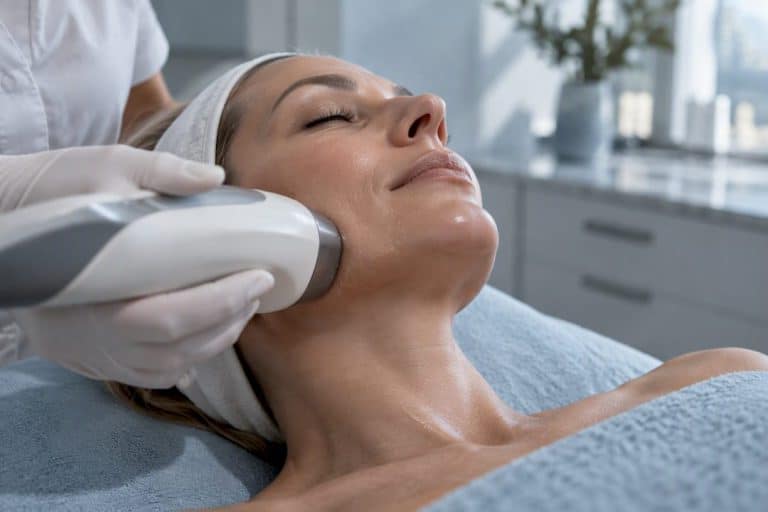

If you’ve heard the term “med spa” but aren’t quite sure what separates it from your neighbourhood day spa or a doctor’s office, you’re not alone. A med spa, short for medical spa, sits at the intersection of clinical medicine and aesthetic care. It offers non-surgical treatments that go deeper than a facial but don’t require a hospital visit. This guide walks you through what defines a med spa, how these facilities operate, what you can realistically expect from treatments, and how to tell a trustworthy clinic from one that’s simply borrowing the name.
Table of Contents
- Key takeaways
- What is a med spa, exactly?
- Medical oversight and the consultation process
- Med spa vs. day spa
- What to expect from med spa treatments
- Trends shaping med spas in 2026
- My perspective: what actually matters when choosing a med spa
- Experience personalised care at Enriched Med Spa
- FAQ
Key takeaways
| Point | Details |
|---|---|
| Med spas are medically supervised | Treatments are overseen by licensed prescribing providers, not just aestheticians. |
| Treatments target tissue beneath the skin | Services like Botox, fillers, and laser therapy work at a deeper level than traditional spa treatments. |
| Consultations are required | A face-to-face assessment with a qualified provider is the first step before any treatment. |
| Med spas differ from day spas | Day spas focus on relaxation; med spas address skin health with medical-grade technology and clinical standards. |
| Patient safety is foundational | Proper supervision, licensed practitioners, and documented treatment plans protect your health and your results. |
What is a med spa, exactly?
A med spa is a hybrid of medical clinic and traditional day spa, delivering non-invasive and minimally invasive aesthetic medical services under licensed professional supervision in a comfortable, welcoming environment. That definition matters more than it might first appear.

The “medical” part is not branding. It reflects a real clinical structure. Treatments at a med spa affect living tissue beneath the skin, which is why they require oversight from trained medical professionals. The spa environment, think calming décor, private treatment rooms, and attentive care, makes the experience far more comfortable than a clinic visit, but it does not replace the clinical rigour underneath.
Common med spa services include:
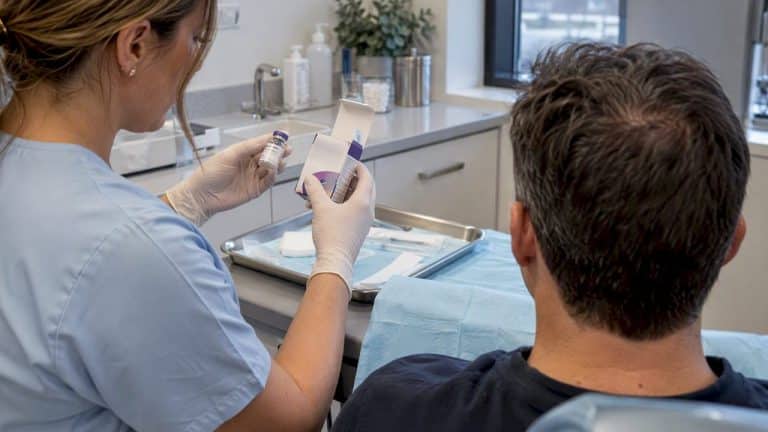
- Neuromodulators such as Botox, Nucieva, and Xeomin, which relax targeted facial muscles to soften dynamic wrinkles
- Dermal fillers like Juvederm and Teosyal, used to restore volume, define contours, and smooth deeper lines
- Microneedling, which stimulates collagen production by creating controlled micro-injuries in the skin
- Chemical peels, which resurface the skin by removing damaged outer layers to reveal healthier skin beneath
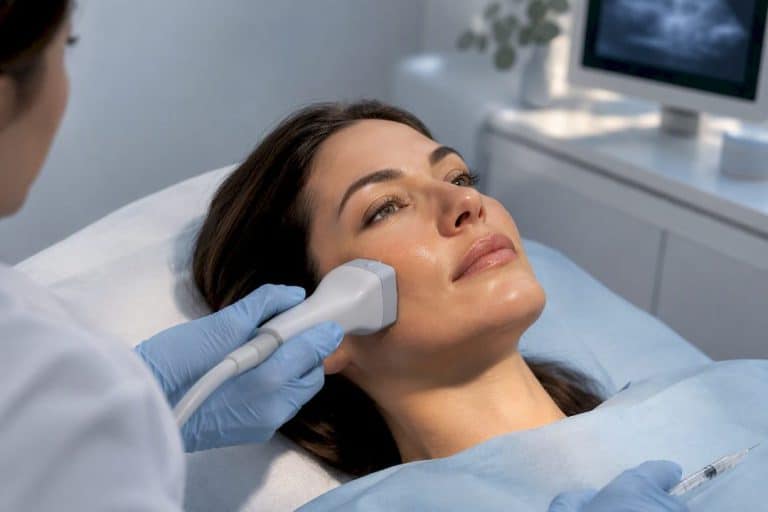
- Laser resurfacing and radiofrequency (RF) skin tightening, which address texture, tone, and laxity using medical-grade devices
Each of these treatments affects living tissue beneath the skin, which distinguishes them from services at a day spa and explains why they require licensed professionals to administer or supervise them.
Pro Tip: When researching a med spa, look for transparent information about who will be performing your treatments and what their credentials are. This is one of the clearest indicators of a legitimate clinic.
Medical oversight and the consultation process
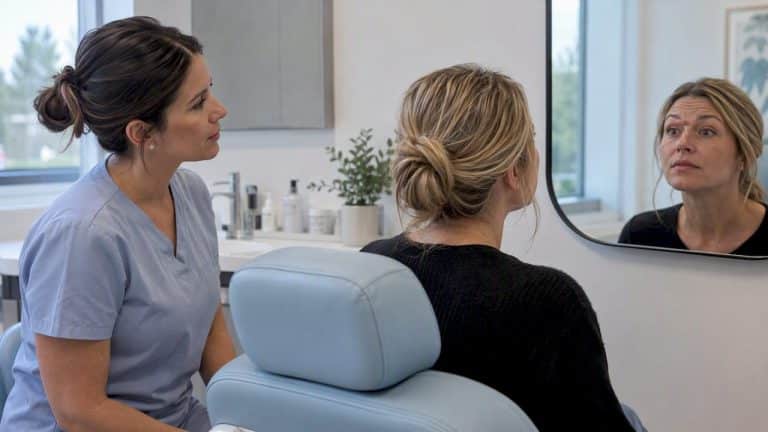
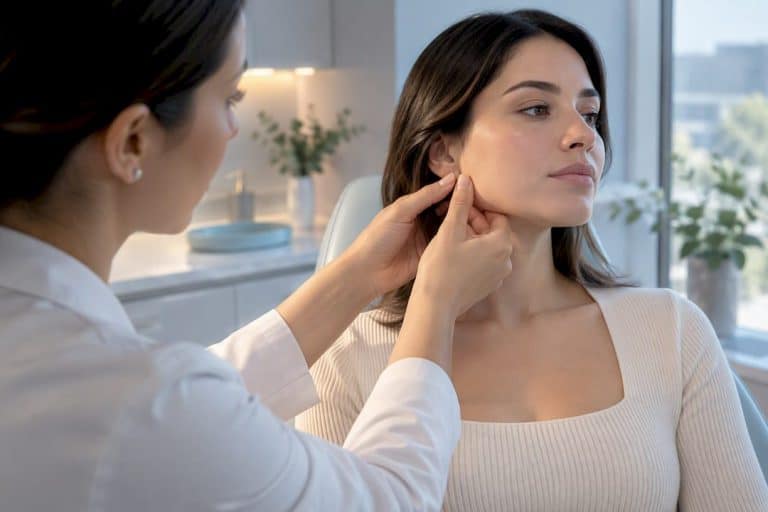
One of the most important things to understand about how med spas operate is that the clinical process begins well before any treatment is administered. A face-to-face consultation with a prescribing provider, such as a physician, nurse practitioner, or physician assistant, is not optional. It is the clinical foundation of the entire experience.
Here is what that process typically looks like:
- Initial assessment. Your provider reviews your medical history, current medications, skin concerns, and aesthetic goals. This is where contraindications are identified and realistic expectations are established.
- Treatment plan development. The prescribing provider determines which treatments are appropriate for you, in what sequence, and at what dosage or intensity. This is a personalised clinical recommendation, not a menu selection.
- Delegated care. In many cases, a registered nurse or trained aesthetic practitioner carries out the prescribed treatment under the oversight of the prescribing provider. This two-layer model, clinical decision-making at the top and delegated care in execution, is what a legitimate med spa structure looks like in practice.
- Follow-up and adjustment. Results are assessed at follow-up appointments, and the treatment plan is modified as needed to achieve your goals safely.
Regulatory requirements for med spas vary by province and jurisdiction in Canada, and compliance affects everything from ownership structure to how often a supervising physician must be present on-site. What remains consistent is that med spa compliance depends on documented supervision, prescribing authority, and licensed providers either performing or delegating all treatments.
Pro Tip: Ask your med spa directly: “Who is the supervising physician or medical director, and will I meet my prescribing provider before treatment?” If you can’t get a clear answer, that’s a signal to look elsewhere.
This consultation layer is not bureaucratic. It exists because even treatments that appear straightforward, such as a Botox injection, carry real medical considerations. Certain medications interact with neuromodulators. Skin conditions may make laser treatments inadvisable. A qualified prescribing provider catches these factors before they become problems.
Med spa vs. day spa
Many people arrive at this question genuinely unsure of the difference. The clearest way to explain it is through what each facility is designed to accomplish.
Day spas focus on relaxation and superficial skin care. A facial at a day spa cleans, hydrates, and may exfoliate the outermost layer of skin. It feels wonderful. It does not, however, address loss of facial volume, deep wrinkles, skin laxity, or pigmentation at a structural level. Day spas do not require physician oversight because their treatments do not affect tissue beneath the skin.
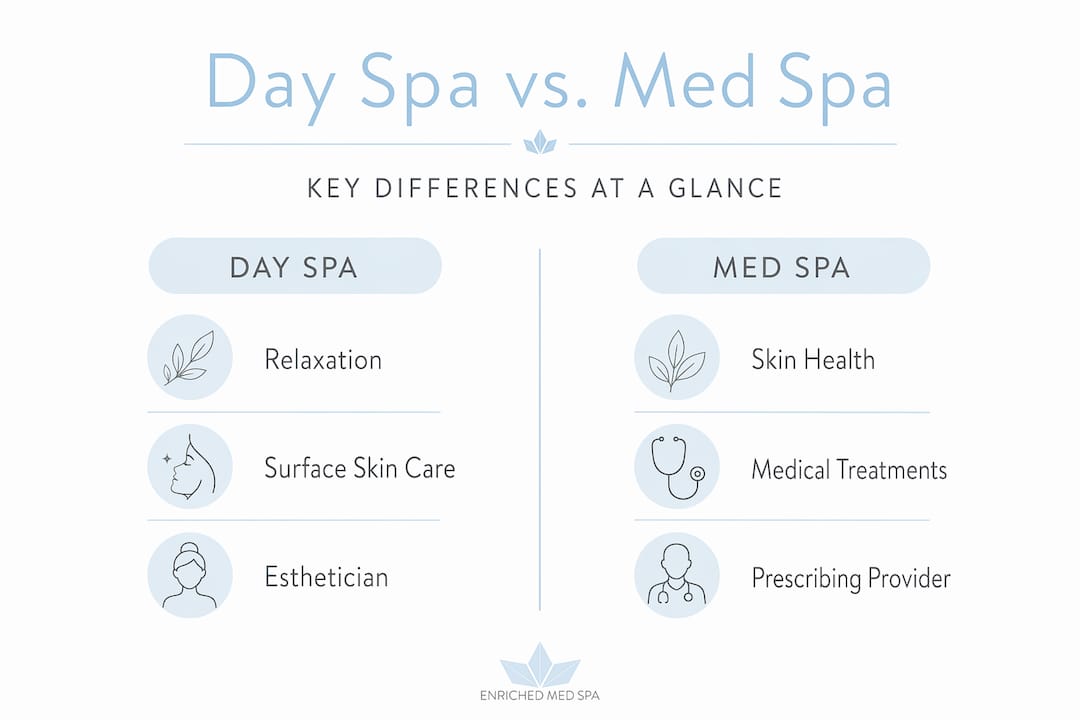
Med spas are different in purpose and in clinical depth. Here is a side-by-side comparison:
| Feature | Day spa | Med spa |
|---|---|---|
| Primary goal | Relaxation and surface-level skin care | Skin health, aesthetic correction, and enhancement |
| Treatment depth | Superficial (epidermis level) | Deeper tissue, including dermis and subcutaneous layers |
| Medical oversight | Not required | Required by law in most jurisdictions |
| Practitioners | Aestheticians and massage therapists | Registered nurses, nurse practitioners, physicians |
| Typical treatments | Facials, massages, body wraps | Botox, fillers, laser, microneedling, RF tightening |
| Products used | Retail-grade skincare | Medical-grade formulations and devices |
| Consultation requirement | Not standard | Mandatory before prescription treatments |
This comparison is not meant to diminish day spas. They serve a real purpose. But if your goal involves addressing signs of ageing, correcting pigmentation, improving skin texture at a deeper level, or restoring facial volume, a med spa is the appropriate environment to do it safely.
What to expect from med spa treatments
Most clients who come to a med spa are noticing something specific: fine lines that won’t respond to serums, volume loss in the cheeks or lips, uneven skin tone, or skin that simply looks more tired than it used to. They want real change, but not surgery. That’s exactly what medical-grade therapies are designed to address.
Here is what the treatment experience typically looks like:
- Your first visit is a conversation, not a procedure. Expect to spend time with your provider discussing your concerns, your goals, and your health history before anything else happens.
- Timelines vary by treatment. Neuromodulators like Botox take full effect within 10 to 14 days. Dermal fillers provide immediate volume, with final results settling over one to two weeks. Skin treatments like microneedling and chemical peels require a series of sessions, spaced several weeks apart, to achieve optimal results.
- Recovery is minimal but real. Most med spa treatments involve little to no downtime, though some redness, swelling, or sensitivity is normal immediately after. Your provider will give you specific aftercare instructions based on what you’ve had done.
- Maintenance is part of the plan. Neuromodulators typically last three to four months. Fillers can last anywhere from six months to over a year depending on the product and area treated. Skin treatments like advanced med spa treatments for skin health often recommend annual or twice-yearly maintenance sessions.
- Results should look natural. A well-executed treatment plan at a reputable med spa produces subtle, proportionate changes. The goal is for you to look refreshed, not altered.
Choosing a med spa carefully makes a significant difference. Look for facilities where the supervising provider is clearly identified, consultations are mandatory, and practitioners have verifiable credentials. Our guide to choosing a med spa covers this in detail if you’d like to go deeper on this step.
Trends shaping med spas in 2026
The med spa industry has shifted meaningfully in recent years. The treatments available today are more precise, more personalised, and more focused on long-term skin health than aesthetic correction alone.
Radiofrequency microneedling, which combines the collagen-stimulating effects of traditional microneedling with deeper RF energy delivery, has grown in popularity for clients concerned with skin laxity and texture. Biostimulator injectables, which prompt the body to produce its own collagen over time rather than simply filling space, are becoming a preferred option for clients wanting gradual, natural-looking improvements.
There is also a growing recognition that skin health is a medical issue when the right conditions are present. Med spas that take this seriously use proper skin assessments, invest in premium skincare as part of treatment protocols, and follow up with clients to track how their skin responds over time. Combining in-clinic treatments with medical-grade home care is now standard practice at the best facilities.
What defines a modern med spa in 2026 is not the equipment list or the décor. It’s the clinical culture, the rigour of the consultation process, and the commitment to outcomes that are genuinely good for the patient.
My perspective: what actually matters when choosing a med spa
I’ve observed a consistent pattern across this industry, and it’s worth naming directly. Many facilities use the “med spa” label as a marketing descriptor rather than a clinical commitment. The name alone tells you nothing about whether proper supervision is in place.
In my view, the single most important differentiator is whether a prescribing provider is genuinely involved in your care, not just listed on a website. The two-layer model of clinical care, where a licensed prescriber sets the treatment plan and qualified practitioners execute it, is what separates a real med spa from an aesthetic studio with better lighting. When that structure is absent, patients absorb the risk.
I’ve also seen how much a genuine consultation changes the outcome. Clients who receive a thorough initial assessment get treatment plans that actually fit their goals and physiology. Those who skip this step, at clinics that allow it, often end up with results that don’t quite land the way they hoped. Not because the treatment failed, but because it was never properly matched to the person receiving it.
When you walk into a med spa and your first appointment is a proper sit-down conversation with a qualified provider, that’s the sign you’re in the right place.
— Felix
Experience personalised care at Enriched Med Spa
At Enrichedmedspa, we approach every client with the kind of clinical attention that a med spa should provide. Serving Woodbridge and East Gwillimbury, Ontario, our team of licensed practitioners offers a full range of Botox and cosmetic injections, dermal fillers, microneedling, chemical peels, laser resurfacing, and radiofrequency skin tightening. Every treatment plan begins with a face-to-face consultation, and every procedure is performed or supervised by credentialed medical professionals. If you’re exploring your options and want to understand what might be right for your skin, we’d welcome the conversation. You can also review our comparison of Botox and fillers to get a clearer picture of how the most popular injectables differ before your first visit.
FAQ
What is a med spa and how is it different from a regular spa?
A med spa combines the comfort of a day spa with medically supervised, non-surgical aesthetic treatments that affect tissue beneath the skin. Regular day spas focus on surface-level relaxation and do not require physician oversight.
Do I need a consultation before med spa treatments?
Yes. A face-to-face consultation with a prescribing provider is required before any treatment is administered at a legitimate med spa. This assessment protects your safety and personalises your treatment plan.
Are med spa treatments safe?
When performed at a properly supervised facility with licensed practitioners, med spa treatments are considered safe. The key is verifying that a prescribing provider is genuinely involved in your care and that all practitioners have documented credentials.
What med spa treatments are available for skin care?
Common med spa skin treatments include microneedling, chemical peels, laser resurfacing, and radiofrequency skin tightening. You can explore your skin treatment options to understand which services might suit your specific concerns.
How long do med spa results last?
It depends on the treatment. Botox typically lasts three to four months, while dermal fillers can last six months to over a year. Skin treatments like microneedling often require a series of sessions, with maintenance recommended annually or semi-annually for lasting results.