
Botox is one of the most requested treatments in modern medical aesthetics, yet it remains one of the most misunderstood. Many people in the 30 to 50 age range arrive at their first consultation with a mix of curiosity and caution, wondering whether results will look natural, how safe the treatment really is, and whether it is worth committing to long term. Understanding the role of Botox in aesthetics means looking past the myths and into what the clinical evidence, experienced injectors, and real patient outcomes actually show. This guide gives you that clarity.
Table of Contents
- Key takeaways
- How Botox works in aesthetic wrinkle treatment
- Safety considerations and what to expect
- Baby Botox and the shift toward natural results
- What to expect before, during, and after treatment
- My perspective on Botox for clients in their 30s and 40s
- Why professional guidance makes all the difference
- FAQ
Key takeaways
| Point | Details |
|---|---|
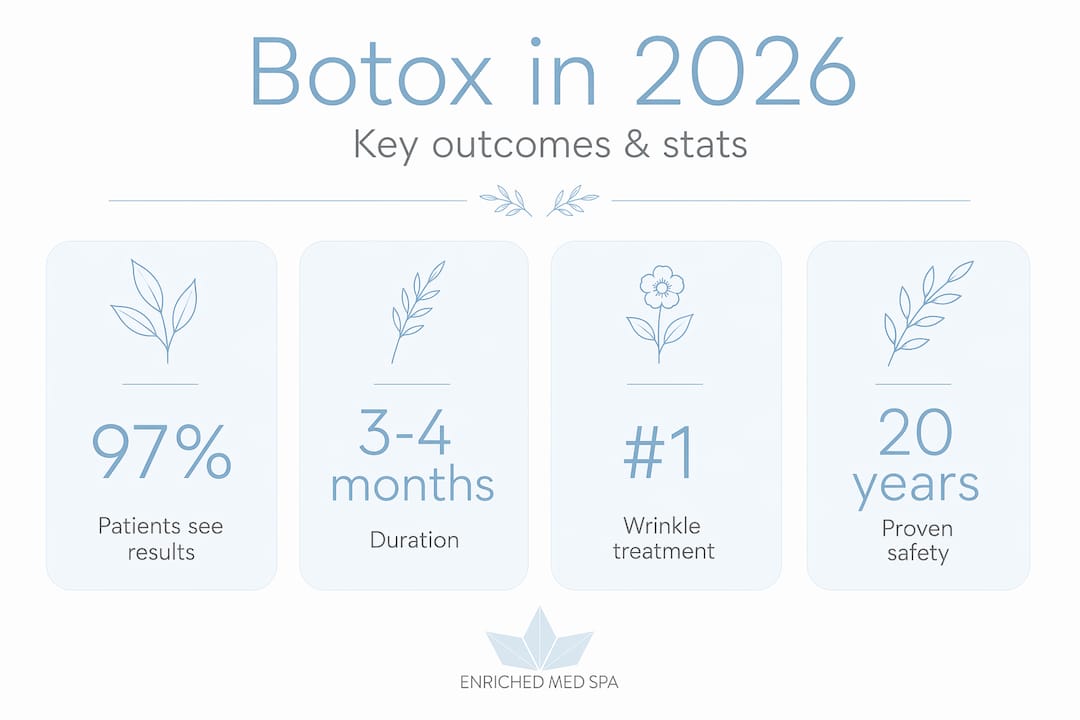
| Clinically proven efficacy | Studies show 97% of patients see measurable wrinkle improvement within one month of treatment. |
| Strong safety profile | Side effects are typically minor and short-lived; serious complications are rare with a skilled injector. |
| Natural results are achievable | Modern micro-dosing approaches preserve facial expression while visibly softening lines. |
| Skincare complements Botox | Botox relaxes muscles but does not improve skin quality; a good skincare routine works alongside it. |
| Consultation quality matters | A thorough, personalised consultation is the foundation of safe and satisfying results. |
How Botox works in aesthetic wrinkle treatment
To understand what Botox can and cannot do, it helps to start with the mechanics. Botox is a purified form of botulinum toxin that temporarily blocks the nerve signals responsible for muscle contractions. When those muscles relax, the overlying skin stops being repeatedly creased, and the wrinkles they create soften considerably. This is the core principle behind its widespread use in botox for facial rejuvenation.
The distinction between dynamic and static wrinkles is worth knowing. Dynamic wrinkles form when you move your face: the frown lines between your brows, the crow’s feet at the corners of your eyes, and the horizontal lines across your forehead. Botox works best on these. Static wrinkles, which are visible even when your face is at rest, are caused more by skin laxity and volume loss, and Botox has less effect on them in isolation.
The clinical evidence supporting Botox for anti-aging is strong. A 2026 systematic review found that 97% of patients experienced a one-grade improvement in glabellar lines within one month of treatment, compared to just 20% in the placebo group. The same review reported an odds ratio of 21 for wrinkle improvement and 10 for patient satisfaction, both statistically significant. Those are not marginal numbers. They reflect a treatment that, when administered correctly, delivers consistent, measurable results.
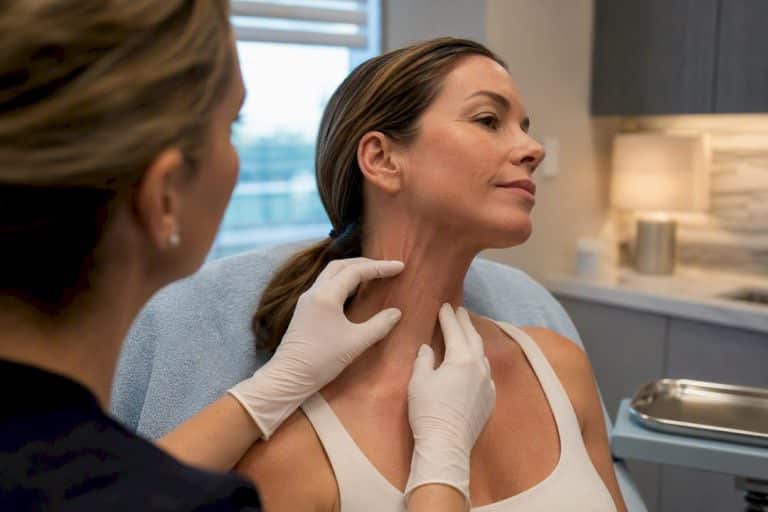
Most Botox effects last between three and four months, though repeated treatments may extend this duration in some patients over time. Popular treatment areas include the glabellar complex (the “11” lines), the forehead, and the periorbital region around the eyes. Less commonly treated areas include the lip lines, neck bands, and brow position.
| Treatment area | Primary concern | Typical duration |
|---|---|---|
| Glabellar lines (between brows) | Frown lines | 3 to 4 months |
| Forehead | Horizontal lines | 3 to 4 months |
| Crow’s feet | Periorbital wrinkles | 3 to 4 months |
| Brow lift | Brow ptosis | 2 to 3 months |
| Platysmal bands (neck) | Neck lines | 2 to 3 months |
Pro Tip: Book your follow-up appointment at the three-month mark rather than waiting until lines fully return. Treating at the right interval helps maintain results more consistently and may reduce the amount needed over time.
Safety considerations and what to expect
The benefits of Botox in beauty are well established, but it is just as important to understand the risk profile before committing to treatment. The reassuring news is that Botox has a favourable safety profile, with most side effects being minor, temporary, and manageable.
Here is what you should know going in:
- Common side effects: Mild bruising, swelling, and stinging at the injection site are the most frequently reported reactions. They typically resolve within a few days.
- Rare complications: Temporary muscle weakness near the injection site, slight facial asymmetry, and in very rare cases, eyelid drooping (ptosis). These resolve spontaneously as the toxin’s effects wear off.
- Contraindications: Botox is not appropriate for everyone. It is contraindicated in people with neuromuscular disorders such as myasthenia gravis, and in those with known allergies to botulinum toxin components. Pregnancy and breastfeeding are also contraindications.
- Injector skill matters significantly: Complications decline noticeably as injector experience increases. Working with a qualified medical professional who understands facial anatomy is one of the most important decisions you will make.
The quality of your provider shapes your outcome in ways that product alone cannot. A thorough pre-treatment assessment, clear communication about your goals, and proper technique all contribute to both safety and satisfaction. If you are exploring your options, reviewing common Botox side effects ahead of your consultation can help you ask better questions.
Pro Tip: Avoid blood-thinning supplements like fish oil, vitamin E, and aspirin for at least a week before your appointment. This simple step can noticeably reduce bruising at the injection site.
Baby Botox and the shift toward natural results
One of the most meaningful shifts in how Botox is used today is the move away from a heavily treated, frozen appearance toward results that preserve natural facial expressiveness. This is where the concept of “Baby Botox” comes in, and it has become particularly popular among clients in the 30 to 50 demographic.

Baby Botox and micro-dosing use smaller amounts of product distributed across more points on the face. The goal is not to eliminate all movement but to soften lines while keeping the face animated and authentic. Many clients describe wanting to look like a refreshed version of themselves rather than a different person entirely. That preference is now shaping how modern treatment protocols are designed.
This approach also aligns with a growing interest in preventive treatment. Some clients in their early 30s begin Botox not to address deep lines but to slow their formation. Used consistently and conservatively, Botox in non-surgical aesthetics can delay the point at which static wrinkles develop.
The contrast with older approaches is worth noting. Traditional Botox protocols sometimes prioritised maximum wrinkle reduction, which could lead to a flat or expressionless appearance. The contemporary philosophy treats facial movement as something to respect and calibrate around. The result feels less like a procedure and more like a form of maintenance.
There is also a shift in how consultations are structured. Rather than a quick appointment focused solely on product placement, process-driven consultations now typically involve a standardised evaluation of facial movement patterns and a longer-term plan that evolves with the client’s face over time.
What to expect before, during, and after treatment
Understanding treatment timelines and realistic outcomes helps you plan confidently and avoid disappointment. Here is a practical overview of what the Botox experience typically looks like.
-
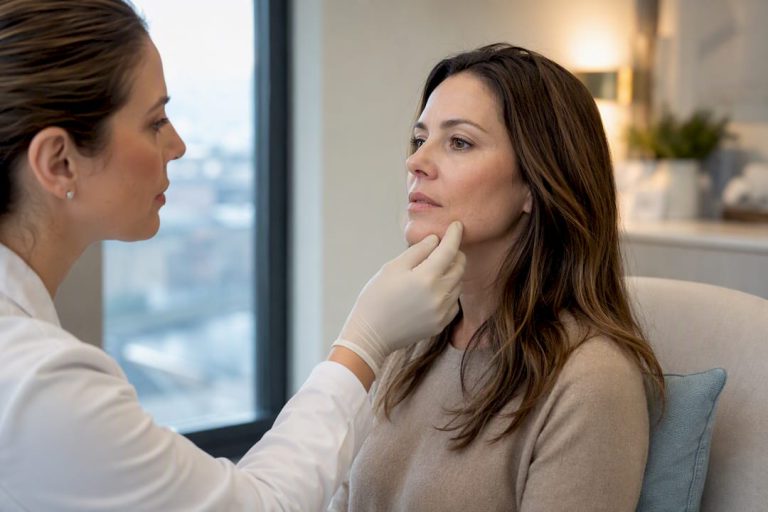
Initial consultation: This is where your treatment plan is built. Your injector will assess your facial anatomy, discuss your goals, and identify the areas that will respond best to treatment. It is also the right time to disclose any medications, health conditions, or allergies. Coming prepared with questions makes a real difference, and asking the right things during your consultation can help you choose the right provider and set realistic expectations.
-
The treatment itself: Most appointments take between 15 and 30 minutes. A fine needle is used to deliver small amounts of product into targeted muscles. Discomfort is minimal for most people. You can return to most daily activities immediately after.
-
The first two weeks: Results begin appearing within three to five days as muscles gradually relax. Full effect is typically visible by day fourteen. Avoid strenuous exercise, heat exposure, and lying flat for the first four hours after treatment.
-
Maintenance: Most clients return every three to four months. With consistent treatment, some find that effects last longer over time. Preparing carefully for each session also contributes to better outcomes, and tips for your Botox session can help you get the most from each appointment.
-
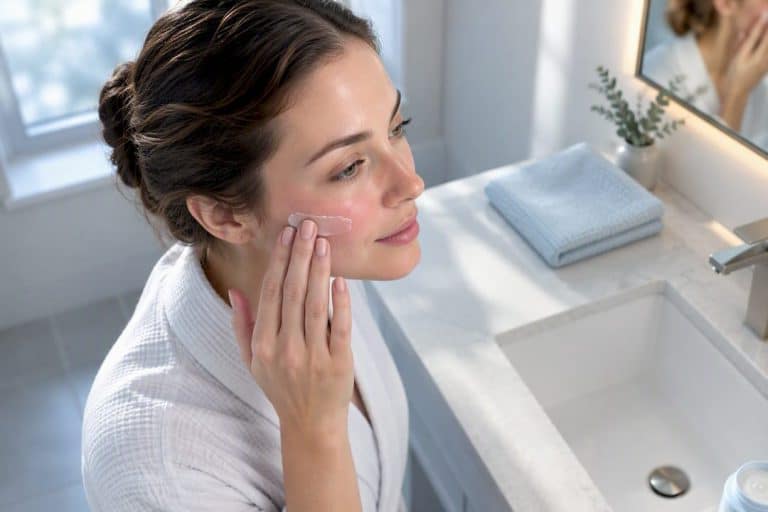
Integrating skincare: Botox improves appearance by relaxing the muscles that cause wrinkles, but it does not improve skin quality itself. A consistent skincare regimen with SPF, retinoids, and hydration works alongside Botox to address the full picture of skin ageing. Treating both together produces noticeably better long-term outcomes than either approach alone.
It is also worth knowing that repeated Botox use can induce subtle changes in muscle architecture and nerve signalling over time. This is not a reason to avoid treatment, but it does support working with a provider who tracks your response across sessions and adjusts dosing thoughtfully.
My perspective on Botox for clients in their 30s and 40s
I have had the opportunity to observe how clients’ relationships with Botox evolve over time, and the pattern is consistent. The people who are happiest with their results are not the ones who asked for the most. They are the ones who came in with clear goals, trusted their provider’s guidance, and committed to a longer-term plan rather than a one-off fix.
The misconception I encounter most often is that Botox is all or nothing. Some clients worry that starting means committing to a frozen face forever, or that stopping will somehow make things worse. Neither is true. Effects wear off. You can step back at any point. What Botox offers is a period of reduced muscle activity that, when used strategically, can genuinely slow the progression of lines over years.
I also think the skincare conversation is undervalued. Botox handles muscle-driven wrinkles well. But the texture, tone, and overall quality of your skin depends on what you do every morning and night. The clients who pair consistent injectables with medical-grade skincare age in a noticeably different way than those who treat Botox as a standalone solution.
The final thing I would say is this: if you are hesitant, a good consultation will answer most of your questions without any obligation. Understanding what you are considering is always worth the conversation.
— Felix
Why professional guidance makes all the difference
At Enrichedmedspa, we work with clients across Woodbridge and East Gwillimbury who are at every stage of their aesthetic journey. Some are considering Botox for the first time. Others have been receiving treatments for years and want a more personalised, thoughtfully planned approach. What we offer is not just the treatment itself but the clinical context that makes it safe, effective, and worth your investment.
Our team integrates Botox cosmetic injections with complementary options such as dermal fillers, microneedling, and medical-grade skincare to build a plan that addresses your skin holistically. If you are curious about how dermal fillers might work alongside Botox for volume and contour, exploring the benefits of dermal filler treatments is a useful next step. We also encourage every client to learn about the value of seeing a medical aesthetician before committing to any treatment plan.
FAQ
How long does Botox last for wrinkle treatment?
Most patients see results for three to four months, though repeated treatments may extend the duration over time for some individuals.
Is Botox safe for people in their 30s and 40s?
Yes. Botox has a well-established safety profile for this age group when administered by a qualified medical professional following a thorough assessment.
What is Baby Botox and is it right for me?
Baby Botox uses smaller doses distributed across more points to soften lines while preserving natural expression. It is particularly popular among clients in the 30 to 50 age range who want subtle, natural-looking results.
Does Botox replace a good skincare routine?
No. Botox relaxes the muscles that cause wrinkles but does not improve skin quality itself. Pairing it with a consistent skincare regimen produces the best long-term outcomes.
How do I choose the right Botox provider?
Look for a licensed medical professional with demonstrable experience in facial anatomy and injectable techniques. A thorough consultation that includes a structured facial assessment is a strong indicator of quality care.
Recommended
- How Botox works for natural anti-aging results
- Botox’s Journey: From Toxin to Beauty Treatment – Botox Laser Hair Removal OxyGeneo Medi Facial Microneedling – Enriched Med Spa – Vaughan Woodbridge Maple Vellore Village
- Unlocking the Power of Botox: A Comprehensive Guide for the Contemporary Canadian – Botox Laser Hair Removal OxyGeneo Medi Facial Microneedling – Enriched Med Spa – Vaughan Woodbridge Maple Vellore Village
- The Evolution of Botox Over the Decades – Botox Laser Hair Removal OxyGeneo Medi Facial Microneedling – Enriched Med Spa – Vaughan Woodbridge Maple Vellore Village