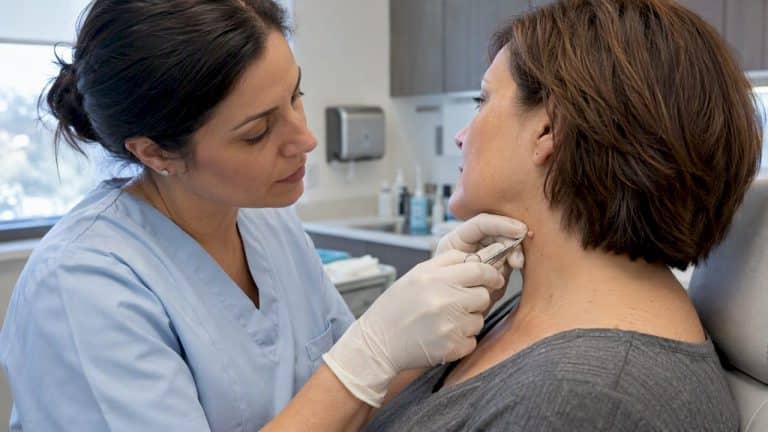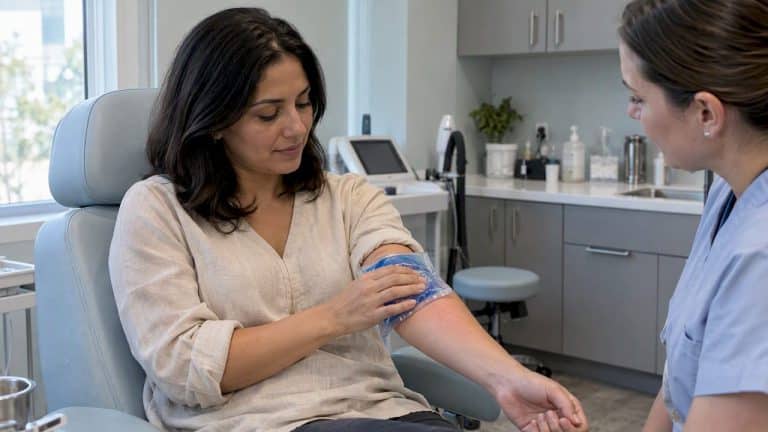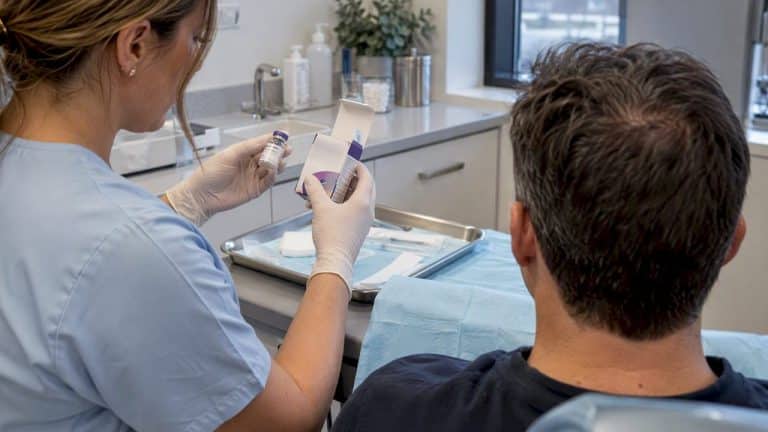

Dermal fillers are injectable substances, most commonly hyaluronic acid (HA), used to restore volume, smooth lines, and enhance facial contours without surgery. This step by step dermal filler guide covers every stage of the process, from your first consultation through to long-term maintenance, so you can approach treatment with clarity and confidence. Whether you are considering lip augmentation with a product like Restylane Kysse, cheek volumising with Juvederm, or subtle refinement with Teosyal, understanding each procedural step helps you make informed decisions and get results that look natural. We have written this guide specifically for individuals aged 25 to 55 who want honest, detailed information before committing to treatment.
What does a step by step dermal filler guide cover before your appointment?
Preparation is where safe, satisfying filler results begin. Choosing a qualified, licensed practitioner is the single most important decision you will make. In Ontario, dermal filler injections must be performed or supervised by a regulated health professional, such as a registered nurse, nurse practitioner, or physician. Credentials matter because injection depth and technique must respect individualised anatomy to achieve natural results and minimise risks.
Your first appointment will typically include a thorough medical history review. Your practitioner will ask about blood thinners, supplements like fish oil and vitamin E, autoimmune conditions, previous filler treatments, and any history of cold sores if lip work is planned. You will also sign an informed consent form that outlines the procedure, realistic outcomes, and potential side effects. Reading this carefully is not a formality. It is part of your preparation.
Setting realistic aesthetic goals is equally important. Many clients come in wanting to look refreshed rather than dramatically different, and a good practitioner will honour that. Discussing reference photos and describing your goals in plain language helps align expectations before a single needle is picked up. If you are scheduling your first dermal filler, a detailed pre-appointment checklist can make the process feel much less daunting.
Before your appointment, follow these pre-treatment instructions:
- Stop taking aspirin, ibuprofen, and blood-thinning supplements at least one week prior, unless medically required
- Avoid alcohol for 24 to 48 hours before treatment to reduce bruising risk
- Stay well hydrated in the days leading up to your appointment
- Arrive with a clean face, free of makeup
- Inform your practitioner of any dental work, vaccinations, or illness in the two weeks prior
Pro Tip: Topical numbing cream is typically applied 20 to 30 minutes before injection. Many HA fillers also contain lidocaine, which further reduces discomfort during the procedure itself.
How do injection techniques and filler types affect your results?
The dermal filler application tutorial your practitioner follows is not one-size-fits-all. Different facial areas, treatment goals, and patient anatomies call for different products, injection depths, and delivery methods. Understanding these variables helps you have a more productive conversation with your injector.
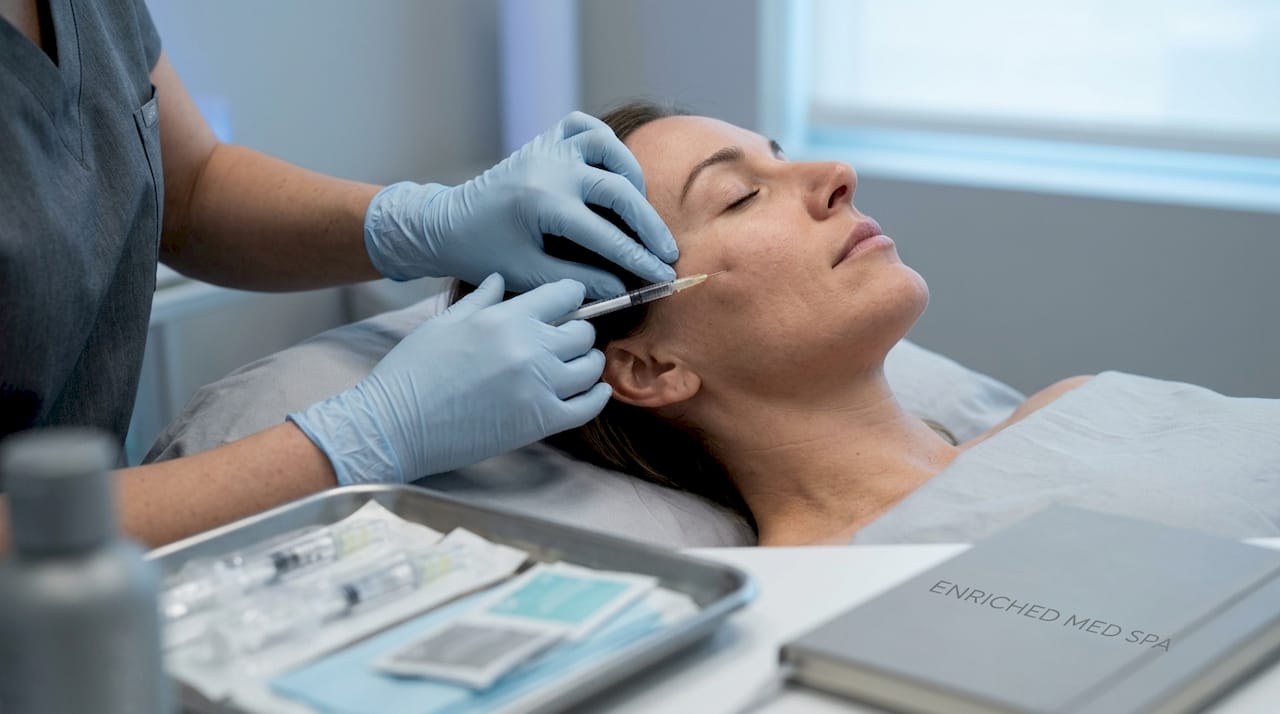
Filler materials vary by formulation and purpose. Hyaluronic acid fillers, including Juvederm and Teosyal, are the most widely used because they are reversible with hyaluronidase and integrate naturally with tissue. Calcium hydroxylapatite and poly-L-lactic acid are used for deeper structural support but are not reversible in the same way. For most first-time clients, HA fillers are the recommended starting point.
Injection methods differ by technique and tool:
| Technique | Tool | Best used for |
|---|---|---|
| Linear threading | Needle or cannula | Lip borders, nasolabial folds |
| Bolus | Needle | Cheek projection, chin definition |
| Fanning | Cannula | Broad areas like cheeks, temples |
| Serial puncture | Needle | Fine lines, tear troughs |
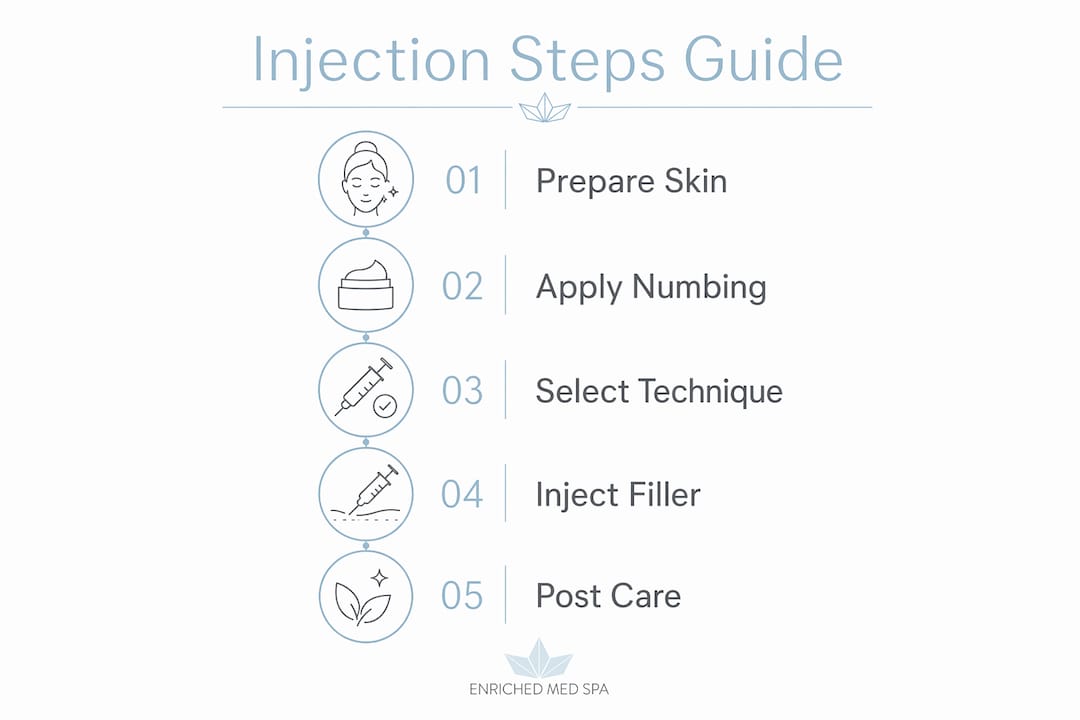
Cannula use reduces bruising and is considered safer for volume enhancement in delicate areas like the lips, because it is less likely to pierce a vessel. Needle techniques offer more precision for defined borders and targeted placement.
Injection depth is equally critical. Safe injection planes must be adapted per anatomical region to avoid complications. The lips, for example, require careful attention to the labial arteries, while the midface involves navigating fat pads and fascial layers. Injecting too superficially can cause visible lumps; injecting too deeply in high-risk zones risks vascular injury.
For lip treatments, session splitting and conservative dosing improve patient satisfaction and safety, particularly for first-time clients. A typical dosage guide for Restylane Kysse looks like this: 0.5 to 1 mL for subtle enhancement, 1 to 1.5 mL for moderate augmentation, and up to 2 mL for significant volume, split across sessions. Starting conservatively and building gradually produces more natural, manageable results.
Pro Tip: Ask your practitioner whether they plan to use a needle or cannula for your specific treatment area, and why. A confident, experienced injector will explain their reasoning clearly.
What are the risks, side effects, and post-injection care steps?
Understanding what to expect after treatment is a core part of any guide to dermal filler techniques. Most side effects are mild and resolve within days. Serious complications are rare but require immediate attention.
Normal reactions include swelling, redness, tenderness, and bruising at the injection site. Lip treatments tend to produce more noticeable swelling than cheek or jawline work. Expect peak swelling within 24 to 48 hours, with most visible effects settling by day 7 to 14.
The most serious complication is vascular occlusion, which occurs when filler blocks or compresses a blood vessel. Vascular occlusion after dermal fillers occurs by embolisation or compression, and retrograde migration to ophthalmic branches can cause severe outcomes including vision loss. This is why practitioner skill and anatomical knowledge are non-negotiable.
“Early ischemic signs include disproportionate pain and colour changes. Rapid recognition and treatment are crucial for outcome.” — Vascular occlusion management review
If you experience sudden, severe pain, white or grey skin discolouration, or any visual disturbance after injection, seek emergency medical attention immediately. Do not wait to see if it resolves on its own. When caught early, prompt treatment with hyaluronidase within 4 to 6 hours reverses ischemia in up to 80% of cases. This is why having treatment at a clinic equipped to manage complications matters.
For standard post-treatment care, follow these steps:
- Apply a cold compress gently to reduce swelling, but avoid direct pressure on treated areas
- Sleep with your head slightly elevated for the first night
- Avoid strenuous exercise, saunas, and hot showers for 24 to 48 hours
- Do not massage or manipulate the treated area unless instructed to do so
- Avoid alcohol and blood-thinning medications for 24 hours post-treatment
- Stay out of direct sun and avoid tanning beds for at least two weeks
Detailed dermal filler recovery tips can help you plan your schedule around treatment so you are not caught off guard by temporary swelling or bruising.
How do you maintain and prolong your dermal filler results?
Filler results are not permanent, but they are not fleeting either. How long your results last depends on the product used, the treatment area, your metabolism, and how well you care for your skin between appointments.
Research on HA fillers shows that volume maintenance varies by region: midface retains approximately 79% of volume at 12 weeks, while lips retain only about 37% over the same period. This means lip filler typically requires more frequent touch-ups than cheek or midface treatment. Understanding this helps you plan your maintenance schedule and budget realistically.
Here is a practical approach to prolonging your results:
- Protect your skin from UV exposure. Sun damage accelerates collagen breakdown and speeds up filler metabolism. Use a broad-spectrum SPF 30 or higher daily, even in winter.
- Maintain a consistent skincare routine. Products containing hyaluronic acid, peptides, and antioxidants support skin hydration and structure, which complements your filler results. A hyaluronic acid capsule serum used daily can help maintain surface hydration between appointments.
- Avoid repetitive trauma to treated areas. Aggressive facial massage, certain sports, and even sleeping face-down can shift or break down filler over time.
- Schedule a follow-up evaluation at 2 to 4 weeks post-treatment. This allows your practitioner to assess settling, address any asymmetry, and plan your next session if needed.
- Consider periodic touch-up appointments. Most clients return every 6 to 18 months depending on the area treated. Lips typically need attention sooner; the midface and jawline hold longer.
Lifestyle factors also play a role. High-intensity exercise, smoking, and significant weight fluctuations all affect how quickly your body metabolises filler. Staying hydrated and avoiding chronic stress supports skin health broadly, which in turn supports your results. For more detail on maintaining skin after fillers, a structured skincare plan makes a measurable difference.
Key takeaways
Safe, satisfying dermal filler results depend on choosing a qualified practitioner, understanding injection technique, recognising complication signs early, and committing to consistent aftercare and maintenance.
| Point | Details |
|---|---|
| Preparation determines outcomes | Review medical history, set realistic goals, and follow pre-treatment instructions before your appointment. |
| Technique and product choice matter | Injection depth, filler type, and needle vs. cannula selection must match your anatomy and treatment goals. |
| Know the warning signs | Sudden severe pain or skin colour change after injection requires immediate emergency care. |
| Lips need more frequent touch-ups | HA filler volume in the lips drops to approximately 37% by 12 weeks, compared to 79% in the midface. |
| Maintenance extends your results | Daily SPF, hydrating skincare, and scheduled follow-ups significantly prolong filler longevity. |
What I have learned from years of watching clients navigate filler decisions
After working alongside clients at every stage of their aesthetic journey, the pattern I see most often is this: the clients who are happiest with their results are the ones who came in informed, not just enthusiastic. They asked good questions, they understood the process, and they had realistic expectations going in.
The biggest misconception I encounter is that more filler equals better results. It rarely does. Conservative, anatomically-informed treatment almost always produces a more natural, flattering outcome than aggressive volumising. The goal is to enhance what is already there, not to replace it with something new.
I also want to be direct about practitioner selection. The qualifications, training, and clinical environment of your injector matter far more than the price point or the aesthetic of the clinic’s Instagram page. Complications like vascular occlusion are rare, but when they occur, you want to be in the hands of someone who can recognise and manage them immediately. Quantifying risk helps patients make genuinely informed decisions, and that is a conversation every good practitioner should be willing to have with you.
Finally, the full dermal filler experience is not just about the injection itself. It is about the consultation, the follow-up, and the ongoing relationship with your provider. That continuity is what separates a good outcome from a great one.
— Felix
Explore dermal filler treatments at Enrichedmedspa
Enrichedmedspa offers professional dermal filler treatments at its clinics in Woodbridge and East Gwillimbury, Ontario, using trusted products including Juvederm and Teosyal. Every treatment begins with a thorough consultation to assess your anatomy, discuss your goals, and build a personalised plan. If you are weighing your options, the team can also walk you through how fillers compare to Botox to help you choose the right approach. To learn more about what is available or to book a consultation, visit the dermal fillers page and take the first step toward results that feel like you.
FAQ
What are dermal fillers made of?
Most dermal fillers are made from hyaluronic acid, a substance naturally found in the body that attracts and retains moisture. HA fillers like Juvederm and Teosyal are the most common choice because they are reversible and integrate well with facial tissue.
How long do dermal filler results last?
Results vary by treatment area. Lip filler typically retains around 37% of its volume at 12 weeks, while midface filler holds approximately 79% over the same period. Most clients schedule touch-ups every 6 to 18 months depending on the area treated.
Is the dermal filler procedure painful?
Discomfort is generally mild. Most HA fillers contain lidocaine, and topical numbing cream is applied beforehand. Lip treatments tend to be more sensitive than cheek or jawline work, but the procedure is typically well-tolerated.
What should I watch for after a filler injection?
Normal side effects include swelling, redness, and bruising that resolve within one to two weeks. Seek emergency care immediately if you experience sudden severe pain, white or grey skin discolouration, or any visual changes, as these can indicate vascular occlusion.
Can dermal filler results be reversed?
Yes, hyaluronic acid fillers can be dissolved using hyaluronidase. When administered promptly within 4 to 6 hours of a vascular complication, hyaluronidase reverses ischemia in up to 80% of cases, making HA fillers the safest choice for first-time clients.
Recommended
- Essential dermal filler recovery tips for smooth results
- How to maintain skin after fillers: your guide
- Scheduling Your First Dermal Filler: A Detailed Step-by-Step Guide to Elevate Your Look – Botox Laser Hair Removal OxyGeneo Medi Facial Microneedling – Enriched Med Spa – Vaughan Woodbridge Maple Vellore Village
- The Dermal Filler Experience: From Consultation to Results – Botox Laser Hair Removal OxyGeneo Medi Facial Microneedling – Enriched Med Spa – Vaughan Woodbridge Maple Vellore Village