Skin health optimization is defined as the deliberate, evidence-based integration of daily skincare, clinical treatments, and lifestyle choices to maintain and improve skin quality over time. The industry term for this practice is “preventative aesthetic care,” and it is grounded in three clinically validated pillars: daily broad-spectrum SPF 30+, topical retinoids at night, and Vitamin C antioxidants in the morning. UV exposure accounts for 80% of visible skin aging, which means photoprotection is not optional. It is the single most impactful thing you can do for your skin, starting today.
What is skin health optimization explained in daily practice?
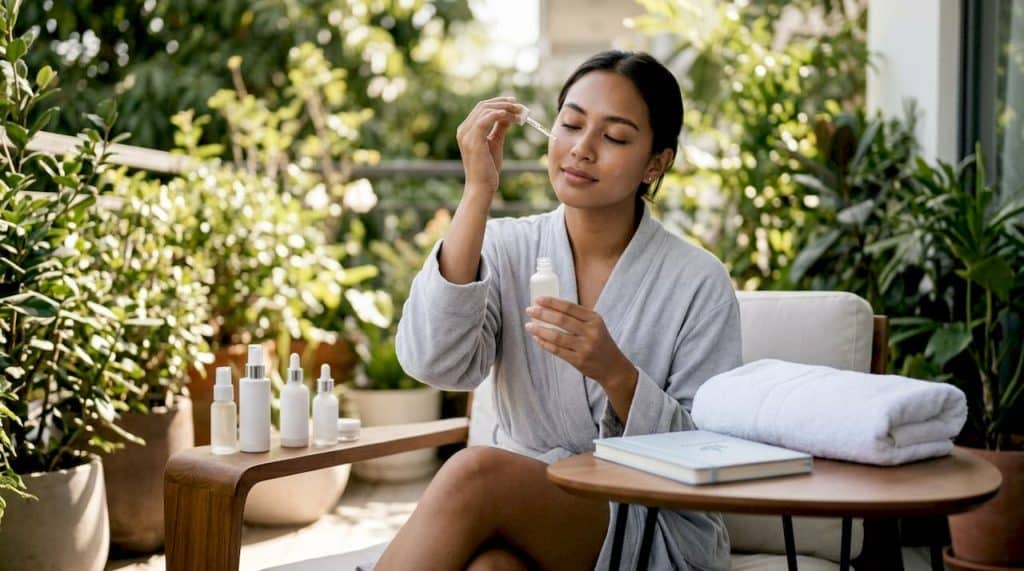
A well-structured daily routine is the foundation of any skin health plan. The principle is straightforward: apply products from lightest to heaviest formulation, and give each layer time to absorb before adding the next. Skipping this step is one of the most common mistakes people make, and it quietly undermines even the best products.
The correct morning sequence looks like this:
- Cleanser — removes overnight sebum and residue without stripping the barrier.
- Vitamin C serum — applied to clean, slightly damp skin; requires a pH below approximately 3.5 to remain stable and effective.
- Wait 1–2 minutes — this allows the active to absorb fully before you layer anything on top.
- Moisturiser — seals in hydration and buffers the skin before sun protection.
- Broad-spectrum SPF 30+ — always the final morning step; wait 2–3 minutes after application before applying makeup or going outside.
At night, the sequence shifts to cleanser, any treatment serums, and then retinol or retinoid, followed by a moisturiser or barrier cream.
One detail that surprises many people: applying Vitamin C over a moisturiser blocks its absorption entirely. The moisturiser creates a lipid film that prevents the water-soluble antioxidant from reaching the skin. Sequence matters more than product quality in this case.
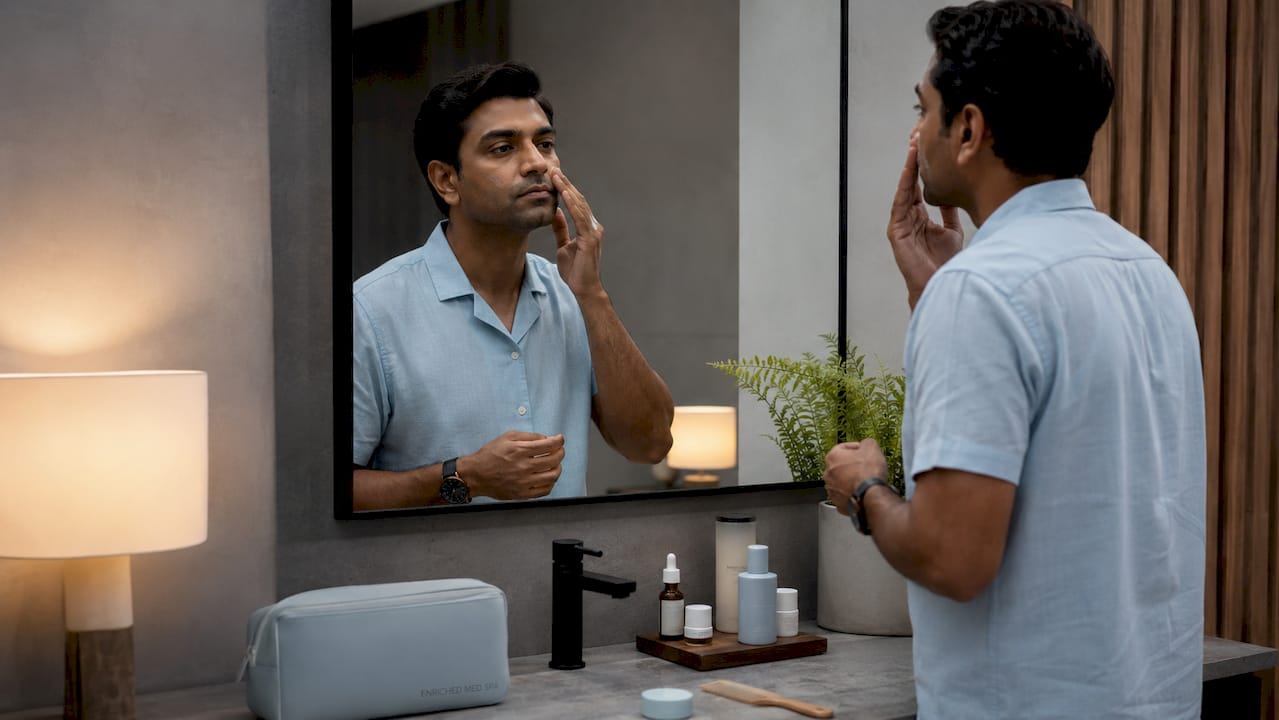
Ceramides, cholesterol, and peptides are the workhorses of barrier reinforcement. A moisturiser containing these ingredients does more than hydrate. It actively repairs the skin’s protective layer, which reduces sensitivity and improves how well your actives perform over time.
Pro Tip: Vitamin C combined with Vitamin E and ferulic acid delivers up to 400% greater photoprotection than antioxidants used alone. If you are only using a plain Vitamin C serum, you are leaving significant protection on the table.
Which ingredients and treatments improve skin quality most?
Retinoids are the gold standard for anti-aging. They stimulate collagen synthesis and cell turnover, reduce fine lines, and address pigmentation. No other topical ingredient class has the same depth of clinical evidence behind it. Start with a low-concentration retinol two nights per week, then build frequency as your skin adjusts.
Beyond retinoids, the most clinically supported supporting ingredients are:
- Niacinamide — strengthens the barrier, reduces redness, controls sebum, and fades post-inflammatory pigmentation.
- Hyaluronic acid — draws moisture into the skin; most effective when applied to damp skin and sealed with a moisturiser.
- Ceramides — restore the lipid matrix of the skin barrier, reducing transepidermal water loss.
- Peptides — signal the skin to produce more collagen; gentler than retinoids and suitable for sensitive skin types.
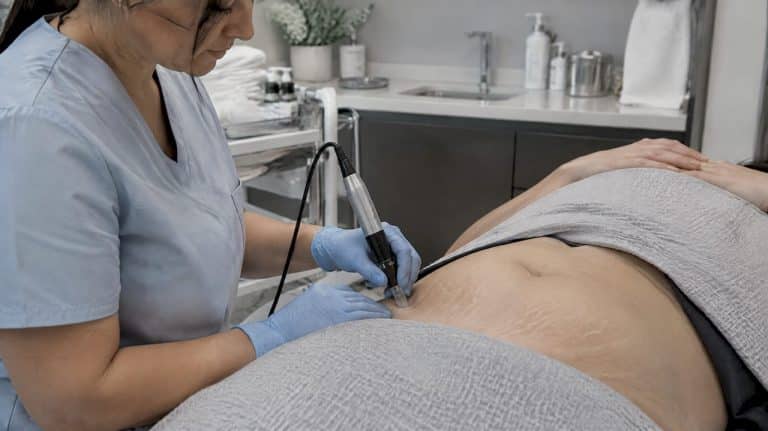
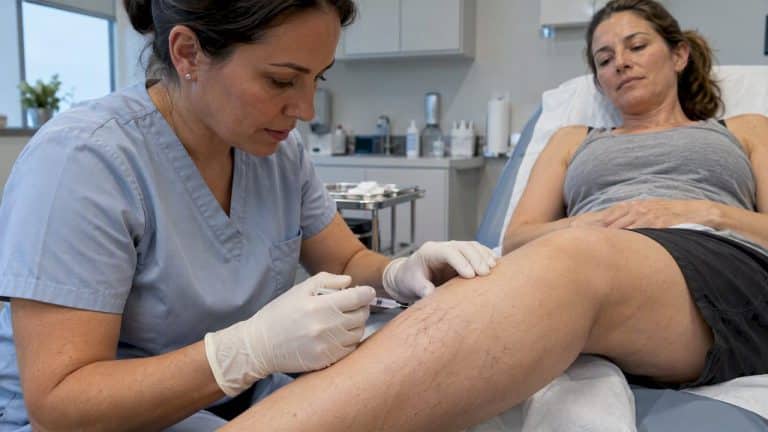
When home care reaches its ceiling, clinical treatments extend what is possible. Microneedling and platelet-rich plasma (PRP) therapy are among the most well-studied options. Both require a series of 3 sessions spaced 4–6 weeks apart to align with the skin’s natural collagen remodelling cycle. Results build gradually over three to six months after the final session.
| Treatment type | Primary mechanism | Typical series |
|---|---|---|
| Microneedling | Controlled micro-injury triggers collagen production | 3 sessions, 4–6 weeks apart |
| Chemical peels | Exfoliation accelerates cell turnover and pigmentation clearance | 3–6 sessions, 2–4 weeks apart |
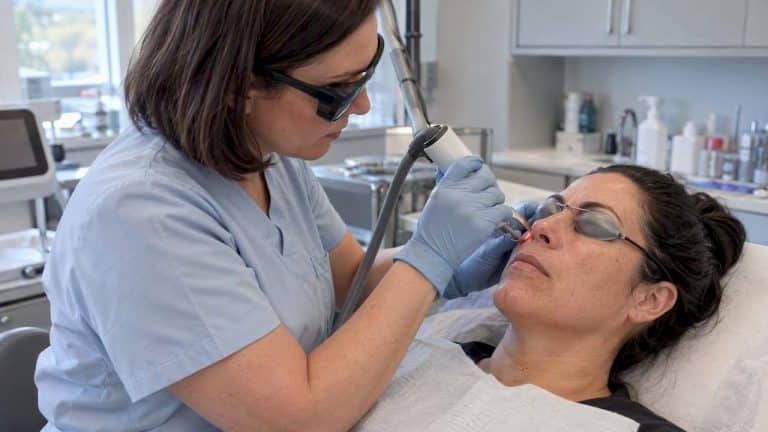
| Laser resurfacing | Thermal energy remodels collagen and resurfaces texture | 1–3 sessions, 4–8 weeks apart |
| Radiofrequency tightening | Heats the dermis to stimulate collagen and tighten lax skin | 3–4 sessions, 4–6 weeks apart |
One critical safety rule: avoid glycolic acid, salicylic acid, and retinoids on treatment days and for several days before and after any clinical procedure. These actives increase skin sensitivity and raise the risk of hyperpigmentation, particularly in deeper skin tones. Safe alternatives during procedural phases include ceramides, hyaluronic acid, niacinamide, and peptides.
Exosomes are an emerging adjunct to microneedling and laser treatments. They show early promise in regenerative skin therapy, but lack the long-term clinical trial evidence of established treatments. They are best considered an add-on after foundational therapies are in place, not a replacement for them.
Pro Tip: Improper layering order or insufficient wait times can reduce SPF effectiveness significantly. Rushing your morning routine is not a minor shortcut. It changes how your products actually perform on your skin.
How do lifestyle and environment affect your skin?
What you eat, how you sleep, and where you live all shape your skin’s condition. This is not a soft claim. The evidence connecting nutrition, hormones, and environment to skin quality is well established.
Key nutrients that support skin resilience include:
- Amino acids and dietary protein — provide the building blocks for collagen and elastin.
- Vitamin C — required for collagen synthesis; also functions as an antioxidant internally.
- Omega-3 fatty acids — reduce systemic inflammation and support the skin’s lipid barrier.
- Phytoestrogens — found in foods like soy and flaxseed; may help offset estrogen-related skin changes during perimenopause.
Hormonal shifts during perimenopause and menopause have a direct impact on skin structure. Women lose approximately 30% of skin collagen in the first five years of menopause. The skin becomes thinner, drier, and more prone to pigmentation. This is the stage where topical support needs to intensify, not stay the same.
Canadian winters create a specific challenge. Low ambient humidity from october through march causes transepidermal water loss, which compromises the barrier and accelerates dryness. The fix is practical: switch to occlusive creams and hydrating serums applied to damp skin during cold months. Face oils layered over your moisturiser add an extra seal against moisture loss.
Sleep and stress management are not optional extras. Cortisol, the primary stress hormone, breaks down collagen and impairs barrier repair. Consistently poor sleep shows up on the skin as dullness, increased sensitivity, and slower healing after treatments. Prioritising seven to nine hours of sleep is one of the most cost-effective skin care choices you can make.
For a practical starting point, the organic skincare routine checklist from Fundamental Skin offers a clear framework for building a routine that accounts for ingredient quality and daily consistency.
What are the best practices for long-term skin health?
Sustained skin health follows a four-phase approach. Each phase has a distinct goal, and skipping phases leads to inconsistent results.
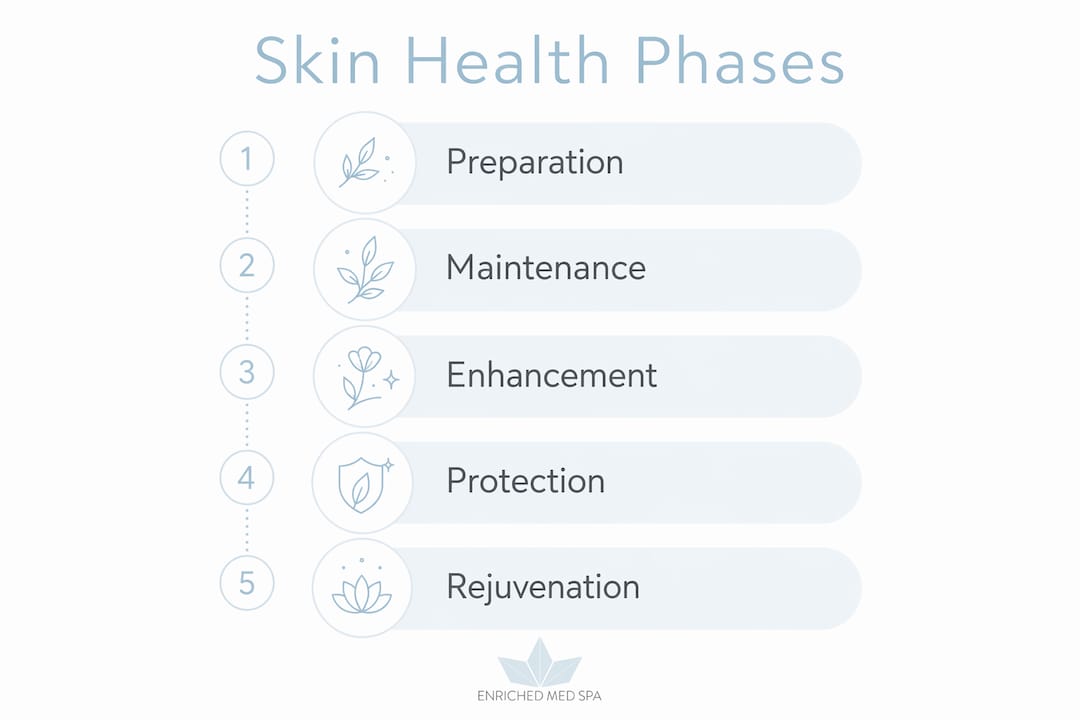
| Phase | Goal | Key actions |
|---|---|---|
| Preparation | Stabilise the barrier and address active concerns | Introduce ceramides, niacinamide, and SPF; pause irritating actives |
| Regeneration | Stimulate renewal and collagen production | Begin retinoids, schedule clinical treatments, support with nutrition |
| Optimisation | Target specific concerns with precision | Layer actives strategically, complete treatment series, reassess routine |
| Maintenance | Sustain results and prevent regression | Consistent SPF, periodic professional treatments, seasonal adjustments |
The most common reason people plateau is overuse of actives. Layering too many exfoliants, retinoids, and acids simultaneously does not accelerate results. It damages the barrier, causes chronic inflammation, and ultimately slows progress. Simplified, evidence-backed routines consistently outperform complex, product-heavy regimens.
Professional treatments should be scheduled in advance, not reactively. Many clients at Enrichedmedspa come in after noticing early signs of aging or persistent dullness that their home routine cannot address. Scheduling a microneedling series in the autumn, for example, allows full recovery and collagen maturation before the following summer. Timing your treatments around your lifestyle and the Canadian seasons makes a real difference to outcomes.
Photoprotection remains the foundation at every phase. SPF 30+ applied daily, regardless of weather or season, is the single intervention with the most consistent evidence behind it. Everything else builds on that base.
Pro Tip: Before adding a new active ingredient to your routine, pause for two weeks and assess your skin’s baseline. Many people attribute irritation to a new product when the real cause is cumulative overload from several products introduced too close together.
Key takeaways
Skin health optimization works because consistent photoprotection, evidence-based ingredient layering, and timed clinical treatments together address aging at every level of the skin.
| Point | Details |
|---|---|
| SPF is non-negotiable | UV exposure causes 80% of visible skin aging; daily SPF 30+ is the single most impactful habit. |
| Layer products in the right order | Apply from lightest to heaviest, and wait 1–2 minutes between actives to prevent neutralisation. |
| Retinoids lead anti-aging care | No other topical ingredient class has stronger clinical evidence for collagen synthesis and cell renewal. |
| Clinical treatments need a series | Microneedling and PRP require 3 sessions spaced 4–6 weeks apart to align with collagen remodelling. |
| Lifestyle shapes skin from within | Nutrition, sleep, stress, and seasonal climate all directly affect barrier integrity and skin quality. |
What I have learned from watching skin health trends shift
There is a meaningful change happening in how people approach their skin. When I look at what clients are asking for now compared with five years ago, the conversation has moved away from “fix this” and toward “help me maintain what I have and build on it.” That shift reflects a more mature understanding of how skin actually works.
The preventative aesthetic care model is not about doing more. It is about doing the right things consistently and early enough that you are reinforcing the skin rather than correcting damage. Growth factors, barrier support, and collagen stimulation are the tools of this approach. They work with the skin’s biology rather than against it.
What I find most telling is how often people arrive with a shelf full of products and skin that is more reactive than it was before they started. The instinct to add more is understandable, but the evidence points clearly in the other direction. A cleanser, a Vitamin C serum, a retinoid, a moisturiser, and SPF. That is a complete routine for most people. Everything beyond that is refinement, not foundation.
Patience is the hardest part to communicate. Retinoids take three to six months to show their full effect. A microneedling series takes six months to mature. People who understand this timeline stay consistent and see real results. People who expect faster change often abandon effective protocols too soon.
My honest advice: get a professional assessment before you build or change your routine. Not because you cannot figure it out on your own, but because a trained eye will identify what your skin actually needs rather than what the marketing says it needs. That one conversation saves months of trial and error.
— Felix
Skin treatments at Enrichedmedspa: where to start
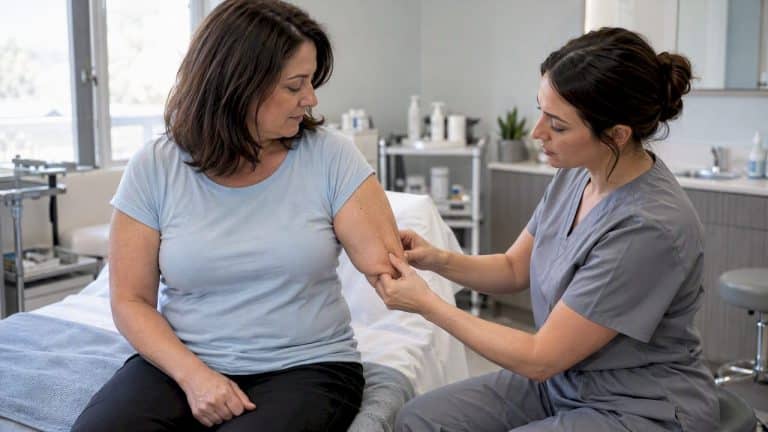
Enrichedmedspa serves clients in Woodbridge and East Gwillimbury, Ontario, with medical-grade skin treatments designed to complement and extend what your home routine can achieve. Whether you are considering microneedling, chemical peels, laser resurfacing, or radiofrequency skin tightening, each treatment is planned around your skin’s current condition and your long-term goals.
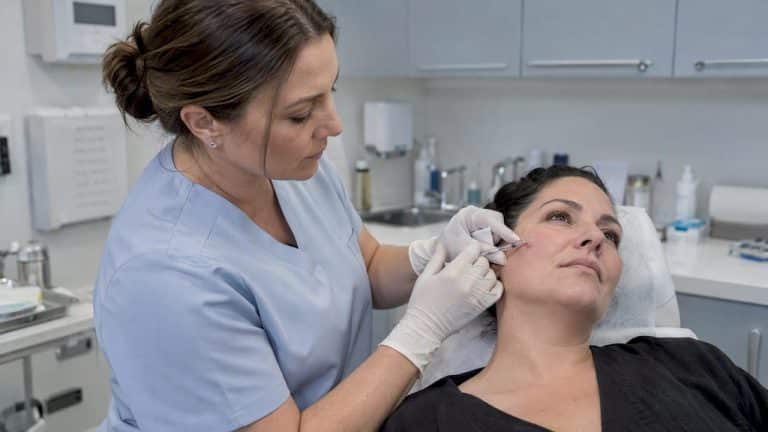
The clinic also offers cosmetic injectables including Botox, Nucieva, Xeomin, and dermal fillers such as Juvederm and Teosyal, for clients looking to address volume loss or dynamic lines alongside their skin health programme. If you are unsure where to begin, the skin treatment options guide covers the full range of services with clear explanations of what each treatment does and who it suits. Consultations at Enrichedmedspa follow current safety protocols and treat-to-target principles, so your plan is built on clinical evidence, not guesswork.
FAQ
What does skin health optimization mean?
Skin health optimization is the practice of combining daily skincare, clinical treatments, and lifestyle habits to maintain and improve skin quality over time. The three core pillars are daily SPF 30+, topical retinoids, and Vitamin C antioxidants.
How do I layer skincare products correctly?
Apply products from lightest to heaviest formulation. Wait 1–2 minutes after Vitamin C or retinol, and 2–3 minutes after sunscreen, to allow proper absorption and prevent actives from neutralising each other.
What ingredients should I avoid before a skin treatment?
Pause glycolic acid, salicylic acid, and retinoids on treatment days and for several days before and after any clinical procedure. Safe alternatives during this period include ceramides, hyaluronic acid, niacinamide, and peptides.
How many microneedling sessions do I need?
A standard microneedling series requires 3 sessions spaced 4–6 weeks apart. This schedule aligns with the skin’s collagen remodelling cycle, and full results typically appear three to six months after the final session.
How does the Canadian climate affect my skincare routine?
Canadian winters cause transepidermal water loss due to low ambient humidity. From october through march, switch to occlusive creams, add hydrating serums applied to damp skin, and consider a face oil as a final barrier layer to prevent moisture loss.