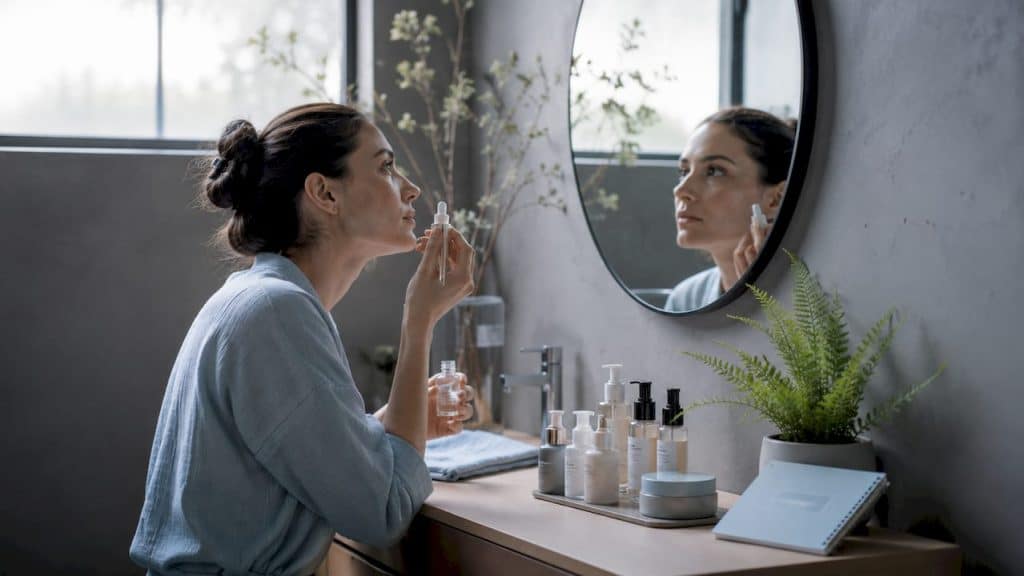
Personalized skin care is defined as a clinical approach that customizes products and routines to your unique skin type, barrier function, lifestyle, and environmental exposures. The goal is not simply to treat visible symptoms. It is to address the underlying conditions that drive those symptoms, whether that is a compromised skin barrier, chronic inflammation, hormonal fluctuation, or pigmentation irregularity. The Canadian Dermatology Association evaluates skin care products on a biennial cycle to confirm they meet standards for fragrance-free, non-irritating formulations, which reflects how seriously clinical skin health is taken in Canada. Understanding personalized skin care means recognizing that your skin is not static. It changes with age, season, stress, and health, and your routine must change with it.
What factors determine your personalized skin care needs?
A comprehensive skin diagnosis assesses skin type, barrier health, inflammation patterns, pigmentation, and lifestyle to create a plan that goes well beyond simple skin typing. This distinction matters. Knowing you have “combination skin” tells a clinician very little about why your T-zone is oily, whether your cheeks are dehydrated or truly dry, or what is driving the redness around your nose.
The factors that shape a personalized regimen fall into several clear categories:
- Skin type and condition. Oily, dry, combination, and sensitive are starting points, not conclusions. A full assessment also considers whether the skin barrier is intact, whether there is active inflammation, and whether conditions like rosacea, acne, or eczema are present.
- Barrier function. The skin barrier controls moisture retention and protects against environmental aggressors. When it is compromised, even well-intentioned products can cause irritation and imbalance.
- Lifestyle and hormonal factors. Diet, sleep quality, stress levels, and hormonal shifts all alter sebum production, collagen turnover, and inflammatory responses. A client going through perimenopause, for example, often needs a fundamentally different approach than they did five years prior.
- Environmental exposures. Pollution, UV index, humidity, and seasonal temperature swings all affect how your skin behaves. Clients in Ontario experience significant seasonal variation, which means a winter routine and a summer routine are rarely identical.
- Treatment history. Previous use of retinoids, chemical exfoliants, or in-clinic treatments shapes what your skin can currently tolerate and what it still needs.
Pro Tip: Before booking a product consultation, keep a two-week skin diary. Note how your skin feels in the morning versus the evening, after meals, and after stress. This pattern data is far more useful to a clinician than a single snapshot assessment.
Advances in skin diagnostics now include patterns of pigment behaviour and inflammation triggers, making personalization more precise and predictive than it was even five years ago.

How are personalized skin care products formulated and tailored?
The formulation process behind a truly tailored regimen is more rigorous than most people expect. It starts with clinical assessment and ends with ingredient selection matched to your skin’s specific repair and maintenance needs.
Here is how the process typically unfolds:
- Skin analysis. A trained clinician evaluates hydration levels, lipid content, sebum production, and sensitivity thresholds. Some clinics use diagnostic tools that measure transepidermal water loss, which is a direct indicator of barrier integrity.
- Active ingredient selection. Based on the analysis, actives are chosen for their specific mechanisms. Ceramides repair the lipid barrier. Antioxidants like vitamin C neutralize free radical damage. Anti-inflammatory agents calm reactive skin. Each ingredient earns its place in the formula.
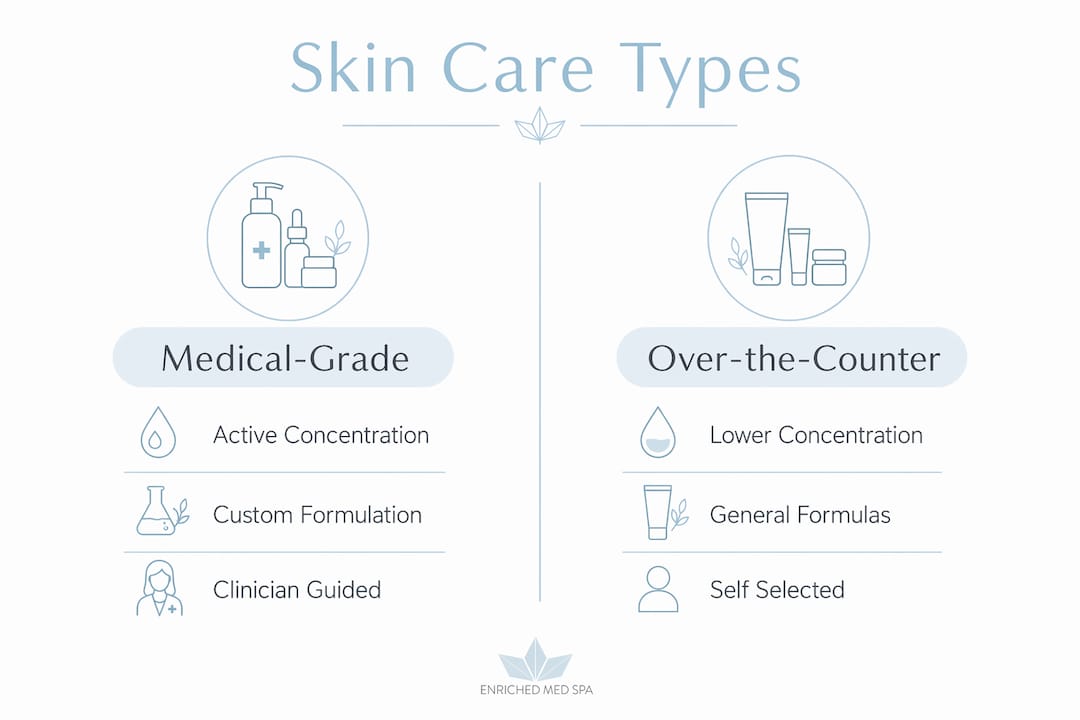
- Concentration calibration. Medical-grade skin care contains higher concentrations of active ingredients proven to alter skin structure and function, such as 10–20% vitamin C, compared to the 2–5% found in most retail products. That difference in concentration is the difference between a product that produces visible change and one that simply feels pleasant.
- Delivery mechanism. How an ingredient penetrates the skin matters as much as the ingredient itself. Medical-grade products penetrate deeper and support cellular renewal, unlike many over-the-counter options that focus on surface effects only.
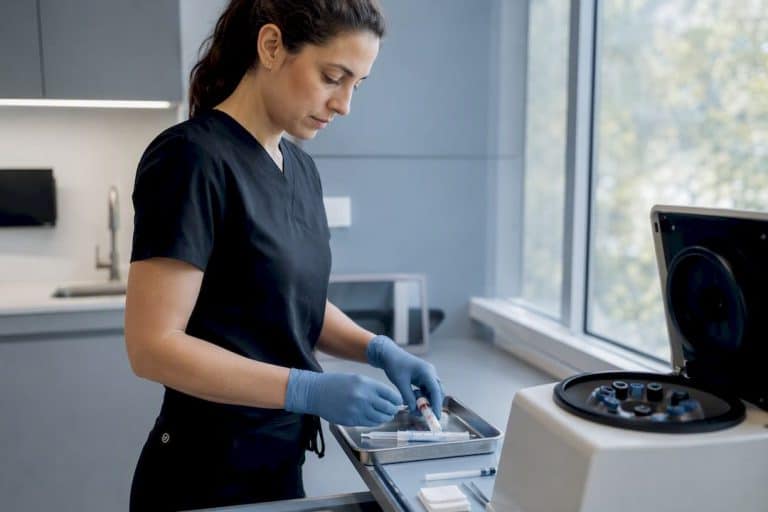
- Bespoke compounding. For truly personalized formulations, clinics can compound products on-demand to match your skin’s specific lipid composition and repair needs. This level of customization is not available with standard retail products.
| Feature | Medical-grade products | Over-the-counter products |
|---|---|---|
| Active ingredient concentration | Clinically effective (e.g., 10–20% vitamin C) | Lower concentration (e.g., 2–5% vitamin C) |
| Skin penetration depth | Deeper, supports cellular renewal | Primarily surface-level effects |
| Formulation standards | Fragrance-free, non-comedogenic, clinically tested | Variable; standards differ by brand |
| Availability | Through licensed clinics and practitioners | Retail pharmacies and beauty stores |
Pro Tip: Ask your clinician whether a product is formulated without emulsifiers, preservatives, fragrances, silicones, or mineral oils. Corneotherapy-aligned systems use skin-identical lipids to maintain barrier integrity rather than simply coating the skin’s surface.
Why personalized skin care matters for different concerns and goals
Generic products are formulated for the average skin. Your skin is not average. A tailored skin care regimen addresses specific conditions with targeted ingredients rather than broad-spectrum formulas that may help some concerns while aggravating others.
The benefits of a custom approach are clearest when managing chronic or recurring conditions:
- Rosacea and reactive skin. Fragrance-free, non-comedogenic formulations reduce the risk of flare-ups. A personalized plan avoids known triggers and focuses on barrier repair and anti-inflammatory actives.
- Acne-prone skin. Personalized care identifies whether the acne is driven by excess sebum, bacterial imbalance, hormonal fluctuation, or product-induced congestion. Each cause requires a different response.
- Anti-aging and collagen support. Targeted collagen stimulation through retinoids, peptides, and vitamin C works best when concentrations are matched to what your skin can currently tolerate. Starting too aggressively causes irritation and sets progress back.
- Pigmentation and uneven tone. Active ingredient synergy between brightening agents like niacinamide and broad-spectrum SPF produces more consistent results than either ingredient alone.
- Chronic dryness and sensitivity. Barrier-focused formulations with ceramides and skin-identical lipids restore moisture retention without relying on occlusive agents that can clog pores.
Consistent use of tailored products leads to improved texture, more consistent skin tone, reduced sensitivity, and long-term resilience. That outcome is not achievable with a one-size-fits-all approach, regardless of how premium the product claims to be.
The difference between long-term maintenance and short-term fixes is also worth understanding. A personalized regimen builds skin health progressively. You will not see dramatic results in two weeks. You will see meaningful, sustained improvement over three to six months, with your skin becoming more resilient and less reactive over time. That is the real value of personalized skincare over generic products.
How to build and adapt your personalized skin care routine
Building a tailored routine starts with an honest assessment of where your skin is right now, not where you want it to be. Many clients come in with routines that are well-intentioned but counterproductive. They are using too many actives at once, layering products in the wrong order, or applying formulas that were right for their skin two years ago but no longer match their current needs.
A structured approach makes the process manageable:
- Start with a professional skin assessment. A clinician evaluates your skin type, barrier health, and specific concerns before recommending any products. This step prevents the common mistake of self-diagnosing and purchasing products that worsen the problem.
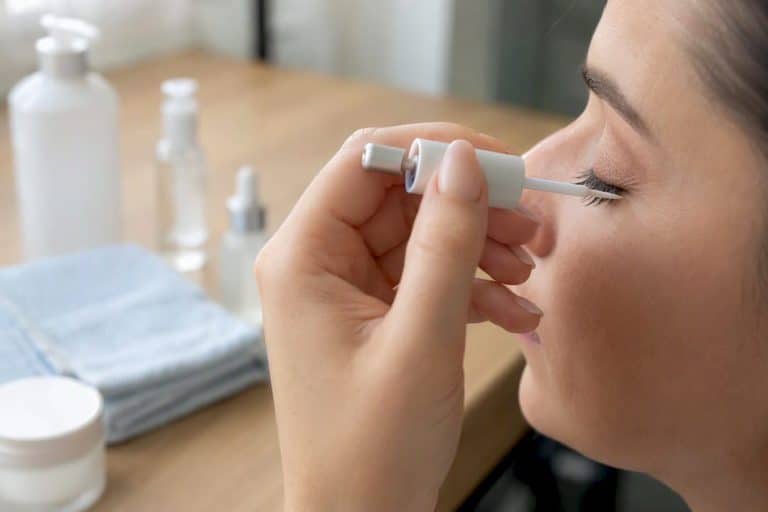
- Build the foundation first. Every effective routine rests on three pillars: a gentle cleanser suited to your skin type, a moisturiser that supports barrier function, and a broad-spectrum SPF applied every morning. These are non-negotiable regardless of your other concerns.
- Introduce actives one at a time. Add one new active ingredient every two to four weeks. This pacing lets you identify what is working and what is causing a reaction. Using products incorrectly can disrupt the skin barrier and cause more harm than good, making gradual introduction critical.
- Layer in the correct order. Apply products from thinnest to thickest consistency. Serums go before moisturisers. Oils go after. SPF is always the final step in your morning routine.
- Reassess every season. Skin behaviour shifts with temperature, humidity, and UV exposure. A routine that works well in july may need adjustment by october. Hormonal changes and ageing also require periodic reassessment.
Personalized skin care is a dynamic process that must adapt to changes like hormones, seasons, and lifestyle to avoid plateauing and new sensitivities. Treating your routine as fixed is one of the most common reasons people stop seeing results.
Pro Tip: When your skin suddenly becomes reactive to a product you have used for months, do not immediately blame the product. First check whether your routine has changed, whether you are under more stress, or whether the season has shifted. Skin reactivity is often a signal about your overall health, not just your topical routine.
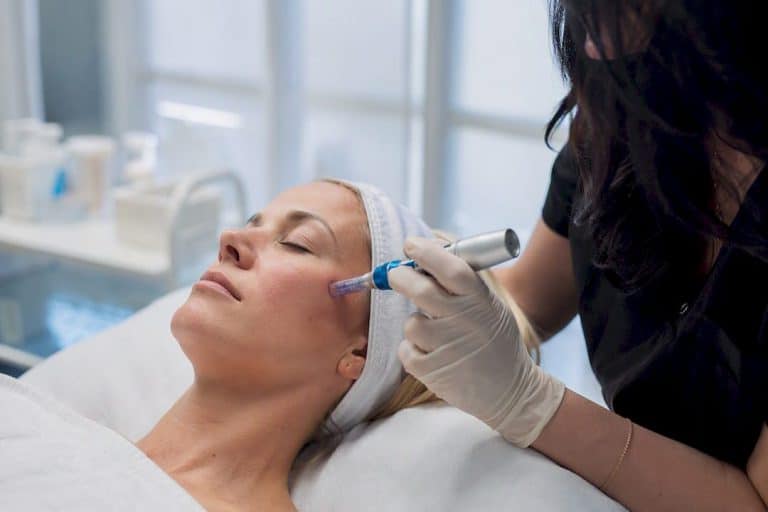
When professional treatments are added to a personalized regimen, the results compound. Microneedling, chemical peels, and laser resurfacing all work more effectively when the skin barrier is already healthy and well-maintained. Think of your at-home routine as preparing the skin to respond well to in-clinic treatments, and think of those treatments as accelerating what your routine is already building. You can explore skin health improvement tips to see how these two layers of care work together.
Key takeaways
Personalized skin care produces lasting results because it addresses your skin’s specific biology, not a generic average, through clinical assessment, targeted ingredients, and routines that evolve with your skin’s changing needs.
| Point | Details |
|---|---|
| Skin diagnosis is the starting point | A full assessment of barrier health, inflammation, and lifestyle must precede any product selection. |
| Medical-grade concentrations matter | Active ingredients at clinically effective levels produce structural change; retail concentrations often do not. |
| Routines must evolve | Hormones, seasons, and ageing require periodic reassessment to prevent plateaus and new sensitivities. |
| Gradual introduction prevents harm | Adding one active at a time protects the skin barrier and identifies what is working. |
| Professional treatments amplify results | In-clinic treatments like microneedling and peels work best when the skin barrier is already healthy. |
What I have learned from watching clients build better skin
The most common pattern I see is this: a client arrives with a bag full of products, a complicated routine, and skin that is not improving. They have done their research. They have spent real money. And yet their skin is more reactive, not less.
The problem is almost never the individual products. It is the absence of a diagnosis before the shopping. When you select products based on marketing claims rather than a clinical understanding of your own skin, you are guessing. And skin does not respond well to guessing.
The second pattern I see is impatience. Personalized skin care is not a quick fix. The clients who see the most meaningful results are the ones who commit to a plan for at least three months before evaluating it. Skin cell turnover takes roughly four weeks. Collagen remodelling takes longer. Expecting visible change in two weeks is not realistic, and abandoning a well-designed plan too early is one of the most common ways people undermine their own progress.
What I find genuinely encouraging is how much confidence improves alongside skin health. Clients who start with a clear, clinically grounded plan and stick with it consistently report not just better skin, but a better relationship with their skin. They stop chasing products and start understanding what their skin actually needs.
The best results I have seen come from blending clinical assessment with the client’s own experience of their skin, including comfort, reactivity, and symptom patterns. Treating both equally is what separates a truly personalized approach from a generic one. Dermatologists in Canada emphasize patient education and shared decision-making for exactly this reason. When you understand the rationale behind your routine, you follow it more consistently. And consistency is what produces results.
— Felix
Personalized skin care and advanced treatments at Enrichedmedspa
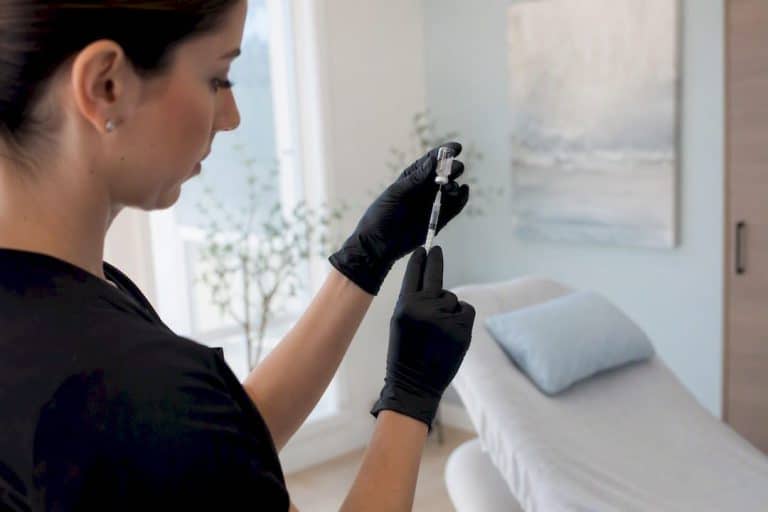
At Enrichedmedspa, we work with clients in Woodbridge and East Gwillimbury to build skin care plans grounded in clinical assessment, not guesswork. Our team evaluates your skin’s current condition, identifies the factors driving your concerns, and recommends medical-grade products and treatments matched to your specific needs. For clients whose goals go beyond topical care, we offer advanced options including microneedling, chemical peels, laser resurfacing, and cosmetic injectables that complement a well-designed at-home regimen. If you are ready to move beyond generic products and understand what your skin actually needs, explore your skin treatment options and book a consultation with our team.
FAQ
What is personalized skin care?
Personalized skin care is a clinical approach that customizes products and routines based on your unique skin type, barrier function, inflammation patterns, lifestyle, and environmental exposures. It differs from standard skin care by addressing the root causes of your skin concerns rather than applying generic formulas.
How does personalized skin care differ from a regular routine?
A regular routine applies the same products regardless of your skin’s specific condition. A personalized regimen uses clinical assessment to select ingredients at effective concentrations matched to your barrier health, sensitivity level, and active concerns.
How often should a personalized skin care routine be reassessed?
A personalized routine should be reassessed at least seasonally, and any time your skin’s behaviour changes significantly. Hormonal shifts, ageing, climate changes, and new health factors all affect how your skin responds to products.
Can personalized skin care help with chronic conditions like rosacea or acne?
Yes. Personalized care identifies the specific triggers and underlying drivers of conditions like rosacea and acne, then targets them with appropriate actives and fragrance-free, non-comedogenic formulations that reduce irritation rather than compound it.
When should I see a professional for personalized skin care advice?
Seek professional guidance before starting any new active ingredient, if your skin is reactive or worsening despite a consistent routine, or if you are considering in-clinic treatments like microneedling or chemical peels. A clinician can assess your skin’s current state and prevent costly mistakes.
Recommended
- Personalized med spa care: Your guide to better skin results
- Skin health improvement tips: your 2026 routine guide
- Why choose advanced skin treatments: a clear guide
- How to Choose the Right Facial for Your Skin Type | Personalized Skincare Tips – Botox Laser Hair Removal OxyGeneo Medi Facial Microneedling – Enriched Med Spa – Vaughan Woodbridge Maple Vellore Village