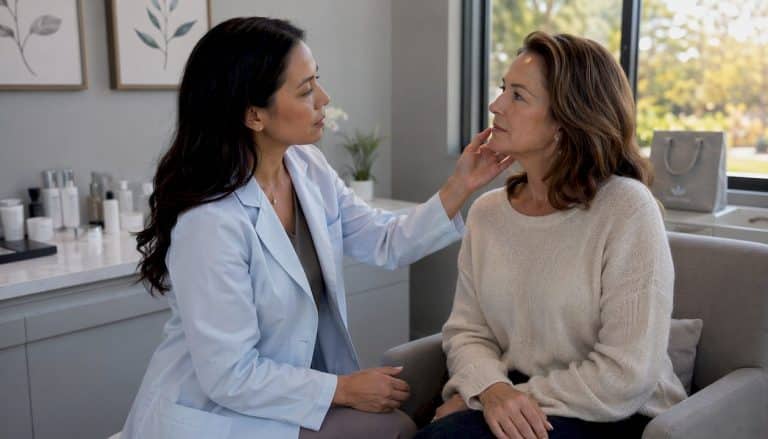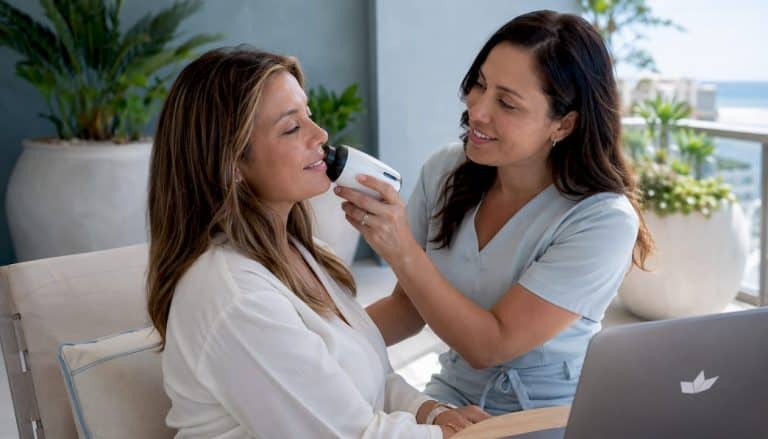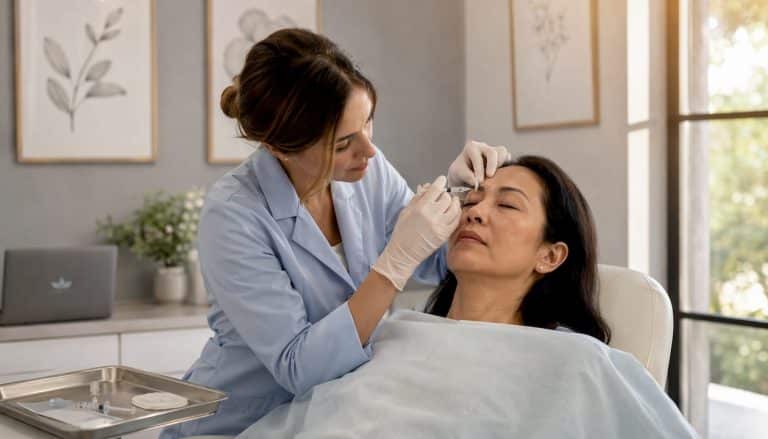

Aesthetics clinics are defined as medically supervised facilities that deliver cosmetic and skin health treatments under the governance of regulated healthcare professionals. Unlike retail spas or beauty salons, these clinics operate within provincial healthcare frameworks, where bodies like the College of Physicians and Surgeons of Ontario (CPSO) set strict standards for oversight, infection control, and professional conduct. The role of aesthetics clinics goes well beyond surface-level beauty services. They combine clinical expertise with evidence-based protocols to produce subtle, natural-looking improvements that support long-term skin health. Understanding what these clinics actually do, and how they are regulated, helps you make safer and more informed choices about your care.
What medical and cosmetic treatments do aesthetics clinics typically offer?
Aesthetics clinics offer a wide spectrum of treatments, ranging from lighter skin therapies to more advanced medical-grade interventions. The distinction matters because the depth of a treatment determines the level of clinical oversight required.
Common treatment categories include:
- Neuromodulators such as Botox, Nucieva, and Xeomin, which temporarily relax facial muscles to soften expression lines and prevent deeper wrinkle formation
- Dermal fillers such as Juvederm and Teosyal, which restore volume, define contours, and address areas like the lips, cheeks, and under-eye hollows
- Laser and energy-based therapies for skin resurfacing, pigmentation correction, and laser hair removal
- Radiofrequency skin tightening, which uses controlled heat energy to stimulate collagen and firm lax skin without surgery
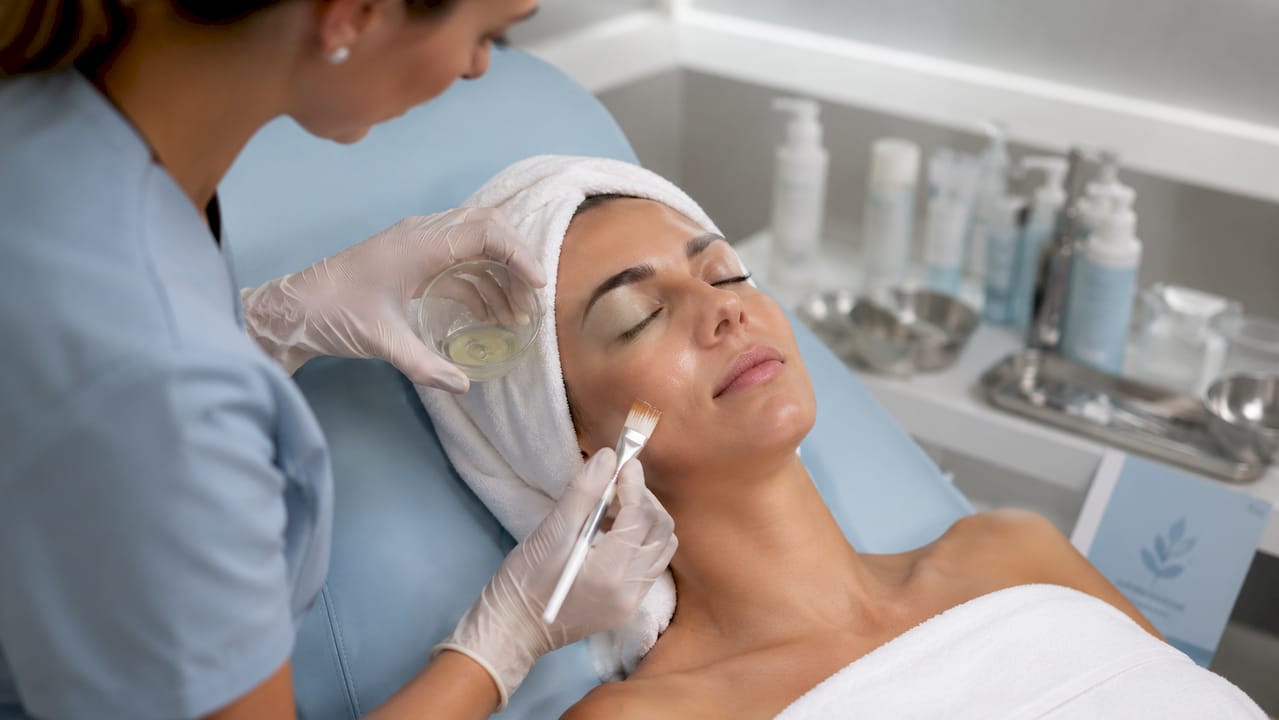
- Microneedling and chemical peels, which resurface the skin, improve texture, and support collagen production at a cellular level
- Medical-grade facials, which differ from spa facials by incorporating prescription-strength actives and clinical assessment
The gap between a spa facial and a medical-grade peel is significant. A spa facial hydrates and soothes. A clinical peel uses controlled acids at concentrations that require professional training to apply safely. Professional medical aesthetics aim to improve skin quality by stimulating natural processes like collagen production, not simply to create a temporary glow.
Pro Tip: When comparing treatment options, ask the clinic which category your chosen treatment falls into: cosmetic or medical-grade. This tells you immediately what level of oversight and aftercare you should expect.
How do aesthetics clinics ensure patient safety and professional governance?
Medical aesthetics clinics function as health-service facilities, governed by provincial colleges with strict infection control, professional oversight, and documentation standards. This is the clearest line between a regulated clinic and an unregulated beauty provider.
In Canada, there is no universal “aesthetic licence”. Competence is established through registration with professional healthcare colleges. That means a clinic’s safety record depends entirely on who is supervising treatments and whether that person holds active credentials with a recognised regulatory body.
Key governance standards in a properly run aesthetics clinic include:
- A licensed supervising physician or medical director who reviews treatment protocols
- Credential verification for all practitioners performing regulated medical acts
- Documented infection control procedures that meet provincial health standards
- Informed consent processes that explain risks, alternatives, and realistic outcomes
- Clear delegation rules that define which treatments a nurse or aesthetician may perform independently versus under physician supervision
Clinics without clear physician oversight often lack proper clinical governance, which increases patient risk and reduces treatment safety. This is not a minor concern. Injectables, lasers, and chemical agents all carry real risks when applied without anatomical knowledge or clinical training. Experienced medical professionals achieve more consistent outcomes with fewer complications, according to clinical research published in the Journal of Drugs in Dermatology.
What should you expect during consultations and treatment planning?
Consultations at aesthetics clinics focus on treatment planning rather than full diagnostic exams. The goal is to understand your skin concerns, review your health history, and build a personalised plan that fits your anatomy, lifestyle, and goals.
A well-structured consultation typically follows this sequence:
- Medical history review. You will be asked about current medications, allergies, and any past cosmetic treatments. Blood thinners, for example, increase bruising risk with injectables and may need to be paused beforehand.
- Skin and facial assessment. The practitioner evaluates your skin type, tone, texture, and facial structure. This informs which treatments are appropriate and which should be avoided.
- Goal-setting conversation. The best clinics ask what you want to improve, then set realistic expectations. Subtle rejuvenation is the standard aim, not dramatic change.
- Personalised treatment plan. Your plan accounts for your skin’s current condition, your timeline, and your budget. It may include a sequence of treatments rather than a single session.
- Informed consent. Before any treatment begins, you receive a clear explanation of the procedure, potential side effects, and aftercare requirements.
Pro Tip: Bring a full list of your medications to your first consultation, including over-the-counter supplements. Some common products, like fish oil and vitamin E, thin the blood and can affect your results.
Many clients arrive at their first consultation with a specific treatment in mind, often based on something they saw online. A good clinician will listen, then explain whether that treatment suits your anatomy. Understanding facial anatomy for injectables is part of what separates a safe provider from a risky one.
What are the benefits of regular aesthetic clinic treatments for skin health?
The benefits of aesthetics services compound over time. A single treatment produces results, but a consistent approach produces lasting improvements in skin quality and confidence.
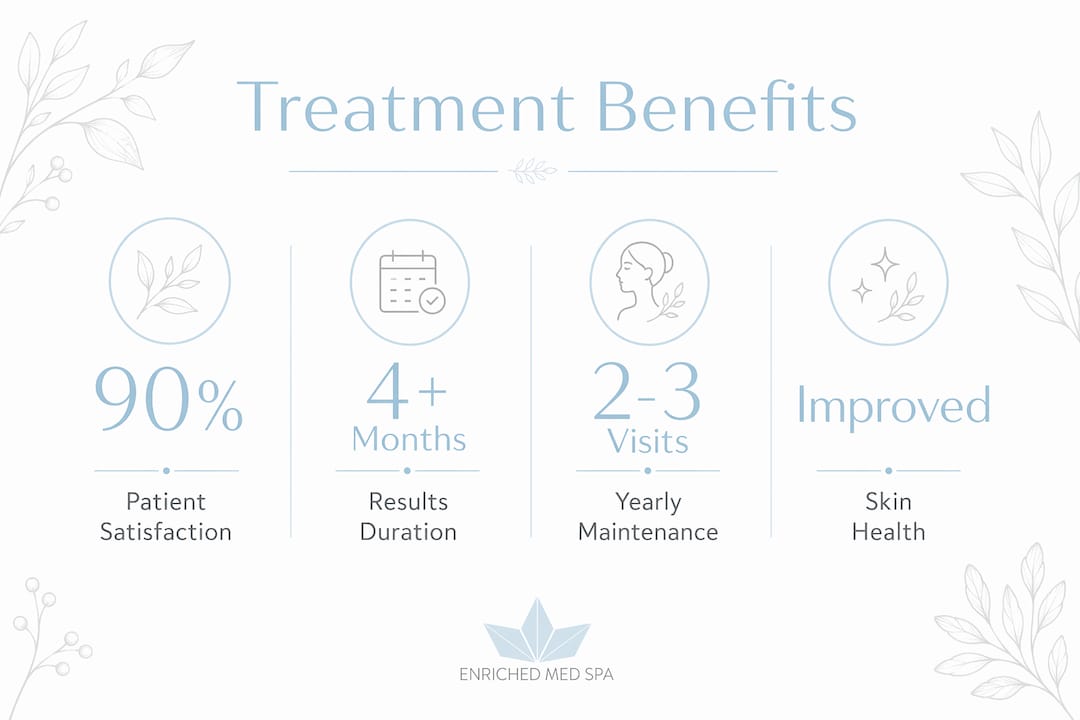
Neuromodulator treatments provide sustained benefits for over 4 months, with patient satisfaction increasing as effect duration extends, according to a meta-analysis of 621 patients in 2026 clinical trials. That finding reflects a broader truth: regular treatments train the skin and muscles to respond better over time.
Patients benefit most from 2–3 visits per year for aesthetic treatments to maintain subtle, consistent rejuvenation, with higher satisfaction than one-off interventions. This is the maintenance model that most experienced clinicians recommend.
| Treatment type | Primary benefit | Typical maintenance frequency |
|---|---|---|
| Neuromodulators (Botox, Xeomin) | Softens expression lines, prevents deepening | Every 3–4 months |
| Dermal fillers (Juvederm, Teosyal) | Restores volume and contour | Every 9–18 months |
| Microneedling | Stimulates collagen, improves texture | Every 4–6 weeks for a series |
| Chemical peels | Resurfaces skin, reduces pigmentation | Monthly or seasonally |
| Radiofrequency tightening | Firms lax skin, supports collagen | Every 1–3 months |
Beyond the physical results, the psychological benefits of professional aesthetic care are well documented. Clients who see consistent improvements in their skin report higher confidence and a more positive relationship with their appearance. The goal is never to look different. It is to look like a rested, healthy version of yourself.
Men are also increasingly seeking regular aesthetic treatments. Skin enhancement approaches for men, including neuromodulators and medical-grade peels, follow the same evidence-based protocols and deliver the same quality of results. Resources like the 2026 skin enhancement guide for men reflect how broadly this shift is happening across demographics.
Key takeaways
Aesthetics clinics are regulated medical environments that deliver the most consistent and safest cosmetic outcomes when led by credentialed physicians and supported by evidence-based treatment plans.
| Point | Details |
|---|---|
| Clinics are regulated healthcare facilities | Provincial bodies like CPSO govern standards for oversight, infection control, and documentation. |
| No universal aesthetic licence exists in Canada | Competence is verified through registration with professional healthcare colleges, not a single credential. |
| Consultations focus on planning, not diagnosis | Disclose all medications and set realistic goals before any treatment begins. |
| Maintenance beats one-off treatments | Two to three visits per year produce more consistent results and higher patient satisfaction. |
| Physician oversight is non-negotiable | Clinics without a supervising medical director carry higher risk for patients. |
Why the “medical” in medical aesthetics actually matters
People often ask me whether the clinical setting really makes a difference, or whether it is just a marketing label. After years of observing how treatments play out across different provider types, my answer is unambiguous: the clinical environment changes everything.
The most common misconception I encounter is that aesthetics clinics and beauty spas offer the same services at different price points. They do not. A spa can hydrate your skin and help you relax. A medical aesthetics clinic can stimulate collagen, correct pigmentation, and reshape facial contours using agents and devices that require genuine anatomical knowledge to apply safely. The difference is not cosmetic. It is clinical.
What I find most telling is how patients describe their experiences at unregulated providers versus physician-led clinics. At regulated clinics, the consultation itself builds trust. The practitioner explains what they are doing and why, sets realistic expectations, and follows up after treatment. That process is not a formality. It is the mechanism through which good outcomes are produced.
The other thing worth saying plainly: subtle results are the goal. Clients who come in wanting to look “done” often leave disappointed, not because the treatment failed, but because the best clinicians redirect them toward natural improvements. That redirection requires confidence and clinical authority. It is one of the clearest signs you are in the right hands.
— Felix
Aesthetic care at Enrichedmedspa: where clinical expertise meets personalised treatment
Enrichedmedspa serves clients in Woodbridge and East Gwillimbury, Ontario, with a full range of non-surgical aesthetic treatments delivered under physician-led oversight. The clinic’s approach centres on evidence-based protocols and personalised care, whether you are considering your first neuromodulator treatment or exploring skin treatment options for long-term skin health. For those curious about how anatomy shapes safe injectable outcomes, the clinic’s resource on facial anatomy for injectables is a strong starting point. A consultation with the Enrichedmedspa team gives you a clear, honest picture of what treatments suit your skin, your goals, and your timeline.
FAQ
What is the role of aesthetics clinics in Canada?
Aesthetics clinics in Canada function as regulated health-service facilities that deliver cosmetic and skin health treatments under provincial healthcare governance. They are distinct from retail spas because they operate under physician oversight and follow professional college standards.
Are aesthetics clinic treatments safe?
Treatments at properly governed clinics are safe when performed by credentialed practitioners under physician supervision. Clinical research confirms that experienced medical professionals achieve more consistent outcomes with fewer complications than unregulated providers.
How often should you visit an aesthetics clinic?
Most clients benefit from 2–3 visits per year for maintenance treatments. This frequency produces more consistent, natural-looking results than single, infrequent sessions.
What should you bring to your first aesthetics clinic consultation?
Bring a complete list of your medications, including over-the-counter supplements and vitamins. Some medications, like blood thinners, may need to be paused before certain treatments to reduce bruising risk.
How are aesthetics clinics different from beauty spas?
Aesthetics clinics are governed by provincial healthcare regulations and require physician oversight for medical-grade treatments. Beauty spas are not classified as health-service facilities and cannot legally perform regulated medical acts such as injections or prescription-strength chemical peels.