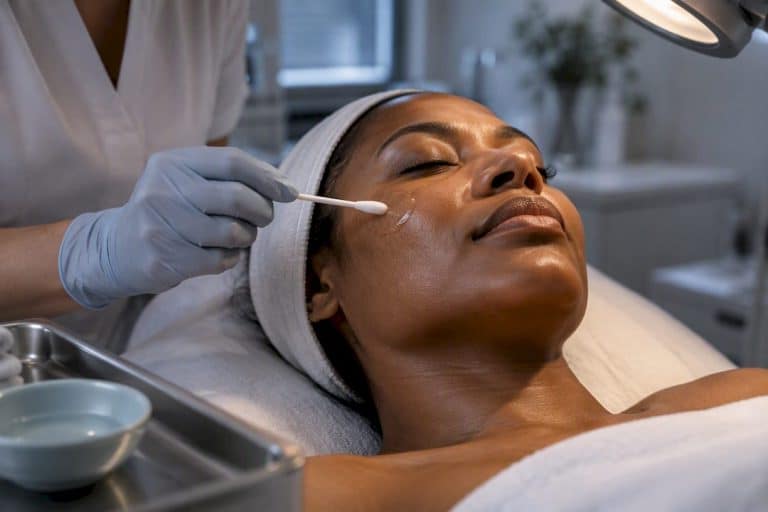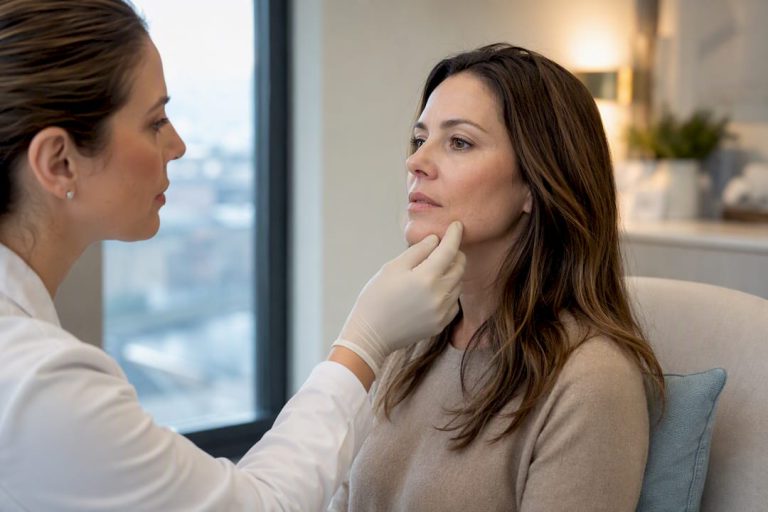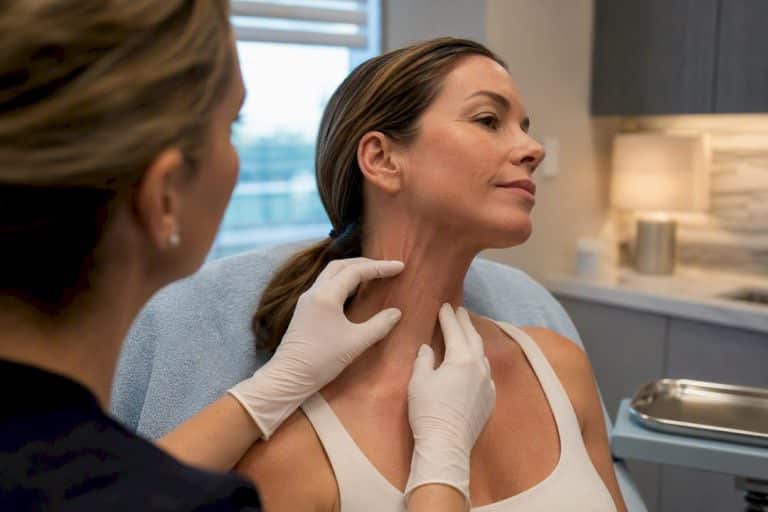
A professional skin consultation is the single most effective way to stop guessing and start treating your skin with real precision. Rather than cycling through products that may or may not address your actual concerns, a qualified practitioner evaluates your skin at a clinical level, identifies what is genuinely happening beneath the surface, and builds a plan around your specific biology, lifestyle, and goals.

Why professional skin consultations matter for lasting results
The core value of a professional skin assessment is replacing trial and error with data. Medical-grade assessments identify barrier function status, pigmentation depth, and early collagen loss with a level of accuracy that no retail product label can replicate.
- Barrier damage detection. A compromised skin barrier often masquerades as sensitivity or breakouts. A practitioner can identify it early and stop you from layering on products that worsen the problem.
- Pigmentation classification. Not all discolouration responds to the same treatment. Epidermal pigmentation and dermal pigmentation require entirely different approaches, and misidentifying one for the other wastes months of effort.
- Early collagen loss. Clients often come in noticing that their skin looks tired or slightly deflated before they can articulate why. A trained eye catches early volume loss and laxity before it becomes pronounced.
- Tailored medical-grade recommendations. Medical-grade skincare products contain higher concentrations of active ingredients designed for specific skin layers, unlike typical retail options.
- Ongoing monitoring. A single consultation is a starting point. The real benefit comes from tracking how your skin responds over time and adjusting the plan accordingly.
What a professional skin consultation actually involves
Many clients arrive expecting a quick look and a product recommendation. The reality is considerably more thorough. A professional consultation begins with a detailed intake process covering your medical history, current medications, hydration habits, diet, and stress levels. Practitioners gather this lifestyle data because it directly affects which treatments are safe and appropriate for you.
- Skin history review. Previous treatments, reactions, and long-term concerns all inform the assessment.
- Aesthetic goals discussion. You are asked what you want to achieve, not just what bothers you. Those are sometimes different conversations.
- Education over sales. A well-run consultation focuses on helping you understand your skin, not on booking you into treatments you may not need.
- Rapport building. The relationship between you and your practitioner matters. Comfort and trust directly affect how openly you share information, which shapes the quality of the plan.
The personalized skin care approach at Enrichedmedspa reflects this philosophy: every recommendation is grounded in what your skin actually needs, not a generic protocol.
What a skin consultation can reveal about your skin condition
A thorough professional skin analysis uncovers things you simply cannot see or measure on your own. Practitioners are trained to read the skin’s surface for signals that point to deeper issues.
- Barrier function status. Redness, flaking, and tightness are symptoms. The underlying cause, whether it is over-exfoliation, environmental damage, or product sensitivity, requires clinical assessment to confirm.
- Pigmentation depth and type. Melasma, post-inflammatory hyperpigmentation, and sun damage each behave differently under treatment. Identifying which type you have determines whether a chemical peel, laser, or topical brightening agent is the right first step.
- Vascular and inflammatory conditions. Rosacea, broken capillaries, and chronic redness often go undiagnosed or mismanaged without professional evaluation.
- Collagen and elasticity changes. Early signs of skin laxity respond well to radiofrequency or microneedling when caught at the right stage. Waiting too long narrows the options.
- When a referral is needed. A qualified aesthetic practitioner knows the boundaries of their scope. Suspicious lesions, unusual pigmentation patterns, or conditions that suggest a systemic cause warrant a referral to a dermatologist or physician.
Tools and techniques professionals use during skin consultations
The precision of a professional skin analysis comes partly from the tools involved. Practitioners combine clinical expertise with technology to build an objective picture of your skin.
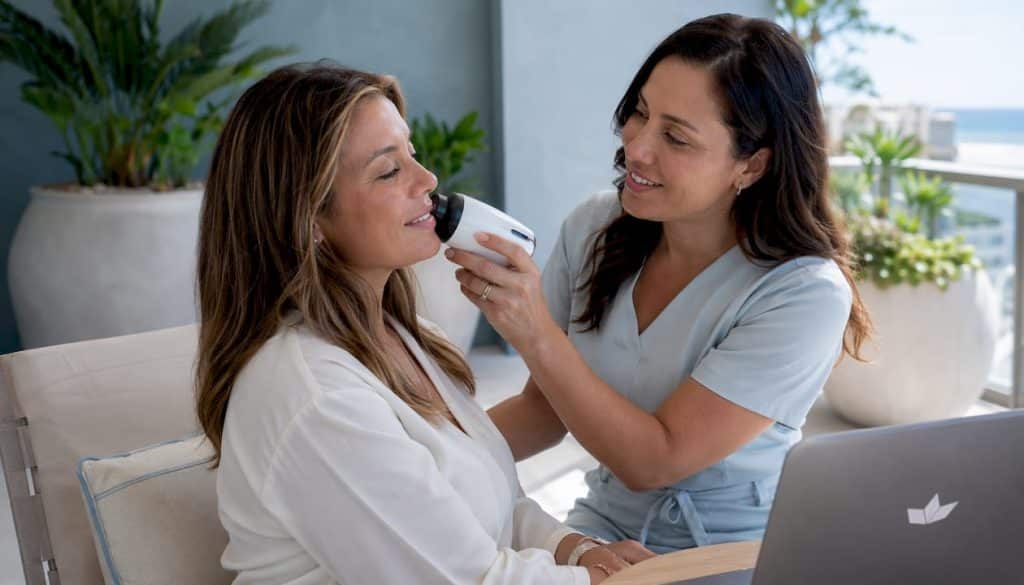
- Magnification and clinical photography. Close examination under magnification reveals texture irregularities, pore congestion, and vascular changes invisible to the naked eye. Photography creates a baseline for tracking progress.
- Fitzpatrick skin typing. The Fitzpatrick scale classifies skin by its response to UV exposure, which guides safe laser and light-based treatment selection.
- PASI and other clinical scoring systems. Standardized tools like PASI provide objective baselines to monitor treatment response and reduce subjectivity over time.
- VISIA complexion analysis. Imaging systems like VISIA capture UV damage, pore size, texture, and pigmentation patterns across multiple wavelengths, revealing concerns that are not yet visible on the surface.
- Lifestyle and medical history data. Technology alone is not enough. The practitioner’s interpretation of your history alongside the imaging is what produces a genuinely useful plan.
Pro Tip: Ask your practitioner to show you your VISIA or magnification images. Seeing the data yourself makes the treatment rationale far easier to understand and commit to.
Tracking your skin’s progress over time is also something you can support at home. Tools that monitor skincare device progress can complement what your practitioner measures in clinic, giving you a clearer picture between appointments.
What to expect during your skin consultation appointment
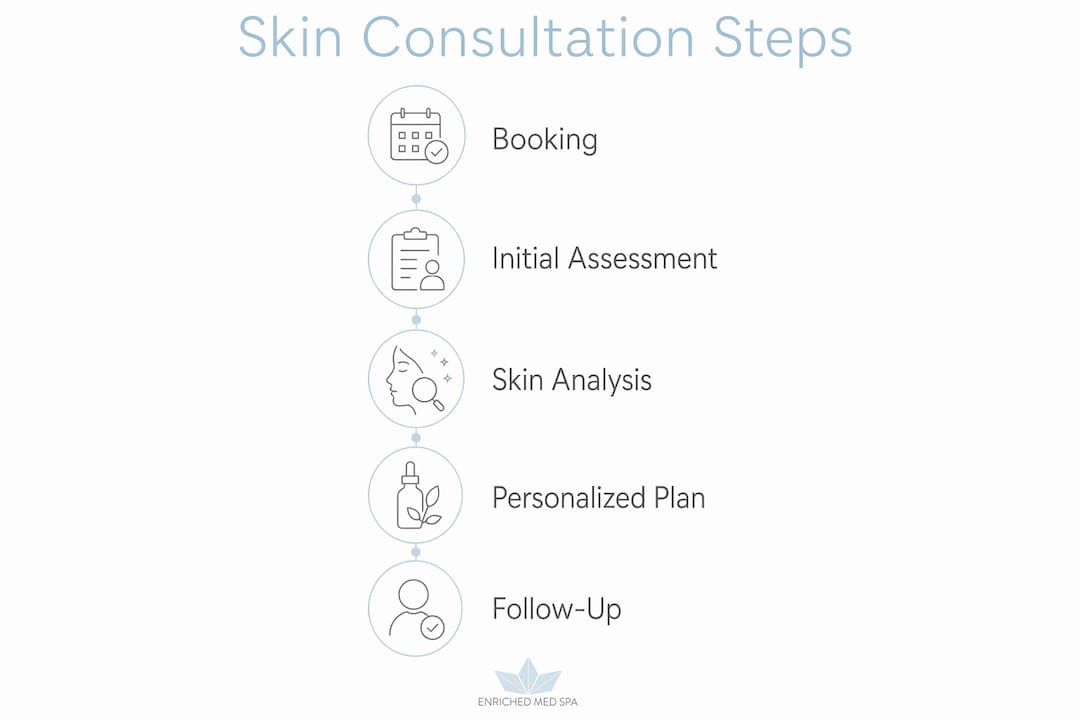
The first visit tends to surprise people, in a good way. Initial paperwork is more detailed than most clients anticipate, covering lifestyle, medical history, and current skincare products. That depth is intentional. It gives the practitioner the context needed to make safe, appropriate recommendations.
- Paperwork and intake questionnaire. Expect questions about medications, allergies, previous aesthetic treatments, and your daily routine.
- Clinic environment. A well-run clinic feels calm and professional without being intimidating. You should feel comfortable discussing personal concerns.
- Practitioner-led conversation. The practitioner listens first. They ask specific questions to understand your priorities before offering any recommendations.
- Clear treatment explanations. Each option is explained in plain language: how it works, what results are realistic, and what the timeline looks like.
- No pressure to proceed. A reputable practitioner presents options and lets you decide. The consultation is yours. What you do with the information is entirely up to you.
The role of skin consultations in Canada’s medical aesthetics landscape
Canada’s dermatology access gap makes professional aesthetic consultations more valuable than many people realise. Canadians wait 6–12 months on average to see a dermatologist. During that window, skin conditions can worsen, and early intervention opportunities pass.
Qualified aesthetic practitioners fill a critical role in that gap. They conduct thorough skin health assessments, identify concerns that need medical attention, and refer appropriately when something falls outside their scope. Skin is a complex organ that signals internal health changes, and specialized training beyond general practitioners is needed to evaluate it accurately.
A common misconception is that aesthetic consultations are sales-driven. In practice, the focus lies on education and phased treatment planning, balancing your budget, timeline, and realistic expectations.
Enrichedmedspa’s approach at its Woodbridge and East Gwillimbury clinics reflects this patient-first philosophy. The team combines clinical credentials with a welcoming environment, offering treatments like microneedling, chemical peels, laser resurfacing, and radiofrequency skin tightening, each recommended only when the consultation confirms they are appropriate for your skin type and goals. The role of aesthetics clinics in supporting skin health goes well beyond surface-level treatments when the consultation process is done properly.
How often should you schedule a skin consultation?
Frequency depends on where you are in your skin health journey. For most people, an annual skin health assessment is a reasonable baseline, similar to a dental check-up. If you are actively working through a treatment plan, quarterly check-ins allow your practitioner to monitor progress and adjust recommendations as your skin responds.
Certain situations call for a consultation sooner rather than later. If your current routine has stopped producing results, if you are noticing new pigmentation, persistent breakouts, or texture changes that have not responded to at-home care, those are clear signals that a professional skin analysis is the appropriate next step. Clients managing conditions like rosacea or melasma typically benefit from more frequent monitoring, since these conditions fluctuate with hormones, sun exposure, and seasonal changes.
How consultations differ across skin types and concerns
No two consultations follow the same path, because no two people have the same skin. The Fitzpatrick scale gives practitioners a starting framework, but the real differentiation happens in the conversation and examination.
Someone with Fitzpatrick Type I or II skin and a history of sun exposure will have a very different consultation focus than someone with Type IV or V skin managing post-inflammatory hyperpigmentation. Laser settings, chemical peel strengths, and even the order of treatments change significantly based on skin type. Using the wrong approach on darker skin tones, for example, carries a real risk of worsening pigmentation rather than improving it.
Concern-specific consultations also vary considerably. Acne-focused assessments dig into hormonal patterns, diet, and product interactions. Anti-aging consultations evaluate volume loss, skin laxity, and dynamic versus static lines to determine whether injectables, energy-based treatments, or a combination is most appropriate. A consultation for someone exploring cosmetic injectables for the first time will include a detailed discussion of facial anatomy and realistic outcome expectations, which is a very different conversation from a maintenance visit for someone already familiar with the process.
Key takeaways
Professional skin consultations replace guesswork with clinical precision, giving you a personalised plan grounded in your actual skin biology, lifestyle, and goals.
| Point | Details |
|---|---|
| Replaces trial and error | Data-driven assessments identify barrier damage, pigmentation type, and collagen loss that products alone cannot address. |
| Canada’s access gap | In Canada, access to dermatologists often involves long waits, making professional medical aesthetic consultations vital for initial skin health assessment and referral decisions. |
| Education, not sales | Reputable practitioners focus on phased planning and realistic expectations, not on booking treatments on the spot. |
| Frequency matters | Annual consultations suit most people; quarterly check-ins support active treatment plans or fluctuating conditions like rosacea. |
| Skin type shapes everything | Fitzpatrick classification, concern type, and medical history determine which treatments are safe and effective for your specific skin. |