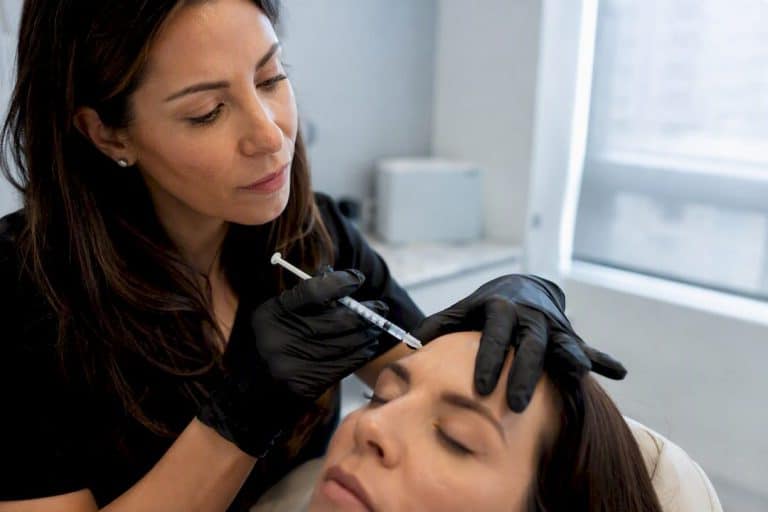

Facial contouring is defined as a non-surgical approach to sculpting and defining the face by restoring volume, improving symmetry, and enhancing natural features through injectable treatments and minimally invasive procedures. Unlike surgical options, these techniques work with your existing anatomy rather than altering it dramatically. The most common methods include hyaluronic acid dermal fillers such as Juvederm and Teosyal, along with radiofrequency-assisted procedures that tighten and define without incisions. At Enrichedmedspa in Woodbridge, Ontario, we see clients across a wide age range seeking subtle improvements that look natural, not overdone.
What are the main facial contouring techniques available non-surgically?
Non-surgical facial contouring covers several distinct methods, each suited to different goals and facial areas. Understanding what each involves helps you have a more informed conversation with your provider.
The most widely used technique is injectable dermal fillers. Dermal fillers are gel-based substances made primarily of hyaluronic acid, a molecule that attracts and holds water in the tissue. This gives the skin plumpness, elasticity, and a lifted appearance without surgery. Hyaluronic acid fillers like Juvederm and Teosyal are reversible, which adds a meaningful layer of safety.
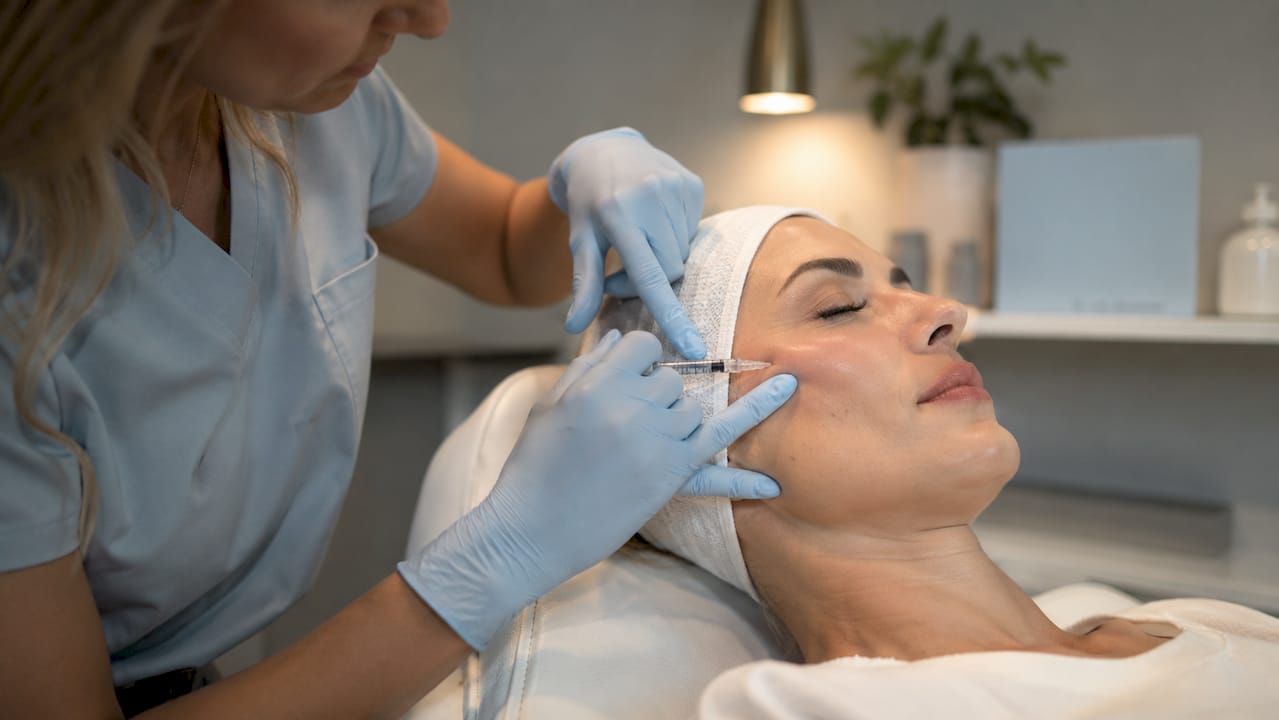
Radiofrequency-assisted lipolysis (RFAL) is a minimally invasive option that uses controlled heat energy to tighten skin and reduce localised fat deposits. It suits clients who want more definition along the jawline or neck without going under general anaesthesia. RFAL recovery runs 24–72 hours, compared to 2–6 weeks for surgical alternatives. That difference matters significantly for people with busy schedules.
The most commonly treated areas include:
- Lips: Adding volume and correcting asymmetry for a balanced, natural shape
- Cheeks: Restoring lost volume and creating a subtle lift to counteract sagging
- Jawline: Defining the lower face for a cleaner, more structured profile
- Chin: Improving proportion and facial balance, particularly in profile view
Each area requires a different product viscosity, injection depth, and volume. A qualified injector selects the right combination based on your facial anatomy and goals, not a one-size-fits-all formula.
Pro Tip: Ask your provider to show you before-and-after photos of clients with a similar face shape to yours. This gives you a realistic sense of what the technique can achieve for your specific anatomy.
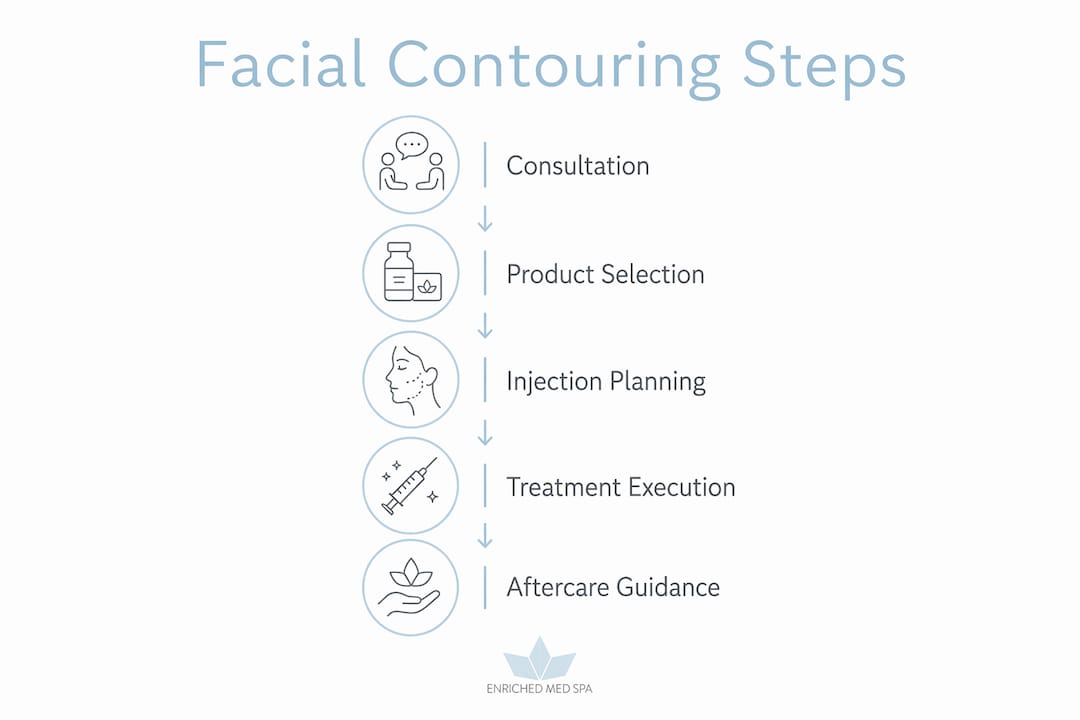
How does facial contouring work to reshape and enhance facial features?
Facial contouring works by manipulating volume and structure to create the visual impression of depth, definition, and symmetry. The underlying principle is straightforward: adding or redistributing volume in the right places changes how light and shadow fall across the face.
Injectables can mimic bone structure while fat-reduction techniques reveal more definition beneath the skin. When a provider places filler along the cheekbones, for example, the result is a lifted midface that casts a natural shadow below, creating the appearance of higher, more defined cheeks. This is the same principle makeup artists use with highlighter and bronzer, but achieved through clinical means with lasting results.
The hyaluronic acid in dermal fillers integrates with surrounding tissue rather than sitting on top of it. It binds to water molecules and gradually becomes part of the tissue environment, which is why results feel natural to the touch. Over time, the body metabolises the filler slowly, which is why maintenance appointments are part of the plan.
Precision in injection depth and placement is the most critical technical factor. Different anatomical zones require specific volumes and depths to produce natural outcomes. The lips alone contain distinct sub-zones, each needing a different technique. Too much product in the wrong layer creates puffiness or an unnatural shelf effect. This is why provider skill matters as much as the product itself.
Pro Tip: Before your appointment, look at photos of your face from different angles and identify the areas where you feel volume has shifted or definition has softened. This makes your consultation more focused and productive.
What are the benefits and realistic outcomes of facial contouring?
The benefits of non-surgical facial contouring are meaningful, but they come with honest expectations. Results are real and visible, but they are not permanent, and they work best when the goal is enhancement rather than transformation.
The most frequently reported benefits include:
- Subtle volume restoration: Fillers replace volume lost through ageing in the cheeks, temples, and lips, giving the face a refreshed appearance without looking “done.”
- Improved facial symmetry: Small asymmetries in the jawline, chin, or lips can be corrected with targeted placement, creating better overall balance.
- Minimal downtime: Most clients return to normal activities within 24–48 hours of a filler appointment. This contrasts sharply with surgical recovery timelines.
- Lower risk profile: Non-surgical procedures carry significantly fewer risks than surgery when performed by a qualified professional.
- Reversibility: Hyaluronic acid fillers can be dissolved with hyaluronidase if you are unhappy with the result, which provides a safety net that surgery cannot offer.
HA fillers last 6–24 months depending on the product used, the area treated, and individual factors like metabolism, sun exposure, and hydration levels. Collagen-stimulating fillers can last up to 2 years. Longevity is not fixed. It varies from person to person, and your provider should set clear expectations during your consultation.
Many clients seek non-surgical contouring to address early signs of ageing or tired-looking skin without committing to surgery. This is one of the most common patterns we see at Enrichedmedspa. Clients often describe wanting to look like themselves again, not like a different person.
What safety considerations and recovery can you expect after facial contouring?
Safety in facial contouring depends heavily on who performs the treatment and how it is performed. The technique and the injector are inseparable from the outcome.
Complications like vascular issues are rare when a qualified professional uses sterile technique and has reversal agents on hand. Choosing a provider without proper training significantly increases risk, even when the product itself is the same. Always verify credentials before booking.
The table below outlines what to expect during recovery from the two most common non-surgical contouring methods:
| Recovery factor | Dermal fillers | Radiofrequency-assisted lipolysis |
|---|---|---|
| Downtime | 24–48 hours | 24–72 hours |
| Common side effects | Swelling, bruising, tenderness | Swelling, mild discomfort, redness |
| Side effect duration | 3–10 days | 3–7 days |
| Return to normal activity | Next day for most clients | 1–3 days |
| When results are visible | Immediately, with full result at 2 weeks | Gradually over 4–8 weeks |
Post-treatment care directly affects your results. Avoid intense heat, including saunas and hot yoga, for at least 48 hours after fillers. Skip strenuous exercise on the day of treatment. Do not massage the treated area unless your provider instructs you to. For detailed guidance on what to do after your appointment, the filler recovery guide at Enrichedmedspa covers the full timeline clearly.
Pro Tip: Schedule filler appointments at least two weeks before any major event. Swelling peaks at 24–48 hours and can take up to 10 days to fully settle, so give yourself adequate time to see the final result.
How to determine if facial contouring is right for you
Deciding whether to pursue facial contouring starts with an honest assessment of your goals and a conversation with a qualified provider. No article can replace that consultation, but you can arrive prepared.
A good consultation covers several key areas:
- Your specific concerns: Are you addressing volume loss, asymmetry, or definition? Each concern points toward a different technique or product.
- Your medical history: Certain conditions and medications affect filler safety and healing. Your provider needs this information to recommend the right approach.
- Realistic expectations: A skilled injector will tell you what is achievable and what is not. Be cautious of anyone who promises dramatic results without discussing limitations.
- Maintenance planning: Non-surgical results are not permanent. Discuss how often you would need to return and what that commitment looks like financially and practically.
- Provider qualifications: Ask about training, experience with your specific concern, and what happens if you need a reversal. Understanding facial anatomy for injectables is a non-negotiable part of safe practice.
Industry professionals emphasise that safety and natural results stem from injector skill and individualised treatment plans. A good provider does not apply the same technique to every client. They assess your face as a whole and recommend what fits your anatomy, not what is trending.
Preparing your skin before any aesthetic procedure also supports better outcomes. A guide on preparing skin for aesthetic treatments can help you understand what to do in the days leading up to your appointment.
Key takeaways
Non-surgical facial contouring delivers real, visible results when performed by a qualified provider using the right technique for your anatomy and goals.
| Point | Details |
|---|---|
| Definition matters | Facial contouring uses injectables and minimally invasive methods to restore volume and define features. |
| Technique is everything | Injection depth, placement, and product choice determine whether results look natural or overdone. |
| Results are temporary | HA fillers last 6–24 months; longevity depends on metabolism, lifestyle, and the product used. |
| Recovery is short | Most clients resume normal activity within 24–48 hours of a filler treatment. |
| Provider qualifications are non-negotiable | Rare complications become far less likely when a trained professional uses sterile technique and reversal agents. |
What I have learned from watching clients choose contouring
After years of observing clients at every stage of their aesthetic decision-making, one pattern stands out clearly. The clients who are most satisfied with their results are the ones who came in with a specific, modest goal rather than a vague desire to look “better.”
The clients who say “I want my cheeks to look the way they did five years ago” consistently leave happier than those who bring in a photo of a celebrity and ask to replicate it. Facial contouring works best as a restoration tool, not a reinvention tool. The anatomy you have is the starting point, and a skilled injector works with it, not against it.
I have also noticed that people often underestimate how much provider skill varies. Two injectors using the same Juvederm product in the same area can produce completely different results. The difference is anatomical knowledge, experience with diverse face shapes, and the discipline to use less product rather than more. Subtlety is a skill. Overcorrection is easy.
My honest advice: do not choose a provider based on price or proximity alone. Read about safe filler results before your consultation, ask direct questions, and trust your instincts in the room. If a provider dismisses your concerns or rushes through the consultation, that tells you something important.
— Felix
Facial contouring at Enrichedmedspa: what we offer
Enrichedmedspa serves clients in Woodbridge and East Gwillimbury, Ontario, with a full range of non-surgical contouring treatments, including Juvederm and Teosyal dermal fillers, radiofrequency skin tightening, and personalised injectable plans. Every treatment begins with a thorough consultation to assess your facial anatomy and discuss realistic outcomes. Our team combines clinical training with a patient-first approach, so you always know what to expect before, during, and after your appointment. If you are ready to learn more about how injectables work and which options suit your goals, our cosmetic injectables guide is a strong starting point. You can also review our dermal filler treatments page for specific product and pricing information.
FAQ
What is facial contouring in simple terms?
Facial contouring is a non-surgical method of enhancing and defining facial features using injectable fillers or minimally invasive procedures. The goal is to restore volume, improve symmetry, and create a more balanced appearance without surgery.
How long do facial contouring results last?
Hyaluronic acid fillers typically last 6–24 months depending on the product, the area treated, and individual factors like metabolism and lifestyle. Collagen-stimulating options can last up to 2 years.
Is facial contouring painful?
Most clients experience mild discomfort during filler injections, which are performed with fine needles and often a topical numbing agent. Swelling and tenderness after treatment are common and typically resolve within 3–10 days.
Who is a good candidate for non-surgical facial contouring?
Adults who want to address volume loss, asymmetry, or reduced definition without surgery are generally good candidates. A consultation with a qualified provider is the only way to confirm suitability based on your health history and facial anatomy.
Can facial contouring results be reversed?
Hyaluronic acid filler results can be reversed using an enzyme called hyaluronidase, which dissolves the filler. This makes HA-based treatments one of the safer options in non-surgical aesthetics.
Recommended
- Non-surgical facelift options: a complete 2026 guide
- How can combining BOTOX and Juvéderm achieve a non-surgical facelift? – Botox Laser Hair Removal OxyGeneo Medi Facial Microneedling – Enriched Med Spa – Vaughan Woodbridge Maple Vellore Village
- Facial anatomy for injectables: a patient’s guide
- How medical aesthetics enhance confidence: a clear guide