
You want real, visible improvements, and you want them without spending months cycling through one treatment at a time. It’s a completely reasonable goal. Many clients in Woodbridge and East Gwillimbury come to us with a list of concerns: fine lines, volume loss, uneven texture, dull skin. The good news is that combining med spa treatments thoughtfully can address multiple concerns in fewer visits, delivering results that genuinely build on each other. The key word is thoughtfully. Done right, a stacked approach amplifies outcomes. Done carelessly, it can overwhelm your skin and set you back.
Table of Contents
- When and why combine med spa treatments
- How to plan your treatment stack
- Best practices: Safe combinations and timing
- What to expect: Recovery, results, and reviewing your plan
- The big picture: Why less is more with med spa combos
- Ready to create your custom med spa plan?
- Frequently asked questions
Key Takeaways
| Point | Details |
|---|---|
| Limit treatment stacks | Combining two to three med spa treatments in a session is usually safe, but more increases risks. |
| Sequence matters | The order and timing of treatments significantly affect results and safety. |
| Personalization is key | Custom treatment plans, tailored by a medical professional, achieve optimal outcomes. |
| Monitor recovery | Watch your skin’s response closely and adjust future sessions as needed. |
When and why combine med spa treatments
There’s a clear difference between wanting faster results and having a well-reasoned plan to achieve them. Combining treatments makes sense when your concerns are interconnected and when the treatments chosen work synergistically rather than competing with each other.
What ideal combinations can accomplish
When treatments are properly matched and sequenced, you can expect results like:
- Smoother, more even texture from pairing resurfacing treatments with skin-hydrating injectables
- Lifted, refreshed features by combining neuromodulators like Botox with volume-restoring dermal fillers
- Radiant, deeply hydrated skin through layering hydrating facials with LED light therapy
- Improved collagen production with energy-based treatments that stimulate deeper skin structures over time
Single sessions are sometimes enough for a very targeted concern. If you’re focused only on softening forehead lines, Botox alone may do the job beautifully. But if you’re addressing multiple areas or concerns, a single treatment may only partially resolve the picture.
When stacking is appropriate and when it isn’t
There are good reasons to combine treatments: saving appointment time, addressing layered concerns in one visit, and taking advantage of biological synergies between complementary procedures. For example, combining Botox with other treatments such as dermal fillers or skin rejuvenation therapy is one of the most frequently recommended stacks, because each treatment targets a different layer or mechanism of ageing.
However, there are times when stacking is not appropriate:
- Active skin irritation, rosacea flares, or open breakouts
- Recent sunburn or significant sun exposure in the past week
- Known allergies or sensitivities to specific treatment components
- Recovery from a recent invasive or semi-invasive procedure
“Stacking two to three treatments together is usually safe and reasonable, while doing more can increase complications such as irritation or pigment changes.”
This is an important boundary. The temptation to address every concern in one aggressive session is understandable, but the evidence consistently shows that efficacy plateaus while risk climbs when you exceed two or three stacked treatments per session.
| Skin concern | Recommended stacking approach | Caution |
|---|---|---|
| Fine lines and volume loss | Botox + dermal fillers | Avoid same-day laser if skin is sensitive |
| Dull, dehydrated skin | Hydrafacial + LED therapy | Skip if active breakouts are present |
| Collagen decline | Skinbooster + Sculptra | Requires spacing between sessions |
| Texture and tone | Microneedling + chemical peel | Do not combine both on the same day |
How to plan your treatment stack
Having established why and when stacking makes sense, let’s break down the planning process. A well-built treatment plan takes into account your skin history, your goals, and a realistic timeline for preparation, treatment, and recovery.
Step-by-step planning process
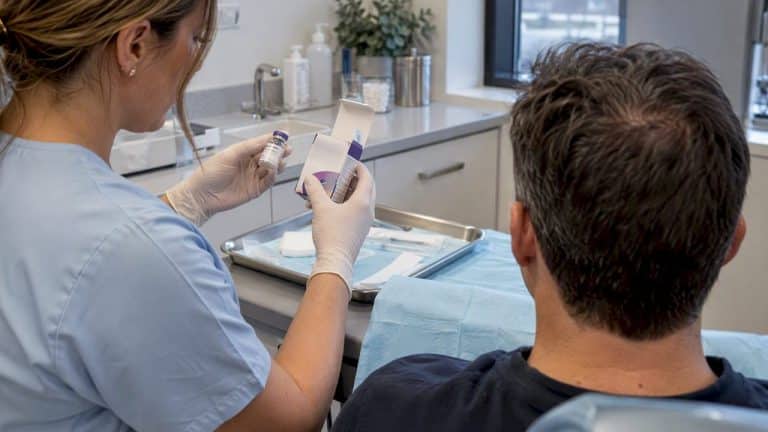
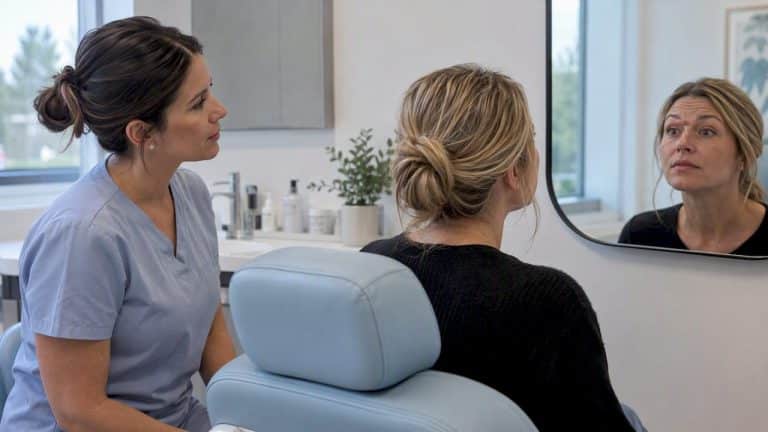
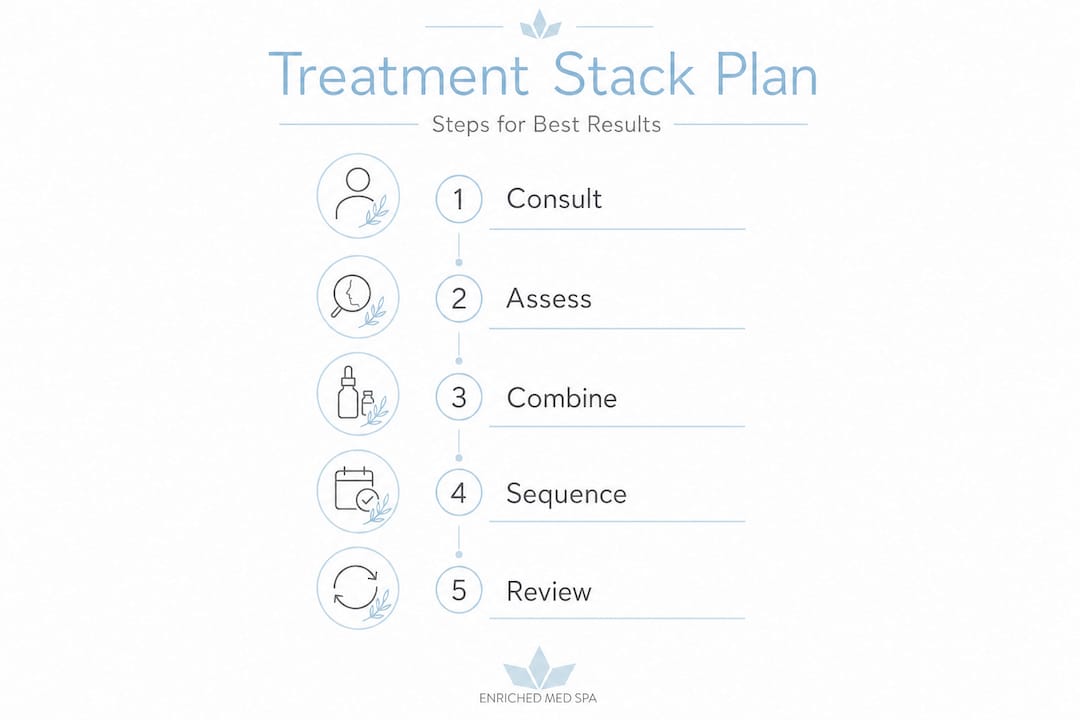
- Consult with a qualified medical aesthetician or nurse injector. Share your full skin history, current skincare routine, and all recent treatments. This is the foundation of a safe plan.
- Define your primary and secondary goals. Are you targeting loss of volume first, or is texture your biggest concern? Prioritising goals helps sequence treatments logically.
- Review recent treatments and any active skin conditions. Your provider needs a complete picture to avoid overlapping treatments that stress the skin barrier.
- Build a sequenced timeline. Injectables like Botox and fillers are often scheduled first, followed by energy-based or resurfacing treatments in subsequent sessions.
- Establish a recovery window. Factor in downtime for each treatment, including realistic expectations for redness, swelling, and activity restrictions.
- Plan a follow-up review. Most clients benefit from a check-in two to four weeks after a combined session to assess results and adjust the plan if needed.
For those exploring step-by-step dermal filler planning, having a clear consultation process is just as important as the treatment itself.
Comparing treatment stacking approaches
| Approach | Best for | Timing | Complexity |
|---|---|---|---|
| Same-day stacking | Synergistic treatments (e.g., Botox + fillers) | One visit | Moderate |
| Sequential sessions | Resurfacing + injectables | 2 to 4 weeks apart | Lower per visit |
| Staged programme | Full facial rejuvenation | Several months | Higher overall |
| Maintenance plan | Sustaining prior results | Every 3 to 6 months | Ongoing |
Customised dermal filler plans are a strong example of how thoughtful sequencing looks in practice. Your provider will factor in which filler suits your anatomy, what volume is appropriate, and which additional treatments complement rather than conflict.
Pro Tip: Less is genuinely more when you’re new to stacking. Start with one or two complementary treatments, observe how your skin responds over two to four weeks, and then expand your plan from there. This approach reduces risk and helps you understand which treatments are doing the heavy lifting.
As mainstream expert commentary confirms, going beyond two or three stacked treatments per session may increase complications even when each treatment is individually popular and well-tolerated. Caution isn’t timidity. It’s smart practice.
Best practices: Safe combinations and timing
Now that you’ve mapped out your plan, here are the combinations and timing experts recommend. Not every popular treatment pairs well together on the same day, but certain combinations have both clinical evidence and widespread practitioner support behind them.
Evidence-backed safe stacks
- Botox and dermal fillers: One of the most common and well-supported combinations. Botox relaxes muscle movement while fillers restore lost volume, and the two work on different structural levels. Understanding the distinction between dermal fillers vs Botox helps you appreciate why they complement rather than duplicate each other.
- Hydrafacial and LED light therapy: Both are low-irritation treatments. Hydrafacial deeply cleanses and hydrates, while LED therapy reduces inflammation and supports cellular repair. Together, they leave skin noticeably glowing with minimal recovery.
- Skinbooster and Sculptra: A clinically studied pairing. A Restylane Skinbooster and Sculptra combination was shown to improve skin dryness and collagen loss in menopausal women, supporting the idea that certain injectable sequences can produce measurable, additive clinical effects beyond what either treatment achieves alone.
- Microneedling and PRP (platelet-rich plasma): Microneedling creates micro-channels in the skin, and applying PRP immediately after enhances absorption of growth factors that support healing and collagen stimulation.
Order and timing matter
Injectables typically come before energy-based treatments. Here’s why: energy devices like radiofrequency and laser can cause temporary swelling and tissue changes that may affect filler placement if performed first. By sequencing injectables first, your provider ensures the structural work is done before any thermal or mechanical stimulation takes place.
When exploring options like microneedling device guidance, the sequence in which it’s combined with other treatments significantly influences outcomes. Pairing microneedling with a resurfacing laser on the same day, for instance, is generally not recommended because both create controlled injury to the skin, and stacking that level of stress risks barrier compromise and prolonged recovery.
Suggested timing intervals:
- Botox and fillers: Can often be done same day
- Botox and laser resurfacing: Wait a minimum of two weeks post-Botox
- Microneedling and chemical peel: Space at least four weeks apart
- Hydrafacial and LED: Typically same session-safe
Pro Tip: Always follow your provider’s specific sequencing advice over generalised guidelines. Your skin’s individual history, sensitivity, and current condition are the most important variables in timing decisions.
What to expect: Recovery, results, and reviewing your plan
With a clear understanding of safe practices, it’s important to know what the recovery looks like and how to track your results. Managing expectations is part of achieving them.
Immediate recovery: The first 24 to 72 hours
- Redness and mild swelling are common after most combined sessions, particularly those involving injectables, microneedling, or energy-based treatments.
- Avoid intense physical activity for at least 24 hours. Elevated heart rate and sweating can increase swelling and affect filler distribution.
- Keep skincare simple and gentle. Use a mild, non-comedogenic cleanser, a plain moisturiser, and broad-spectrum SPF during the day. Skip actives like retinoids, AHAs, and BHAs for at least five to seven days post-treatment.
- Stay out of direct sun. UV exposure immediately after treatment can trigger pigmentation changes, particularly after resurfacing procedures or laser.
- Avoid extreme heat sources such as saunas, steam rooms, and very hot showers for 48 hours.
When results become visible
Results vary by treatment type:
- Botox: Full effect visible in seven to fourteen days
- Dermal fillers: Immediate volume, with final results after swelling subsides (around two weeks). Review the benefits of dermal filler treatments for a fuller picture of what to expect at each stage.
- Microneedling: Gradual improvement over four to six weeks as collagen remodelling progresses
- Chemical peels: Initial peeling in three to five days, with clearer skin emerging over two weeks
- Energy-based treatments: Results build over one to three months
“The goal of combining treatments is not immediate transformation but gradual, layered improvement that respects the skin’s natural healing rhythm,” as noted by leading aesthetic practitioners.
Thorough dermal filler aftercare is one of the most important factors in preserving your results. Diligent sun protection, gentle skincare, and attending follow-up appointments all meaningfully influence how long and well your outcomes last.
Reassessing your plan
We recommend a formal review four to six weeks after a combined session. This gives your skin time to fully respond before any adjustments are made. Ask yourself:
- Are my primary concerns adequately addressed?
- Is there residual redness, uneven texture, or sensitivity that needs attention?
- Am I ready to add another treatment to the plan, or do I need more recovery time?
Your provider should be a collaborative partner in answering these questions, not simply booking you for the next session without a genuine assessment of where you are in your results journey.
The big picture: Why less is more with med spa combos
Reflecting on everything above, here’s a seasoned perspective on how to approach med spa combos wisely. Social media and beauty culture often frame aesthetic treatments as a kind of collection to be stacked and layered, with more always feeling like better. In practice, the opposite is frequently true.
When efficacy plateaus beyond two to three treatments while risks such as irritation, a compromised skin barrier, and pigment changes increase, you’re no longer building results. You’re borrowing against them. We’ve seen clients who’ve had multiple aggressive treatments stacked in rapid succession and found themselves dealing with prolonged sensitivity, uneven healing, or results that look overdone rather than refreshed.
The clients who achieve the most satisfying long-term outcomes tend to approach their care the same way they’d approach any meaningful investment: with a plan, with patience, and with trust in a provider who knows when to say “not yet.” Sustainable enhancement doesn’t mean slow progress. It means building results on a foundation that your skin can support.
We believe your treatment plan should be as individual as your face. Not every trending stack is right for your skin type, history, or goals. A personalised, evidence-informed approach to med spa combination strategies will always outperform a one-size-fits-all list of popular procedures.
Your skin is worth the thoughtful approach.
Ready to create your custom med spa plan?
If you’re ready to explore customised combinations, here’s how Enriched Med Spa can help. Our team in Woodbridge and East Gwillimbury specialises in personalised treatment planning that takes your skin history, aesthetic goals, and lifestyle into account. We offer medically supervised options for combining injectables, resurfacing treatments, and skin rejuvenation therapies, including a full range of dermal fillers in Woodbridge and complementary services. Not sure where to start? Explore your skin treatment options or review our breakdown of Botox vs. fillers to clarify your priorities before your consultation. Book a personalised consultation with us and let’s build a plan that’s made for you.
Frequently asked questions
Is it safe to combine more than two med spa treatments in one session?
Mainstream experts recommend limiting most stacks to two or three treatments per session, since exceeding that number increases the risk of irritation, barrier compromise, and other complications.
How much time should you leave between combined treatments?
Some treatments can be safely performed on the same day, but others require spacing of two to four weeks or more. Your provider will customise the order and timing based on your treatment type and skin condition.
Are there special benefits to combining certain injectables?
Yes. Clinical evidence shows that specific sequences, such as the Restylane Skinbooster and Sculptra combination, can improve skin hydration and collagen production beyond what either treatment achieves on its own.
Who should not combine multiple med spa treatments?
People with active skin irritation, infection, recent significant procedures, or certain chronic skin conditions should avoid stacking treatments until their provider has assessed and cleared them for combined care.
Recommended
- Combining Botox with Other Treatments: What You Need to Know – Botox Laser Hair Removal OxyGeneo Medi Facial Microneedling – Enriched Med Spa – Vaughan Woodbridge Maple Vellore Village
- How Facial Treatments Benefit More Than Just Your Skin | Toronto
- Customized Dermal Filler Plans: What to Consider Before Committing – Botox Laser Hair Removal OxyGeneo Medi Facial Microneedling – Enriched Med Spa – Vaughan Woodbridge Maple Vellore Village
- Post-Filler Aftercare: Maximizing and Maintaining Results – Botox Laser Hair Removal OxyGeneo Medi Facial Microneedling – Enriched Med Spa – Vaughan Woodbridge Maple Vellore Village