
True non-surgical removal of the buccal fat pad is not possible. The fat pad sits in a deep, encapsulated pocket beneath the cheek muscles, well beyond the reach of any external device, topical agent, or injectable currently available. Claims that promise otherwise are misleading. That said, several clinic-based treatments can meaningfully slim and recontour the lower face by working on the structures around it, and for many people, those options deliver exactly the change they are looking for.
The realistic clinic alternatives include:
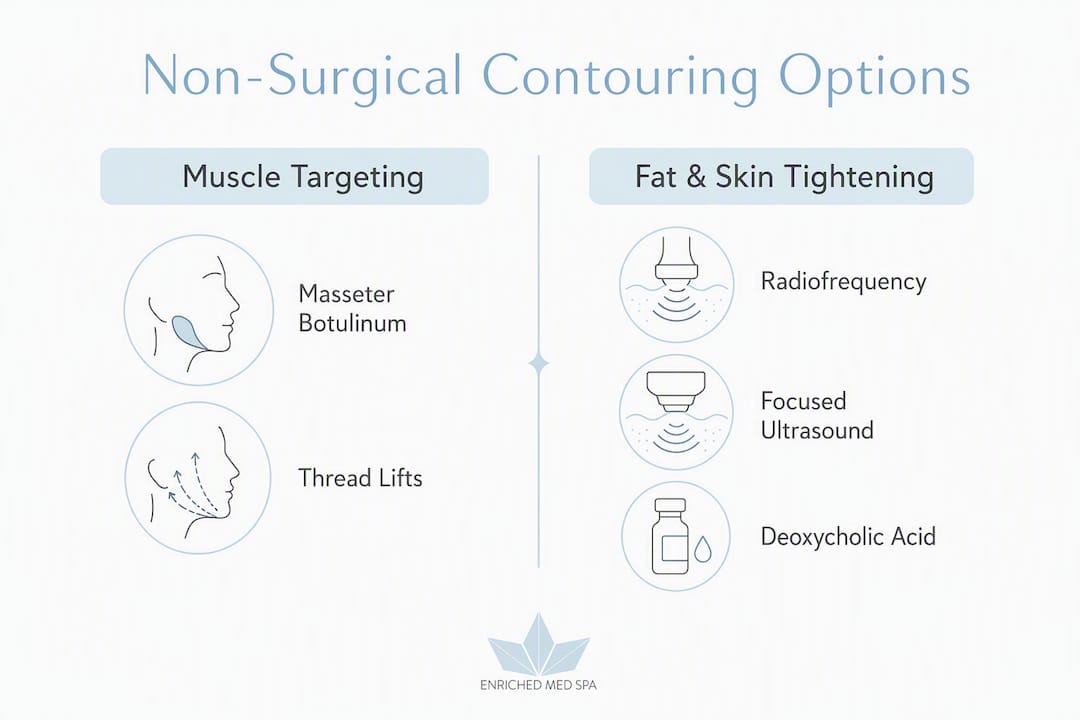
- Masseter neuromodulators (Botox, Nuceiva, Xeomin): reduce muscle-driven jaw width
- Dermal fillers for cheek framing: add midface height to visually slim the lower face
- Radiofrequency (RF) and ultrasound skin tightening: improve contour by firming overlying tissue
- Microneedling with RF (e.g., Morpheus8): tightens skin and improves texture
- Thread lifts: lift and reposition soft tissue for a more defined jawline
- Deoxycholic acid injections: reduce submental and jowl fat, not deep buccal fat
- Skin resurfacing: addresses texture that contributes to perceived fullness
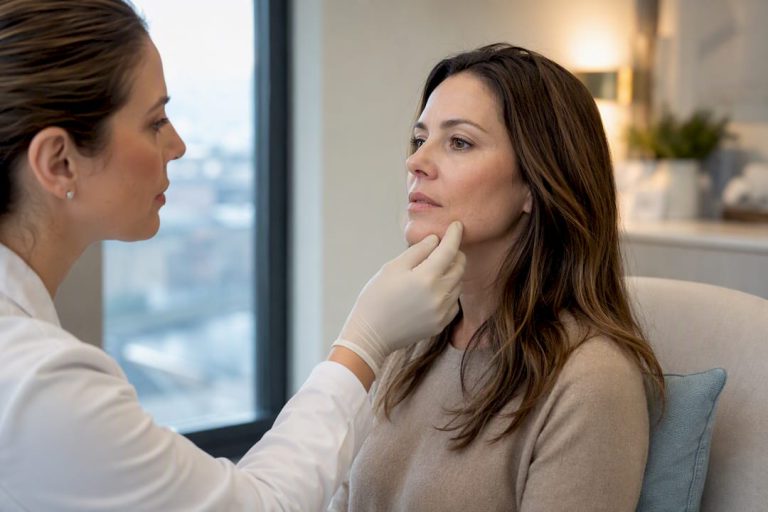
Before choosing any of these, an in-clinic assessment matters. The cause of lower-face fullness varies from person to person, and the right treatment depends entirely on whether you are dealing with muscle, fat, bone structure, or skin laxity.
Table of Contents
- Why the buccal fat pad is so hard to reach without surgery
- What clinic-based treatments can actually slim your lower face
- Who benefits from non-surgical contouring, and when is surgery worth considering?
- Risks, limitations, and long-term concerns to know about
- What to expect at a consultation, and what things cost in Canada
- How Enrichedmedspa approaches lower-face contouring
- Questions to ask at your consultation, and red flags to watch for
- Key takeaways
- A clinician’s perspective on preserving facial volume
- Ready to find out what is actually causing your lower-face fullness?
- Useful sources for further reading
Why the buccal fat pad is so hard to reach without surgery
The buccal fat pad is a distinct, encapsulated compartment sitting deep within the cheek, nestled between the buccinator muscle and the overlying facial muscles. It is not the same as subcutaneous fat just beneath the skin. Its depth and encapsulation are precisely why external energy devices and topical agents cannot reliably remove it.
Radiofrequency devices, focused ultrasound, cryolipolysis panels, and fat-dissolving creams all work at a shallower tissue depth. They can tighten collagen, reduce superficial fat, or improve skin tone, but none of them deliver enough targeted energy to the deep buccal compartment to meaningfully reduce its volume. The anatomy simply does not cooperate.
There is also an important long-term consideration. The buccal fat pad naturally shrinks with age, which is why many people who look full-cheeked in their twenties develop a more sculpted appearance by their forties without any intervention. Removing or aggressively reducing this volume early can lead to premature hollowing later in life, a concern that plastic surgeons have raised publicly. That risk applies to surgical removal, but it is a useful reminder that preserving facial volume tends to serve you better as you age.
Pro Tip: Before pursuing any treatment, ask your practitioner to identify whether your lower-face fullness comes from muscle, fat, bone structure, or skin laxity. The answer changes everything about which approach is appropriate.
Non-surgical options are worth prioritising for another reason: they are reversible or temporary. Fillers can be dissolved. Neuromodulators wear off. RF tightening fades gradually. None of them forecloses the option of surgery later if you decide that is the right path.
What clinic-based treatments can actually slim your lower face
The treatments below do not remove the buccal fat pad, but they can create a noticeably slimmer, more defined lower face by targeting the structures around it. Each works differently, suits different anatomy, and carries its own timeline and maintenance schedule.
Masseter neuromodulators
Overdeveloped masseter muscles are one of the most common causes of a wide lower face, and they are frequently mistaken for buccal fat. Botox, Nuceiva, or Xeomin injected into the masseter gradually reduces muscle bulk over several weeks, producing a measurable slimming effect along the jaw. Results typically last four to six months initially, with longer intervals after repeated treatments as the muscle adapts. Downtime is minimal, and the treatment is fully reversible.

Dermal fillers for cheek framing
Adding small amounts of filler to the cheekbones or midface raises the facial frame, which makes the lower face appear proportionally slimmer without removing anything. This is a proportional rebalancing approach rather than a reduction one. Hyaluronic acid fillers such as Juvederm or Teosyal are the standard choice because they can be dissolved with hyaluronidase if the result is not what you expected. Results typically last twelve to eighteen months depending on the product and placement. You can read more about how fillers restore facial proportions to understand the technique in more detail.
Radiofrequency and focused ultrasound skin tightening
RF devices and focused ultrasound work on the overlying tissue and collagen, not on deep buccal fat. By stimulating collagen remodelling and tightening the skin envelope, they can improve perceived contour along the jawline and lower cheek. Results build gradually over two to three months and may require a series of sessions. Downtime is generally low, though some redness and mild swelling are common for a day or two. Enrichedmedspa’s non-surgical skin lifting treatments include RF-based options suited to this goal.

Microneedling with RF (e.g., Morpheus8)
This combines the collagen-stimulating effect of microneedling with the deeper tissue remodelling of RF energy. It is particularly useful when mild skin laxity contributes to lower-face fullness. A typical course involves two to three sessions spaced four to six weeks apart, with visible improvement over the following months. Mild redness and swelling resolve within a few days for most people.
Thread lifts
Dissolvable threads inserted under the skin physically lift and reposition soft tissue, creating a more defined jawline and cheek contour. Results are immediate but temporary, typically lasting twelve to eighteen months. Thread lifts suit people with mild to moderate laxity rather than significant fat volume.
Deoxycholic acid injections
Deoxycholic acid is effective for targeted fat reduction under the chin and along the jawline, but it has limited evidence for reaching the deep buccal fat pad. It works well for submental fullness and early jowling. Swelling after treatment can be significant for one to two weeks, and multiple sessions are usually needed.
Comparison of non-surgical contouring modalities
| Modality | Primary target | Downtime | Durability | Best suited for |
|---|---|---|---|---|
| Masseter neuromodulator | Jaw muscle bulk | Minimal | Several months | Muscle-driven jaw width |
| Dermal filler (midface) | Facial proportions | 1–3 days | About a year or more | Flat cheekbones, lower-face imbalance |
| RF / ultrasound tightening | Skin and collagen | 1–2 days | Several months | Mild laxity, soft contour improvement |
| Microneedling + RF | Skin laxity and texture | 2–4 days | 12 to 18 months | Mild laxity with texture concerns |
| Thread lift | Soft tissue position | Few days | About a year or more | Mild to moderate laxity |
| Deoxycholic acid | Submental / jowl fat | About one to two weeks | Lasting effects | Chin and jawline fat, not buccal fat |
Who benefits from non-surgical contouring, and when is surgery worth considering?
Misdiagnosing the cause of full cheeks is a common clinical mistake that leads to poor outcomes. A focused physical exam at consultation determines which modality is appropriate. Here is the checklist a clinician typically works through:
- Facial proportions: Is the lower face wide relative to the midface? Does adding cheekbone projection change the visual balance?
- Masseter size: Is there visible or palpable muscle bulk along the jaw angle? Does clenching the teeth make the jaw noticeably wider?
- Skin laxity: Is there looseness along the jawline or lower cheek that contributes to perceived fullness?
- Buccal fat prominence: Is the fullness located in the mid-cheek, below the cheekbone, and present regardless of muscle tension?
- Weight stability: Has weight been stable for at least six months? Significant weight fluctuation affects both surgical and non-surgical outcomes.
- Age and volume trajectory: Is the person in their twenties or early thirties, when buccal fat naturally reduces over time? Aggressive early reduction carries a higher risk of future hollowing.
- Long-term goals: Does the person want a permanent change, or are they open to a staged, reversible approach first?
When to try non-surgical first: muscle-driven fullness, mild laxity, proportional imbalance, or uncertainty about the desired outcome. Non-surgical options are also the right starting point when someone is younger and their facial volume is still changing.
When a surgical consult is appropriate: true buccal fat prominence confirmed on exam, stable weight, realistic expectations about permanence, and a clear understanding of the long-term hollowing risk. Importantly, having non-surgical treatments does not prevent future surgery. Many practitioners use reversible treatments intentionally as a trial to confirm the aesthetic goal before discussing permanent options.
Risks, limitations, and long-term concerns to know about
Non-surgical facial slimming is generally well-tolerated, but it is not without side effects or limits. Setting realistic expectations before you book is part of responsible care.
Common short-term side effects:
- Swelling and bruising at injection sites (fillers, deoxycholic acid, neuromodulators)
- Temporary asymmetry as swelling resolves unevenly
- Transient nerve weakness near injection sites, typically resolving within days to weeks
- Redness, mild swelling, and sensitivity after RF or microneedling sessions
- Firmness or lumpiness under the skin after thread placement, usually temporary
Fundamental limitation: non-surgical treatments change the appearance of the lower face by reshaping surrounding tissues, reducing superficial fat, or altering muscle tone. They do not remove the deep buccal fat pad. If prominent buccal fat is the primary driver of fullness, non-surgical options will produce modest improvement at best.
Long-term concerns: repeated aggressive reduction of facial fat, even superficial fat, can contribute to a hollowed or gaunt appearance over time. The face naturally loses volume with age, so treatments that accelerate that process carry a real aesthetic cost later. Harvard Health notes that this is a meaningful consideration for anyone contemplating cheek reduction at a young age.
Canada safety note: verify your practitioner’s licence through their provincial regulatory college before booking any injectable or energy-based treatment. In Ontario, injections must be performed by or under the supervision of a regulated health professional. Ask specifically about the practitioner’s training in facial anatomy, their complication management protocol, and whether the clinic carries hyaluronidase to dissolve fillers if needed.
What to expect at a consultation, and what things cost in Canada
At your consultation
A thorough consultation for lower-face contouring typically includes:
- Review of your medical history, current medications, and any previous aesthetic treatments
- Standardised photography from multiple angles for baseline documentation
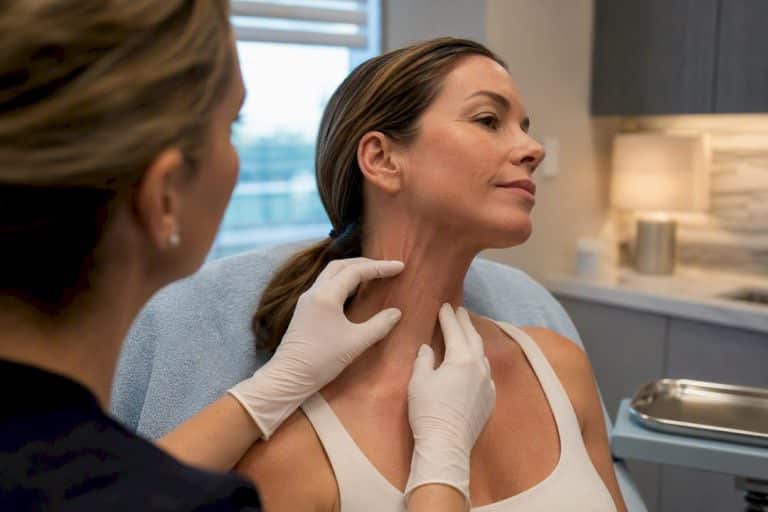
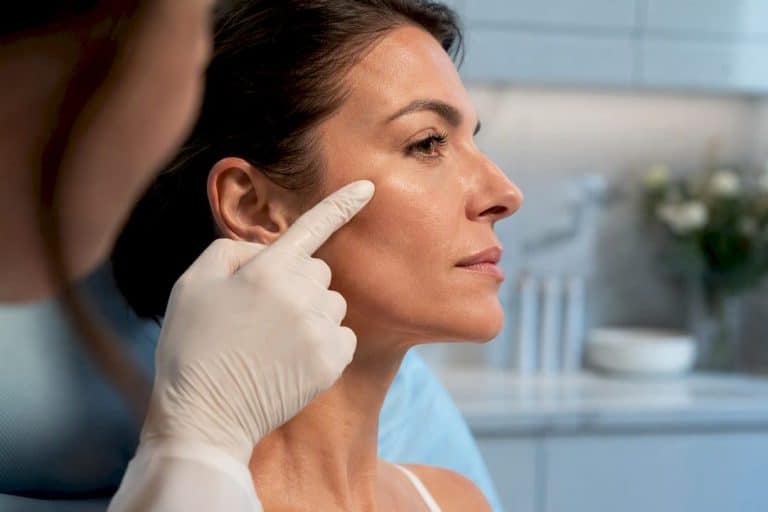
- A targeted physical exam assessing muscle, fat, skin laxity, and facial proportions
- A discussion of two or three treatment pathway options with realistic outcome expectations
- Transparent pricing, session numbers, and a maintenance schedule
- A contingency plan, including what happens if results are not as expected
Before-and-after photography is a meaningful trust signal and helps you assess whether a clinic’s aesthetic sensibility aligns with yours. Ask to see examples relevant to your anatomy, not just the most dramatic results.
Typical timelines
- Dermal fillers — immediate volume change with final result visible after swelling resolves at one to two weeks; maintenance every twelve to eighteen months
Approximate Canadian cost ranges
These are ballpark figures based on clinic overviews and are intended for planning purposes only. Confirm current pricing directly with your clinic.
| Treatment | Approximate Canadian cost range | Sessions typically needed |
|---|---|---|
| Masseter neuromodulator | — | 1–2 initially; maintenance every 4–6 months |
| Dermal filler (midface/cheek) | — | 1–2 syringes per visit |
| RF skin tightening | — | 2–4 sessions |
| Microneedling + RF | — | 2–3 sessions |
| Deoxycholic acid (submental) | — | 2–4 sessions |
Many clinics offer package pricing that reduces the per-session cost for multi-treatment plans. Consultation fees vary; some clinics apply the fee toward treatment if you proceed. Ask about this when you book.
How Enrichedmedspa approaches lower-face contouring
Many clients arrive at Enrichedmedspa having already researched buccal fat removal and wondering whether surgery is their only option. The first step is always an honest assessment of what is actually driving the fullness, because the treatment that works for one person may be entirely wrong for another.
The clinic assessment workflow
- Anatomy mapping: the practitioner assesses masseter size, cheekbone projection, skin laxity, and fat distribution before recommending anything
- Standardised photography at every visit to track changes objectively
- A staged, conservative plan that starts with reversible options (neuromodulators, fillers) before considering anything more involved
- Informed consent that covers realistic outcomes, possible side effects, and what happens if results need to be adjusted
- Hyaluronidase on hand to dissolve hyaluronic acid fillers if needed
Three common treatment pathways
Masseter-dominant fullness: clients with a wide jaw angle and visible muscle bulk typically respond well to masseter neuromodulators alone. We often see meaningful slimming within six to eight weeks, and many clients are surprised by how much the jaw-angle change affects the overall face shape. Learn more about how Botox reduces jaw size and what to expect from the process.
Cheek-fat prominence with flat midface: when the lower face looks full partly because the cheekbones lack projection, adding filler to the midface rebalances the proportions without removing anything. The benefits of dermal filler treatments extend well beyond volume replacement; strategic placement can reshape the entire facial frame.
Mild laxity with lower-face volume loss: clients in their late thirties or forties who notice softening along the jawline often benefit from a combination of RF tightening and conservative filler placement. The goal is to restore structure without adding bulk.
A soft next step: if you are unsure which category applies to you, a consultation is the most efficient way to find out. The assessment itself is informative, and there is no obligation to proceed with any treatment on the day.
Questions to ask at your consultation, and red flags to watch for
Going into a consultation prepared makes the conversation more useful and helps you assess whether the clinic is the right fit.
Questions worth asking
- What is the primary cause of my lower-face fullness based on your exam — muscle, fat, bone structure, or skin laxity?
- Which treatment do you recommend first, and why is it the most appropriate starting point for my anatomy?
- What results can I realistically expect, and over what timeline?
- How many sessions will I need, and what does maintenance look like long-term?
- What are the most likely side effects, and how would you manage a complication if one occurred?
- Do you carry hyaluronidase in case filler needs to be dissolved?
- Can I see before-and-after photos of clients with similar anatomy to mine?
Red flags to avoid
- Any practitioner who claims to remove the buccal fat pad non-surgically. No current treatment can do this reliably.
- Pressure to book surgery at a first consultation without a thorough non-surgical discussion.
- Unusually low prices that suggest compromised hygiene standards, unregulated products, or inadequate follow-up care.
- Practitioners who cannot confirm their registration with a provincial regulatory college.
- Clinics that do not offer a contingency plan or that cannot dissolve fillers if needed.
Verifying credentials in Canada: in Ontario, you can confirm a practitioner’s registration through the College of Physicians and Surgeons of Ontario or the relevant college for nurses and nurse practitioners. For any energy-based device treatment, ask specifically about the operator’s training on that device.
This article is general information, not medical or professional advice. Confirm treatment suitability and current regulations with a licensed Canadian healthcare professional.
Key takeaways
Non-surgical options can meaningfully slim the lower face, but none of them remove the buccal fat pad; the right treatment depends on correctly identifying whether fullness comes from muscle, fat, skin laxity, or facial proportions.
| Point | Details |
|---|---|
| No true non-surgical removal | The buccal fat pad is a deep, encapsulated compartment that external devices and injectables cannot reliably reach. |
| Muscle vs. fat vs. structure | Correct diagnosis at consultation determines the treatment; masseter neuromodulators, fillers, and RF each target different anatomy. |
| Reversible options first | Fillers and neuromodulators are temporary and do not prevent future surgery, making them the lower-risk starting point. |
| Canadian cost ranges | Masseter neuromodulators, midface fillers, RF skin tightening, and other non-surgical lower-face contouring treatments generally begin in the low to mid hundreds per session, though ultrasound-based procedures can run into the thousands depending on scope; confirm current pricing directly with your clinic. |
| Enrichedmedspa assessment | Enrichedmedspa offers staged, anatomy-mapped contouring plans in Woodbridge and East Gwillimbury, starting with reversible treatments. |
A clinician’s perspective on preserving facial volume
The clients who tend to be happiest long-term are the ones who started conservatively. When someone comes in asking about buccal fat removal, the most useful thing we can do is slow down and ask what is actually driving the fullness. Fuller cheeks can be structural, muscular, or fat-driven, and the correct diagnosis changes everything. A wide jaw from masseter hypertrophy responds beautifully to neuromodulators and looks completely different six weeks later. A flat midface that makes the lower face look heavy by comparison responds to filler placement at the cheekbones. Neither of those requires removing anything permanently. We favour staged, reversible approaches not because we are being cautious for caution’s sake, but because the face changes over decades, and a treatment that looks ideal at thirty can look hollow at fifty. Protecting long-term facial volume is part of the clinical responsibility, and it is something we take seriously at every consultation.
Ready to find out what is actually causing your lower-face fullness?
Enrichedmedspa offers in-person assessments at its clinics in Woodbridge and East Gwillimbury, Ontario, where a licensed practitioner maps your facial anatomy before recommending anything. The approach is staged and conservative: reversible options first, honest expectations throughout, and no pressure to proceed on the day.
At your visit, you can expect:
- A targeted physical exam assessing muscle, fat distribution, skin laxity, and facial proportions
- Standardised before-and-after photography
- A personalised treatment plan with transparent pricing and session estimates
- A clear explanation of what each option can and cannot achieve for your anatomy
Whether you are considering cosmetic injectables for the first time or returning to refine a previous result, the consultation is the right starting point. Book your assessment at Enrichedmedspa’s dermal fillers page or contact the clinic directly to confirm availability and current consultation fees.
Useful sources for further reading
These resources offer reliable background on facial anatomy, non-surgical fat reduction, and safe aesthetic practice in Canada.
- Harvard Health: Buccal fat removal and nonsurgical ways to lose facial fat — A balanced clinical overview covering both surgical and non-surgical options, including the long-term hollowing concern. Useful for understanding the full picture before a consultation.
- American Society of Plastic Surgeons: Nonsurgical fat reduction — Covers the range of non-surgical body and facial fat reduction technologies, their mechanisms, and realistic outcomes.
- Evoyouthful: Dermal fillers for volume and contour — A practical overview of how dermal fillers are used for volumising and facial contouring, useful as a reference on technique and indications.
- Clinicgroup: Non-surgical aesthetic treatments — Covers a range of non-surgical facial and body contouring treatments, useful for comparing modalities and understanding what to expect from each.
For personalised guidance, consult a licensed practitioner registered with the appropriate provincial regulatory college in Canada.
Recommended
- How does BOTOX reduce jaw size for a slimmer face? – Botox Laser Hair Removal OxyGeneo Medi Facial Microneedling – Enriched Med Spa – Vaughan Woodbridge Maple Vellore Village
- How can combining BOTOX and Juvéderm achieve a non-surgical facelift? – Botox Laser Hair Removal OxyGeneo Medi Facial Microneedling – Enriched Med Spa – Vaughan Woodbridge Maple Vellore Village
- What is facial contouring: a non-surgical guide
- Can a Lip Flip Fix Thin Lips? | What to Expect – Botox Laser Hair Removal OxyGeneo Medi Facial Microneedling – Enriched Med Spa – Vaughan Woodbridge Maple Vellore Village