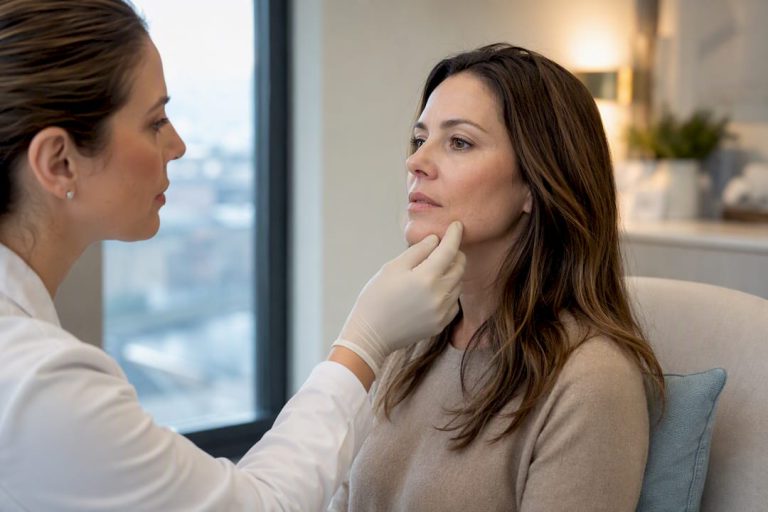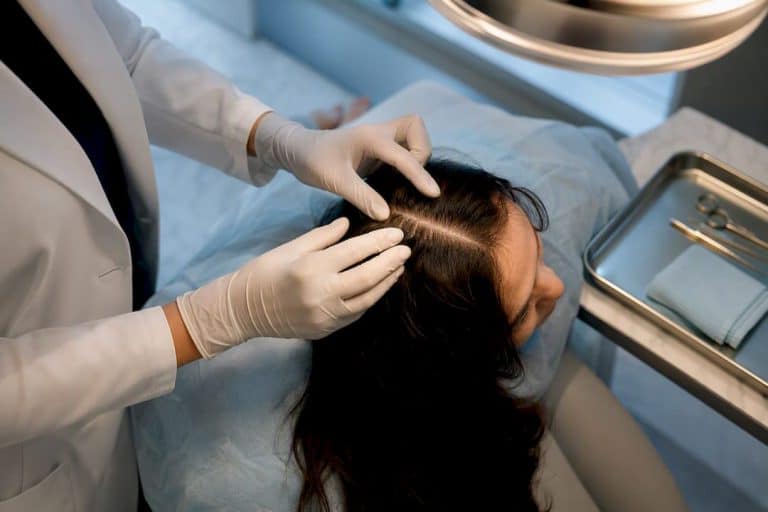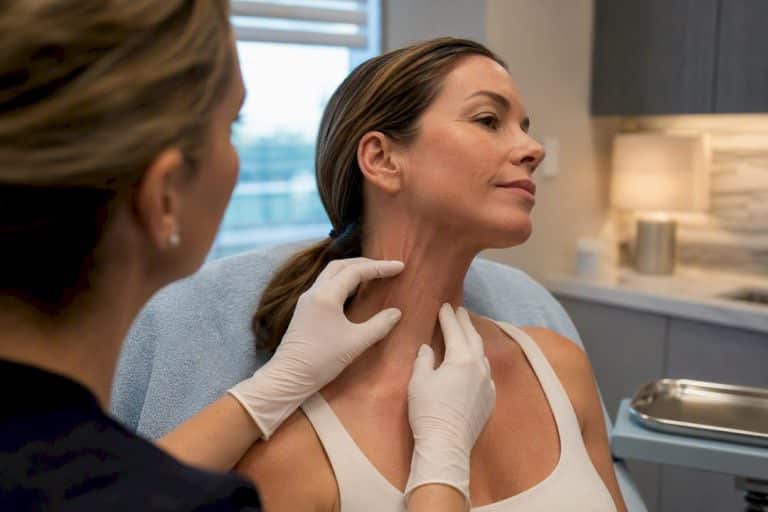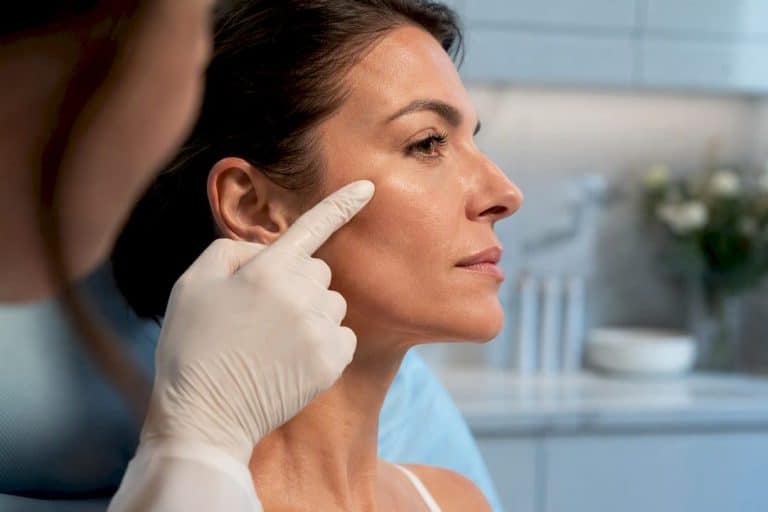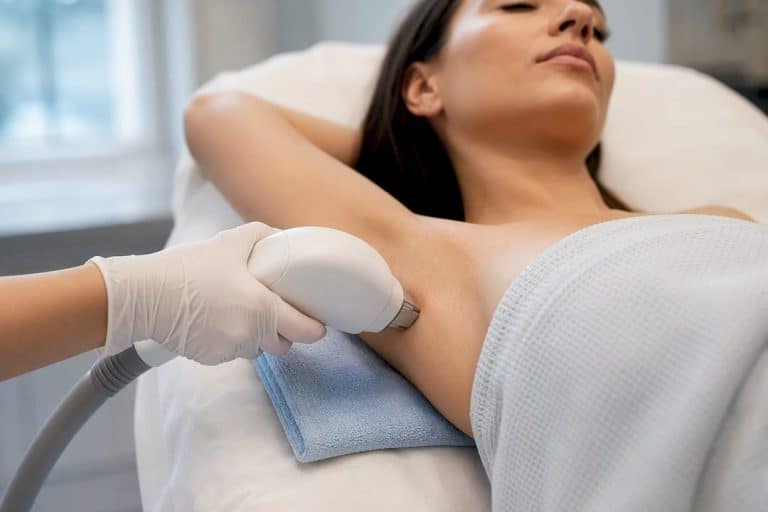

Medical aesthetics help men subtly strengthen masculine features, reduce visible signs of ageing, and build confidence in how they present themselves. The treatments most commonly used include botulinum toxin (Botox, Nucieva, Xeomin), dermal fillers such as Juvederm and Teosyal, laser resurfacing, microneedling, radiofrequency skin tightening, and hair restoration. In Canada, these procedures are administered by qualified clinicians, including registered nurses and physicians, under Health Canada’s regulatory framework. Enrichedmedspa, serving Woodbridge and East Gwillimbury, Ontario, offers all of these options within a patient-first, clinically grounded setting.
Table of Contents
- Why more men are choosing medical aesthetic treatments now
- Common treatments for men: purpose, downtime, and masculine effects
- How clinicians tailor aesthetic plans to preserve masculine features
- What to expect at your first consultation
- Safety, risks, and what Health Canada’s framework means for you
- What do treatments cost in Canada, and how many sessions will you need?
- How Enrichedmedspa approaches male aesthetic care
- Key takeaways
- A clinician’s perspective on what male clients actually want
- Enrichedmedspa: a practical next step for men in Ontario
- Recommended Canadian and clinical sources
Why more men are choosing medical aesthetic treatments now
The shift is real and measurable. Canadian market research by Environics Analytics estimates over 2.5 million people in Toronto and Vancouver alone fit the profile of likely medical-aesthetics consumers, with younger adults and diverse demographic groups representing a significant and growing share. Men are a meaningful part of that picture.
Several motivations drive male uptake:
- Confidence and professional presentation: Many men notice that looking rested and defined translates directly to how they feel in meetings, on camera, or in social settings.
- Functional relief: Botulinum toxin for chronic jaw tension or furrowed brows addresses a physical discomfort, not just an aesthetic concern.
- Prejuvenation: Younger cohorts in their 20s and 30s are increasingly pursuing early, preventative treatments to maintain their baseline rather than correct significant change later.
- Destigmatisation: Social media, male grooming culture, and broader conversations about self-care have made it easier for men to seek these treatments without feeling out of place.
- Masculinity and self-perception: A peer-reviewed study found that 19.5% of men surveyed had undergone cosmetic procedures, with wrinkle treatments and hair transplants among the most common choices.
Pro Tip: If you feel uncertain about how to frame your goals at a first consultation, you don’t need to. A good clinician will ask structured questions about what bothers you functionally, not just aesthetically. That framing makes the conversation far more comfortable.
Common treatments for men: purpose, downtime, and masculine effects
The table below covers the treatments men ask about most at Enrichedmedspa, with practical details on what each one does for masculine features, how long recovery takes, and what Canadian costs typically look like.
| Treatment | Primary purpose | How it enhances masculine features | Typical downtime | Result duration | Typical Canadian cost (estimate) |
|---|---|---|---|---|---|
| Botulinum toxin (Botox, Nucieva, Xeomin) | Relax dynamic wrinkles; reduce jaw tension | Softens forehead lines while preserving brow strength; slims masseter for a defined jaw | None to minimal | 3–4 months | — |
| Dermal fillers (Juvederm, Teosyal) | Restore or add volume; define contours | Sharpens jawline, chin projection, and cheekbone definition | Minimal (1–3 days of swelling) | 9 months | — |
| Laser resurfacing | Resurface skin texture; reduce scarring and sun damage | Clears rough, uneven skin texture common in men with thicker skin | 3 days (ablative); 1–2 days (non-ablative) | 1–3 years | — |
| Microneedling / chemical peels | Stimulate collagen; improve tone and pore size | Addresses acne scarring and coarse texture without altering facial structure | 1–3 days | 3–6 months (series) | — |
| Radiofrequency skin tightening | Tighten lax skin; stimulate collagen | Firms jawline and neck without surgery or significant downtime | None to minimal | 1–2 years | — |
| Hair restoration | Stimulate follicle activity; slow or reverse thinning | Restores hairline density and masculine frame of the face | Minimal | Ongoing (maintenance) | — |
A few practical notes on candidacy:
- Botulinum toxin suits most adult men with dynamic lines or jaw tension; it is not appropriate for those with certain neuromuscular conditions.
- Dermal fillers work best when there is a clear structural goal, such as chin or jaw definition, rather than general volume loss.
- Laser resurfacing is highly effective on men’s thicker skin but requires a skin-type assessment, particularly for darker Fitzpatrick skin tones.
- Microneedling is a strong entry point for men new to clinical skin treatments, with minimal social downtime.
- Hair restoration options range from platelet-rich plasma (PRP) therapy to low-level laser therapy; candidacy depends on the stage and pattern of hair loss.
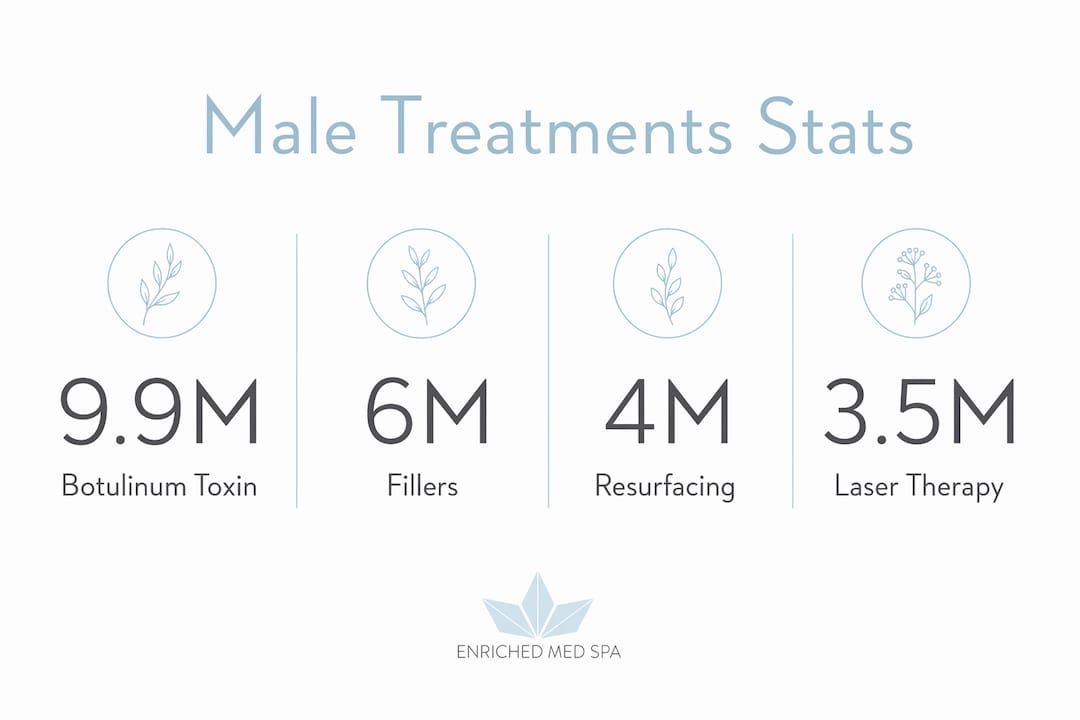
The rising prevalence of non-surgical procedures, with botulinum toxin leading at 9.88 million US procedures in 2024, reflects how accessible and repeatable these treatments have become. Canada follows a parallel trajectory.
How clinicians tailor aesthetic plans to preserve masculine features
The most common concern men raise before a first treatment is straightforward: “I don’t want to look done.” That concern is clinically valid, and a skilled practitioner takes it seriously from the first conversation.
Clinicians working with male patients apply a few core principles:
- Preserve facial angles: The male face is characterised by stronger brow projection, a more angular jaw, and a broader chin. Treatment plans protect these landmarks rather than soften them.
- Conservative dosing first: A staged approach starting with minimal volume or dose, then adjusting at a follow-up, dramatically reduces the risk of results that feel overdone.
- Targeted placement: Botulinum toxin placed too low on the brow can feminise the face. Fillers placed without accounting for bone structure can obscure rather than define. Technique matters as much as product choice.
- Skin-specific considerations: Men’s skin tends to be thicker and more sebaceous, which affects how laser energy is delivered and how fillers integrate.
Pro Tip: When you describe your goals, use words like “definition,” “structure,” or “looking less tired” rather than “younger.” Clinicians who work with male patients respond to functional, outcome-oriented language, and it helps them calibrate the plan to what you actually want.
Clinical guidance consistently recommends that practitioners working with men reframe consultations around structure and maintenance rather than cosmetic softening. That shift in language reduces stigma and produces better-aligned outcomes.
What to expect at your first consultation
A well-run consultation follows a clear sequence, and knowing it in advance makes the appointment far less uncertain.
- Medical history review: The clinician asks about medications, allergies, previous treatments, and any relevant health conditions. This is not optional; it directly affects which treatments are safe for you.
- Goal-setting conversation: You describe what you want to address. The clinician listens, asks clarifying questions, and identifies whether your goals are achievable with non-surgical options.
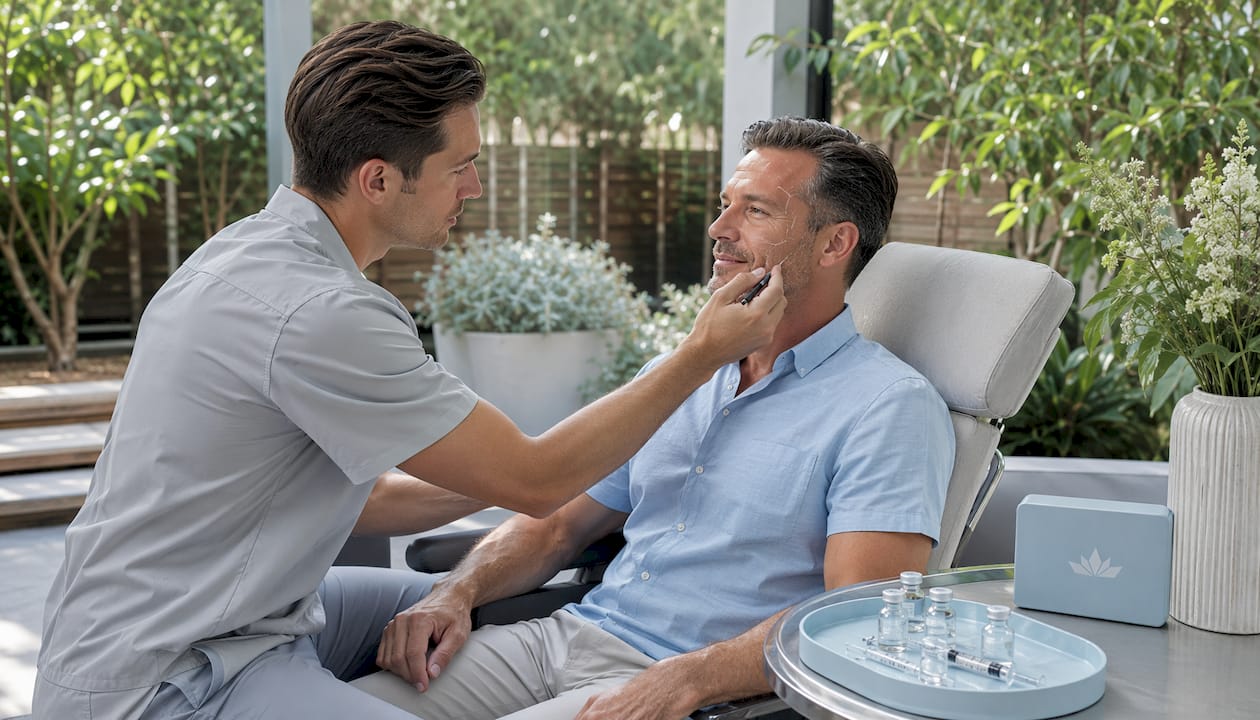
- Facial analysis: The clinician assesses your skin type, facial structure, muscle movement, and areas of concern. For injectables, this often involves observing your face at rest and in motion.
- Treatment options and plan: You receive a clear explanation of which treatments are recommended, why, and in what order. A good clinician will also tell you what they would not recommend and why.
- Consent and costs: Before anything is administered, you review and sign an informed consent form. Costs are disclosed upfront, with no surprises.
Questions worth asking at your consultation:
- What are your credentials, and who administers the injectables?
- Can I see before-and-after examples relevant to my concern?
- What are the realistic risks and how common are they?
- What does aftercare involve, and when should I follow up?
- What happens if I am not satisfied with the result?
Red flags to watch for: a clinician who promises specific outcomes, avoids discussing risks, cannot produce documented credentials, or works in a setting with poor hygiene standards. The role of a qualified medical aesthetician includes patient education, not just treatment delivery.
Safety, risks, and what Health Canada’s framework means for you
In Canada, botulinum toxin and dermal fillers are classified as prescription drugs and medical devices respectively, which means they must be administered by or under the supervision of a licensed prescriber. This is not a formality. It is the mechanism that separates a clinical setting from an unregulated one.
Key safety considerations:
- Qualified prescriber requirement: Injectables must be administered by or under the direct supervision of a physician, nurse practitioner, or registered nurse with appropriate delegation.
- Informed consent: You should receive a clear explanation of risks, alternatives, and expected outcomes before any treatment begins.
- Documented aftercare: A responsible clinic provides written aftercare instructions and a contact number for post-treatment concerns.
- Adverse event awareness: As procedure volumes have grown, clinical reviews have called for stronger adverse-event reporting standards. Choosing a clinic that follows these protocols matters.
Seek urgent medical attention if you experience: sudden vision changes, severe or worsening pain at an injection site, signs of skin discolouration or blanching (which may indicate vascular compromise), or fever and spreading redness suggesting infection. These are rare but require prompt assessment.
This article provides general information, not medical advice. Confirm current guidelines and your individual suitability with a qualified clinician before proceeding with any treatment.
What do treatments cost in Canada, and how many sessions will you need?
Cost ranges vary by treatment type, provider experience, and geography. The table in the treatments section gives per-session estimates. Here is a practical timeline framework:
| Treatment category | Typical first-visit duration | When results appear | Maintenance frequency |
|---|---|---|---|
| Botulinum toxin | 30 minutes | 5 days | Every 3–4 months |
| Dermal fillers | 45 minutes | Immediate to 2 weeks | Every 9 months |
| Laser resurfacing | 30 minutes | 2–4 weeks post-treatment | Annually or as needed |
| Microneedling | 60 minutes | 4–6 weeks (series of 3–4) | Every 3–6 months |
| Radiofrequency tightening | 45 minutes | 2–3 months | Every 12 months |
| Hair restoration (PRP) | 60 minutes | 3–6 months | Every 6 months |
A few practical notes on budgeting:
- Many clinics, including Enrichedmedspa, offer package pricing for treatment series, which reduces the per-session cost.
- The best aesthetic treatments for professionals tend to be those with minimal downtime and predictable maintenance schedules, since they fit around demanding work schedules.
- Choosing a provider based on price alone is a false economy. An undertrained injector or poorly calibrated laser can produce results that cost significantly more to correct.
How Enrichedmedspa approaches male aesthetic care
Many men who come to Enrichedmedspa for the first time describe the same pattern: they have been noticing something for months, whether it is deepening forehead lines, a softening jawline, or thinning at the temples, and they want to address it without it being obvious that they did.
The clinic’s approach for male clients follows a consistent structure:
- Assessment first: A thorough review of your skin, facial structure, and goals before any treatment is discussed.
- Staged treatment plan: Rather than addressing everything at once, the plan prioritises the concern with the most impact and builds from there.
- Conservative first session: The first treatment uses minimal dose or volume. Results are reviewed at a follow-up before any adjustment.
- Ongoing maintenance and review: Treatment plans evolve as your skin changes and your goals are refined.
Trust signals that matter when choosing a clinic:
- Injectables administered by a registered nurse or physician
- Clear, written informed consent process
- Transparent discussion of Health Canada guidelines and product approvals
- Patient education resources and documented aftercare
Before and after photos and real patient examples are available during consultations at Enrichedmedspa, giving you a realistic sense of what outcomes look like for your specific concern.
Key takeaways
Medical aesthetics for men work best when the plan is conservative, clinically grounded, and built around preserving masculine structure rather than altering it.
| Point | Details |
|---|---|
| Treatments address structure, not just ageing | Botulinum toxin, fillers, and resurfacing can sharpen jawlines, reduce tension lines, and improve skin texture without feminising the face. |
| Staged plans reduce the risk of overdoing it | Starting with minimal dose or volume and adjusting at follow-up is the standard approach for male patients in clinical practice. |
| Safety depends on provider qualifications | In Canada, injectables must be administered by or under the supervision of a licensed prescriber; always confirm credentials before proceeding. |
| Psychological benefits are real but should be realistic | Research shows 27.7% of men reported feeling more masculine after cosmetic procedures, even when that was not their stated goal. |
| Enrichedmedspa offers male-focused care in Ontario | The clinic serves Woodbridge and East Gwillimbury with a staged, clinician-led approach designed for men who want natural, confident results. |
A clinician’s perspective on what male clients actually want
The conversation around male aesthetics has shifted considerably, but one thing has stayed consistent: men want results that no one notices except them. That is not vanity. It is a reasonable expectation from a clinical treatment.
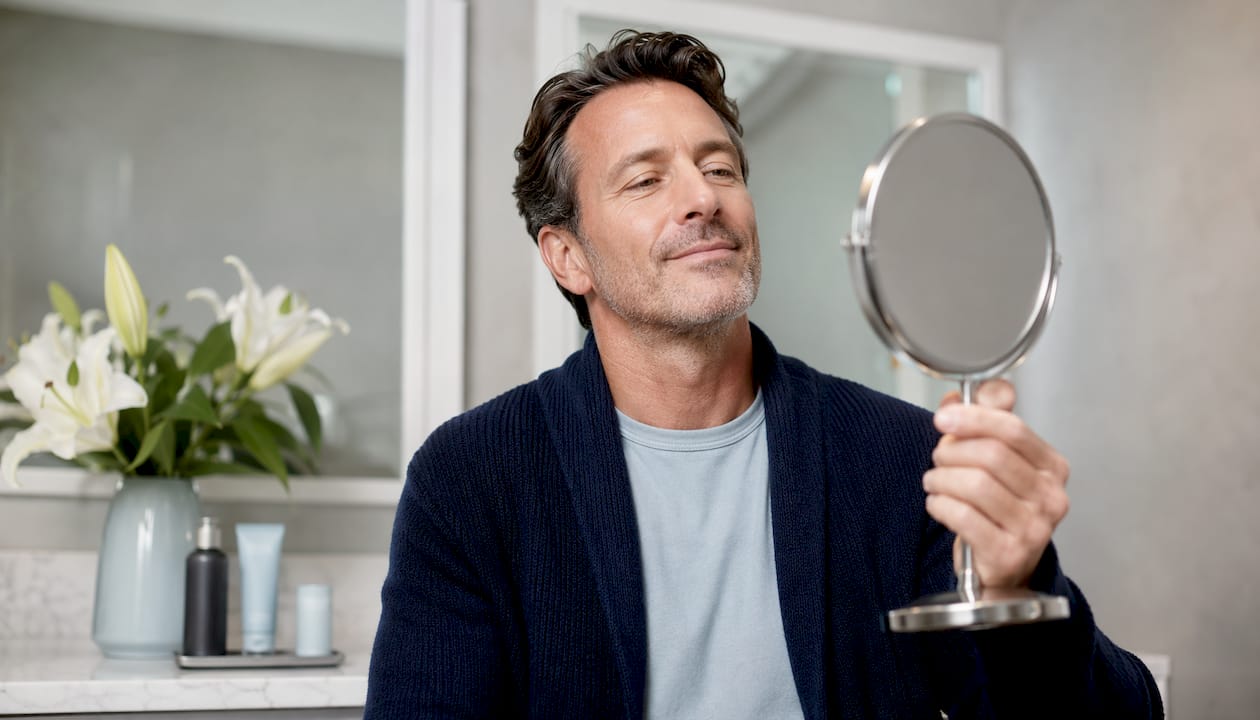
What gets overlooked in most discussions of male aesthetics is how much the consultation itself shapes the outcome. Men who feel comfortable describing their goals clearly, and who receive a plan that reflects those goals rather than a generic protocol, tend to be far more satisfied. The stigma barrier that keeps many men from seeking treatment in the first place often dissolves the moment the conversation is framed around function and structure rather than appearance.
The other underappreciated reality is timing. Men who start with a light preventative approach in their 30s, whether that is low-dose botulinum toxin, a microneedling series, or a basic skincare routine that supports skin health between clinic visits, tend to need less correction later. The results stay subtle because the baseline was maintained. That is the actual argument for prejuvenation, and it is a clinical one, not a marketing one.
The psychological dimension is worth acknowledging honestly. Research shows that 27.7% of men reported feeling more masculine after cosmetic procedures, even when masculinity was not their stated goal. That is not a reason to pursue treatment, but it is a reason to take the psychological context seriously during consultation, including screening for unrealistic expectations.
Enrichedmedspa: a practical next step for men in Ontario
Enrichedmedspa offers male clients something that generic clinics often don’t: a consultation process built around your specific structure, goals, and comfort level. The clinic’s services in Woodbridge and East Gwillimbury include cosmetic injectables such as Botox, Nucieva, Xeomin, and dermal fillers (Juvederm, Teosyal), alongside medical-grade skin treatments including microneedling, laser resurfacing, and radiofrequency skin tightening.
Your first appointment is a clinical assessment, not a sales conversation. You will discuss your concerns, review your options, and leave with a clear, staged plan, or simply more information if you are not ready to proceed. Consultations are private, clinically focused, and conducted by qualified practitioners who understand how to work with male facial anatomy.
To prepare for your visit, review the skin treatment preparation guide on the Enrichedmedspa website. When you are ready, book a consultation directly through the clinic.
Recommended Canadian and clinical sources
- Environics Analytics: Injecting data — who is the medical aesthetics consumer in Canada? — Canadian market segmentation data on aesthetic procedure consumers; useful for understanding who seeks these treatments and why.
- Premium Doctors: Epidemiological study of non-invasive aesthetic procedure prevalence (2019–2025) — Procedure volume trends, male participation data, and safety considerations for non-surgical aesthetics in North America.
- Masculinity and self-perception: the emotional drivers of male aesthetics — Peer-reviewed clinical guidance on consultation language, stigma reduction, and outcome alignment for male patients.
- Men’s use of cosmetic surgery and the role of traditional masculinity ideologies — Survey-based study examining motivations, procedure types, and psychological outcomes in men who pursue cosmetic treatments.
- Epidemiological trends in male aesthetic treatment demand: Canada and the United States (2015–2025) — Comparative literature review covering male aesthetic demand trends across both Canadian and US markets.
- Enrichedmedspa: what is medical aesthetics? A 2026 patient guide — Clinic-level overview of medical aesthetic principles, services, and patient expectations in a Canadian context.
Recommended
- Botox for men: what it is and how it works
- Botox for Men: Growing Trends and Considerations – Botox Laser Hair Removal OxyGeneo Medi Facial Microneedling – Enriched Med Spa – Vaughan Woodbridge Maple Vellore Village
- What is medical aesthetics? a 2026 patient guide
- How medical aesthetics enhance confidence: a clear guide