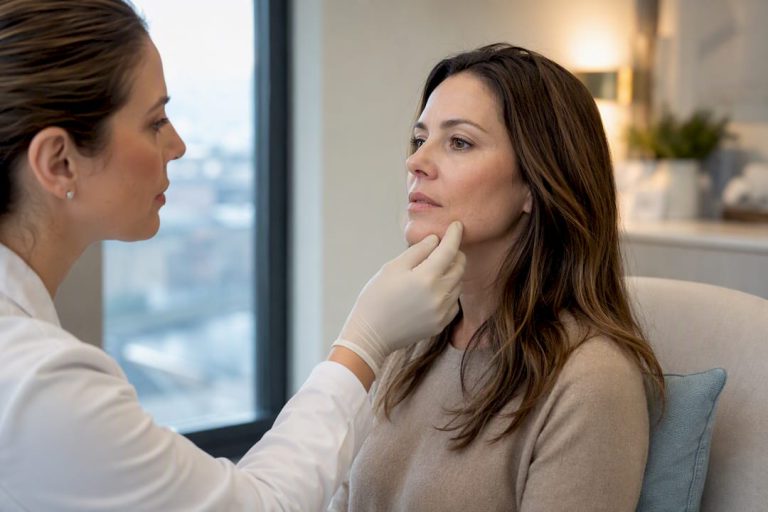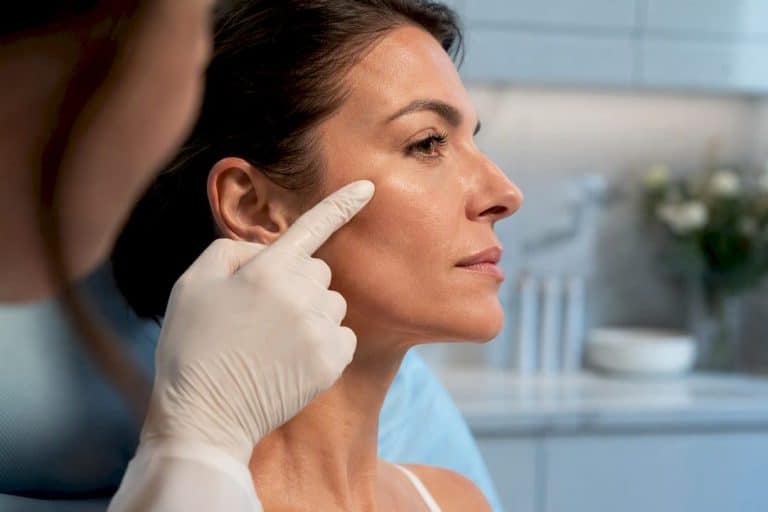
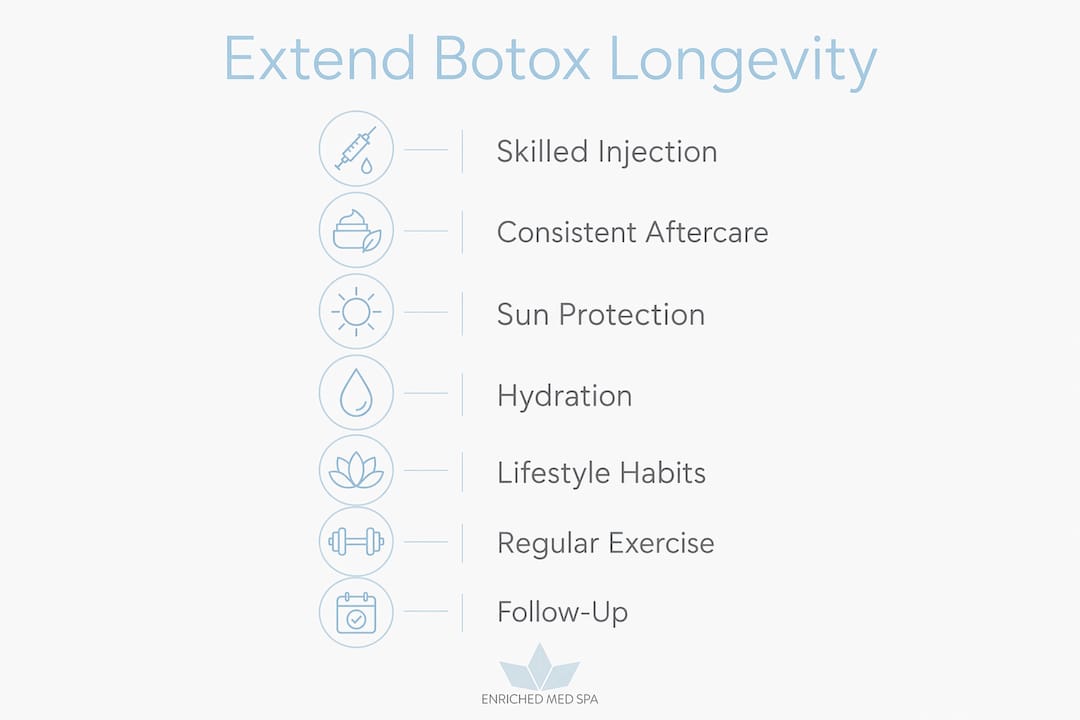
The most effective ways to extend Botox longevity are consistent aftercare, sun protection, stress management, and choosing a skilled injector who doses precisely for your facial anatomy. Results typically last 3–4 months, though with the right habits and treatment plan, many clients can extend that duration. Here is what actually moves the needle.
Key strategies at a glance:
- Stay upright and avoid touching the treated area for at least 4 hours post-injection
- Apply broad-spectrum SPF 30 or higher daily, without exception
- Keep alcohol and blood-thinning supplements out of your routine for 24–48 hours before and after treatment
- Stay well hydrated and eat a diet rich in antioxidants
- Avoid intense physical activity for 24 hours after your appointment
- Schedule maintenance appointments before results fully wear off, not after
- Work with a qualified, experienced injector who personalises your dose and placement
- Consider zinc supplementation cautiously, discussing potential benefits and limitations with your practitioner
- Manage chronic stress, which can accelerate skin ageing and metabolic breakdown
Why Botox results are temporary and what that means for you
Botox works by blocking the nerve signals that tell your facial muscles to contract. Specifically, the neurotoxin cleaves SNAP-25, a protein essential to acetylcholine release at the neuromuscular junction. Without that signal, the muscle relaxes and the overlying skin smooths out. The effect is real, but it is not permanent.
Over time, your body degrades the toxin’s light chain through natural protein pathways, including the ubiquitin-proteasome system. Simultaneously, the nerve terminal regenerates new connections, a process called reinnervation, which gradually restores muscle function. The speed of both processes varies from person to person, which is why one client’s results last three months and another’s last five.
Clinical studies typically measure duration by tracking loss of maximal muscle contraction, but most people notice their results fading when wrinkles reappear at rest, not at peak expression. That gap explains why patient-perceived duration often differs from what clinical trials report. It also means the strategies below are genuinely worth your attention, because even modest improvements in aftercare and lifestyle can shift your personal timeline meaningfully.
Different botulinum toxin products, including Botox, Nucieva, and Xeomin, carry subtle differences in accessory proteins and formulation that can influence how the toxin diffuses and persists in tissue. Your injector’s product choice matters, as does their familiarity with how each one behaves.
Pre-treatment and aftercare best practices that protect your results
What you do in the 24–48 hours before and after your appointment has a direct bearing on how well the toxin settles and how long it holds. Many clients underestimate this window.
Before your appointment:
- Stop blood-thinning supplements (fish oil, high-dose vitamin E, aspirin unless medically required) at least one week prior to reduce bruising risk. Clinicians specifically advise against high-dose vitamin E peri-procedurally.
- Avoid alcohol for 24 hours before treatment, as it dilates blood vessels and increases bruising.
- Come to your appointment with clean skin and no active skin infections in the treatment area.
- Discuss all current medications and supplements honestly with your injector.
After your appointment:
- Stay upright for at least 4 hours. Lying down too soon can shift the toxin before it binds fully.
- Avoid rubbing, massaging, or applying pressure to treated areas for 24 hours.
- Skip intense facial expressions immediately post-treatment. Repeated squinting or frowning right after injection is counterproductive.
- Hold off on facials, microdermabrasion, and heat-based treatments for at least two weeks.
- Use gentle, non-comedogenic skincare and avoid active exfoliants like retinol or AHAs for 48 hours.
Pro Tip: Apply a broad-spectrum SPF 30+ every morning starting the day after your treatment. UV exposure degrades collagen and accelerates skin ageing, both of which shorten how long your results look their best.
Hydration matters here too. Well-hydrated skin holds its texture better and supports the skin barrier that makes your results visible. Drink consistently throughout the day, not just around your appointment.
How to schedule Botox treatments for the best cumulative results
Timing your appointments strategically is one of the most underrated ways to prolong botox effects over the long term. The goal is to maintain a baseline of muscle relaxation rather than letting muscles fully recover between sessions.
- Book before full wear-off. Coming in when you notice early movement returning, rather than waiting until wrinkles are fully back, helps maintain continuity. Most clients find a 3–4 month cycle works well, with a few seeing effects last closer to six months, depending on technique and individual factors.
- Avoid over-treating. Injecting too frequently can lead to resistance in rare cases and does not meaningfully extend results. Your injector should guide the interval based on your response, not a fixed calendar.
- Expect cumulative benefit. Many clients find that after several consistent treatment cycles, results begin lasting slightly longer. The muscle gradually learns a resting state, and the skin above it has had sustained time to recover.
- Personalise your schedule. Factors like metabolism, muscle mass, and the specific area treated all affect how long your results hold. A personalised treatment plan with a qualified practitioner is far more reliable than a generic timeline.
We often see clients who waited too long between appointments frustrated that their results seem shorter each time. Consistency, not frequency, is what builds lasting benefit.
Lifestyle habits that help your Botox last longer
Modifiable daily habits genuinely influence how long your results stay visible, even if the clinical evidence linking specific behaviours directly to neurotoxin degradation rates is still developing. The clinical consensus is that metabolism, sun exposure, smoking, and chronic stress all affect skin quality and the rate at which the body processes the toxin.
Sun and UV exposure
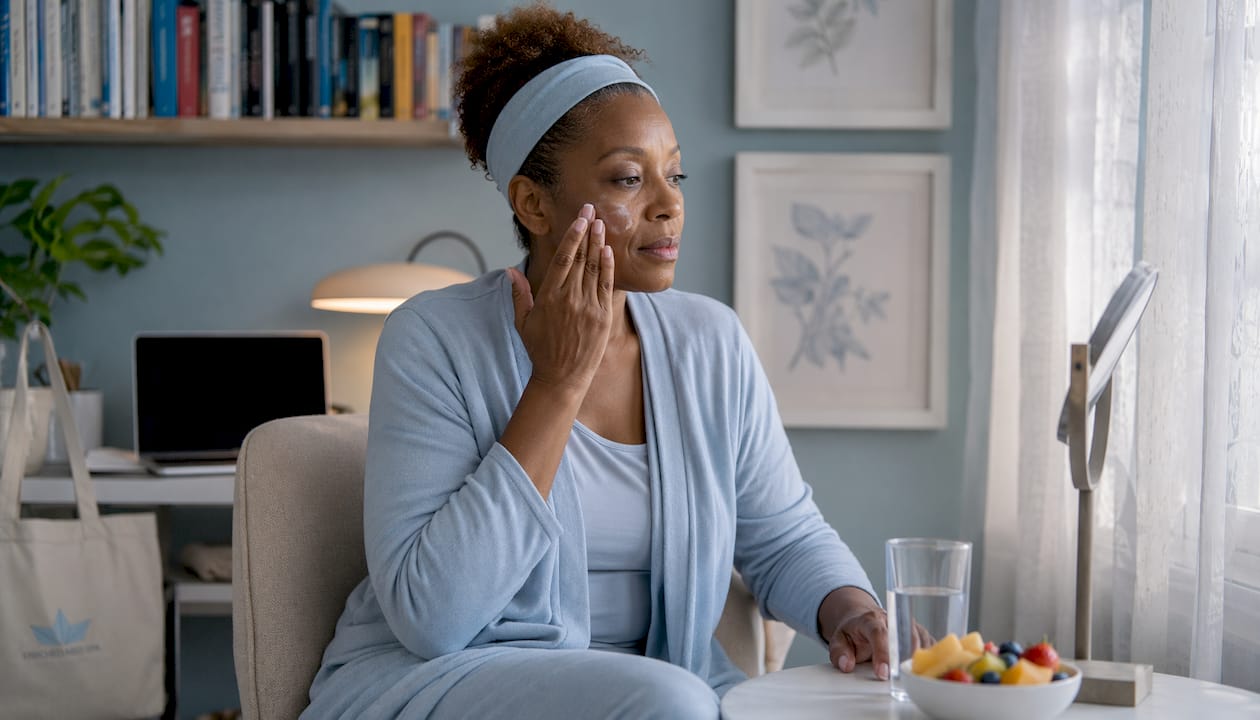
UV radiation is one of the clearest accelerants of skin ageing. It breaks down collagen, thins the dermis, and makes wrinkles more visible even when the underlying muscle is still relaxed. Daily SPF use, regardless of season or cloud cover, is the single most protective habit you can build around your Botox investment. In Canada, where UV index spikes significantly from April through September, this is not optional.
Diet and antioxidants
A diet rich in antioxidants, including vitamins C and A from whole foods, supports collagen synthesis and reduces oxidative stress on skin cells. Processed foods and excess sugar promote glycation, a process that stiffens collagen fibres and ages skin faster. You do not need a specific “Botox diet,” but eating well supports the skin environment that makes your results look their best.
Hydration
Does hydration affect Botox longevity directly? The honest answer is that no clinical trial has isolated hydration as a variable. What we do know is that dehydrated skin looks older and shows movement lines more readily, which shortens how long results appear smooth. Aim for consistent daily water intake and use a quality moisturiser to support the skin barrier.
Stress management
Chronic stress elevates cortisol, which accelerates collagen breakdown and increases metabolic rate, both of which can shorten how long the toxin remains effective. Clients who manage stress well through sleep, movement, and mindfulness tend to report more consistent results between appointments.
Exercise guidelines to protect your Botox results
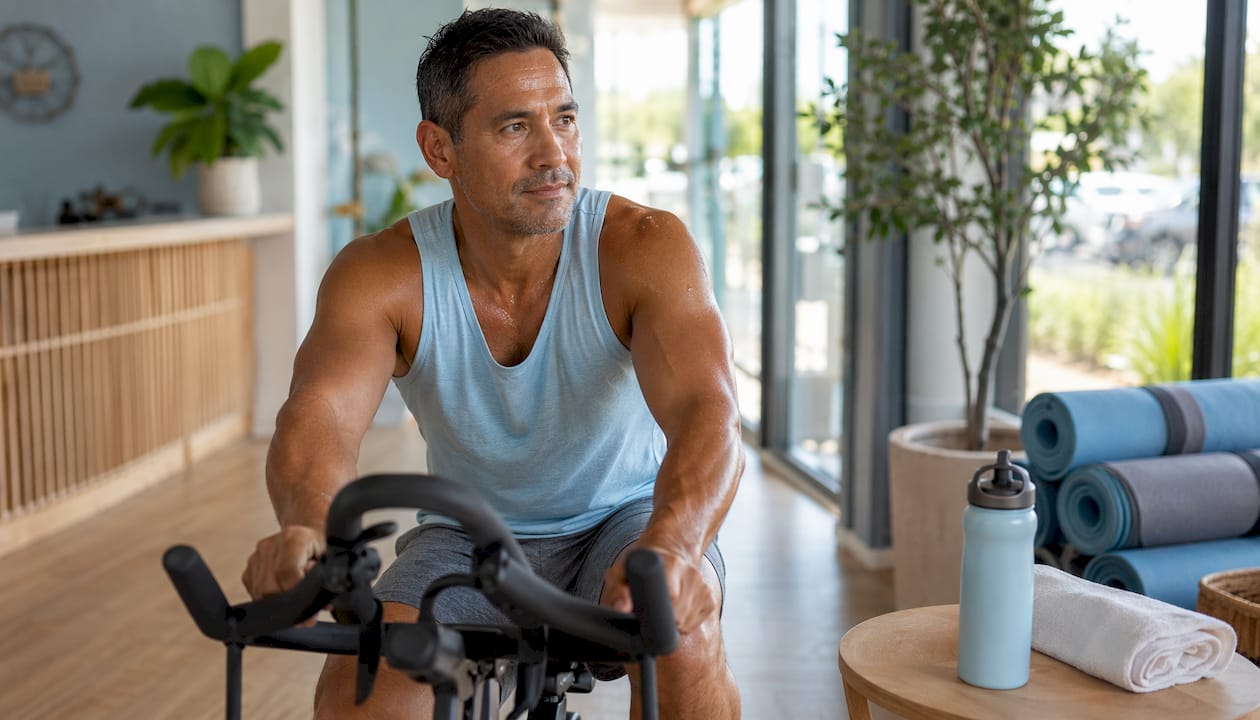
Physical activity is healthy, but the timing and intensity of exercise around your Botox appointment genuinely matters. Research shows that high levels of physical activity reduce the aesthetic durability of botulinum toxin type A, particularly in muscles like the frontalis and corrugator.
- Avoid intense exercise for 24 hours post-injection. Elevated heart rate and blood flow can disperse the toxin before it fully binds to the nerve terminal.
- Skip facial-muscle-heavy workouts. Activities that involve repeated, forceful facial expressions, such as heavy weightlifting with breath-holding and grimacing, may accelerate reinnervation in treated muscles.
- Moderate activity is fine after 24 hours. Walking, light yoga, and low-intensity cardio pose no meaningful risk once the initial settling period has passed.
- Be aware if you train at high intensity regularly. Athletes and people with very active lifestyles may find their results wear off faster. Discussing this with your injector allows for dosing adjustments that account for your activity level.
The mechanism is straightforward: intense physical activity promotes faster nerve reinnervation, which is the process that restores muscle function after Botox. Slowing that process down in the first 24 hours gives the toxin its best chance to bind effectively.
How smoking and vaping shorten your Botox results
Smoking is one of the clearest lifestyle factors working against your Botox results. It constricts blood vessels, reduces oxygen delivery to skin tissue, and degrades collagen at an accelerated rate. The cumulative effect is skin that ages faster and holds injectable results for a shorter time.
- Smoking accelerates skin ageing and negatively impacts injectable outcomes by compromising circulation and skin quality.
- Nicotine-driven vasoconstriction reduces the nutrient supply to skin cells, making it harder for treated tissue to maintain the smooth appearance Botox creates.
- Vaping carries similar risks, though the research specific to vaping and Botox longevity is limited. The nicotine and inflammatory compounds in vape aerosols are plausibly harmful to skin health by the same mechanisms.
- Reducing or stopping smoking before and after treatment gives your skin the best environment to hold results.
We understand that cessation is not simple, and we do not raise this to judge. We raise it because clients who smoke often notice shorter result windows and deserve to understand why. Even reducing frequency around your treatment window can make a difference.
How alcohol affects Botox treatment duration
Alcohol has two distinct effects on Botox outcomes, one immediate and one cumulative. In the short term, alcohol dilates blood vessels and increases bruising risk, which can affect how cleanly the toxin settles post-injection. Over the longer term, regular heavy drinking dehydrates skin, depletes nutrients like zinc and B vitamins, and accelerates skin ageing.
- Avoid alcohol for 24 hours before your appointment and 24 hours after.
- Moderate, occasional drinking between treatments is unlikely to meaningfully shorten your results.
- Chronic heavy alcohol use, however, creates a skin environment that ages faster and responds less consistently to injectables.
The pre- and post-treatment windows are where alcohol has the most direct impact. Outside those windows, the effect is more about overall skin health than acute toxin behaviour.
Supplements and medications that may affect Botox efficacy
A small but growing body of research explores whether supplements can extend Botox duration. The most studied is zinc. A pilot study found that 92% of participants who took 50 mg of zinc citrate with phytase experienced an average increase in toxin effect duration of nearly 30%. The results were striking enough that the study was terminated early due to the clinical impact on participants’ lives.
That said, a systematic review of the available trials concludes that larger, well-designed clinical studies are still needed before zinc supplementation can be formally recommended. The current evidence is promising but limited in scale and methodological rigour.
Other supplements worth knowing about:
- High-dose vitamin E: Clinicians advise against it peri-procedurally due to increased bruising risk, with no evidence of efficacy benefit.
- Copper: Acts as a theoretical inhibitor of botulinum toxin in animal models, though clinical relevance in humans is unestablished.
- Magnesium and calcium: Theoretical roles in neuromuscular transmission modulation, but no clinical validation exists.
- Blood thinners (aspirin, fish oil, NSAIDs): Increase bruising risk without any longevity benefit. Pause them before treatment unless medically contraindicated.
The practical takeaway is to discuss your full supplement list with your injector before treatment. Some substances help, some harm, and the picture is nuanced enough that a one-size-fits-all recommendation does not serve you well.
What Enrichedmedspa’s practitioners want you to know about lasting results
At Enrichedmedspa, serving clients across Woodbridge and East Gwillimbury, Ontario, we see a wide range of starting points. Some clients come in with very active facial muscles and fast metabolisms; others have skin that holds results beautifully for five months or more. What we have learned is that practitioner skill and personalised dosing are the most controllable factors in the equation, often more impactful than any lifestyle change a client can make on their own.
Injection technique and precise placement determine not just how natural your results look, but how long they last. Accurate dosing, tailored to your muscle mass and movement patterns, prevents both under-treatment (short duration) and over-treatment (unnatural appearance). We take time at every appointment to assess how your previous treatment settled before planning the next one.
Complementary treatments can meaningfully extend what Botox achieves. Microneedling stimulates collagen production and improves skin texture, creating a healthier canvas that makes results more visible for longer. Chemical peels address surface skin quality, and radiofrequency skin tightening supports the deeper structural layers that Botox does not directly address. Used together thoughtfully, these treatments compound each other’s benefits.
Canadian climate adds a practical layer to aftercare. Cold, dry winters strip moisture from skin, and the UV rebound in spring catches many clients off guard. We recommend year-round SPF and a consistent moisturising routine, adjusted seasonally, as a baseline for anyone receiving injectables.
Follow-up consultations are not just about booking your next appointment. They are where we assess your response, refine your protocol, and catch early signs of anything worth addressing. Clients who stay engaged with their treatment plan consistently report more satisfying, longer-lasting results than those who treat each appointment as a standalone event.
If you are curious about how injectables fit into a broader skin health plan, our guide to cosmetic injectables is a good place to start. We are always happy to walk through your options in a consultation, without pressure and with realistic expectations at the centre of the conversation.
Key takeaways
Extending Botox longevity comes down to three things: skilled injection technique, consistent aftercare, and the daily habits that support your skin between appointments.
| Point | Details |
|---|---|
| Results typically last between three and four months (occasionally up to six) | Clinical evidence shows most results last 3–4 months, and in some cases up to 6 months, depending on technique, product choice, and individual lifestyle. |
| Practitioner skill is the top factor | Accurate dosing and precise placement by a qualified injector have more impact on duration than any lifestyle change alone. |
| Aftercare in the first 24 hours matters | Staying upright, avoiding pressure on treated areas, and skipping intense exercise protects the toxin as it binds. |
| Zinc supplementation shows promise | A pilot study found a nearly 30% increase in duration for 92% of participants using zinc citrate and phytase, though larger trials are still needed. |
| High-intensity exercise shortens results | Research confirms that high physical activity levels reduce aesthetic durability in treated facial muscles, particularly frontalis and corrugator. |