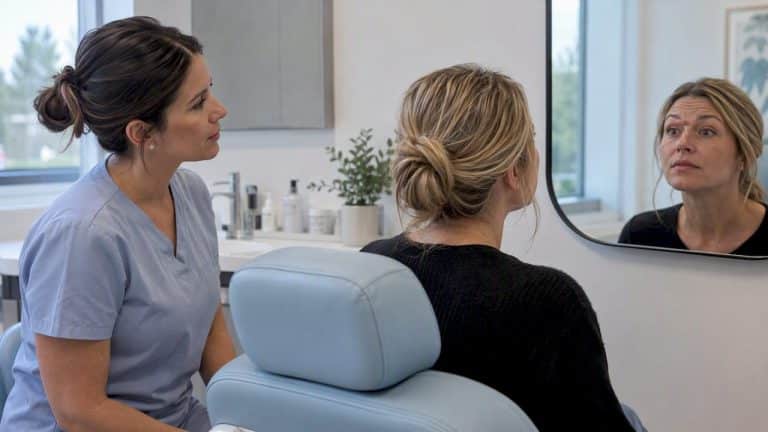
You don’t need surgery to see real, lasting improvements in your skin. That’s a fact more people in Woodbridge and East Gwillimbury are discovering every year. Microneedling has moved well beyond niche treatment status to become one of the most clinically supported, non-surgical options for addressing acne scarring, fine lines, uneven texture, and early signs of skin laxity. If you’ve been told that visible renewal requires going under the knife, this guide will give you a much clearer, science-backed picture of what’s actually possible.
Table of Contents
- What is microneedling? The basics explained
- How microneedling works: Science, process, and device types
- Microneedling results: Effectiveness for scarring, lines, and skin texture
- Comparing microneedling to other skin treatments
- Risks, side effects, and safety tips for microneedling
- Our perspective: What most guides get wrong about microneedling
- Explore safe, effective microneedling and expert skin care
- Frequently asked questions
Key Takeaways
| Point | Details |
|---|---|
| Non-surgical solution | Microneedling offers science-backed skin rejuvenation without surgery or major downtime. |
| Results require a series | Improvements build with multiple sessions and proper professional technique. |
| Safety is essential | Choosing the right device, provider, and hygiene practices is critical to avoid complications. |
| Compares well for comfort | Many users find microneedling more tolerable than lasers or chemical peels for pain level. |
| Know your risks | RF devices and poor technique increase the chance of serious side effects, so informed decisions matter. |
What is microneedling? The basics explained
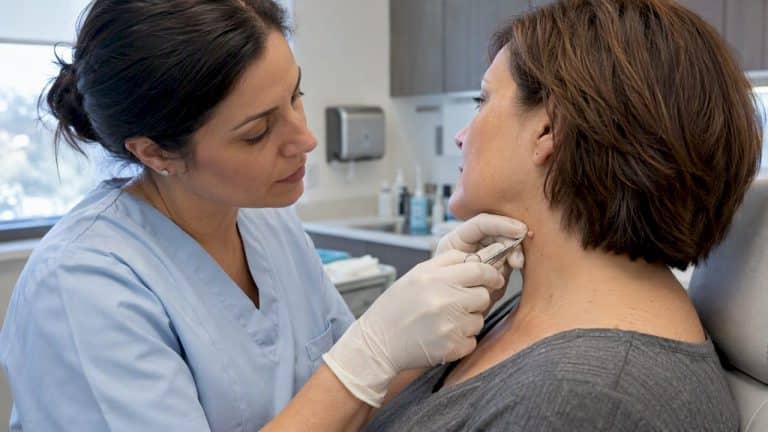
Microneedling is exactly what it sounds like at a surface level: tiny needles, carefully controlled, moving across the skin. But what happens beneath that surface is far more nuanced. According to research, microneedling is a minimally invasive procedure that uses multiple very small needles to create controlled micro-injuries in the epidermis and dermis, often referred to clinically as percutaneous collagen induction therapy, or PCIT. Those micro-injuries are not damage in the harmful sense. They are deliberate, calibrated signals to your skin’s repair systems.
Your skin responds to those signals the same way it would respond to any wound: it mobilises its healing resources. And that healing response is exactly where the visible benefits come from. Research confirms that microneedling stimulates collagen and elastin production through this wound healing cascade, building structure and elasticity in areas where both have been depleted by ageing, sun damage, or scarring.
You’ll also hear it called:
- Collagen induction therapy (CIT)
- Percutaneous collagen induction (PCI)
- Skin needling
- Dermarolling (though this term is used more loosely for at-home devices)
“The skin’s ability to heal itself is remarkable. Microneedling simply gives it a structured reason to do so — using your own biology, not external chemicals or heat, as the primary driver of change.”
Among non-surgical skin treatments, microneedling occupies a distinct position. Unlike lasers, it doesn’t rely on heat energy. Unlike chemical peels, it doesn’t rely on controlled acid damage. It works by exploiting the skin’s own repair intelligence, which is part of why the microneedling benefits can feel particularly natural in their progression. For those considering additional regenerative support, combining this treatment with PRP facial rejuvenation adds growth factor delivery to the process, amplifying the biological response.
How microneedling works: Science, process, and device types
Once you understand what it is, it helps to see exactly how microneedling works and what steps or equipment make a meaningful difference.
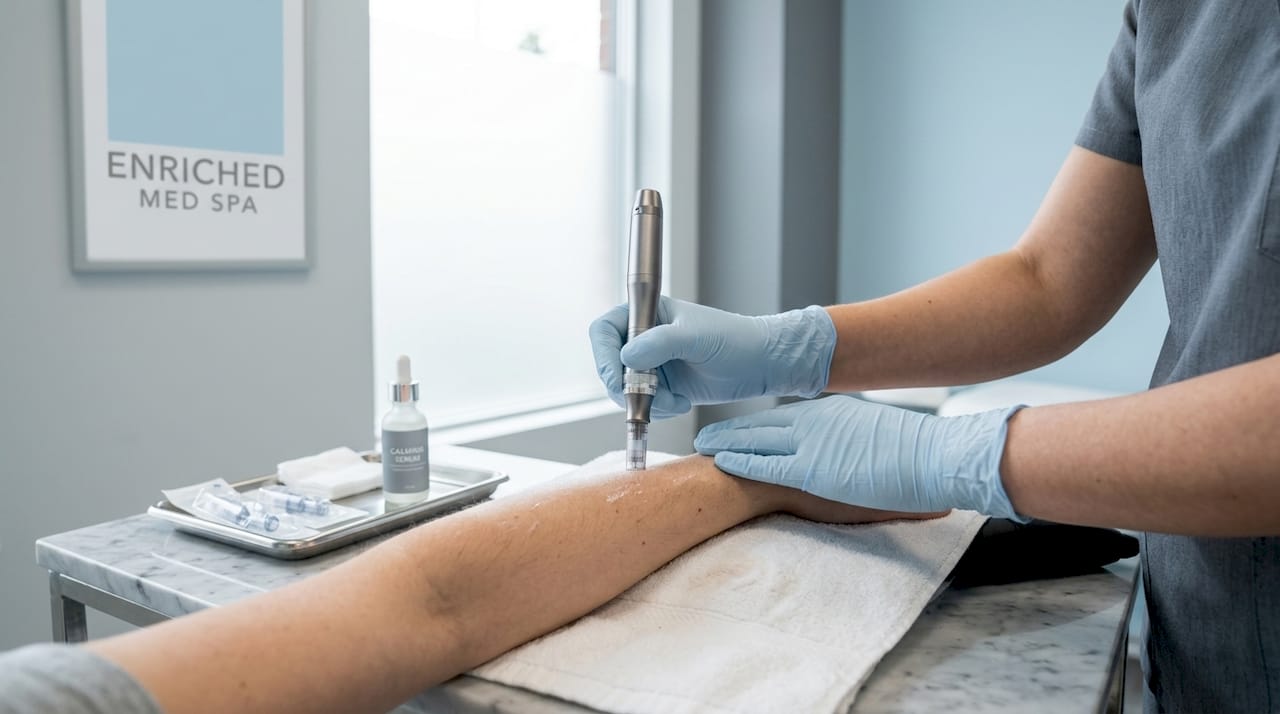
The science starts with three core processes. Microneedling stimulates collagen and elastin production, but it also activates growth factor signalling, fibroblast activity, and improved epidermal barrier function. Fibroblasts are the cells responsible for producing collagen. When they’re activated through micro-injury, they ramp up production in the weeks following treatment. This is why results build gradually rather than appearing overnight.
A typical professional microneedling session follows this sequence:
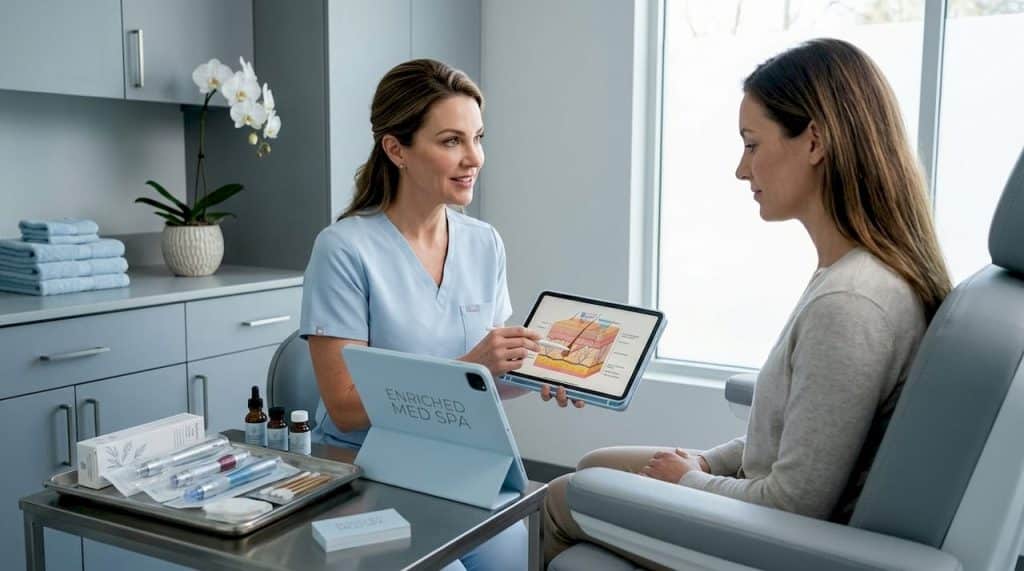
- Consultation and skin assessment — your provider reviews your skin type, concerns, and any contraindications before proceeding.
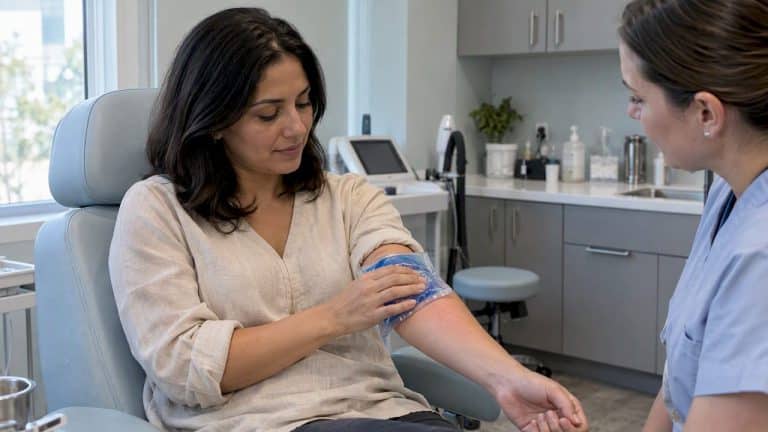
- Topical numbing — a numbing cream is applied 20 to 45 minutes before treatment to keep you comfortable throughout.
- Cleansing — the treatment area is thoroughly cleaned to reduce infection risk.
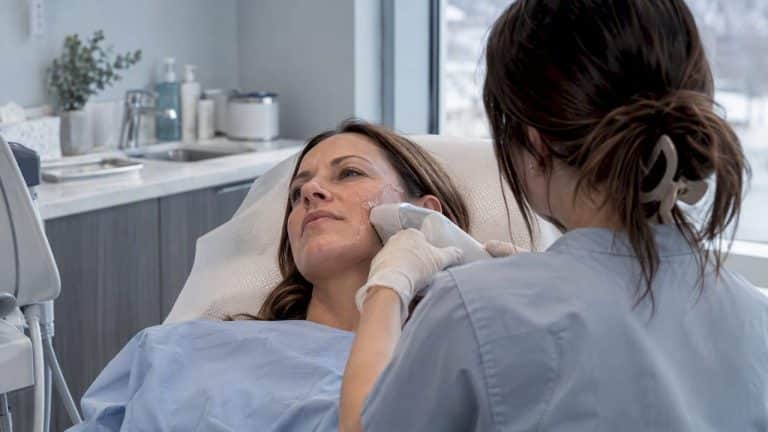
- Device pass — a medical-grade pen or roller device is moved across the treatment zone in controlled passes, adjusting depth based on the area being addressed.
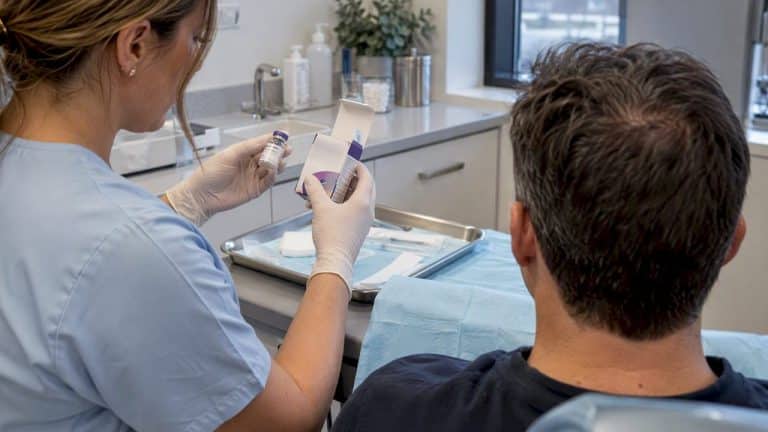
- Serum application — immediately after needling, the microchannels created in the skin allow for significantly better absorption of targeted microneedling serums, such as hyaluronic acid or growth factor formulas.
- Soothing and post-care instructions — a calming product is applied and you leave with clear aftercare guidance.
Not all devices are equal, and this matters more than most people realise when choosing a microneedling device. At-home dermarollers are the most accessible but least precise option. They use a rolling wheel of fixed-depth needles that can drag across the skin unevenly. Medical-grade pens, used in clinical settings, use motorised stamping motions that create cleaner channels at adjustable depths. Radiofrequency (RF) microneedling devices add thermal energy through the needles, intensifying collagen remodelling but also carrying a higher risk profile.
Pro Tip: Device hygiene and session technique are the single most important safety factors in microneedling. Dull, reused, or improperly cleaned needles dramatically increase infection risk and reduce the quality of results. This is one of the most compelling reasons to choose a qualified clinic over at-home treatment.
Microneedling results: Effectiveness for scarring, lines, and skin texture
With the science in mind, it’s time to look at what microneedling actually achieves in practice.
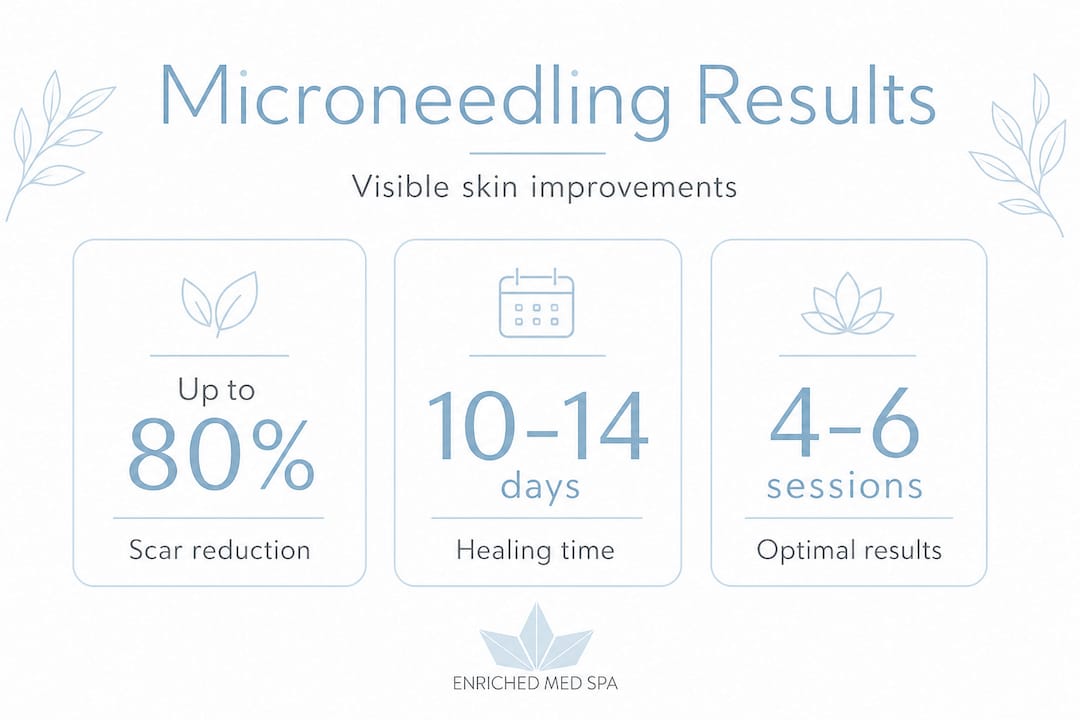
The most studied application is atrophic acne scarring, which refers to the depressed, pitted scars left behind after inflammatory acne. Research confirms there is strong evidence for microneedling as a treatment option for atrophic acne scars, though comparative results versus other treatments vary depending on the outcome measured and how studies are designed. The key takeaway: microneedling works for acne scars, and it works well, but the degree of improvement depends on scar depth, skin type, and the number of sessions completed.
Here’s a realistic overview of what to expect across common concerns:
| Skin concern | Expected improvement | Recommended sessions |
|---|---|---|
| Atrophic acne scars | Moderate to significant reduction in depth and visibility | 3 to 6 sessions |
| Fine lines and wrinkles | Visible softening, especially around eyes and mouth | 3 to 4 sessions |
| Skin texture and tone | Smoother surface, reduced pore appearance | 2 to 4 sessions |
| Mild skin laxity | Improved firmness in lower face and neck | 4 to 6 sessions |
| Stretch marks | Partial to moderate improvement | 4 to 8 sessions |
Sessions are typically spaced four to six weeks apart to allow the collagen remodelling process to progress fully between visits.
What many people appreciate about microneedling is its tolerability relative to other treatments. Clinical data places it among the more comfortable options for skin renewal, which matters if you’re managing a busy schedule or a lower pain threshold.
Additional benefits worth noting include:
- Improved product absorption after treatment, making your regular skincare more effective
- Minimal downtime, typically 24 to 72 hours of redness and mild sensitivity
- Suitability for the face, neck, décolletage, and even scalp depending on the concern
- Gradual, natural-looking results that build over several weeks rather than appearing abrupt
For a deeper look at the evidence behind these outcomes, the microneedling benefits explained resource at Enriched Med Spa covers the clinical basis and realistic patient expectations clearly. You can also read more about how microneedling improves skin at a cellular level if you want the full picture.
Comparing microneedling to other skin treatments
To make the best decision for your skin, it helps to see how microneedling compares to its main alternatives.
| Treatment | Pain level | Downtime | Best for | Main limitation |
|---|---|---|---|---|
| Microneedling | Low to moderate | 1 to 3 days | Scars, texture, mild laxity | Multiple sessions needed |
| Laser resurfacing | Moderate to high | 5 to 14 days | Deep lines, pigmentation | Heat risks on darker skin tones |
| Chemical peels | Low to moderate | 2 to 7 days | Surface texture, pigment | Limited depth of effect |
| Dermal fillers | Low | Minimal | Volume loss, deep folds | Does not improve skin quality |
Research comparing these options notes that microneedling may be comparatively more tolerable for pain than alternatives, while other treatments or combination approaches can rank higher for certain specific efficacy outcomes. In other words, microneedling is rarely the single most powerful option for any one concern, but it often offers the best balance of effectiveness, tolerability, and safety across a range of concerns.
This is particularly relevant for individuals with medium to darker skin tones, where laser treatments carry a higher risk of post-inflammatory hyperpigmentation (darkening of the skin after treatment). Microneedling is generally considered safer across a broader range of skin tones.
Pro Tip: Combining treatments often produces the best outcomes. Microneedling with PRP is one of the most popular combinations, layering platelet-rich plasma over freshly needled skin to flood the healing channels with growth factors. The effects of microneedling are meaningfully amplified when paired with the right complementary treatment.
Risks, side effects, and safety tips for microneedling
Understanding what’s possible is empowering, but safety is non-negotiable, particularly if you’re exploring at-home options or RF devices.
Common, short-term side effects following a professional microneedling session include:
- Redness and flushing, similar in appearance to a mild sunburn
- Swelling, particularly around the eyes and cheeks
- Minor pinpoint bleeding during or immediately after the procedure
- Tenderness and sensitivity to touch for 24 to 48 hours
- Peeling or dryness as the skin renews itself over the following days
Less common but more significant risks include infection, post-inflammatory hyperpigmentation (especially on darker skin tones without proper screening), and prolonged redness. The FDA notes clearly that skin damage and possible infection risk depend significantly on how devices are used, how they’re cleaned, and individual patient factors.
The microneedling risks and safety considerations become even more important when radiofrequency (RF) devices are involved. The FDA has issued specific safety communications noting reports of burns, scarring, fat loss, disfigurement, and nerve damage associated with RF microneedling when not properly administered. These are not common outcomes in qualified clinical settings, but they underscore why provider selection and device expertise matter enormously.
“Microneedling is safe when it’s done right. The risks rise dramatically with improper technique, unsterilised devices, or treatment performed on contraindicated skin conditions. Asking the right questions before you book can protect your skin and your results.”
Before your treatment, preparing for microneedling properly is essential. Avoid blood-thinning supplements, retinoids, and active exfoliants for several days prior. Key questions to ask your provider include: What device do you use? How is it sterilised between clients? What needle depth will you use for my specific concerns? Do you screen for contraindications such as active acne, rosacea, or autoimmune conditions?
Our perspective: What most guides get wrong about microneedling
Most articles about microneedling make it sound effortless: book a session, see results, repeat as desired. The reality is more nuanced, and we think you deserve to hear it honestly.
First, microneedling is a process, not an event. The collagen remodelling triggered by a single session builds slowly over six to eight weeks. You will not leave your first appointment with noticeably smoother skin. What you’re doing is planting seeds. The results accumulate with each additional session, and they continue improving for months after your final treatment. Clients who expect dramatic change after one visit often feel disappointed, not because the treatment failed, but because no one set their expectations clearly.
Second, the device is not the determining factor in your outcome. Technique is. A skilled injector or clinician working with a standard medical pen will consistently outperform an under-trained provider using the most expensive RF device on the market. Depth calibration, needle speed, pressure, and pattern all affect how much controlled stimulation the skin receives versus actual damage. We see this difference regularly in clients who come to us after unsatisfying experiences elsewhere.
Third, and this matters deeply for our clients in Woodbridge and East Gwillimbury: skin tone and scar type change the equation. DIY advice found online rarely accounts for Fitzpatrick skin types IV through VI, where the risk of post-inflammatory hyperpigmentation after improperly calibrated treatment is genuinely significant. Local expertise, combined with a proper skin assessment before any session, is what protects you from outcomes that are harder to reverse than the original concern. Understanding long-term microneedling results means looking beyond one session and considering how your skin responds over time.
The right approach is patient, personalised, and informed. That’s where lasting results actually come from.
Explore safe, effective microneedling and expert skin care
For those ready to take the next step in their skin journey, expert support makes a real difference. At Enriched Med Spa, we offer professional microneedling in Woodbridge using medical-grade equipment, proper sterilisation protocols, and personalised treatment plans designed around your specific concerns and skin type. Whether you’re addressing long-standing acne scarring, early signs of ageing, or simply want a more refined skin texture, our team brings the clinical knowledge and patient-first approach that this treatment demands. You can explore all available skin treatments to see how microneedling fits within a broader care plan, or review guidance on how to choose microneedling equipment if you want to understand what separates professional tools from consumer devices. Book a consultation and let’s create a plan built around your skin.
Frequently asked questions
Is microneedling safe for all skin types?
Microneedling is suitable for many skin types, but individuals with active acne, rosacea, certain skin conditions, or higher pigmentation risk should always consult a professional before proceeding, as device use and patient factors significantly influence safety outcomes.
How long does it take to see microneedling results?
Results typically depend on the treatment series and technique used. Initial improvements in texture are often visible within two to four weeks, with fuller collagen rebuilding results developing over three to six months.
What are the main side effects or risks?
Redness, swelling, minor bleeding, infection, and changes in pigmentation are the most reported effects. RF microneedling carries unique severe risks including burns, scarring, and nerve damage when not properly administered.
Does microneedling hurt?
Most people tolerate microneedling well with topical numbing cream applied beforehand. In clinical trials, microneedling ranked as the most tolerable for pain compared to other common acne scar treatments, making it a preferred choice for comfort-sensitive clients.