
Many clients come in noticing fine lines, uneven skin tone, or a general dullness that crept up gradually. Choosing among the top skin rejuvenation treatments available today is genuinely confusing, because the options vary widely in how they work, what they treat, and how much recovery time they require. This guide walks you through the most effective procedures, how to compare them honestly, and how to build a plan that fits your skin concerns, schedule, and budget. Whether you are exploring options for the first time or looking to refine what you already do, the information here will help you make a confident, well-informed decision.
Table of Contents
- Key takeaways
- 1. How to choose the right skin rejuvenation treatment
- 2. Laser resurfacing
- 3. IPL and BBL photorejuvenation
- 4. Radiofrequency skin tightening
- 5. Chemical peels
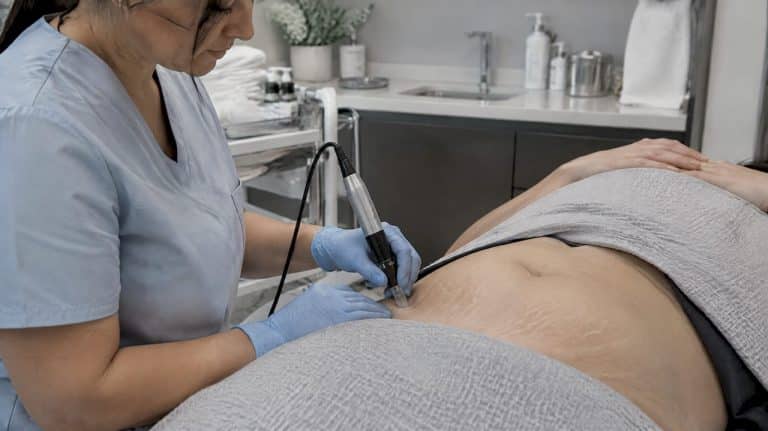
- 6. Microneedling
- 7. Injectables: Botox and dermal fillers
- 8. Prescription topicals: tretinoin and SPF
- 9. Comparison of top skin rejuvenation procedures
- 10. Building your personalised skin rejuvenation plan
- My honest perspective on skin rejuvenation in 2026
- Explore skin rejuvenation treatments at Enrichedmedspa
- FAQ
Key takeaways
| Point | Details |
|---|---|
| Match treatment to concern depth | Surface issues like pigmentation suit IPL or peels, while deeper laxity calls for laser or radiofrequency. |
| Downtime varies significantly | Ablative lasers require up to two weeks of recovery, while microneedling and RF carry minimal downtime. |
| Daily SPF is non-negotiable | Consistent photoprotection prevents the majority of visible skin aging and underpins every treatment plan. |
| Multiple sessions are the norm | Most collagen-stimulating procedures require a series of treatments spaced weeks apart for lasting results. |
| Personalised plans outperform trends | A treatment that works well for one person may not suit another due to skin tone, sensitivity, and lifestyle. |
1. How to choose the right skin rejuvenation treatment
Before comparing specific procedures, it helps to understand what drives treatment selection. Not every concern requires the same approach, and choosing the wrong treatment for your skin type or lifestyle can mean underwhelming results or unnecessary risk.
Your concerns generally fall into two categories. Surface-level issues, such as sun spots, uneven tone, enlarged pores, and mild texture changes, respond well to lighter treatments like chemical peels, IPL, and superficial laser. Deeper concerns, including significant laxity, pronounced wrinkles, and volume loss, typically require more intensive options like ablative laser resurfacing, radiofrequency, or injectables.
Downtime tolerance matters more than most people initially realise. A fractional CO2 laser may deliver impressive collagen remodelling, but if you cannot take three to five days away from work or public-facing commitments, a non-ablative laser or a series of gentler peels may be more practical for you right now.
Skin tone also plays a meaningful role. Treatments that target pigment, such as IPL, carry a higher risk of pigmentation changes on medium to deeper skin tones. Radiofrequency and microneedling are generally safer across a broader range of skin tones because they do not rely on selectively targeting melanin.
- Surface concerns (pigmentation, redness, mild texture): IPL, light chemical peels, non-ablative laser
- Textural concerns (enlarged pores, acne scarring, roughness): microneedling, fractional laser, medium-depth peels
- Laxity and deeper lines: radiofrequency, ablative laser resurfacing, injectables
- Volume loss: dermal fillers, fat-stimulating injectables
- Maintenance and prevention: daily SPF, prescription retinoids, topical antioxidants
Pro Tip: Before any procedure, write down your top two or three skin concerns and your honest downtime availability. This single step makes consultations far more productive and helps your provider recommend the right starting point.
2. Laser resurfacing
Laser resurfacing remains one of the most studied and effective options for significant skin renewal. The key is understanding that not all lasers work the same way.
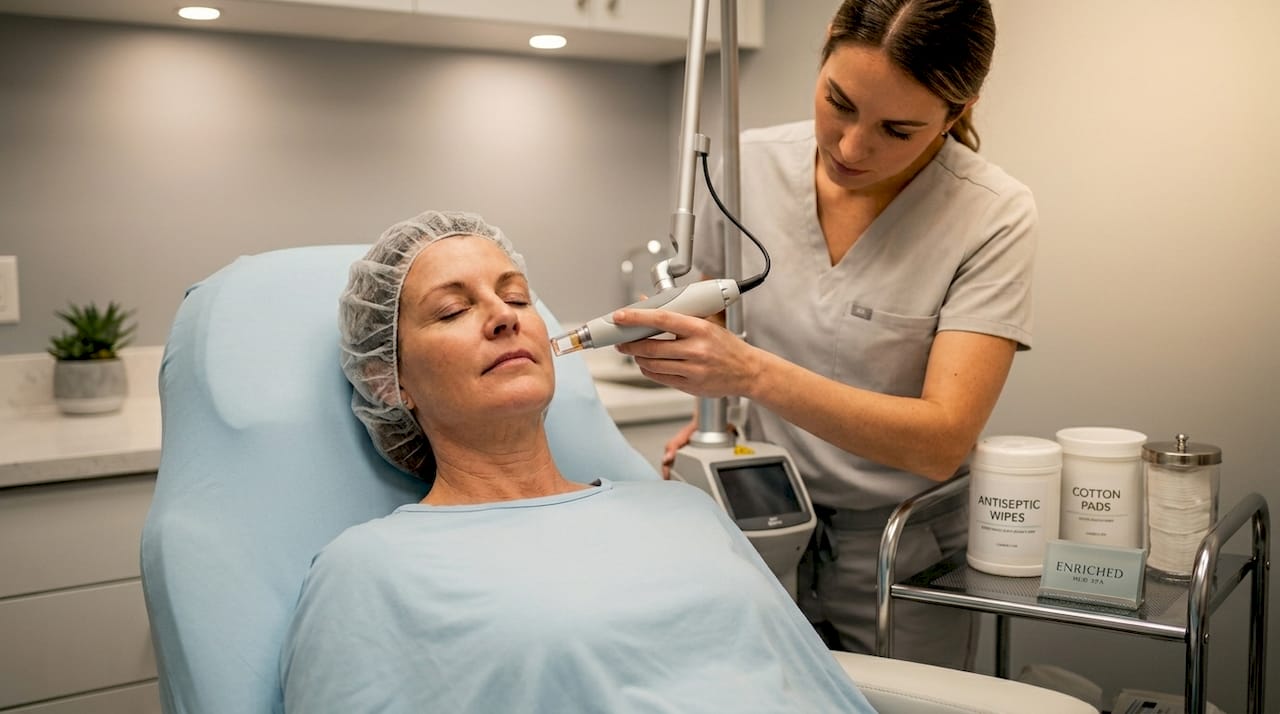
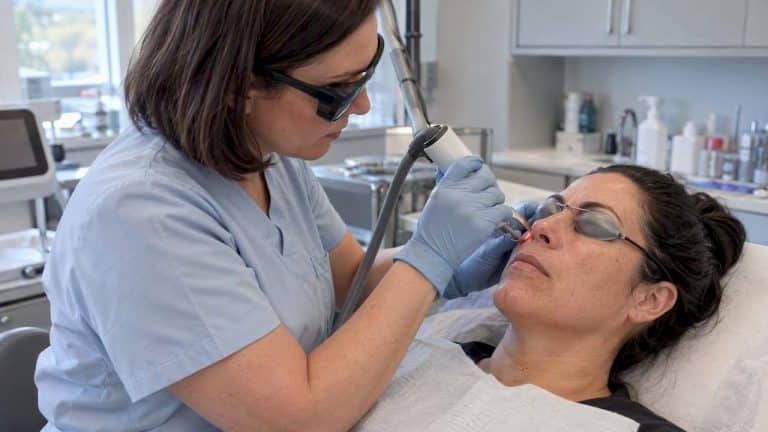
Ablative CO2 laser is the most intensive option. It removes the outer layers of skin entirely, which triggers significant collagen remodelling. Ablative CO2 treatments require 10 to 14 days of downtime and are best suited for pronounced sun damage, deep lines, and long-standing photoaging. The results can be dramatic, but the recovery is real.
Fractional CO2 laser treats thousands of microscopic columns in the skin while leaving surrounding tissue intact, which speeds healing considerably. Downtime is typically three to five days, and the treatment addresses moderate wrinkles, scarring, and uneven texture effectively. Many clients in their 40s and 50s find this the right balance of impact and recovery.
Non-ablative lasers work below the skin surface without removing the outer layer, which means minimal downtime. They suit milder concerns and are often used for maintenance between more intensive sessions. For a detailed overview of what to expect from the process, this laser resurfacing guide covers the full picture clearly.
3. IPL and BBL photorejuvenation
Intense pulsed light (IPL) and broadband light (BBL) treatments use broad-spectrum light energy to target discolouration at the skin’s surface. They are particularly effective for brown spots, redness, rosacea, and sun damage accumulated over years of outdoor exposure.
IPL targets surface pigmentation and diffuse redness with minimal downtime, typically one to two days of mild redness or darkening of spots before they flake off. BBL offers more precise wavelength control and is often considered more comfortable. Neither is technically a laser, though they are often grouped with laser treatments in conversation.
The important caveat is skin tone. Both IPL and BBL carry a risk of hyperpigmentation or hypopigmentation on medium to deep skin tones because the technology selectively targets melanin. A thorough assessment before treatment is necessary, not optional. When used on appropriate skin types, an IPL photofacial is one of the most efficient ways to address sun damage and uneven skin tone with relatively little recovery time.
4. Radiofrequency skin tightening
Radiofrequency (RF) is one of the more versatile entries on any skin rejuvenation treatments list because it works across essentially all skin tones. RF devices deliver controlled heat energy into the dermis, stimulating collagen and elastin production without targeting pigment at all.
Devices like Thermage provide gradual tightening with minimal downtime, making them a realistic option for clients who cannot afford extended recovery periods. RF microneedling combines the physical collagen stimulus of microneedle channels with the thermal stimulus of radiofrequency energy for more pronounced results than either approach alone. The benefits build over several months as new collagen matures. For anyone wanting to understand what the process involves day to day, this overview of RF skin tightening explains it well.
5. Chemical peels
Chemical peels are one of the most adaptable tools in skin rejuvenation because they come in a range of depths, from a gentle lunchtime peel to a medium-depth treatment that addresses moderate discolouration and fine lines.
Superficial peels using glycolic or lactic acid refresh surface texture and add radiance with little to no downtime. They work well as part of a monthly maintenance routine. Medium-depth peels using trichloroacetic acid (TCA) go deeper, addressing sun damage, uneven pigmentation, and mild lines with a few days of peeling and redness. Deep peels, such as phenol, are rarely used today given the availability of laser options that offer more controlled outcomes.
Peels and laser treatments often complement each other well. Many clients use regular superficial peels between annual or biannual laser sessions to maintain results and keep skin texture refined.
6. Microneedling
Microneedling creates controlled micro-injuries in the dermis that trigger the skin’s natural repair response, producing new collagen and elastin. It is one of the safest options for a wide range of skin tones because it does not rely on targeting pigment or using heat.
Microneedling optimises results across a series of sessions spaced four to six weeks apart. Many providers combine it with platelet-rich plasma (PRP), which introduces growth factors directly into the channels created by the needles and enhances the collagen response. For people dealing with acne scarring, enlarged pores, or early textural changes, microneedling is often the first procedural recommendation. The five key reasons this treatment is worth considering are covered in detail in this microneedling benefits article.
Pro Tip: Avoid using active exfoliants, retinoids, or vitamin C serums for at least 48 to 72 hours before and after microneedling. Your skin needs time to settle before tolerating these ingredients again.
7. Injectables: Botox and dermal fillers
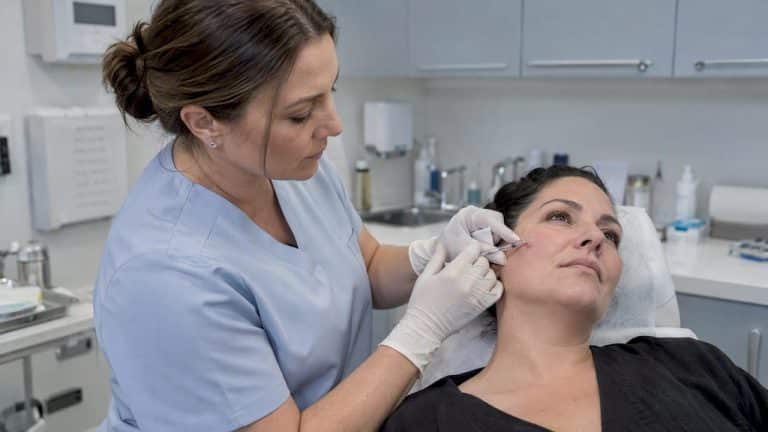
Injectables address two distinct aspects of aging that no topical or energy-based treatment can replicate fully. Botulinum toxin (sold as Botox, Nucieva, and Xeomin) relaxes the muscles responsible for dynamic expression lines, such as forehead lines, crow’s feet, and frown lines. Results appear within days and typically last three to four months.
Dermal fillers, such as Juvederm and Teosyal, restore volume that has been lost through the natural aging process. Hollowed cheeks, flattened temples, thinning lips, and deepening nasolabial folds all respond well to carefully placed filler. The key word is “carefully.” Natural-looking results depend entirely on provider skill and conservative volume placement.
Injectables are also increasingly popular as part of a men’s skin rejuvenation workflow, with more men in the 30 to 55 age range seeking subtle, preventive treatment than ever before. The combination of Botox for dynamic lines and light filler for early volume loss addresses aging without looking treated.
8. Prescription topicals: tretinoin and SPF
No skin rejuvenation workflow in 2026 is complete without addressing daily home care. Professional treatments work better and last longer when supported by consistent topical habits.
Daily broad-spectrum SPF 30+ sunscreen is the single most effective anti-aging intervention available. Consistent photoprotection prevents the vast majority of visible skin aging, and it is the one non-negotiable foundation regardless of what treatments you pursue.
Prescription tretinoin is the most evidence-backed topical for reversing photoaging. Clinical trials show measurable improvements in wrinkles and pigmentation as early as one month of consistent use. Over-the-counter retinol offers a lower-potency alternative for those who cannot tolerate tretinoin. For clients managing hyperpigmentation specifically, a 12-week randomised trial found that adding thiamidol to an SPF regimen produced significantly greater reductions in facial pigmentation compared to SPF alone, making it a useful adjunct for this concern.
9. Comparison of top skin rejuvenation procedures
This table covers the most-used treatments side by side to help you weigh your options during a skin rejuvenation solutions comparison:
| Treatment | Best for | Typical downtime | Sessions needed | Skin tone suitability |
|---|---|---|---|---|
| Ablative CO2 laser | Severe aging, deep lines | 10 to 14 days | 1 to 2 | Fair to medium |
| Fractional CO2 laser | Moderate lines, scarring | 3 to 5 days | 2 to 3 | Fair to medium |
| Non-ablative laser | Mild concerns, maintenance | Minimal | 3 to 6 | Broader range |
| IPL / BBL | Sun damage, redness, brown spots | 1 to 2 days | 3 to 5 | Fair to medium only |
| Radiofrequency | Laxity, tightening, tone | Minimal | 3 to 4 | All skin tones |
| Microneedling | Texture, scarring, pores | 1 to 2 days | 3 to 6 | All skin tones |
| Chemical peels | Pigmentation, texture, glow | 0 to 5 days | Varies by depth | Depends on depth |
| Botox / neuromodulators | Dynamic expression lines | None | Every 3 to 4 months | All skin tones |
| Dermal fillers | Volume loss, deep folds | Minimal | As needed | All skin tones |
| Prescription tretinoin | Photoaging prevention and reversal | None | Daily, ongoing | All skin tones |
A combined approach consistently outperforms any single treatment. For example, pairing fractional laser with daily tretinoin and SPF extends results and reduces the frequency of touch-up sessions needed.
10. Building your personalised skin rejuvenation plan
Creating a sustainable plan means thinking in phases rather than looking for a single fix. Here is a practical framework:
- Start with the foundation. Daily SPF and a retinoid (prescription or over-the-counter) form the base of any skin rejuvenation plan. Without this, professional treatments degrade faster.
- Address your primary concern first. Choose one procedural treatment that targets your most pressing issue rather than starting multiple treatments simultaneously. Give it time to show results.
- Plan for maintenance sessions. Most collagen-stimulating procedures need reinforcement over time. Budget for follow-up sessions and factor them into your decision-making upfront.
- Add treatments incrementally. Once your primary concern improves, you can layer in complementary treatments. For example, adding microneedling after completing a laser series can further refine texture.
- Consult before you book. A provider who assesses your skin, understands your goals, and is honest about realistic timelines will save you time and money compared to booking treatments based on social media recommendations alone.
Pro Tip: Hyperpigmentation in particular requires ongoing management. UV exposure can reverse gains quickly, so if this is your primary concern, treating it as a dynamic process rather than a one-time fix will produce far better long-term outcomes.
My honest perspective on skin rejuvenation in 2026
I have spent years watching clients come in with a list of treatments they read about online, hoping one of them will be the answer. What I have learned is that the treatments themselves are rarely the problem. The gap between what people expect and what they experience almost always comes down to two things: skipping the foundational daily habits and expecting one session to do the work of many.
The best results I see consistently come from clients who treat professional procedures as a periodic investment layered on top of reliable daily care, not a replacement for it. Someone who uses tretinoin and SPF faithfully and gets a fractional laser session once a year almost always looks better at year two than someone who books aggressive treatments every few months but does nothing at home.
My other honest observation is that overtreatment is a real risk. I have seen clients chase results with increasing intensity rather than giving treatments enough time to work. Collagen remodelling takes months, not weeks. Patience and consistency, not frequency, produce the most natural and sustainable outcomes.
If I could give one piece of advice to someone building their skin rejuvenation workflow in 2026, it would be this: pick the treatments that match your actual lifestyle, not an idealised version of it. A treatment you can maintain is always more effective than one you cannot.
— Felix
Explore skin rejuvenation treatments at Enrichedmedspa
At Enrichedmedspa, we offer the full range of treatments discussed in this guide, including medical-grade microneedling, laser resurfacing, chemical peels, radiofrequency skin tightening, and cosmetic injectables. Every client begins with a personalised consultation so we can assess your skin, understand your goals, and recommend a plan that fits your lifestyle and budget, not just a popular procedure.
We work with clients across Woodbridge and East Gwillimbury who are looking for honest guidance and professional-grade results without aggressive upselling. If you are weighing your options, our skin treatment overview is a great starting point. For those considering injectables, our guide to Botox vs. fillers explains the differences clearly so you can arrive at your consultation already informed. We are here to help you make the right choice for your skin, at every stage.
FAQ
What are the top skin rejuvenation treatments for anti-aging?
The most effective options include laser resurfacing, radiofrequency skin tightening, microneedling, chemical peels, and injectables like Botox and dermal fillers, paired with daily SPF and prescription retinoids as the foundation.
Which skin rejuvenation treatment has the least downtime?
Radiofrequency, microneedling, and non-ablative laser treatments all carry minimal downtime, typically one to two days of mild redness, making them practical for people with active schedules.
How many sessions do most skin rejuvenation treatments require?
Most procedural treatments require a series of three to six sessions spaced weeks apart, with maintenance sessions needed periodically to sustain results over the long term.
Is IPL safe for all skin tones?
IPL and BBL are generally recommended for fair to medium skin tones only, as the technology targets melanin and carries a risk of pigmentation changes on darker complexions. Radiofrequency and microneedling are safer alternatives for a broader range of skin tones.
Can I combine multiple skin rejuvenation treatments?
Yes, and combined approaches typically produce better outcomes than single treatments alone. A common and effective pairing is fractional laser with daily tretinoin and SPF, or microneedling followed by a maintenance chemical peel programme.