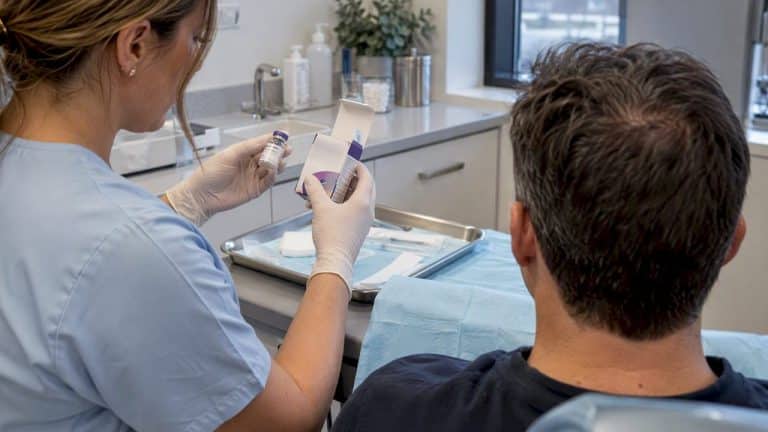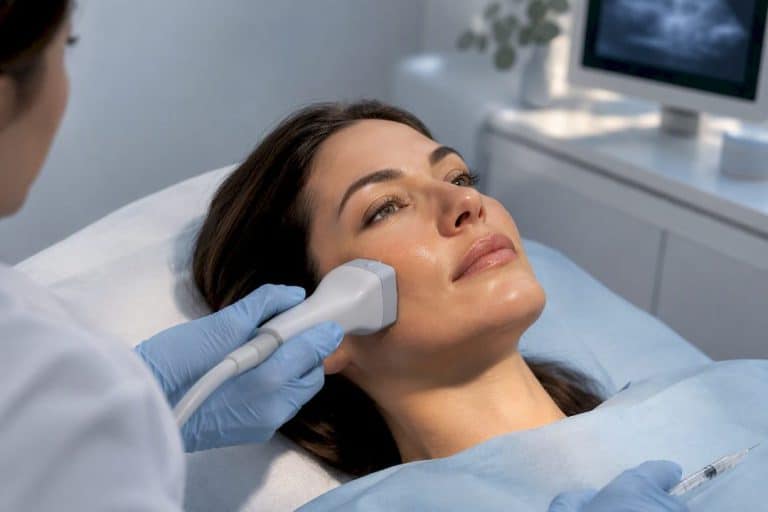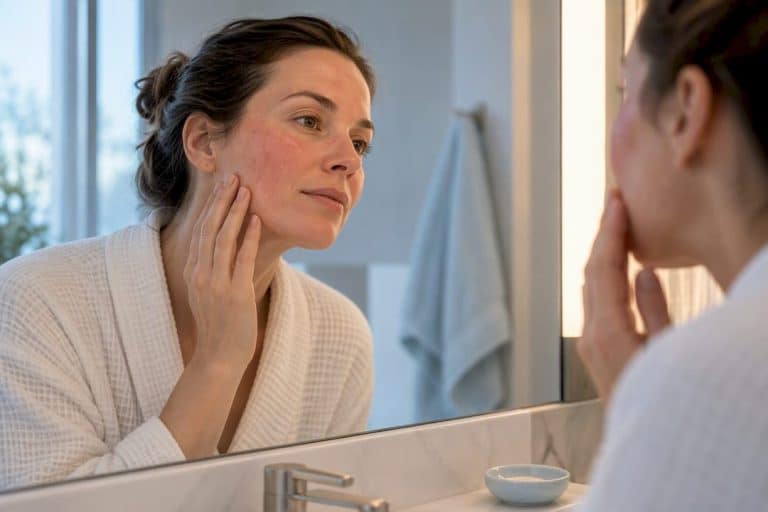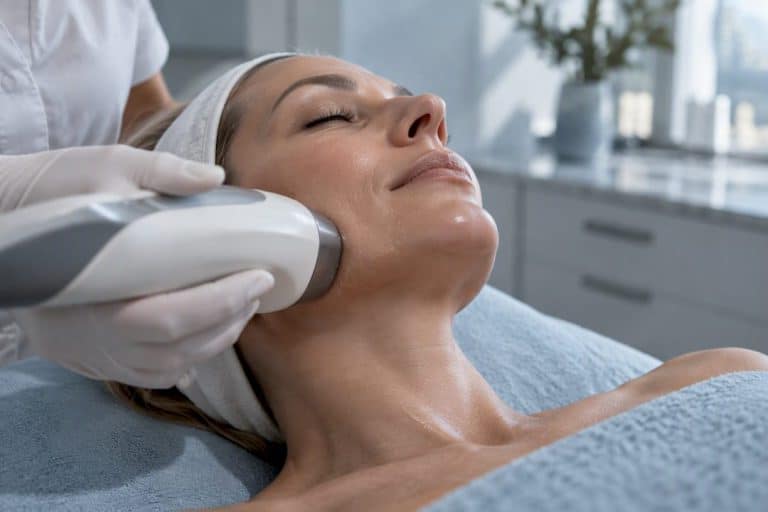
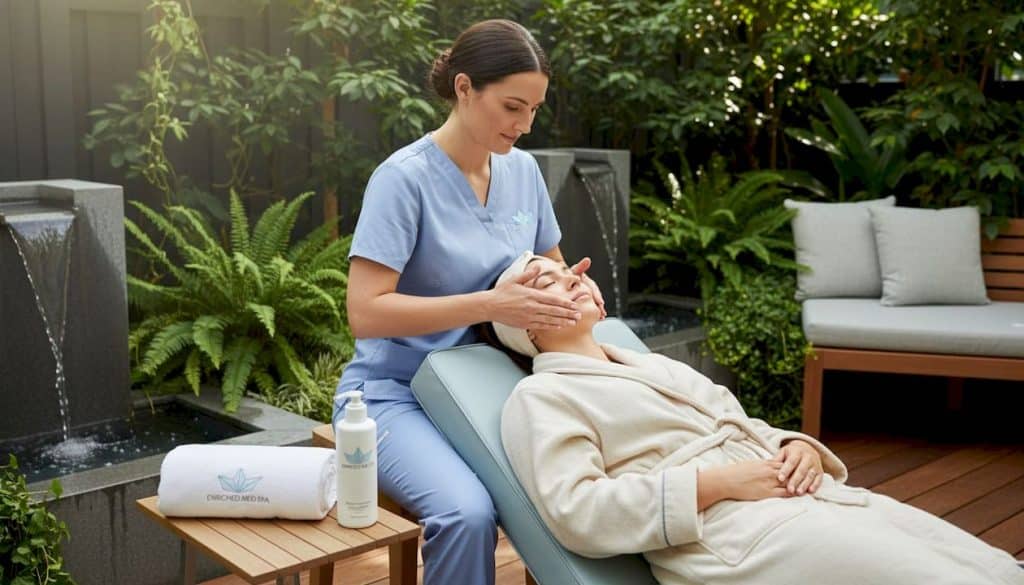
Not all med spa treatments are created equal, and if you’ve been researching your options in Woodbridge or East Gwillimbury, you’ve likely noticed how overwhelming the choices can feel. From laser resurfacing to PRP facials, the promises are bold and the marketing is polished. But the clinical evidence behind each treatment tells a more nuanced story. This guide is designed to cut through the noise and give you an honest, evidence-based look at what today’s advanced med spa treatments can realistically achieve, how they work, and how to choose the right one for your specific skin goals.
Table of Contents
- What makes a med spa treatment ‘advanced’?
- Core technologies: lasers, microneedling, PRP and exosomes
- Comparing outcomes: what the evidence really shows
- Choosing the right med spa treatment for your skin goals
- Why testimonials and category labels can mislead: a practitioner’s insight
- Discover tailored med spa solutions in Woodbridge and East Gwillimbury
- Frequently asked questions
Key Takeaways
| Point | Details |
|---|---|
| Evidence matters most | Clinical outcomes and safety should drive treatment choices, not testimonials or popularity. |
| Know your skin goals | Assess your individual skin needs—texture, pigmentation, laxity—to find the most effective solution. |
| Technology options | Advanced treatments range from lasers and microneedling to PRP and exosome therapies, each with distinct strengths. |
| Safety first | Individual variation in skin type means protocols and devices must be chosen carefully to minimise risks. |
| Local expertise value | Consulting a practitioner with evidence-based protocols ensures the most reliable results for your region. |
What makes a med spa treatment ‘advanced’?
The word “advanced” gets used generously in the aesthetics world, so it’s worth being precise. In a medical spa context, an advanced treatment goes beyond basic cleansing or surface hydration. It uses device-based or biologically active technologies that create measurable, structural changes in the skin.

Med spas provide non-invasive or minimally invasive treatments overseen by licensed physicians and practitioners. This oversight is what separates a medical spa from a regular day spa or beauty salon. At a reputable clinic, your treatment plan is designed and supervised by a qualified healthcare professional, not simply administered by aestheticians working without medical direction.
So what kinds of treatments fall into the “advanced” category? Here’s a quick overview:
- Laser resurfacing using ablative or non-ablative wavelengths to target specific chromophores (light-absorbing targets) in the skin
- Radiofrequency (RF) microneedling that uses controlled thermal injury to stimulate collagen remodelling
- Microneedling with adjuncts such as platelet-rich plasma (PRP) or exosome serums
- Injectable treatments including neurotoxins like Botox and dermal filler innovations with hyaluronic acid-based products
- Chemical peels that use acid-based formulations to accelerate cellular turnover
The key difference from a basic facial is biological depth. Advanced treatments work at the dermal level, triggering cellular responses like collagen synthesis, melanin regulation, and tissue remodelling. They require medical oversight because they carry a higher potential for both significant benefit and, if used incorrectly, unintended consequences like post-inflammatory hyperpigmentation (PIH) or scarring.
Core technologies: lasers, microneedling, PRP and exosomes
Understanding the core technologies available to you is the first step toward making a confident, informed decision. Each modality works differently, targets different skin concerns, and carries its own evidence base.
Lasers
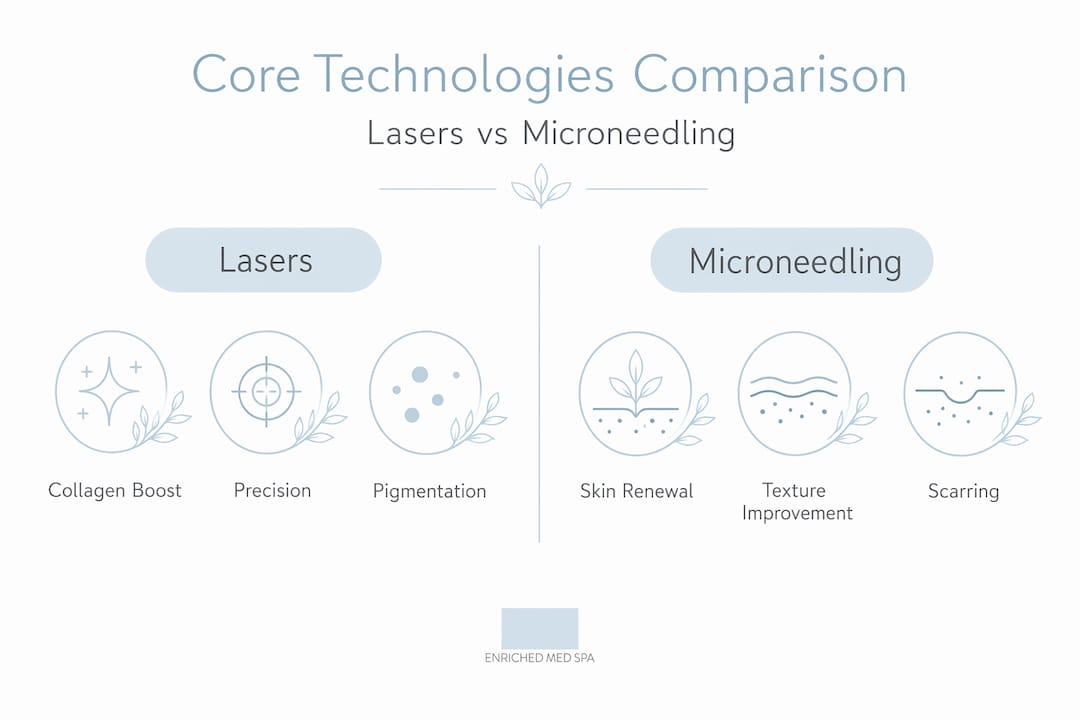
Laser treatments deliver concentrated light energy at specific wavelengths to target skin concerns with precision. Ablative lasers (like CO2 and Erbium) remove the outer skin layers, while non-ablative lasers stimulate collagen without surface removal. Non-ablative lasers show significant reductions in acne-scar depth and width in clinical studies. This is meaningful, because acne scars involve structural changes to the dermis that surface-level products simply cannot address.
| Technology | Mechanism | Best for | Downtime |
|---|---|---|---|
| Non-ablative laser | Thermal stimulation of collagen | Acne scars, fine lines | Minimal (1-3 days) |
| Ablative laser | Controlled skin layer removal | Deep wrinkles, resurfacing | 5-10 days |
| RF microneedling | Heat via insulated needles | Laxity, texture | 1-3 days |
| Microneedling + exosomes | Micro-channels + growth factors | Pigmentation, pores | 24-48 hours |
Microneedling and exosome therapy
Microneedling creates controlled micro-injuries in the dermis to trigger the skin’s natural repair cascade, which includes collagen and elastin production. When combined with exosomes (nano-sized vesicles derived from stem cells that carry regenerative signals), the results can be striking. Microneedling plus exosomes demonstrated multidimensional skin improvements with sustained results out to 21 months, including reductions in pore size, melanin deposition, and surface erythema (redness). That kind of longevity is rare in non-surgical aesthetics.
The microneedling benefits extend well beyond acne scars. Clients dealing with melasma, uneven skin tone, and early signs of ageing are seeing consistent improvements when microneedling is combined with the right adjunct therapies.
PRP (platelet-rich plasma)
PRP involves drawing a small amount of your own blood, centrifuging it to concentrate the growth factors, and reintroducing it into the skin. The theory is sound: your own biology does the healing. The reality is more complicated, as we’ll discuss in the next section. That said, PRP facial outcomes for scalp health and some wound-healing applications show more consistent clinical promise than facial rejuvenation alone.
Pro Tip: If you’re considering non-surgical skin rejuvenation, ask your provider to show you published clinical evidence, not just before-and-after photos from their own clinic. Photos can be influenced by lighting, angles, and selection bias.
Comparing outcomes: what the evidence really shows
Here’s where things get interesting. Marketing materials across the aesthetics industry can make every treatment sound equally transformative. The clinical evidence tells a more honest story.
Laser vs. PRP vs. microneedling: a realistic look
| Treatment | Evidence quality | Acne scars | Facial ageing | Pigmentation |
|---|---|---|---|---|
| Non-ablative laser | Strong (RCT and cohort data) | High efficacy | Moderate | Moderate to high |
| Microneedling + exosomes | Emerging (case reports, early trials) | Moderate to high | Moderate | High |
| PRP facial | Mixed (split-face RCTs) | Limited | Inconsistent | Limited |
| RF microneedling | Moderate (practice-based) | Moderate | Moderate | Moderate |
Laser treatments have shown significant benefits without adverse events in cohort studies, which is encouraging. However, outcomes still vary based on skin tone, device parameters, and practitioner skill.
PRP for facial rejuvenation tells a more humbling story. Evidence is mixed for PRP for facial skin ageing; a split-face randomised pilot trial reported no evidence of improvement and potential worsening for skin laxity and rhytides (fine wrinkles) compared to saline over 24 weeks. That’s a significant finding. It doesn’t mean PRP has no place in aesthetics, but it does mean that blanket claims about PRP “reversing ageing” should be viewed with healthy scepticism.
“Choosing a treatment because it’s popular, trendy, or heavily advertised is a recipe for disappointment. The only measure that matters is whether it produces consistent, clinically verified results for your specific concern.” — Enriched Med Spa clinical team
When reviewing your skin treatment choices, ask your provider:
- What clinical evidence supports this treatment for my specific concern?
- What are the most common side effects and how are they managed?
- How many treatments will I need before seeing a result?
- Is this device cleared by Health Canada for the intended use?
These questions aren’t aggressive. They’re exactly what a reputable provider expects and welcomes. For deeper background on the science of specific devices, laser technology insights offer a useful reference point.
Choosing the right med spa treatment for your skin goals
Once you understand the evidence landscape, the next step is matching the right technology to your actual skin concern. This process is sometimes called phenotype-driven selection, meaning your treatment is chosen based on the specific characteristics of your skin, not a one-size-fits-all menu.
Best-fit treatments hinge on skin concern phenotype, device physics, and safety nuances. Here’s a practical framework to guide your thinking:
-
Identify your primary concern. Is it active acne or scarring? Pigmentation and uneven tone? Laxity and loss of firmness? Fine lines or deep wrinkles? Each concern has a different underlying biology and responds to different treatments.
-
Consider your skin tone. Fitzpatrick skin types (a scale from very fair to very dark) affect how your skin responds to energy-based devices. Darker skin tones are more vulnerable to post-inflammatory hyperpigmentation, which means device selection and parameters must be adjusted carefully.
-
Evaluate your tolerance for downtime. Ablative laser resurfacing produces significant results but requires 7-10 days of healing. If your schedule or lifestyle can’t accommodate that, non-ablative options or microneedling with shorter recovery may be a better fit.
-
Be realistic about timeline. Most advanced treatments require a series of sessions. Expecting dramatic results from a single appointment often leads to disappointment. Ask your provider for a realistic treatment timeline with measurable benchmarks.
-
Research the device, not just the brand name. Some treatment names are trademarked marketing labels. RF microneedling is marketed with claims of collagen-stimulation and safety for all skin tones, but these claims rely on practice narrative more than independent trial evidence. Understanding what device category a treatment belongs to helps you evaluate it more objectively.
-
Ask about personalised skincare tips to support your in-clinic treatments at home. What you do between appointments significantly impacts your results.
Pro Tip: Before any energy-based treatment, proper microneedling preparation and general skin preparation matters. Avoid active retinol, strong acids, and sun exposure for at least one week prior. A compromised skin barrier will not respond as well and may increase your risk of side effects.
The most effective path forward is a thorough consultation with a provider who asks as many questions as you do. Your skin history, sun exposure habits, medications, and even hormonal status can all affect how you respond to treatment.
Why testimonials and category labels can mislead: a practitioner’s insight
We want to be honest with you, because we think you deserve that. In the medical aesthetics world, the gap between what’s marketed and what’s clinically verified can be wide. This isn’t always intentional deception. Sometimes it’s genuine enthusiasm from providers who have seen great results in their own practice. But anecdote is not evidence, and your skin deserves better than a hopeful guess.
Controlled studies can show no detectable benefit even for popular treatments like PRP, so outcome metrics and scepticism are essential when evaluating any treatment. The fact that a treatment is expensive, widely available, or heavily Instagrammed tells you nothing about its clinical efficacy for your concern.
What we’ve learned from working with real patients in our community is this: outcomes are highly individual. The same laser at the same settings can produce very different results on two people with different skin tones, stress levels, supplement regimens, and post-care compliance. This variability is rarely mentioned in marketing, but it’s the everyday reality of aesthetics practice.
Category labels can also mislead. “Medical-grade” doesn’t automatically mean superior. It means the treatment is performed in a medically supervised setting, which is important for safety but doesn’t guarantee results. Similarly, “natural” treatments like PRP aren’t inherently safer or more effective than device-based therapies.
What should you demand from your provider? Transparency about what the evidence shows, honest communication about the range of possible outcomes, and a commitment to adjusting your plan if initial results aren’t meeting expectations. A provider who promises guaranteed, dramatic results from any single non-surgical treatment is a provider worth questioning. Learn more about what makes safe and effective microneedling a trustworthy choice when the right protocols are followed.
The most confident decision you can make is an informed one. Ask hard questions, review the evidence, and choose a clinic whose team prioritises your long-term skin health over a quick sale.
Discover tailored med spa solutions in Woodbridge and East Gwillimbury
At Enriched Med Spa, we believe the best aesthetic results come from pairing the right technology with personalised care and a transparent, evidence-led approach. Whether you’re exploring dermal fillers Woodbridge to restore facial volume, seeking advanced non-surgical skin treatments for texture and tone, or simply curious about what’s possible, our team is here to guide you with honesty and expertise. We serve clients in Woodbridge and East Gwillimbury with a genuinely patient-first approach. Discover how facial treatments benefit more than just your skin and book your personalised consultation with our clinical team today.
Frequently asked questions
Are laser treatments safe for all skin types?
Laser treatments can be adapted for most skin types, but laser parameters and skin-type considerations affect risk of pigmentary changes, so a thorough skin assessment before treatment is essential.
What results can I expect from microneedling plus exosomes?
You may notice improvements in pore size, redness, and uneven pigmentation, with microneedling plus exosomes producing sustained improvements lasting up to 21 months in reported cases.
Is PRP effective for facial skin ageing?
Evidence is genuinely mixed. PRP trials for facial ageing reported no improvement versus saline in some split-face controlled studies, making individualised consultation important before committing to this treatment.
How long is the downtime for RF microneedling treatments?
Many clinics state that Morpheus8 is marketed with minimal downtime, often suggesting a return to daily activities within 24 hours, though individual recovery can vary based on treatment depth and skin sensitivity.
How can I choose the best advanced treatment for my skin concern?
Start by identifying your primary concern (texture, laxity, or pigmentation), then consult a provider who uses mechanism-oriented selection based on skin concern phenotype to match the right device to your unique skin biology.
Recommended
- How Facial Treatments Benefit More Than Just Your Skin | Toronto
- Top 10 Microneedling Serums for Enhanced Results – Botox Laser Hair Removal OxyGeneo Medi Facial Microneedling – Enriched Med Spa – Vaughan Woodbridge Maple Vellore Village
- 6 Non-Surgical Skin Lifting and Glow Boosting Skin Treatments – Enriched Med Spa
- ENRICHED Med Spa | BOTOX | Dermal Filler | PRP Hair | Medi Facials | IPL | Microneedling