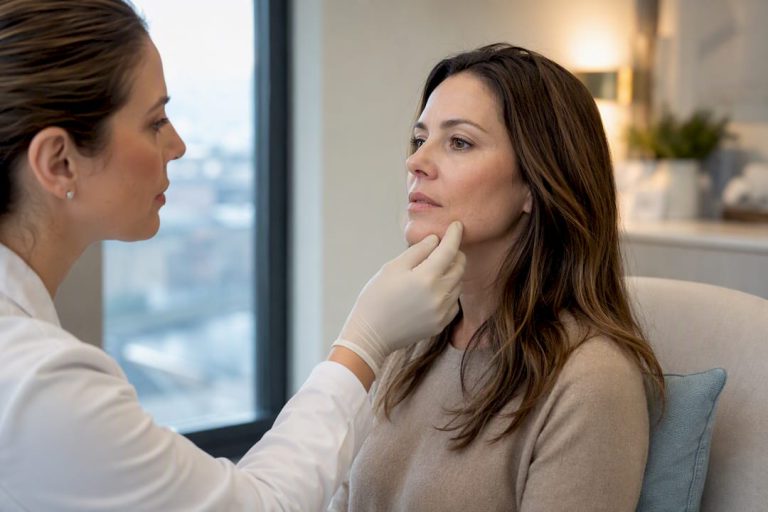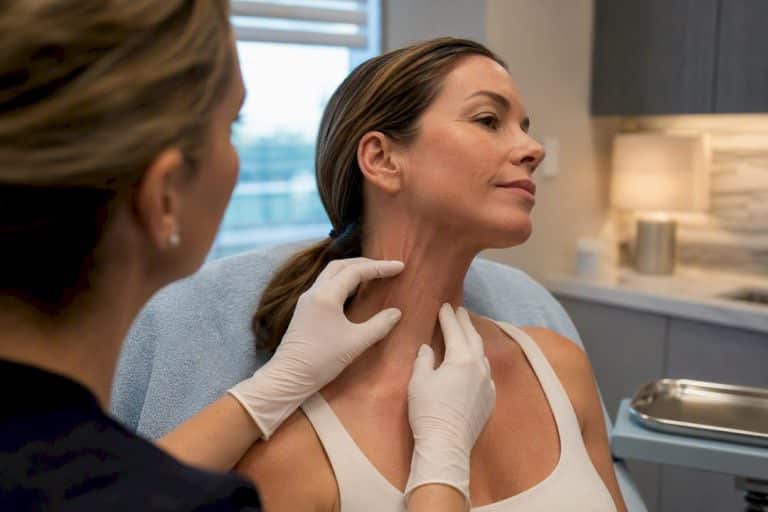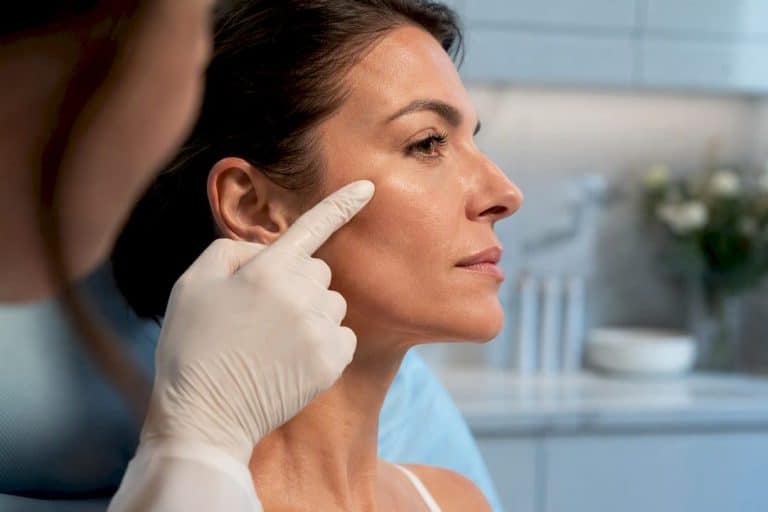

Signs you need Botox are most reliably identified when dynamic wrinkles, the lines formed by repeated facial muscle movement, remain visible even when your face is fully relaxed. Most clients at Enrichedmedspa begin noticing these changes in their early 30s to mid-40s, though the right time to consider treatment is never about age alone. As Dr. Eduardo Ortiz notes, the decision to start Botox is based on your skin type, muscle activity, and personal goals rather than a fixed number. Recognising these indicators early gives you more options and tends to produce more natural-looking results over time.
1. Forehead lines that stay when your face is still
Horizontal forehead creases are one of the clearest signs you need Botox. When these lines are only visible while you raise your brows, they are purely dynamic and respond very well to treatment. The concern arises when those same lines remain etched into your skin while your face is completely at rest.
Geisinger notes that dynamic lines settling at rest around the mid-30s to early 40s are a key timing signal for Botox. This matters because once lines begin to etch, they become progressively harder to soften without more intensive treatment. Addressing them while they are still primarily dynamic gives Botox the best possible outcome.

2. Frown lines between your brows that deepen with expression
The vertical creases between your brows, clinically called glabellar lines, are among the most common reasons clients seek a consultation. These lines form from years of squinting, concentrating, and frowning. When they deepen noticeably during expressions and linger faintly at rest, that is a reliable indicator for botulinum toxin treatment.
Mayo Clinic confirms that onabotulinumtoxinA (Botox) is approved specifically for moderate to severe frown lines, forehead lines, and crow’s feet. This approval reflects decades of clinical evidence supporting its effectiveness for exactly these concerns. Many clients tell us these lines make them look angry or tired even when they feel perfectly fine.
3. Crow’s feet visible at rest around your eyes
Fine lines radiating from the outer corners of your eyes are a natural result of smiling and squinting. When those lines are only present during expression, they are a normal feature of an expressive face. When they remain visible with your face relaxed, they become a strong indicator for treatment.
The skin around the eyes is thinner than elsewhere on the face, which means it shows movement-related wear earlier. Botox works here by gently relaxing the orbicularis oculi muscle, reducing the depth and frequency of these lines without affecting your natural expressiveness. Results in this area are often among the most satisfying for clients in their 30s and 40s.
4. Makeup settling into fine lines even when relaxed
This is a sign many clients overlook until a friend or photo brings it to their attention. When foundation or concealer creases and settles into lines on your forehead or around your eyes, it is not a product problem. It is a structural one. The skin surface has developed enough texture that product collects in the grooves.
This happens because static wrinkles, lines present without any muscle movement, have begun to form. While Botox is most effective on dynamic wrinkles, treating the underlying muscle activity early can prevent dynamic lines from fully converting to static ones. Think of it as interrupting the process before it becomes more difficult to address.
Pro Tip: Take a photo of your face completely relaxed in natural light. If you can see lines on your forehead or around your eyes in that photo, those are the lines worth discussing at a consultation.
5. A brow or eyelid that looks heavier or lower than before
A gradual heaviness or drooping of the brow is a subtler indicator that many people attribute to tiredness or genetics. While those factors do play a role, repeated contraction of the muscles pulling the brow downward can contribute to this appearance over time. Botox can be placed strategically to provide a gentle brow lift by relaxing the depressor muscles.
This is not about dramatic change. It is about restoring the natural position your brow held a few years earlier. Clients who address this sign early tend to maintain a more rested, open appearance without ever looking “done.” The key is working with a skilled injector who understands facial anatomy and proportions.
6. Lines that deepen noticeably during facial expressions
If you notice that a particular line becomes significantly more pronounced when you smile, squint, or raise your brows, that line is driven primarily by muscle activity. This is the textbook definition of a dynamic wrinkle, and it is exactly what Botox is designed to address.
An AFP clinical review confirms that dynamic wrinkles respond better and faster to Botox than static wrinkles, which may require combination therapy. This distinction is worth understanding before your consultation, because it helps set realistic expectations about which concerns Botox will resolve and which may benefit from a complementary approach. Knowing this going in makes the conversation with your injector far more productive.
7. You want to prevent deeper wrinkles before they form
Preventive Botox is a growing conversation among clients in their late 20s and early 30s, and for good reason. Treating dynamic lines before they etch into the skin is clinically sound. By reducing the frequency and intensity of muscle contractions, Botox slows the process by which dynamic wrinkles become permanent static ones.
This is not about starting treatment unnecessarily early. It is about timing treatment to your individual skin condition and muscle activity. Some people have highly expressive faces and develop visible lines earlier. Others may not notice significant etching until their mid-40s. The right time is when you begin to see the signs, not when a calendar says so.
How to tell if your wrinkles are right for Botox
Not every line on your face responds to botulinum toxin in the same way. Understanding the difference between dynamic and static wrinkles helps you approach treatment with accurate expectations.
Dynamic wrinkles form from repeated muscle movement. Forehead lines, frown lines, and crow’s feet are the primary examples. These are the lines Botox targets directly by temporarily relaxing the underlying muscle.
Static wrinkles are present without any muscle movement and reflect loss of collagen, elastin, and volume over time. Botox has limited effect on these. They are better addressed with dermal fillers such as Juvederm or Teosyal, or with skin-resurfacing treatments like microneedling and chemical peels.
“Dynamic wrinkles caused by active muscle use improve most reliably with Botox, underlining why wrinkle type informs treatment plans.” — AFP review on Botox indication and effectiveness
A clinical assessment at Enrichedmedspa involves evaluating your face both at rest and during movement to precisely map which wrinkles are dynamic versus static. This is the foundation of a treatment plan that actually matches your concerns. Cosmetic results typically evolve over days to two weeks and last approximately three months on average, after which maintenance appointments keep results consistent.
Botox versus other treatments for early aging signs
Choosing the right treatment depends on what you are actually seeing in the mirror. The table below outlines how Botox compares to other common options for early aging concerns.
| Treatment | Best for | Typical duration | Limitations |
|---|---|---|---|
| Botox (onabotulinumtoxinA) | Dynamic wrinkles, forehead, frown lines, crow’s feet | 3 to 4 months | Does not restore volume or treat static lines |
| Dermal fillers (Juvederm, Teosyal) | Volume loss, static lines, lip definition | 6 to 18 months | Does not relax muscle-driven lines |
| Chemical peels | Surface texture, pigmentation, mild lines | Varies by depth | Not effective for deep dynamic wrinkles |
| Microneedling | Collagen stimulation, skin texture, pore size | Cumulative over sessions | Gradual results, not immediate |
| Radiofrequency tightening | Early skin laxity, jawline definition | 12 to 18 months | Not a substitute for injectables |
Many clients benefit from a combination approach. Botox addresses the muscle-driven lines while fillers restore lost volume and peels improve overall skin quality. This layered strategy tends to produce the most natural, refreshed result rather than targeting one concern in isolation.
Pro Tip: If you are unsure whether your concern is volume loss or muscle activity, look at your face from the side in natural light. Hollowness and shadows suggest volume loss. Lines that move with your expression suggest muscle activity.
Safety, side effects, and what to watch for
Botox has a well-established safety record when administered by trained, certified practitioners. Knowing what to expect after treatment helps you distinguish normal responses from situations that need attention.
Common temporary side effects include:
- Mild bruising or redness at injection sites, typically resolving within a few days
- Minor swelling or tenderness around treated areas
- A mild headache on the day of treatment, which usually passes within 24 hours
- Slight asymmetry in the first week as muscles adjust unevenly
Rare but serious side effects require prompt medical attention. The UKHSA advises seeking medical help immediately for symptoms such as eyelid drooping, double vision, difficulty swallowing, or muscle weakness beyond the treated area. These symptoms can indicate unintended toxin spread and should never be dismissed.
Post-treatment care matters as much as the injection itself. An AFP clinical guide recommends avoiding lying down, massaging the treated area, or exposing it to heat for several hours after treatment. Following these instructions reduces the risk of toxin migration and supports the best possible outcome. You can read more about long-term safety considerations on the Enrichedmedspa website.
One point worth noting: not all botulinum toxin products are the same. Botox, Nucieva, and Xeomin each have different dosing and unit profiles, and they are not interchangeable. A qualified injector selects the right product for your anatomy and treatment goals, which is one more reason why choosing a skilled clinic matters.
Key takeaways
The clearest signs you need Botox are dynamic wrinkles that remain visible at rest, and addressing them early produces more natural, longer-lasting results.
| Point | Details |
|---|---|
| Dynamic lines at rest | Forehead creases, frown lines, and crow’s feet visible without expression are the primary indicators. |
| Wrinkle type determines treatment | Dynamic wrinkles respond to Botox; static lines and volume loss require fillers or combination therapy. |
| Timing is individual | The right time to start is based on your skin condition and goals, not a fixed age. |
| Results are temporary | Cosmetic effects last approximately three months; regular maintenance keeps results consistent. |
| Safety requires skilled care | Choosing a certified, experienced injector reduces risk and improves outcomes significantly. |
What I have learned from clients asking about Botox
Many of the clients I see at Enrichedmedspa come in not entirely sure whether what they are noticing warrants treatment. They are not looking for a dramatic change. They want to look like themselves, just a little more rested. That is the most common and, honestly, the most reasonable starting point.
What I have found over time is that the clients who are most satisfied are the ones who come in with a specific concern rather than a vague desire to “do something.” They point to a line, describe when they first noticed it, and ask whether Botox is the right tool for it. That kind of clarity makes the consultation far more useful for everyone.
The one thing I would push back on is the idea that waiting is always the safer choice. If you are seeing dynamic lines settle at rest in your mid-30s, waiting another five years does not preserve your options. It narrows them. Early, conservative treatment is not about vanity. It is about working with your skin before the lines become structural rather than muscular.
Combining treatments thoughtfully, such as pairing Botox with a quality skin care routine or an occasional peel, produces results that look genuinely natural. No single treatment does everything. But starting with the right one for your specific signs makes all the difference.
— Felix
Ready to assess your Botox candidacy with a professional?
At Enrichedmedspa, we offer thorough facial assessments at our Woodbridge and East Gwillimbury clinics to help you understand exactly which signs you are seeing and which treatments are best suited to address them. Our experienced medical team creates individualised plans using Botox, Nucieva, Xeomin, and dermal fillers depending on your specific concerns. Whether you are noticing early dynamic lines or want to understand the difference between your options, we guide you through the process with clarity and care. Book a Botox consultation at Enrichedmedspa to take the first step toward results that look and feel like you.
FAQ
What are the first signs you need Botox?
The earliest indicators are dynamic wrinkles, such as forehead lines, frown lines, and crow’s feet, that begin to remain visible when your face is fully relaxed. Geisinger notes this typically becomes noticeable between the mid-30s and early 40s.
Is there a right age to start Botox?
There is no universal starting age. Dr. Eduardo Ortiz emphasises that the decision is based on your skin type, muscle activity, and aesthetic goals rather than a fixed age threshold.
How long does Botox take to work?
Cosmetic results from Botox develop gradually over days to two weeks and typically last around three months, after which a maintenance appointment is recommended to sustain the effect.
Can Botox treat all types of wrinkles?
Botox is most effective on dynamic wrinkles caused by muscle movement. Static wrinkles, which are present without any expression, respond better to dermal fillers or combination treatments such as microneedling or chemical peels.
How do I know if my concern is Botox or fillers?
If your lines appear or deepen during facial expressions, Botox is likely the right tool. If you are noticing hollowness, volume loss, or lines present at complete rest, dermal fillers such as Juvederm or Teosyal are typically more appropriate. A consultation at Enrichedmedspa can clarify which approach fits your specific signs.
Recommended
- Finding a Botox Specialist: Questions to Ask During Consultation – Botox Laser Hair Removal OxyGeneo Medi Facial Microneedling – Enriched Med Spa – Vaughan Woodbridge Maple Vellore Village
- The role of Botox in aesthetics: a 2026 guide
- 11 Surprising Uses For Botox
- Myths and Misconceptions About Botox Debunked – Botox Laser Hair Removal OxyGeneo Medi Facial Microneedling – Enriched Med Spa – Vaughan Woodbridge Maple Vellore Village