Microneedling has become one of the most requested skin treatments in medical aesthetics, and the curiosity makes sense. It addresses a wide range of concerns, from fine lines and acne scarring to uneven texture and dullness, without surgery or significant downtime. But with that popularity comes a very reasonable question: is microneedling safe? The answer is not a simple yes or no. Safety depends heavily on who performs the treatment, which device is used, and how well your skin is screened beforehand. This guide gives you the honest, evidence-backed picture so you can make a confident, informed decision.
Table of Contents
- Key takeaways
- Is microneedling safe when done properly?
- Who should perform microneedling
- Microneedling side effects and risks
- At-home versus professional microneedling
- Preparing and recovering safely
- My honest take on microneedling safety
- Safe microneedling at Enriched Med Spa
- FAQ
Key takeaways
| Point | Details |
|---|---|
| Provider skill matters most | Safety depends primarily on the training, device, and sterile technique of the person performing your treatment. |
| RF microneedling carries added risks | Radiofrequency microneedling introduces heat-related complications and requires specialised training beyond standard microneedling. |
| At-home devices have real limits | Devices deeper than 0.3 mm used at home significantly increase your risk of scarring, infection, and pigmentation issues. |
| Screening reduces complications | Avoiding treatment during active breakouts, infections, or open wounds lowers your risk substantially. |
| Aftercare is part of the safety plan | Diligent sun protection and gentle skincare post-treatment protect your skin while it heals. |
Is microneedling safe when done properly?
Microneedling is very safe when performed by a trained provider, and the American Academy of Dermatology recommends seeking a board-certified dermatologist for cosmetic use. That framing matters. “When performed properly” is doing a lot of work in that sentence, and understanding what it means in practice is exactly what separates a great result from a problematic one.
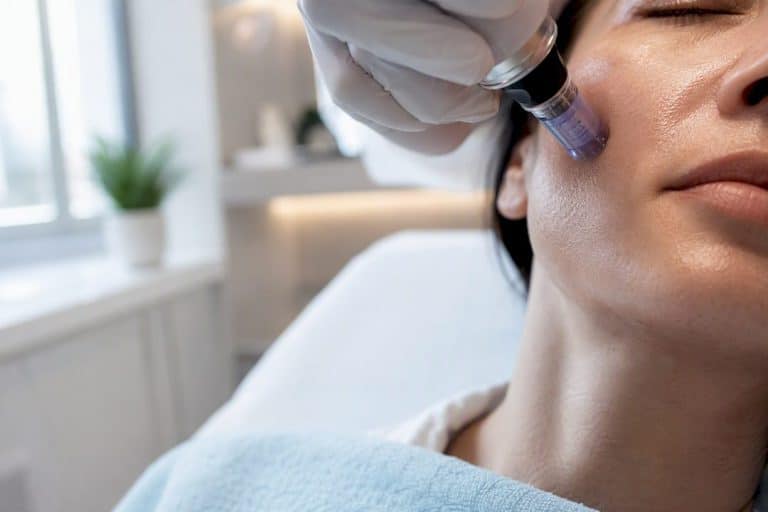
The treatment itself works by creating controlled micro-injuries in the skin using fine needles mounted on a motorised pen or roller. These micro-channels trigger your skin’s natural wound-healing response, stimulating collagen and elastin production. The result, over a series of treatments, is firmer, more even-toned skin with improved texture.
There are two main categories of microneedling you will encounter:
- Standard microneedling: Uses fine needles to create micro-channels at adjustable depths. Most commonly used for texture, scarring, and mild laxity.
- RF (radiofrequency) microneedling: Delivers heat energy through the needles into the deeper dermis. More effective for skin tightening and deeper wrinkles, but carries a distinct and more complex risk profile.
The depth of needle penetration matters considerably. Shallow depths (around 0.5 mm) address surface texture and tone, while deeper settings (1.5 to 2.5 mm) target acne scarring or significant laxity. Choosing the wrong depth for a skin type, particularly on darker skin tones or sensitive skin, is where complications most often arise. A skilled provider adjusts these settings based on your individual skin assessment, not a one-size approach.
Who should perform microneedling
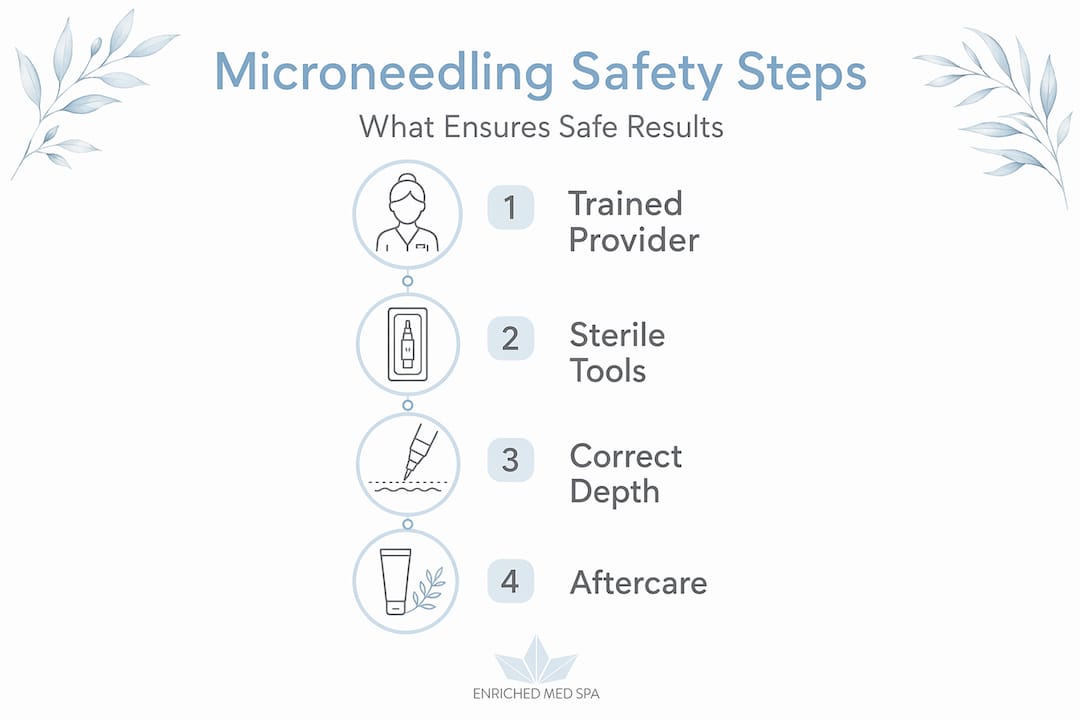
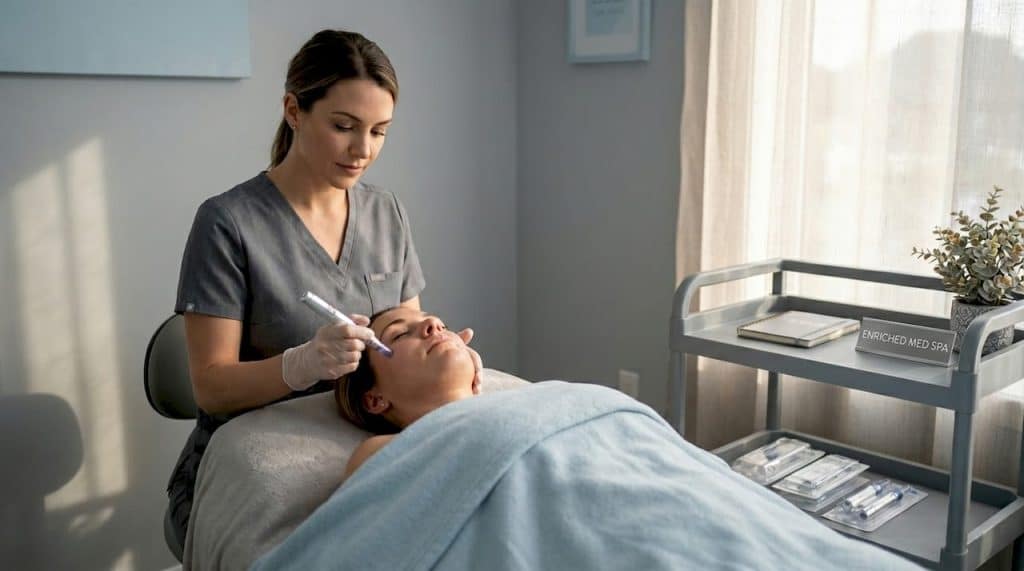
This is where many people underestimate the risk. The assumption that microneedling is a “simple” procedure because it involves small needles is one of the most common misconceptions we see. In reality, depth, settings, and sterile single-use needles are all critical safety controls that require clinical judgement.
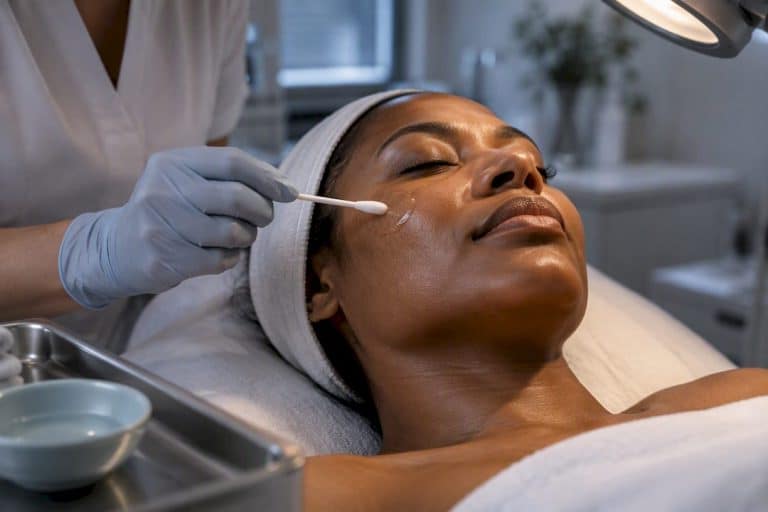
Microneedling safety concerns escalate sharply when treatments are performed by inadequately trained individuals or with unregulated devices. A trained provider brings three things to every session: knowledge of skin anatomy, the ability to customise needle depth and speed for your skin type, and a clinical environment with proper sterilisation protocols.
“Patients should ask their providers about depth settings and needle sterilisation to reduce risks and optimise outcomes.” — Time, 2026
For RF microneedling specifically, the stakes are higher. RF microneedling is operator-dependent and requires specialised training to avoid serious complications. The FDA issued a safety communication noting reported cases of burns, scarring, fat loss, disfigurement, and nerve damage linked to RF microneedling procedures performed without adequate expertise or appropriate device settings.
Here is what to verify before committing to any microneedling treatment:
- Your provider is a licensed medical professional with specific training in microneedling.
- The clinic uses single-use, sterile needle cartridges for every session.
- The device is medical-grade and appropriate for the treatment being offered.
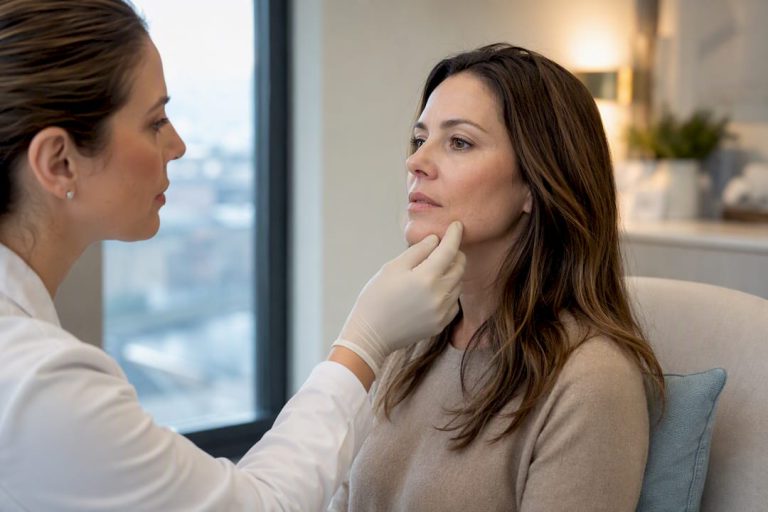
- Your provider conducts a thorough skin assessment before recommending settings.
- There is a clear protocol for managing post-treatment concerns.
Pro Tip: Ask your provider directly which device they use and whether needles are single-use. Any reputable clinic will welcome the question without hesitation.
Microneedling side effects and risks
Understanding microneedling side effects means separating what is expected from what signals a problem. Most people experience a predictable, short-term response. Some people encounter less common reactions. A small number face serious complications, almost always linked to poor sterile technique or inadequate provider training.
| Side effect | How common | Typical duration |
|---|---|---|
| Redness and flushing | Very common | 24 to 72 hours |
| Mild swelling | Common | 1 to 3 days |
| Sensitivity (sunburn-like sensation) | Common | 1 to 2 days |
| Temporary breakouts | Less common | 1 week |
| Post-inflammatory hyperpigmentation | Less common, higher risk in darker skin tones | Weeks to months |
| Infection | Rare, linked to sterile technique failure | Varies |
| Scarring | Rare, linked to depth errors or home use | Long-term |
| Burns or fat loss (RF only) | Rare, linked to inadequate RF training | Long-term |
Common side effects include redness and swelling lasting a few days, along with a sunscreen requirement post-treatment. These are signs your skin is responding and beginning to heal. They are not causes for concern on their own.
The more serious microneedling risks are tied to two consistent failure points: infection from non-sterile conditions and depth errors from inexperienced providers. A 2025 narrative review in the Journal of Cutaneous and Aesthetic Surgery found that infections linked to poor sterile technique and at-home devices were documented complications in aesthetic dermatology, reinforcing why clinical conditions matter so much.
Microneedling for sensitive skin requires extra attention. Darker skin tones are particularly vulnerable to post-inflammatory hyperpigmentation when needle depth or post-care is mismanaged. If you have a history of keloid scarring, active inflammatory skin conditions, or are prone to cold sores, these are factors your provider needs to know about before your first session.
Treatment should be avoided entirely if you have any of the following:
- Active skin infections or open wounds
- An acne flare with pustules or inflamed lesions
- A history of poor wound healing
- Blood-thinning medications (without physician clearance)
- Active eczema or psoriasis in the treatment area
Screening for these contraindications significantly reduces your microneedling risks. This is not about gatekeeping. It is about protecting your skin during a vulnerable phase.
At-home versus professional microneedling
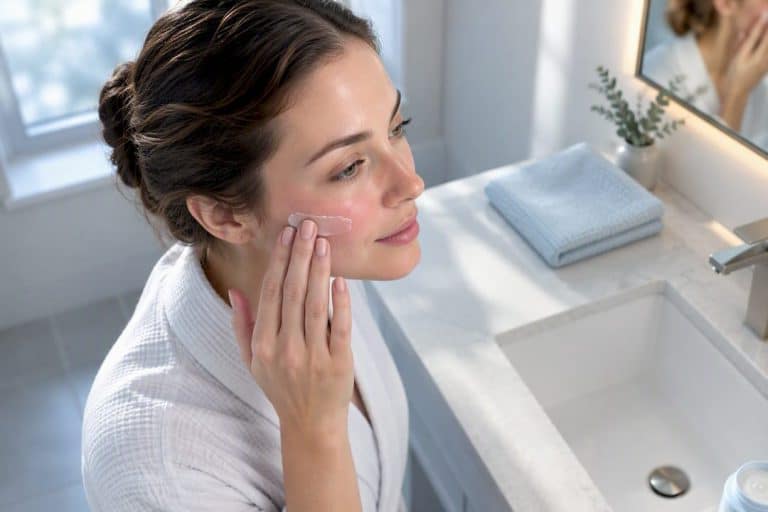
At-home microneedling devices are widely available, and the marketing around them can make them sound equivalent to clinical treatments. They are not. The difference lies in depth control, device quality, and the conditions under which they are used.
Here is a clear breakdown of the key distinctions:
- Needle depth: At-home rollers typically operate at 0.2 to 0.3 mm, which affects only the very surface of the skin. Devices marketed with deeper needle lengths are often medical devices intended for professional use only. Using them at home without training increases your risk of scarring and infection considerably.
- Sterilisation control: A clinical environment maintains strict protocols for cleaning and single-use needles. At home, contamination risk rises with every reuse of a roller or improper cleaning of a pen tip.
- Precision and customisation: Trained providers adjust speed, depth, and pressure based on what they observe in your skin. At-home devices offer none of that adaptability.
- Post-treatment management: After a professional session, your skin is assessed and appropriate aftercare is prescribed. At home, product choices applied immediately after microneedling can cause significant irritation if chosen incorrectly.
- Regulatory status: At-home pens often lack the precision and sterile conditions of professional procedures, and many are not cleared for the depths they claim to achieve.
If you are curious about what to look for in a device before purchasing, reviewing guidance on safe device selection is a good starting point. But for any meaningful skin concern, professional treatment is the safer and more effective path.
Pro Tip: If an at-home device advertises needles longer than 0.3 mm, treat that as a signal to bring it to a professional instead of using it yourself.
Preparing and recovering safely
Good microneedling aftercare tips begin before you even arrive for treatment. Preparation reduces the chance of complications and sets your skin up for the best possible healing response.
In the week before your appointment:
- Stop using retinoids, AHAs, BHAs, and any active exfoliants at least five to seven days prior.
- Avoid prolonged sun exposure and do not arrive with a fresh tan or sunburn.
- Skip waxing, threading, or depilatory use in the treatment area for at least one week.
- Do not book a session if you have an active cold sore, breakout with pustules, or any open skin irritation.
- Stay well-hydrated and inform your provider of any supplements or medications you are taking.
Proper preparation before microneedling involves avoiding these skin sensitisers and active skin issues to minimise both side effects and complications. Your skin needs to be in a stable, calm state to respond well.
After treatment, your skin needs time to breathe and rebuild. For the first 24 to 48 hours, avoid makeup, intense exercise, saunas, and anything that causes excessive heat or sweating. Use only gentle, fragrance-free products and apply a broad-spectrum SPF 30 or higher every morning without fail. Do not use retinoids or active acids until your provider tells you it is safe to reintroduce them, typically after five to seven days.
Signs that warrant a call to your clinic include increasing redness or swelling beyond three days, development of pus or weeping areas, a rash spreading beyond the treatment zone, or fever. These are uncommon but should never be ignored.
My honest take on microneedling safety
I’ve seen firsthand how much confusion surrounds the question of whether microneedling is right for me. And I understand why. The treatment sounds straightforward on the surface, but the variables that determine safety are more nuanced than most people realise before they book.
In my experience, the single biggest predictor of a safe and satisfying outcome is not the device. It is the person using it. I’ve reviewed cases where clients had treatments at less-regulated settings and came in with hyperpigmentation, textural irregularities, or prolonged redness that set their skin back rather than forward. In almost every case, the root issue was a depth miscalculation or a compromised sterilisation environment.
What I want readers to understand is that side effects and risks are not the same thing. Some redness and sensitivity after microneedling is normal and healthy. It means your skin’s repair response is active. But a burn, a scar, or a post-inflammatory pigmentation streak is not a side effect. It is a complication, and it is preventable with the right provider and the right approach.
Microneedling is not a miracle cure, either. It works because it creates a controlled healing response, and that response takes time. Most people see meaningful improvement after three to six sessions spaced four to six weeks apart. Expecting dramatic change from a single session leads to disappointment or, worse, to seeking out more aggressive treatments prematurely.
Screening matters. If your provider books you without asking about your medical history, current medications, or skin conditions, that is a red flag worth paying attention to.
— Felix
Safe microneedling at Enriched Med Spa
At Enrichedmedspa, we take every microneedling consultation seriously because your skin deserves a personalised plan, not a protocol pulled from a shelf. Our licensed providers conduct thorough skin assessments before every treatment, adjusting needle depth and speed to your specific concerns, skin type, and tone. We use only medical-grade, FDA-cleared devices with single-use sterile needle cartridges, every time.
Whether you are considering microneedling for acne scarring, fine lines, or overall texture improvement, we will give you an honest assessment of whether it is the right fit. We also offer a range of complementary non-surgical skin treatments for clients who want to explore multiple pathways to healthier skin, including dermal fillers, chemical peels, and radiofrequency skin tightening. If you are weighing your options and want to understand how dermal fillers compare to other treatments, we are happy to walk you through that as well. Book a consultation with us in Woodbridge or East Gwillimbury to start the conversation.
FAQ
Is microneedling safe for sensitive skin?
Yes, microneedling can be safe for sensitive skin when performed by a trained provider who adjusts needle depth and speed accordingly. A thorough skin assessment beforehand is especially important for reactive skin types.
Does microneedling hurt?
Most people describe the sensation as mild discomfort rather than pain. A topical numbing cream is typically applied 20 to 30 minutes before treatment, making the procedure very tolerable for the majority of clients.
What are the most common microneedling side effects?
Redness, mild swelling, and a sunburn-like sensation are the most common side effects, typically resolving within one to three days. These are expected responses, not signs of a complication.
Can microneedling cause scarring?
Scarring is a rare risk, most often associated with using at-home devices set too deep or with inadequate sterilisation. Devices deeper than 0.3 mm used without training carry a meaningfully higher risk of scarring and pigmentation problems.
How do I know if microneedling is right for me?
A consultation with a trained provider is the most reliable way to determine suitability. Key factors include your skin concerns, medical history, skin tone, and whether you have any contraindications such as active infections or a history of poor wound healing.