
Most Canadians pay somewhere between $7 and $12 per unit for brotox-style upper-face treatment, with a typical forehead, glabellar, and crow’s feet combination costing several hundred dollars for a full session. Confirm your injector is qualified and the product is Health Canada-authorised before you book, and plan for repeat visits every three to four months, since that maintenance rhythm shapes your real annual cost more than any single quote.
TL;DR:
- A typical upper face combination uses 35 to 60 units, putting sessions around $348 to $597 at the $9.95 national average.
- Product units cannot be compared across Botox, Dysport, Xeomin, and Nuceiva; ask for the named product, planned dose by area, and full price in writing.
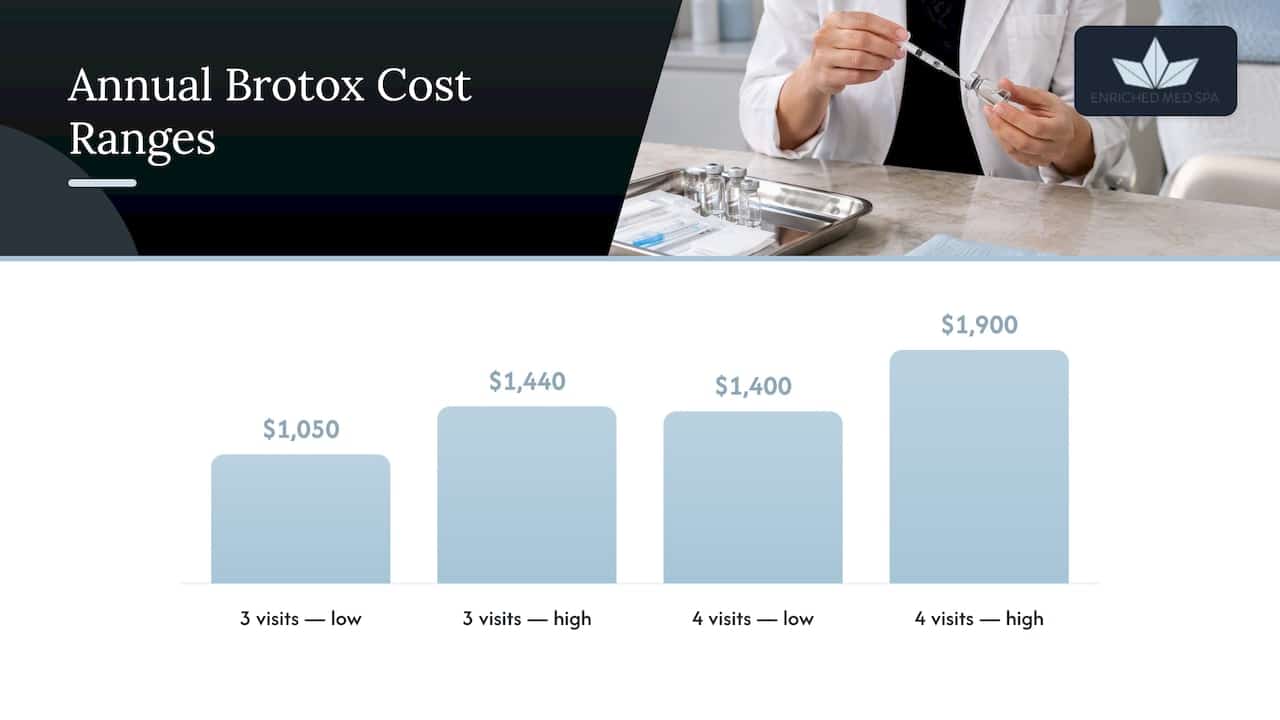
- A $470 mid market session repeated three or four times yearly costs about $1,050 to $1,900, while filler and resurfacing require separate budgets.
- Quotes below $7 per unit may reflect volume pricing or underdosing, so verify training, product authorization, and whether follow up care and fees are included.
Table of Contents
- How pricing works: per-unit versus per-area
- What affects your price: injector, brand, and safety
- Typical unit ranges and sample cost estimates by area
- How to compare clinics and what to ask
- Our perspective at Enriched Med Spa on pricing brotox responsibly
- Budgeting for the full year, not just one visit
- Getting a personalized brotox plan at Enriched Med Spa
- FAQ
- Sources
How pricing works: per-unit versus per-area
Clinics price brotox one of two ways: by the unit, or as a flat fee for a treatment area like the forehead or crow’s feet. A unit is the standard measure of how much product goes into a muscle, and your injector decides the count based on your anatomy and the strength of the muscle being treated. Per-unit pricing tends to feel more transparent because you can see exactly what you’re paying for, while per-area pricing bundles the units into one number that can be harder to compare across clinics.
SkinDay’s market data groups Canadian clinics into three rough bands:
- Budget clinics price under roughly $7 per unit, often higher-volume practices.
- Mid-market clinics sit around $7 to $12 per unit, the range where most established medical spas land.
- Premium clinics charge above $12 per unit, usually reflecting specialist injectors or higher-cost urban markets.
Cities like Toronto and Vancouver tend to skew toward the higher end of these bands because of overhead and demand. Keep in mind that published averages, including SkinDay’s own dataset, only cover clinics with verified pricing listed, so treat any number you read as a planning figure rather than a guaranteed quote for your postal code.
What affects your price: injector, brand, and safety
A quote that looks unusually low is worth a second look. Injector training matters: a nurse or physician with years of injecting experience often charges more per unit, but that premium usually buys more precise placement and fewer touch-ups. Product brand matters too. Botox, Dysport, Xeomin, and Nuceiva are not interchangeable unit for unit, and AbbVie’s own product information is explicit that a unit of Botox Cosmetic is specific to that product and cannot be swapped with another neurotoxin’s dosing scale.
Your total also absorbs things a bare per-unit price doesn’t show:
- Consultation and assessment time, which a responsible clinic builds into the visit rather than rushing.
- Follow-up checks or minor touch-ups within a defined window.
- Applicable tax and any clinic facility fee.
$9.95 per unit is the national average SkinDay reports across tracked clinics, but 32% of clinics price below $7 per unit, a pattern that can reflect efficient volume practices or, less reassuringly, underdosing. Always confirm the product is authorised for use in Canada; unauthorized imports have been seized here before and carry real health risks.
Typical unit ranges and sample cost estimates by area
Your injector will tailor dosing to your muscle strength and the look you want, but most Canadian upper-face treatments fall within predictable unit ranges:
- Forehead: roughly 10 to 30 units.
- Glabellar lines (the “11s” between the brows): roughly 15 to 25 units.
- Crow’s feet: roughly 12 to 24 units.
- Combined upper-face trio: roughly 35 to 60 units total.
Using those ranges against the three pricing bands gives you a realistic planning window rather than a single misleading number. At the budget band (around $6.50 per unit), a 35-unit session runs about $228, while a 60-unit session runs closer to $390. At the mid-market band (around $9.95 per unit, the national average), the same range spans roughly $348 to $597. At the premium band (around $14 per unit), expect $490 to $840 for the same unit counts.
These figures line up closely with what SkinDay’s London, Ontario guide documents locally: an average near $9.90 per unit and typical upper-face sessions costing $345 to $595, almost identical to the national mid-market estimate. That consistency is reassuring, but it’s still an estimate. Your actual dose depends on muscle mass, how deep your lines are, and whether you’re treating one area or the full trio, so the number your injector proposes after an in-person assessment should always take priority over any online range.
How to compare clinics and what to ask
A price only means something once you know what it includes. Before you book, ask these questions:
- Who is actually injecting you, and what is their title and training?
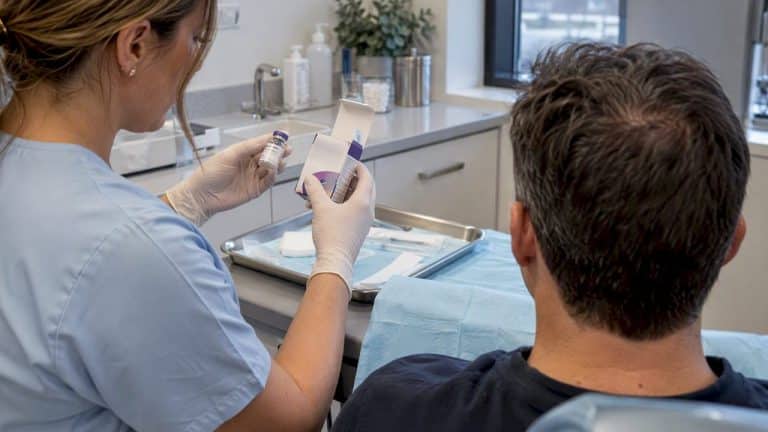
- Which product are they using, and is it Health Canada-authorised?
- How many units are planned for each area, and why that amount for you specifically?
- Is a follow-up check or minor touch-up included, and within what timeframe?
- What is the cancellation or refund policy if you change your mind?
Ask for the answers in writing. A clinic that hesitates to put the product name, unit count, and price per unit on a treatment plan is a red flag worth taking seriously.
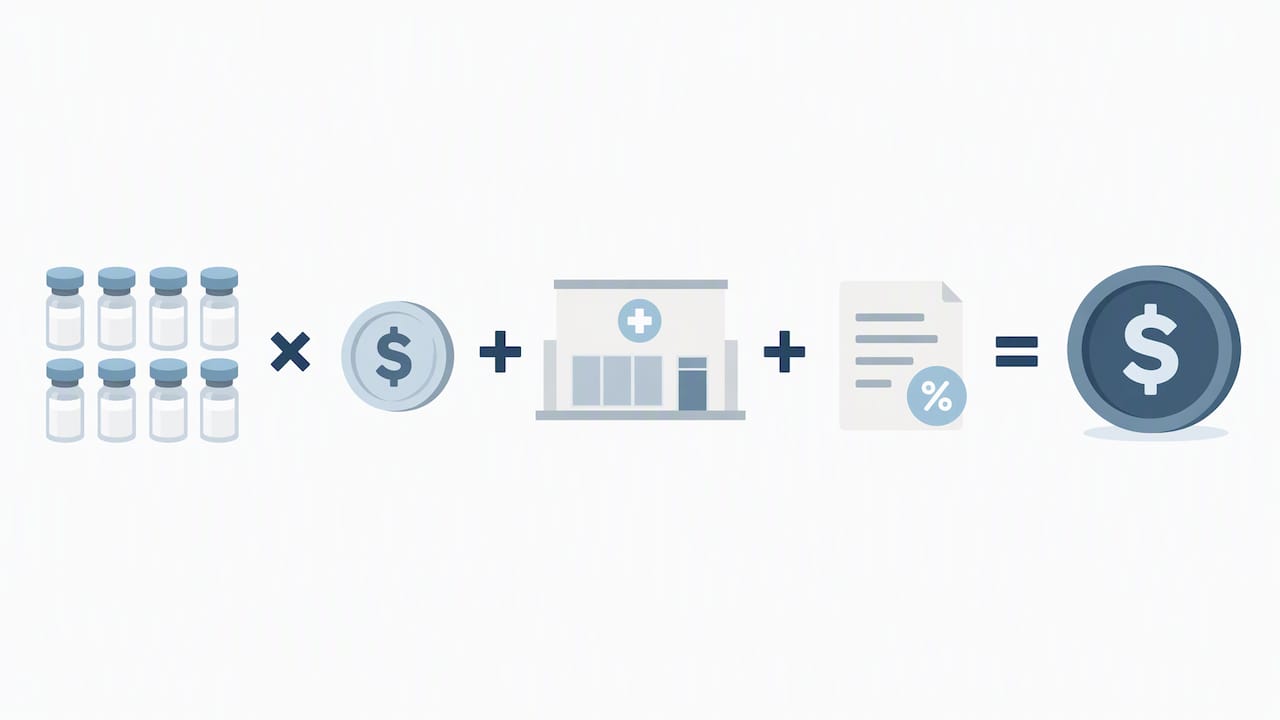
Pro Tip: Work backward from the quote: multiply the proposed unit count by the stated unit price, then add any disclosed clinic fee and tax, so you know the full number before you sit in the chair.
Our perspective at Enriched Med Spa on pricing brotox responsibly
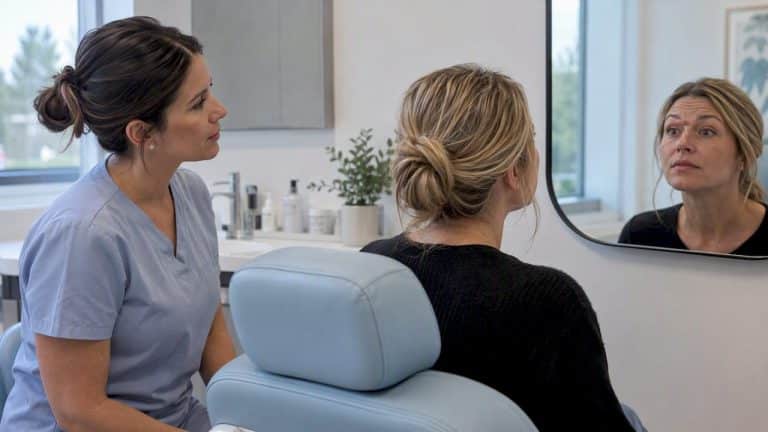
In our consultations, many clients come in noticing early tension lines on the forehead or asking about “preventative” Botox in their late twenties, while others want a more established crease between the brows softened. Expectations differ, and so does the right dose: a lighter treatment plan for early lines looks very different from one addressing years of muscle movement.
We build every quote around an actual assessment rather than a flat area price. That means:
- Reviewing your facial movement and the specific lines you want addressed.
- Proposing a unit count and product (Botox, Nuceiva, or Xeomin) based on that assessment, never a generic package.
- Explaining expected onset, duration, and when a follow-up adjustment makes sense.
Most clients return every three to four months once they find their ideal dose, which is a normal and expected part of maintaining results, not a sign the first treatment underperformed.
— Felix
Budgeting for the full year, not just one visit
Health Canada notes that cosmetic Botox effects generally last about three to four months, which means most people booking regular treatments return three to four times a year. If your mid-market session runs around $470 for a 35 to 60 unit combination, four visits a year puts you in the range of $1,400 to $1,900 annually, and three visits closer to $1,050 to $1,440.
If you’re also considering filler or a resurfacing treatment alongside brotox, budget them separately. Combining treatments in one visit changes the math, since each addresses a different concern and is priced on its own merits rather than bundled into a single injectable total.
Getting a personalized brotox plan at Enriched Med Spa
Reading price ranges only gets you so far. The number that matters is the one built around your face, your goals, and the product your injector recommends after seeing you in person. A consultation with our team includes a full assessment, a proposed unit count by area, the specific product we recommend, and a clear note on when to come back for a follow-up or touch-up.
Before your visit, it helps to come with a photo from a few years ago if you have one, so we can see how your lines have changed, and a short list of what bothers you most. We’ll walk through:
- A written estimate based on your actual unit count, not a generic area price.
- Clear next steps for follow-up within the typical healing window.
- Honest guidance on whether brotox is the right fit or whether a lighter option might suit you better first.
If you’re ready to see what a personalized plan looks like, book a consultation for Botox, Nuceiva, or Xeomin with our team.
FAQ
Can I drink alcohol before getting Botox?
It’s best to avoid alcohol for about 24 hours before your appointment, since it can thin the blood and increase the chance of minor bruising at injection sites. This isn’t a strict medical requirement, just a practical precaution most clinics recommend during your consultation.
What is the average cost of Botox per year in Canada?
Based on a mid-market rate of roughly $9.95 per unit and three to four treatments a year for a typical upper-face combination, most people spend somewhere between $1,050 and $1,900 annually. Your actual yearly cost depends on how many units you need and how often you return for maintenance.
How long does Botox usually last?
Health Canada states that cosmetic Botox effects generally last about three to four months, and treatments should not be repeated sooner than three months apart. This is why most people settle into a three to four visit yearly rhythm rather than booking more frequently.
Does a lower price per unit mean lower quality?
Not necessarily, but it’s worth asking more questions. SkinDay’s data shows that a meaningful share of Canadian clinics price below $7 per unit, which can reflect an efficient, high-volume practice or, in some cases, a lower unit count or less experienced injector, so always confirm the product and credentials behind any quote.
Why do unit counts vary so much between people?
Dosing depends on your muscle strength, the depth of your lines, and the specific areas you’re treating, which is why product information emphasizes individualized dosing rather than a fixed number for everyone. Two people treating the same area can reasonably receive different unit counts from the same injector.