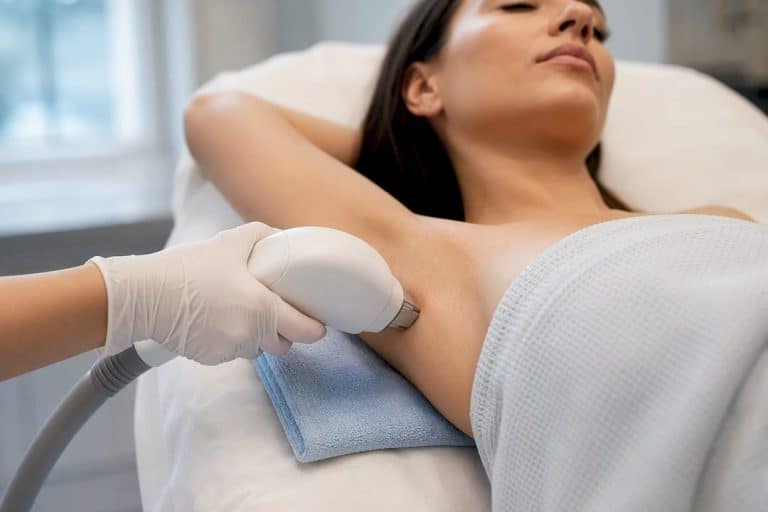

Advanced aesthetic treatments are defined as clinically administered, minimally invasive procedures that improve skin health, restore facial balance, and reduce visible signs of ageing. The industry term used by practitioners is “medical aesthetics,” which covers everything from neuromodulators like Botox and Xeomin to energy-based devices like radiofrequency and laser resurfacing. The benefits of advanced aesthetic treatments go well beyond surface-level appearance. They address real skin concerns, including loss of elasticity, uneven pigmentation, and volume depletion, with results that are clinically measurable. Understanding what these treatments actually do, and what they require of both the provider and the client, helps you make a genuinely informed decision.
What specific benefits do advanced aesthetic treatments provide?
Non-surgical aesthetic procedures commonly improve skin quality, reduce signs of ageing, and restore facial balance, contributing to overall confidence and well-being. That last point matters more than most people expect. Clients who address concerns like hollowing under the eyes or persistent skin texture issues often report a meaningful shift in how they feel day to day, not just how they look in photos.
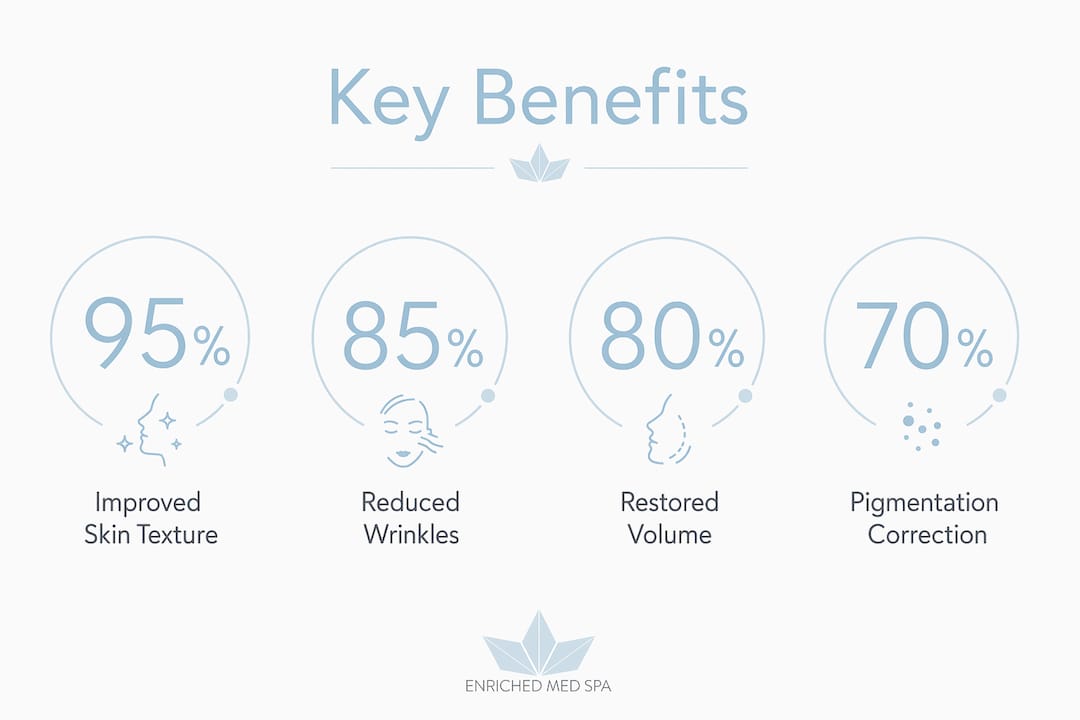
The advantages of aesthetic procedures fall into several clear categories:
- Skin texture and tone. Treatments like microneedling, chemical peels, and laser resurfacing stimulate collagen production and accelerate cell turnover. The result is smoother, more even skin over a series of sessions.
- Wrinkle reduction. Neuromodulators such as Botox, Nucieva, and Xeomin relax the muscles responsible for dynamic lines, particularly around the forehead, eyes, and mouth.
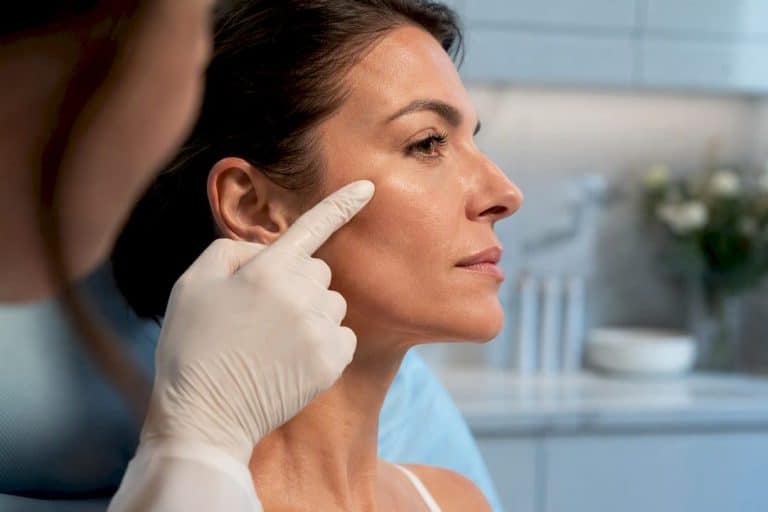
- Volume restoration. Dermal fillers like Juvederm and Teosyal replace lost subcutaneous volume in areas like the cheeks, lips, and under-eye hollows, restoring a naturally rested appearance.
- Pigmentation correction. Laser therapies and medical-grade peels target melanin deposits caused by sun exposure, hormonal changes, or post-inflammatory hyperpigmentation.
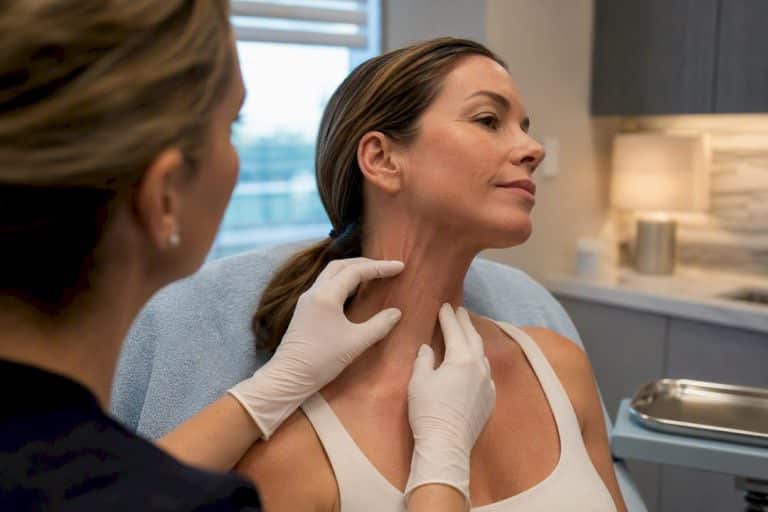
- Skin tightening. Radiofrequency treatments deliver controlled heat to the deeper layers of skin, stimulating collagen remodelling and improving laxity without surgery.
The Canadian non-surgical cosmetic procedure market is growing at nearly 10% annually, driven by demand for neuromodulators, dermal fillers, and energy-based technologies. That growth reflects a genuine shift in how people approach skin health. Clients are no longer waiting for dramatic change. They are seeking gradual, well-maintained results that keep pace with natural ageing.
Many clients arrive at Enrichedmedspa noticing early signs of fatigue in their skin, whether that is fine lines appearing at rest, a loss of definition along the jawline, or a dullness that no at-home product seems to address. These are exactly the concerns that advanced cosmetic treatments are designed to meet, with precision and without the recovery time of surgical alternatives.
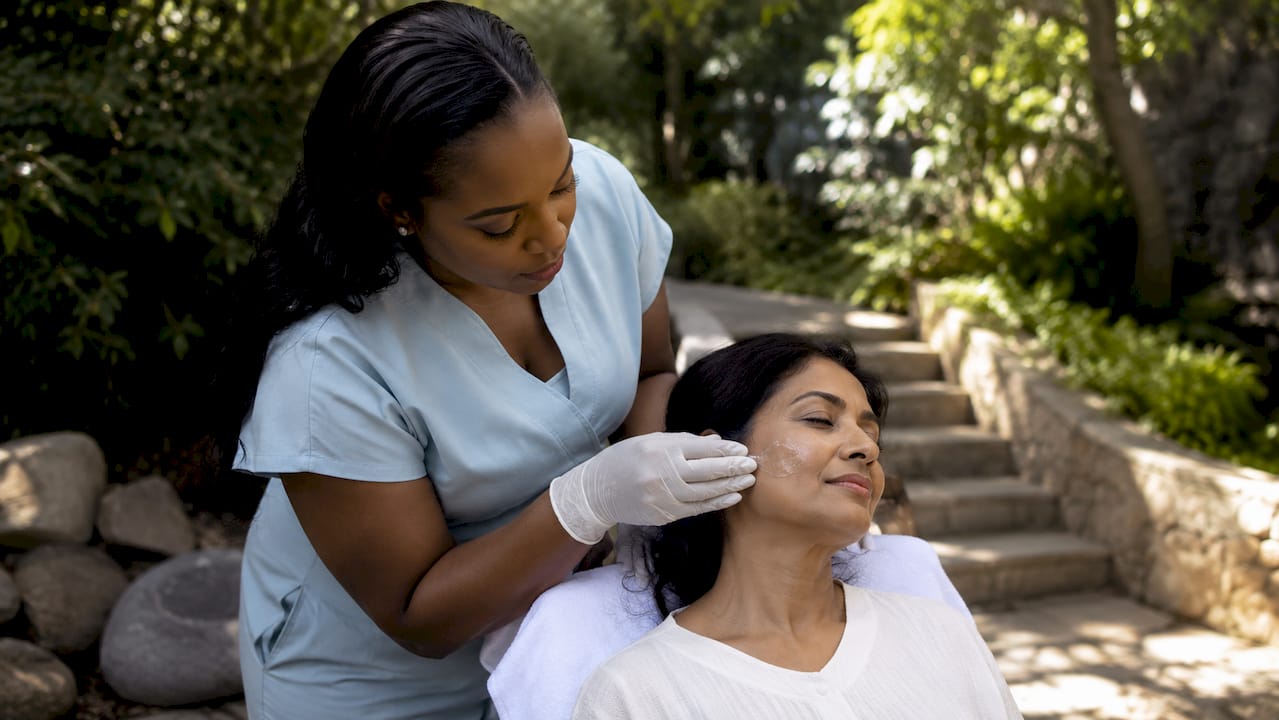
How do different treatment types compare in benefits and applications?
Choosing the right treatment depends on your specific concern, your skin type, and how much downtime you can accommodate. The table below outlines the primary categories of advanced aesthetic treatments, what they target, and what to expect.
| Treatment type | Primary concern addressed | Typical session time | Recovery | Expected results |
|---|---|---|---|---|
| Neuromodulators (Botox, Xeomin, Nucieva) | Dynamic wrinkles, brow lifting | 15–30 minutes | Minimal | Visible in 3–7 days, lasts 3–4 months |
| Dermal fillers (Juvederm, Teosyal) | Volume loss, lip definition, facial contour | 30–60 minutes | Mild swelling 1–3 days | Immediate, lasts 6–18 months |
| Laser resurfacing | Pigmentation, texture, fine lines | 30–60 minutes | 3–7 days depending on depth | Progressive over 4–6 weeks |
| Radiofrequency skin tightening | Skin laxity, jawline definition | 45–60 minutes | Minimal | Gradual over 2–3 months |
| Microneedling | Scarring, texture, collagen stimulation | 45–60 minutes | 24–72 hours of redness | Visible after 3–4 sessions |
| Chemical peels | Pigmentation, dullness, mild texture | 30–45 minutes | 3–7 days of peeling | Brighter, smoother skin within 1–2 weeks |
Each category targets a different layer of the skin and a different mechanism of concern. Neuromodulators work on muscle activity. Fillers work on volume and structure. Non-surgical skin lifting treatments like radiofrequency and laser work on the dermis itself. Understanding this distinction helps you have a more productive conversation with your provider.
Pro Tip: If you are new to medical aesthetics, start with a single-concern treatment before combining modalities. A chemical peel or a single area of neuromodulator treatment gives you a clear sense of how your skin responds before you layer in fillers or energy-based devices.
Combination approaches often produce the best outcomes. A client addressing early facial ageing might benefit from a neuromodulator for forehead lines, a small amount of filler for cheek support, and a series of microneedling sessions for overall skin quality. The key is sequencing these treatments correctly, which is why the consultation matters as much as the treatment itself.
What safety considerations should you know before choosing a treatment?
Aesthetic treatments involve prescription drugs and invasive techniques with genuine risks, including tissue necrosis and nerve damage, requiring clinical expertise to manage safely. This is not said to alarm you. It is said because understanding the medical nature of these procedures is what separates a good outcome from a poor one.
Clients often perceive aesthetic treatments as self-care rather than medical procedures, which leads to underestimating the associated risks. That perception gap is where most problems begin. A treatment that looks simple from the outside, like a filler injection, involves detailed knowledge of facial anatomy, vascular structures, and tissue behaviour.
Key safety considerations include:
- Informed consent. Informed consent is mandatory for aesthetic procedures in Canada, including discussion of adverse reactions such as tissue injury and lidocaine toxicity. You should receive a thorough explanation of risks before any treatment begins.
- Provider credentials. One well-trained provider can prevent adverse events that can undo years of trust. Ask about your provider’s training, certifications, and clinical experience with the specific treatment you are considering.
- Patient selection. Clients with unrealistic expectations or body dysmorphic disorder may be unsuitable candidates, and ethical care may require a provider to decline treatment. A good clinic will tell you honestly if a treatment is not right for you.
- Medical history review. EAMC clinical research stresses that best aesthetic outcomes arise when practitioners prioritise safety and thorough preparation over speed. That preparation includes a full review of your health history, medications, and skin concerns.
Pro Tip: Before booking any treatment, ask your provider to walk you through the consultation process at Enrichedmedspa. A thorough consultation is the clearest signal that a clinic takes your safety seriously.
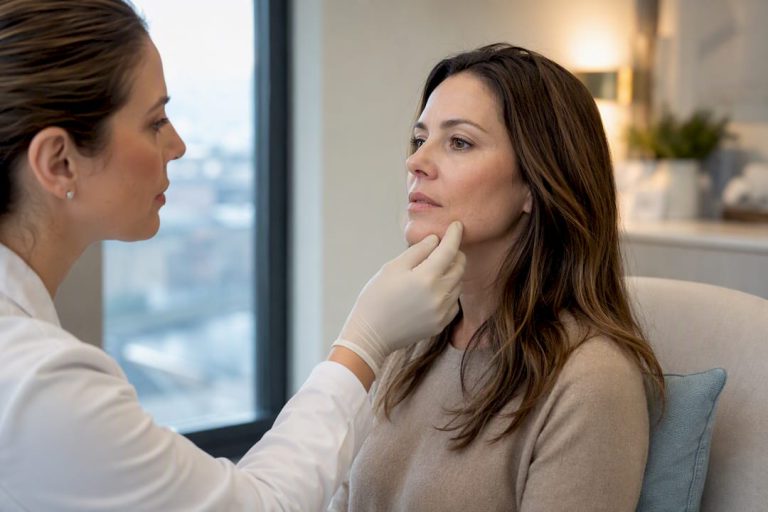
The right provider will never rush you into a treatment. They will take time to assess your facial anatomy, discuss your goals, and explain what is and is not achievable. That process protects you and produces better results.
How do advanced aesthetic treatments fit into long-term skin health?
Advanced beauty treatment advantages are most visible when treatments are approached as part of an ongoing skin health strategy, not as one-time fixes. The skin changes continuously with age, sun exposure, and lifestyle factors. Treatments that are well-timed and properly maintained deliver results that look natural precisely because they keep pace with those changes.
A sustainable approach to medical aesthetics typically includes:
- Scheduled maintenance. Neuromodulators generally require repeat treatment every 3–4 months to maintain results. Dermal fillers vary by product and placement, with some lasting up to 18 months.
- Combination care. Pairing injectables with skin-quality treatments like microneedling or laser resurfacing addresses both structure and surface. The two approaches reinforce each other.
- At-home support. Medical-grade skincare, including broad-spectrum SPF, retinoids, and antioxidant serums, extends the life of in-clinic treatments and protects the skin between sessions.
- Realistic timelines. Most skin-quality treatments show progressive improvement over weeks, not days. Collagen remodelling from radiofrequency or microneedling continues for up to three months after a session.
Enrichedmedspa supports clients through each stage of this process, from the initial consultation through to maintenance planning. The goal is never a dramatic change. It is a gradual, well-supported improvement that looks like the best version of you, not a different person. Clients who commit to a consistent plan consistently report the most satisfying outcomes, both in how their skin looks and how they feel about it.
Key takeaways
Advanced aesthetic treatments deliver the most reliable results when clinical safety, provider expertise, and realistic expectations are treated as non-negotiable foundations.
| Point | Details |
|---|---|
| Treatments address real skin concerns | Injectables, laser, and RF therapies target texture, volume, pigmentation, and laxity with clinical precision. |
| Safety requires informed consent | Canadian regulations mandate full disclosure of risks before any aesthetic procedure begins. |
| Provider training is critical | A skilled, credentialed provider prevents the complications that untrained practitioners cannot manage. |
| Combination approaches work best | Pairing neuromodulators with skin-quality treatments produces more natural, lasting results than single treatments alone. |
| Maintenance sustains results | Scheduling follow-up treatments and supporting them with medical-grade skincare extends and protects outcomes. |
What I have learned from watching clients navigate medical aesthetics
The clients who get the best results are almost never the ones who arrive with the most dramatic goals. They are the ones who come in curious, ask good questions, and are willing to start conservatively. That pattern holds across every treatment category I have observed, from first-time Botox clients to those pursuing a full skin resurfacing programme.
The most common misconception I see is that a more aggressive treatment will produce a faster or better result. In reality, the opposite is often true. Overfilling, over-treating, or skipping the consultation stage to save time tends to produce results that look forced and require correction. The role of facial anatomy in treatment planning cannot be overstated. Every face is structurally different, and what works beautifully on one person can look wrong on another if the provider has not assessed the underlying structure carefully.
Patient education programmes that combine anatomy, safety protocols, and hands-on supervision produce better clinical readiness in practitioners. That finding matters to you as a client because it tells you what to look for when choosing a provider. Ask about their training. Ask how they handle complications. A provider who answers those questions confidently and without defensiveness is one worth trusting.
My honest view is that medical aesthetics, done well, is one of the most effective tools available for maintaining skin health as you age. Done poorly, it is a source of regret and expense. The difference almost always comes down to the quality of the consultation and the honesty of the provider.
— Felix
Advanced aesthetic treatments at Enrichedmedspa
Enrichedmedspa serves clients in Woodbridge and East Gwillimbury, Ontario, with a full range of non-surgical treatments designed to address real skin concerns with clinical care. Whether you are considering your first injectable treatment or looking to build a longer-term skin health plan, the team at Enrichedmedspa takes the time to understand your goals before recommending any procedure. Start by reading the complete guide to cosmetic injectables to understand what is involved, what to expect, and how to prepare. You can also explore the full range of skin treatment options to find the approach that fits your skin and your schedule. Every treatment at Enrichedmedspa begins with a thorough consultation, because that is where good outcomes start.
FAQ
What are the main benefits of advanced aesthetic treatments?
Advanced aesthetic treatments improve skin texture, reduce wrinkles, restore facial volume, correct pigmentation, and tighten lax skin. These outcomes contribute to both appearance and overall skin health.
How long do the results of cosmetic treatments last?
Results vary by treatment type. Neuromodulators typically last 3–4 months, dermal fillers last 6–18 months depending on the product, and skin-quality treatments like microneedling show progressive improvement over several weeks following each session.
Are advanced aesthetic treatments safe?
These treatments carry genuine medical risks, including tissue injury and, in rare cases, nerve damage. Safety depends heavily on provider training, thorough patient assessment, and informed consent, all of which are mandatory requirements under Canadian clinical standards.
How do I know which treatment is right for me?
A qualified provider will assess your facial anatomy, skin condition, and goals during a consultation before recommending any treatment. No reputable clinic recommends a procedure before completing that assessment.
How often do I need maintenance treatments?
Most neuromodulator treatments require repeat sessions every 3–4 months. Skin-quality treatments like laser resurfacing or radiofrequency are often done in a series of 3–6 sessions, followed by periodic maintenance based on your skin’s response and ageing process.