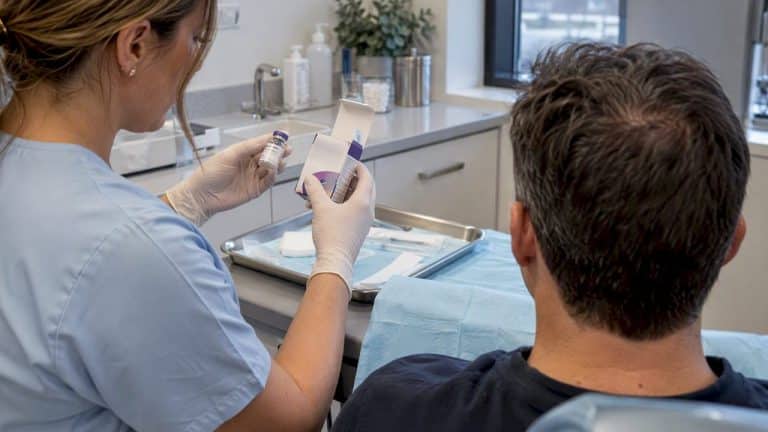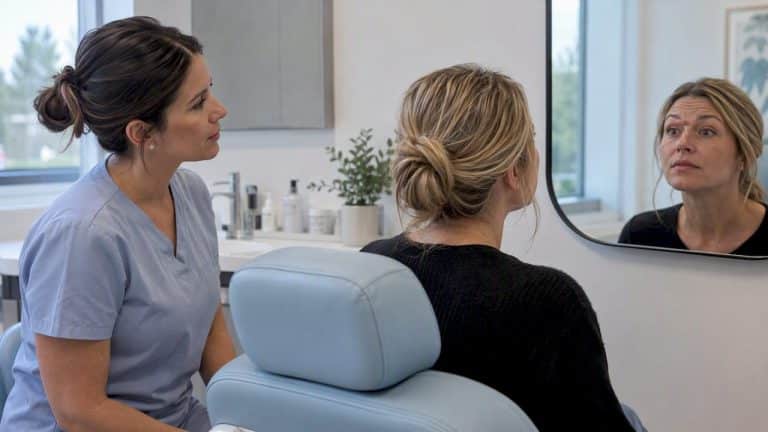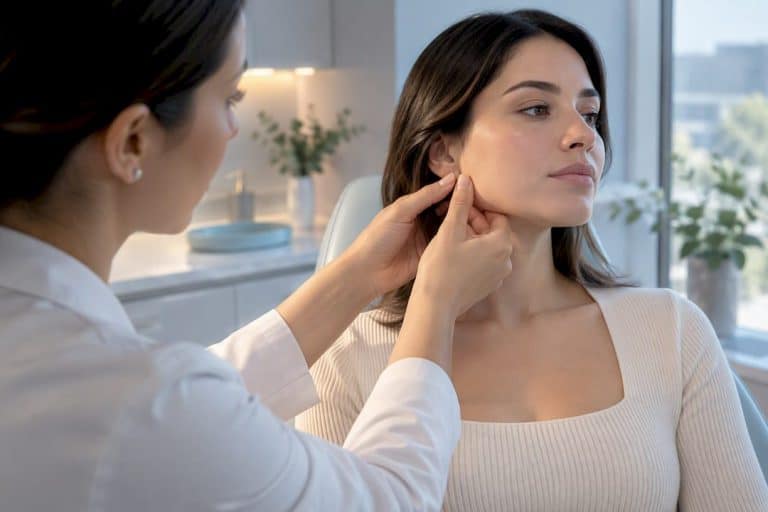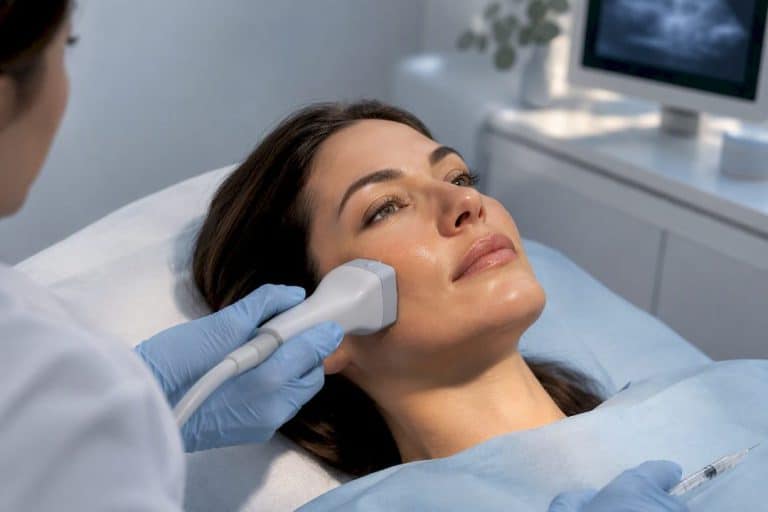

Medical aesthetics is the branch of medicine focused on non-surgical, clinically supervised procedures designed to improve appearance and skin health using evidence-based treatments. Unlike traditional spa services, these procedures are performed by licensed healthcare professionals and affect living tissue beneath the skin’s surface. Common treatments include neuromodulators like Botox and Nucieva, dermal fillers such as Juvederm and Teosyal, laser resurfacing, microneedling, and radiofrequency skin tightening. Understanding what medical aesthetics entails, how these treatments work, and what realistic outcomes look like helps you make confident, informed decisions about your skin and appearance.
What is medical aesthetics and how does it work?
Medical aesthetics is a recognised medical specialty that uses minimally invasive, evidence-based procedures to address cosmetic concerns and improve skin health. According to the American Med Spa Association, many medical aesthetic services are classified as medical treatments because they impact living tissue, requiring professional oversight and regulatory compliance. This is the defining characteristic that separates the field from conventional beauty services.
The “medical” in medical aesthetics refers primarily to medical supervision and prescribing authority, not simply the clinical setting. A registered nurse, physician, or nurse practitioner must assess your suitability, prescribe certain treatments, and oversee your care. This structure exists because procedures like injectables and laser therapies carry real physiological effects that require trained clinical judgement.
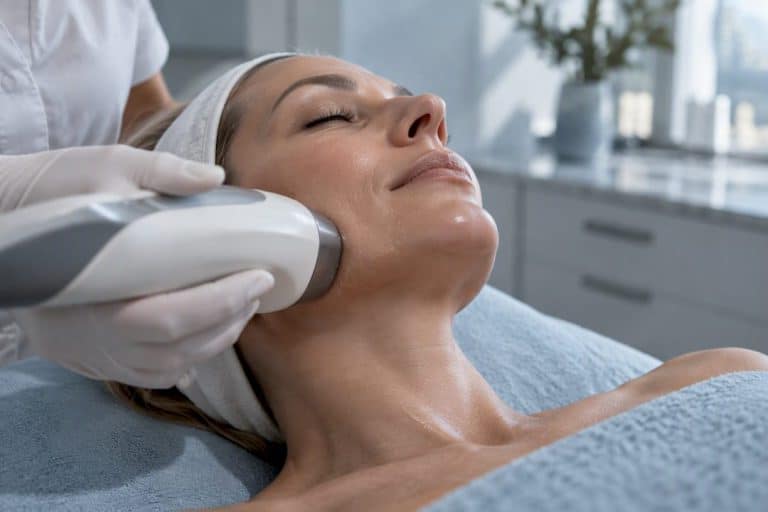
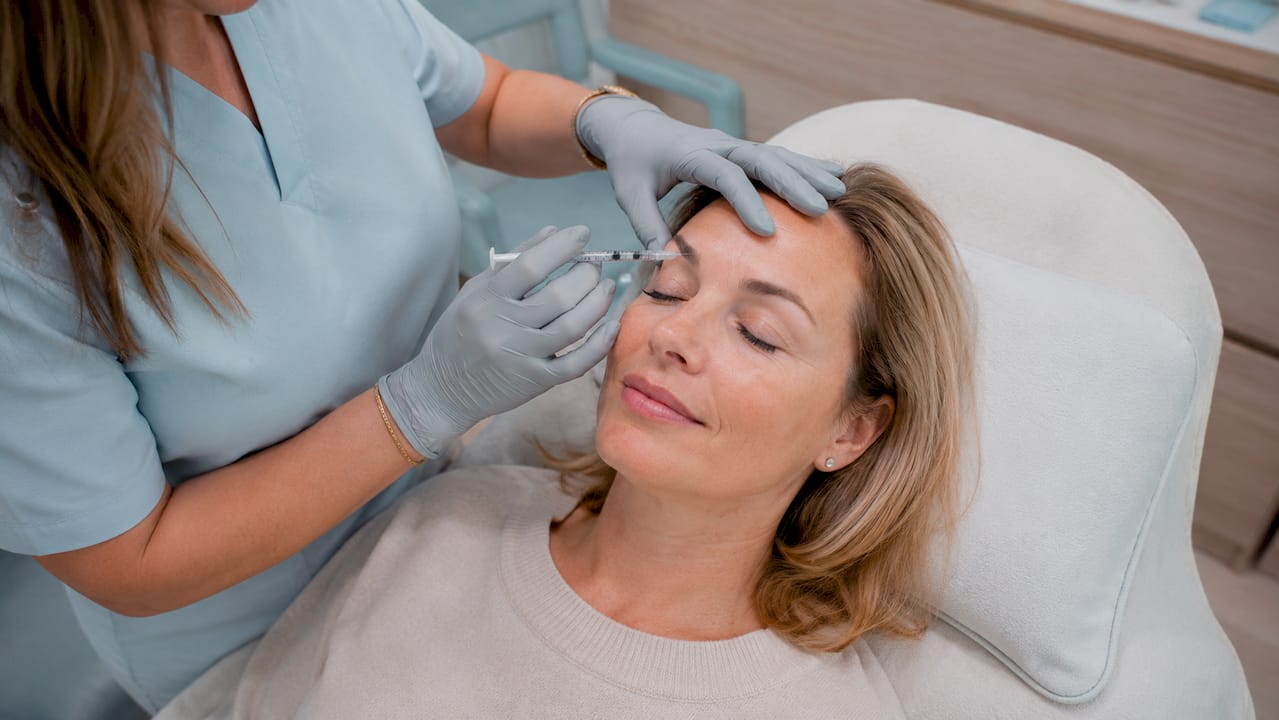
Treatments work by targeting specific structures beneath the skin. Neuromodulators relax the facial muscles responsible for expression lines. Dermal fillers restore lost volume in areas like the cheeks or lips. Laser and energy-based devices stimulate collagen production in the dermis. Microneedling creates controlled micro-injuries that trigger the skin’s natural repair response. Each mechanism is distinct, and each requires a provider who understands facial anatomy and tissue behaviour.
What treatments fall under medical aesthetics?
The range of medical aesthetic procedures is broad, covering both facial rejuvenation and body concerns. The American Med Spa Association lists these as core services performed in clinical settings:
- Neuromodulators: Botox, Nucieva, and Xeomin relax targeted facial muscles to soften dynamic wrinkles like forehead lines and crow’s feet.
- Dermal fillers: Products like Juvederm and Teosyal restore volume, define contours, and smooth deeper folds. Filler treatment benefits vary by product and placement area.
- Laser and energy-based treatments: Laser resurfacing, radiofrequency skin tightening, and intense pulsed light address texture, pigmentation, and laxity.
- Microneedling: Stimulates collagen and elastin through controlled micro-channels in the skin.
- Thread lifts: Dissolvable sutures placed beneath the skin to lift and reposition sagging tissue.
- Body contouring: Non-surgical fat reduction and skin tightening for areas like the abdomen and thighs.
Timelines and maintenance expectations
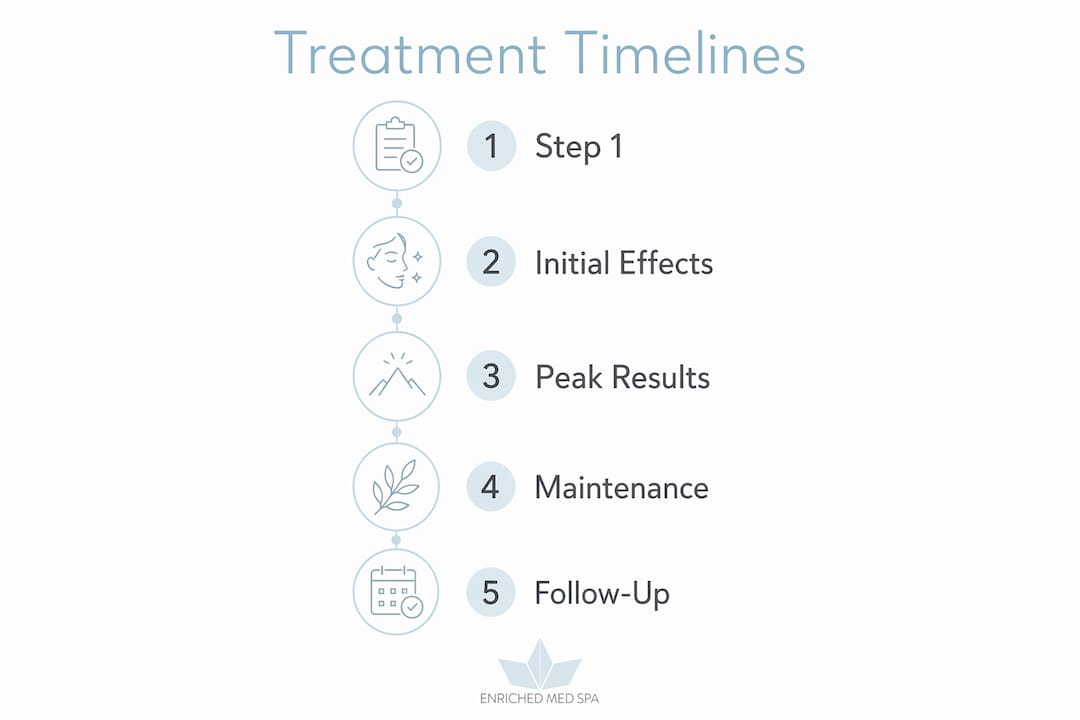
Results vary by treatment type. Botox typically shows effects within two weeks and lasts approximately 3–4 months, primarily addressing dynamic wrinkles caused by repeated muscle movement. Dermal fillers generally last longer, often 9–18 months depending on the product and placement. Laser and microneedling results build gradually over several weeks as collagen remodels.
Maintenance is part of the plan, not a sign that something went wrong. Most clients schedule Botox appointments two to three times per year and filler treatments once annually. Your provider will help you build a realistic schedule based on your goals and how your skin responds.
Pro Tip: Ask your provider to photograph your baseline before any treatment. Subtle improvements are easy to overlook without a comparison, and baseline documentation is a standard part of tracking outcomes in medical aesthetics.
Safety considerations
Minimally invasive treatments still carry procedure-dependent risks. Expert panel recommendations emphasise tailored periprocedural skincare and safety protocols around injectables and energy devices. Bruising, swelling, and temporary redness are common. More serious complications, such as vascular occlusion with fillers, are rare but possible when treatments are performed by undertrained providers. This is why provider credentials matter as much as the treatment itself.
How is medical aesthetics different from spa treatments?
The core distinction between medical aesthetics and traditional spa or beauty services comes down to depth, supervision, and regulation. Spa facials, waxing, and standard skincare treatments work on the skin’s surface. Medical aesthetic procedures affect living tissue beneath the skin, which is why they require a licensed medical professional to administer or supervise them.
Here is a clear comparison of the two:
| Feature | Medical Aesthetics | Traditional Spa |
|---|---|---|
| Provider credentials | Licensed physician, RN, or NP | Esthetician or beauty therapist |
| Tissue depth | Affects living tissue beneath the skin | Works on the skin’s surface |
| Regulatory oversight | Governed by provincial health regulations | Governed by cosmetology licensing |
| Prescription treatments | Yes, required for injectables | No |
| Medical consultation | Mandatory before treatment | Not required |
Regulatory frameworks reinforce this distinction. Rhode Island’s Medical Spas Safety Act, for example, mandates medical supervision and the appointment of a medical director for cosmetic medical procedures. Ontario operates under similar principles, with regulated health professionals accountable for the treatments they perform or delegate.
The practical implication for you is straightforward. If a treatment can alter muscle movement, add volume, or resurface the dermis, it belongs in a medically supervised setting. Understanding how medical spas differ from traditional spas helps you choose the right environment for the results you want.
Who is a good candidate for medical aesthetic treatments?
Most adults in good general health are suitable candidates for at least some medical aesthetic treatments. The key is an honest, thorough consultation with a qualified provider before any procedure begins.
Common concerns that bring clients to medical aesthetics include:
- Early signs of aging, such as fine lines, loss of facial volume, and skin laxity
- Uneven skin tone, sun damage, or persistent pigmentation
- Acne scarring or rough skin texture
- Desire for facial contouring without surgery
- Skin quality concerns, including dullness and dehydration
The initial consultation process is where candidacy is determined. The American Med Spa Association states that a face-to-face exam by a qualified prescribing provider is generally mandated prior to medical aesthetic treatments. This is not a formality. It is the step where contraindications are identified, health history is reviewed, and a personalised plan is built.
Certain conditions affect candidacy. Pregnancy, active skin infections, autoimmune conditions, and some medications can contraindicate specific treatments. Botulinum toxin, for instance, is not appropriate for clients with neuromuscular disorders or those taking certain antibiotics. Your provider will screen for these factors before recommending any procedure.
Pro Tip: Come to your consultation with photos of results you admire and a clear description of what bothers you most. The more specific you are, the more tailored your treatment plan will be.
Providers also use baseline photos and 3D scanning tools to document your starting point. This documentation helps track subtle changes over time and sets realistic expectations from the outset.
What are the benefits and realistic outcomes?
The benefits of medical aesthetics are measurable and well-documented, but they are also gradual and individual. No two clients respond identically, which is why personalised treatment plans consistently outperform one-size-fits-all approaches.
Clinically observed improvements include:
- Reduction in dynamic wrinkles and expression lines following neuromodulator treatment
- Restored facial volume and improved contour symmetry with dermal fillers
- Improved skin texture, tone, and radiance following laser resurfacing or microneedling
- Firmer, tighter skin with radiofrequency treatments like Forma
- Increased confidence and comfort in one’s appearance
A 2025 MDPI literature review on non-invasive regenerative aesthetic medicine highlights multidimensional assessment approaches for measuring outcomes, combining clinical photography with patient-reported satisfaction. This matters because it confirms that both objective improvement and how you feel about your results are valid measures of success.
Realistic expectations are part of every good treatment plan. Botox softens lines; it does not erase them entirely. Fillers restore volume; they do not replicate surgery. Laser treatments improve texture over a series of sessions, not overnight. The clients who feel most satisfied are those who understand this from the start and work with a provider who communicates clearly throughout the process.
Clinicians also recommend tailored skincare regimens around aesthetic treatments, often including specific cleansers, antioxidants, and broad-spectrum SPF to protect and extend results. Your skincare routine at home directly influences how long your treatment outcomes last.
Key takeaways
Medical aesthetics delivers its best results when clinical expertise, personalised planning, and realistic expectations work together from the first consultation onward.
| Point | Details |
|---|---|
| Medical supervision is non-negotiable | Procedures affect living tissue and require a licensed healthcare professional to prescribe and oversee treatment. |
| Treatments vary widely in mechanism | Neuromodulators, fillers, laser, and microneedling each work differently and suit different concerns. |
| Results are gradual and individual | Botox shows effects within two weeks; collagen-stimulating treatments build over several weeks. |
| Consultation determines candidacy | A face-to-face assessment by a qualified provider is mandated before treatment begins. |
| Home skincare extends outcomes | Clinician-recommended cleansers, antioxidants, and SPF protect and prolong treatment results. |
What i’ve learned after years of watching clients navigate this field
The question I hear most often is not “what treatment should I get?” It is “how do I know if this is safe?” That question tells me something important: most people researching medical aesthetics are not looking for a quick fix. They want to understand what they are getting into before they commit.
Here is what I have observed consistently. The clients who are happiest with their results are not the ones who came in with the longest wish list. They are the ones who came in curious, asked good questions, and trusted the process of building a plan over time. Medical aesthetics is not a single appointment. It is an ongoing relationship between you and a provider who understands your skin, your goals, and your health history.
The biggest misconception I encounter is that “minimally invasive” means “risk-free.” It does not. Botulinum toxin injections rely on detailed knowledge of facial anatomy and muscle targeting. A small error in placement can produce an asymmetrical result that takes months to resolve. Dermal fillers carry a rare but serious risk of vascular complications when placed by someone without proper training. These are not reasons to avoid treatment. They are reasons to choose your provider carefully.
I also think the industry does a poor job of setting expectations around maintenance. Clients sometimes feel disappointed when their Botox wears off after three months, as if the treatment failed. It did not fail. That is simply how the product works. Understanding the biology of these treatments from the start changes how you experience the results.
If you are considering medical aesthetics for the first time, start with a consultation at a clinic where a regulated health professional is directly involved in your care. Ask about their credentials, their approach to safety, and what a realistic outcome looks like for your specific concern. The right provider will welcome those questions.
— Felix
Start your medical aesthetics journey with Enrichedmedspa
Enrichedmedspa serves clients in Woodbridge and East Gwillimbury, Ontario, with a full range of medically supervised aesthetic treatments. Every client begins with a thorough consultation where a qualified provider reviews your health history, discusses your goals, and builds a personalised plan. Whether you are curious about Botox vs. fillers or want to understand which skin treatments suit your concerns, the team at Enrichedmedspa is here to guide you clearly and honestly. We also offer an in-depth patient guide to facial anatomy for injectables to help you feel informed before your first appointment. Reach out to book your consultation and take the first step with confidence.
FAQ
What is the difference between aesthetics and medical aesthetics?
Traditional aesthetics refers to surface-level beauty treatments performed by estheticians, such as facials and waxing. Medical aesthetics involves procedures that affect living tissue beneath the skin and must be performed or supervised by a licensed healthcare professional.
Is medical aesthetics safe?
Medical aesthetic procedures are safe when performed by qualified, licensed providers in a regulated clinical setting. Risks such as bruising or rare vascular complications exist, which is why provider training and a thorough pre-treatment consultation are non-negotiable.
How long do medical aesthetic results last?
Results vary by treatment. Botox typically lasts 3–4 months, dermal fillers often last 9–18 months, and collagen-stimulating treatments like microneedling and laser resurfacing produce gradual improvements that can persist for a year or more with proper skincare.
Do i need a consultation before my first treatment?
A face-to-face consultation with a qualified prescribing provider is generally required before medical aesthetic treatments begin. This assessment identifies contraindications, reviews your health history, and establishes a personalised treatment plan.
Can medical aesthetics treat acne scarring?
Treatments like microneedling, chemical peels, and laser resurfacing are commonly used to improve the appearance of acne scarring by stimulating collagen production and resurfacing the skin. A provider will assess your scar type and skin tone to recommend the most appropriate option.