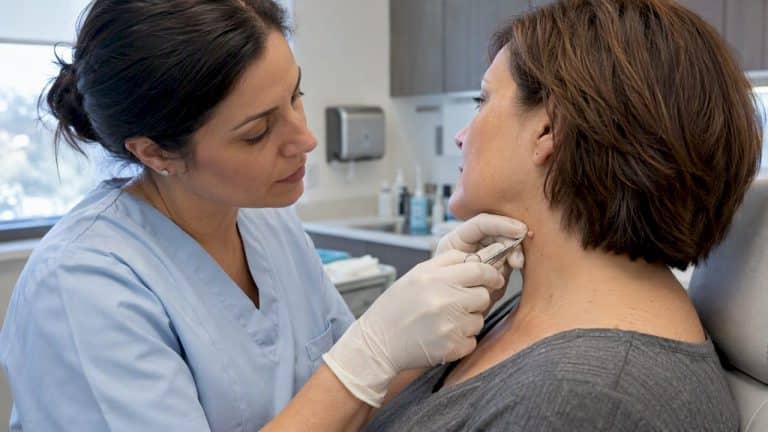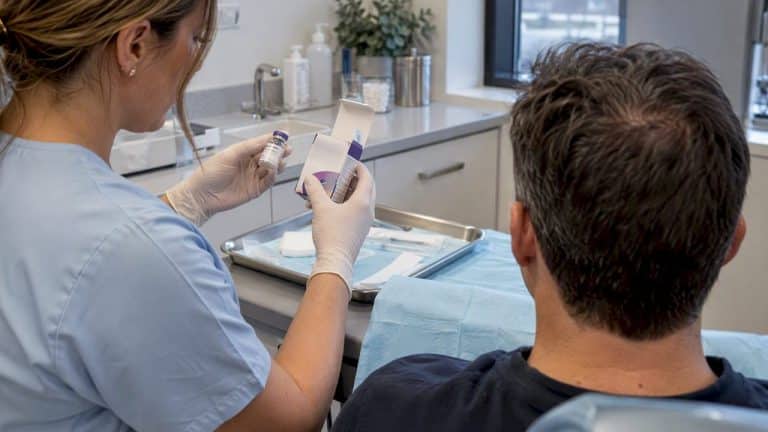

Many people assume cosmetic injectables are something you can pick up at a spa on a whim, but that picture is missing some important detail. Cosmetic injectables are prescription medicines, administered by licensed healthcare professionals after a clinical assessment. If you’re considering treatment in Woodbridge or East Gwillimbury and want to understand exactly what you’re getting into, this guide covers it all: defining cosmetic injectables, the types available, how they work, what safety really looks like, and how to choose the right approach for your individual skin health and aesthetic goals.
Table of Contents
- Understanding cosmetic injectables: what they are and how they work
- Common types of cosmetic injectables and their uses
- Important safety considerations and how to choose a qualified provider
- Injectables for skin health: beyond immediate wrinkle reduction
- What to expect during your first consultation and treatment journey
- Rethinking cosmetic injectables: beyond quick fixes to thoughtful enhancements
- Explore cosmetic injectable services in Woodbridge and East Gwillimbury
- Frequently asked questions
Key Takeaways
| Point | Details |
|---|---|
| Injectables are medical treatments | Cosmetic injectables require prescription and must be administered by licensed healthcare professionals after a clinical assessment. |
| Main types and effects | Botox relaxes muscles to smooth wrinkles, dermal fillers add volume, and biostimulators promote collagen for skin health improvements. |
| Safety hinges on provider skill | Choosing an experienced, qualified provider is essential to minimise risks like tissue damage or adverse reactions. |
| Realistic expectations needed | Injectables offer subtle, natural enhancements rather than instant dramatic change, and may require maintenance. |
| Avoid unauthorized products | Do not buy injectables or peptides online without prescriptions as these can cause serious harm; always use licensed sources. |
Understanding cosmetic injectables: what they are and how they work
Defining cosmetic injectables starts with one important clarification: these are not beauty products in the traditional sense. They are regulated medical substances injected into the skin or underlying muscle tissue to achieve aesthetic improvements. In Canada, they fall under prescription-only classification, which means a qualified healthcare practitioner must assess your suitability before any treatment is administered.
Botulinum toxin type A and dermal fillers, such as hyaluronic acid and polylactic acid, are the two main cosmetic injectables currently used in clinical practice. Each works differently, targets different concerns, and carries its own safety profile.
Here is a quick overview of how the main categories function:
- Botulinum toxin (Botox, Nucieva, Xeomin): Temporarily blocks the nerve signals that cause specific muscles to contract, reducing the appearance of dynamic wrinkles like frown lines and crow’s feet.
- Hyaluronic acid fillers (Juvederm, Teosyal): Gel-like substances that physically add volume beneath the skin, plumping lines and restoring facial contour.
- Biostimulatory injectables (poly-L-lactic acid): Work gradually by triggering the body’s natural collagen production process rather than providing immediate volume.
Because these substances act on muscle, tissue, and the skin’s own biology, they require a thorough understanding of facial anatomy. This is why your provider’s clinical training matters far more than the brand of product they use.
With a clear definition in place, let’s explore the common types in greater depth, their specific uses, and how each one achieves its aesthetic effect.
Common types of cosmetic injectables and their uses
Understanding the difference between injectable types helps you walk into any consultation with confidence. Each category suits different concerns, timelines, and skin health goals.
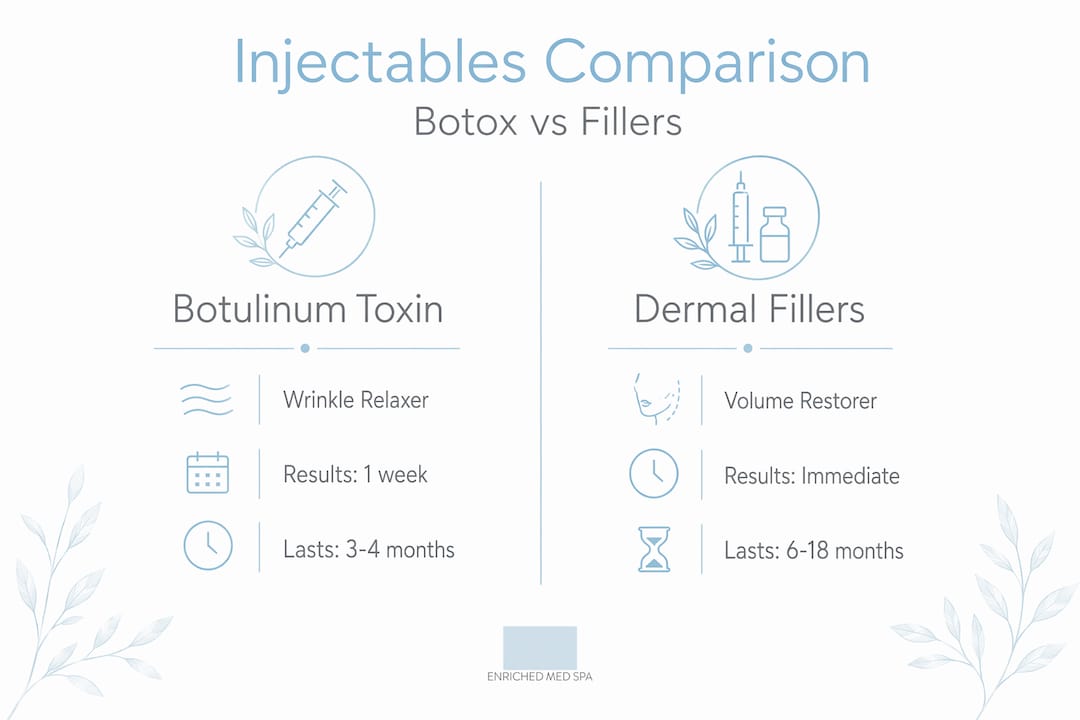
Botulinum toxin is the most widely recognised option. It temporarily relaxes targeted facial muscles to soften expression lines, including forehead creases, frown lines between the brows, and crow’s feet around the eyes. Results typically appear within three to seven days, with full effect visible at two weeks and lasting three to four months on average.
Dermal fillers are gel-like substances injected beneath the skin to add volume, plump lines and wrinkles, and restore facial volume. Hyaluronic acid fillers are the most popular because hyaluronic acid occurs naturally in the body, making them well-tolerated. Treatment areas include the lips, cheeks, nasolabial folds (the lines from the nose to the mouth), temples, and jawline. Understanding the benefits of dermal filler treatments can help you decide whether this approach suits your goals.

Poly-L-lactic acid (PLLA) biostimulators work differently from both of the above. PLLA injectables like Sculptra stimulate collagen and improve skin structure gradually with minimal downtime. Rather than filling space directly, they provoke a mild, controlled inflammatory response that encourages your body to produce new collagen and improve skin matrix over several months.
Here is a straightforward comparison to help you orient yourself:
| Injectable type | Primary purpose | Onset of results | Duration |
|---|---|---|---|
| Botulinum toxin (Botox) | Relaxes muscles, reduces dynamic wrinkles | 3 to 7 days | 3 to 4 months |
| Hyaluronic acid filler | Adds volume, softens lines and folds | Immediate | 9 to 18 months |
| PLLA biostimulator | Stimulates collagen, improves skin quality | Gradual over months | Up to 2 years |
Most treatment plans involve one or more of these categories. For example, a client in their late thirties might combine botulinum toxin for forehead lines with a small amount of hyaluronic acid filler for lip definition. The difference between Botox and fillers matters practically because they address different aspects of facial ageing.
What to think about when choosing:
- Identify your primary concern: movement-related lines, volume loss, or overall skin quality decline.
- Consider your timeline. An upcoming event in two weeks suits Botox or hyaluronic acid fillers; a gradual skin health programme suits PLLA.
- Discuss maintenance. All injectables require follow-up treatments to sustain results.
Pro Tip: If you’re planning treatment for a specific event, book your appointment at least three to four weeks in advance so any minor swelling or bruising has resolved and your results have fully settled before the day.
Important safety considerations and how to choose a qualified provider
The benefits of aesthetic injectables are real, but they come with genuine responsibilities, from your provider’s side and yours. Understanding risk does not mean being afraid; it means being informed.
Serious complications from dermal fillers are uncommon but can include tissue loss (necrosis) and blindness in rare cases, mostly when a filler is injected incorrectly or into a blood vessel. This is not meant to alarm you. It is meant to explain exactly why anatomical knowledge and clinical training separate a safe treatment from a risky one.
Common side effects, which are far more typical, include:
- Redness and swelling at the injection site (usually resolves within 24 to 72 hours)
- Light bruising, particularly in areas with delicate blood vessels like around the lips
- Mild tenderness or firmness in the treated area
- Rarely, asymmetry if product placement needs adjustment at a follow-up
Not all filler products are regulated, and some publicly sold products may be contaminated or unapproved. Choosing a clinic that uses Health Canada-approved injectables administered by licensed professionals is non-negotiable.
“The safest outcome begins before the needle. It begins with the conversation, the assessment, and the provider’s commitment to your individual anatomy and wellbeing.”
When evaluating a provider, ask:
- What is your clinical training and how long have you been administering injectables?
- How do you reduce the risk of vascular complications during treatment?
- What is your emergency protocol if a complication arises?
- Which brands of product do you use and are they approved for use in Canada?
Understanding dermal filler recovery is also part of protecting your investment and your skin. Following post-treatment instructions from a skilled, experienced injector directly affects your results and recovery.
Pro Tip: Treat your first appointment as a full clinical assessment, not a simple service booking. Bring a list of your current medications and any medical history relevant to your skin or immune health. The more your provider knows, the safer and more personalised your treatment will be.
Injectables for skin health: beyond immediate wrinkle reduction
One of the most underappreciated aspects of cosmetic injectables is their role in genuine skin health improvement. The conversation tends to focus on lines and volume, but certain injectables support your skin’s biology from within.
PLLA-based injectables sit at the intersection of aesthetics and regenerative medicine. PLLA dermal injectables stimulate collagen and other extracellular matrix components, improving skin thickness, elasticity, and overall health gradually. The extracellular matrix is essentially the structural framework that keeps skin firm and resilient. As we age, this framework thins and loses integrity.
Here is what skin-focused injectable treatment can deliver over time:
- Increased skin thickness in areas prone to volume loss and thinning
- Improved elasticity, meaning skin bounces back more readily after movement
- Gradual reduction in fine lines as new collagen fills in from beneath
- Enhanced overall skin quality that looks natural because it is driven by your own tissue
This approach suits clients who want meaningful, lasting change rather than a quick correction. It pairs well with medical-grade skin treatment options like microneedling or radiofrequency tightening for clients focused on skin health as a long-term priority.
Multiple sessions are typically required, spaced four to six weeks apart, with visible improvement building over three to six months. This is not a limitation. It is how the biology works, and understanding that helps you plan realistically and appreciate your results when they arrive.
What to expect during your first consultation and treatment journey
Walking into a clinic for the first time can feel uncertain, even for returning clients exploring a new treatment. Knowing what to expect takes most of that uncertainty away.
Experienced clinics treat the first visit as a full clinical assessment, including medical history, current medications, contraindications, and suitability to determine the safest injectable and brand. Here is a typical journey from that first appointment forward:
- Medical history and health screening: Your provider reviews your medications, allergies, and any conditions that may affect treatment suitability or product choice.
- Facial assessment and goal-setting: They assess your skin condition, facial anatomy, and the concerns you’d like to address, then recommend a treatment approach tailored to your anatomy.
- Informed consent and safety discussion: You receive clear information about expected outcomes, possible side effects, and aftercare before anything is administered.
- Treatment administration: Most injectable appointments take 20 to 45 minutes. Topical numbing is often used to improve comfort, particularly around the lips.
- Aftercare guidance and follow-up: Your provider gives you specific aftercare instructions and schedules a review appointment to assess results and adjust if needed.
For clients exploring the difference between Botox and fillers, that first conversation with your provider is often where the decision becomes clear. A good provider will never pressure you toward a particular treatment. They will explain the options and let your goals and anatomy guide the plan.
Pro Tip: Ask your provider how they customise your treatment to your individual facial anatomy rather than following a standard dosage chart. The best results come from precision, not protocol.
Rethinking cosmetic injectables: beyond quick fixes to thoughtful enhancements
Here is something worth sitting with: the most common mistake people make when approaching injectables is not choosing the wrong product. It is approaching the process with the wrong mindset.
Social media has shaped a version of injectable treatments that looks effortless and instant, a quick appointment and a dramatically refreshed face. That framing has done real harm. It leads clients to underestimate the clinical rigour involved, overestimate how dramatic results should look, and sometimes end up in the wrong clinic because they were shopping for a price rather than a provider.
We believe the better framing is this: cosmetic injectables are personalised medical treatments. The consultation is as important as the injection itself. Your provider’s anatomy knowledge, their ability to read your face and listen to your goals, and their commitment to natural facial rejuvenation are what separate an outcome you love from one you wish had gone differently.
The clients who leave our clinic most satisfied are not the ones who came in asking for the maximum. They are the ones who came in curious, open to being guided, and focused on looking like a well-rested, confident version of themselves rather than a noticeably altered one. Subtle harmonisation of features, gradual skin health improvement, and realistic maintenance schedules produce results that age gracefully alongside you.
That is the difference between treating injectables as a beauty hack and treating them as a considered part of your overall skin health strategy. One is a transaction. The other is a relationship with your own face, supported by professionals who know what they are doing.
Explore cosmetic injectable services in Woodbridge and East Gwillimbury
If you’re ready to move from understanding to action, Enriched Med Spa is here to support you at every step. We offer a full range of cosmetic injectable treatments including Botox, Nucieva, Xeomin, and dermal fillers such as Juvederm and Teosyal, serving clients across Woodbridge and East Gwillimbury. Every treatment begins with a thorough clinical consultation tailored to your skin health, anatomy, and aesthetic goals. Our licensed providers prioritise safety, honest communication, and natural-looking results that honour your individuality. If you’re still weighing your options, our Botox vs fillers guide is a great place to sharpen your thinking before booking. We look forward to meeting you.
Frequently asked questions
What are the main types of cosmetic injectables?
The two main cosmetic injectables are botulinum toxin type A, which relaxes muscles to reduce wrinkles, and dermal fillers made from substances like hyaluronic acid or poly-L-lactic acid to add volume or stimulate collagen production.
Are cosmetic injectables safe?
They are generally safe when administered by licensed, experienced healthcare providers using approved products, and serious complications are uncommon when skilled injectors perform the treatment; disclosing your full medical history further reduces risk.
Can I buy cosmetic injectables online?
No. Health Canada warns against unauthorised injectable peptide drugs purchased online, as they pose serious health risks and are not regulated for safety or purity.
What should I expect during my first injectable consultation?
Your first visit is a full clinical assessment that covers your medical history, aesthetic goals, safety screening, and contraindications, resulting in a personalised treatment plan with realistic outcome expectations.
How do injectables help with skin health?
Certain injectables like poly-L-lactic acid stimulate collagen and improve skin structure over time, leading to gradual improvements in elasticity, skin thickness, and overall skin quality rather than just surface correction.
Recommended
- Botox vs fillers: understand the real differences and results
- Lip Injections: Dos and Don’ts | Lip Augmentation Vaughan
- Botox vs. Fillers: Which One is Right for You? – Botox Laser Hair Removal OxyGeneo Medi Facial Microneedling – Enriched Med Spa – Vaughan Woodbridge Maple Vellore Village
- Botox vs. Fillers: What’s the Difference?