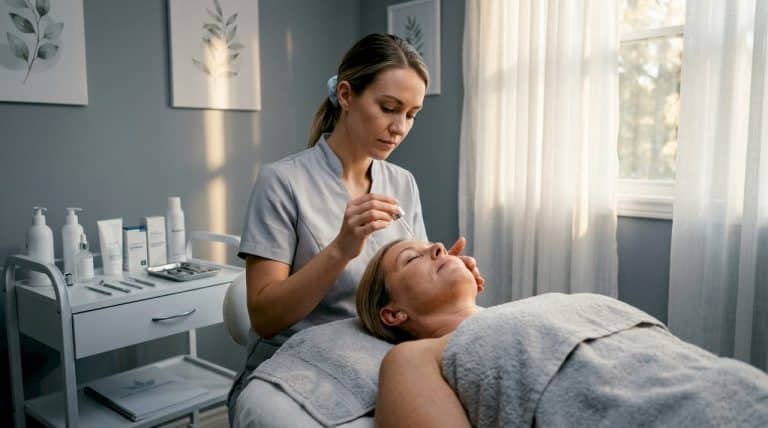
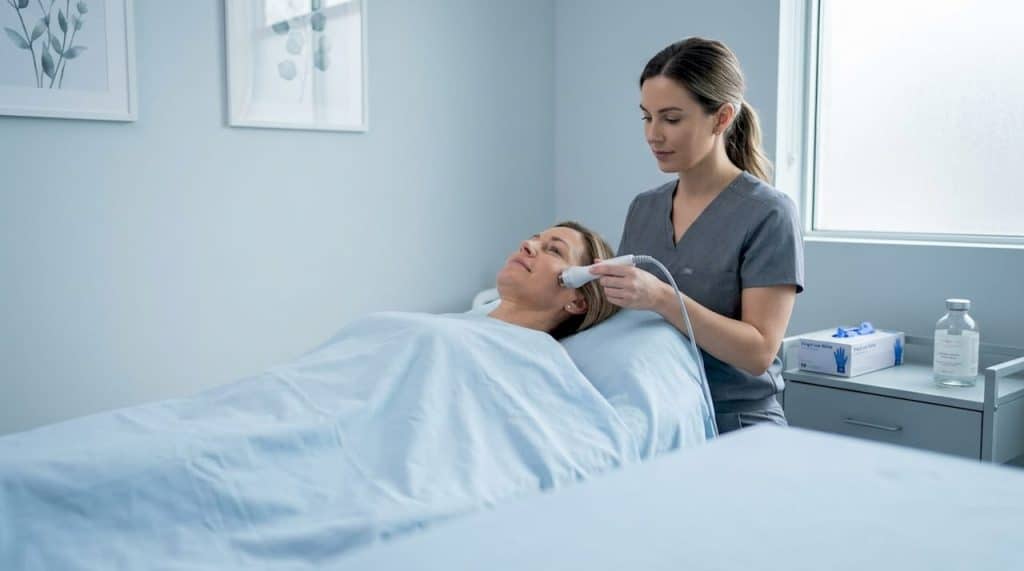
Many people in Woodbridge and East Gwillimbury assume that truly noticeable skin improvement requires surgery or injectable treatments. That assumption is understandable, but it leaves out one of the most well-supported non-invasive options available today. Radiofrequency (RF) skin tightening has been growing steadily in popularity among adults who want firmer, smoother skin without needles, incisions, or extended downtime. Whether you’re noticing early signs of laxity around your jawline, subtle sagging at the cheeks, or fine lines that seem more persistent lately, RF treatment may be exactly the kind of solution worth understanding in detail.
Table of Contents
- What is radiofrequency skin tightening?
- Types of radiofrequency devices and how they work
- What results should you expect?
- Is RF skin tightening safe? Side effects and recovery
- Who is a good candidate and who is not?
- Why gradual results can actually be a benefit
- Explore advanced non-invasive options in your area
- Frequently asked questions
Key Takeaways
| Point | Details |
|---|---|
| Non-invasive firming | Radiofrequency skin tightening uses heat energy for a firmer, smoother appearance without surgery. |
| Multiple session process | Expect a series of 4-6 treatments over several months for optimal results. |
| Mild side effects | Most experience minor redness or swelling that resolves quickly. |
| Gradual, natural results | Improvements build slowly for subtle, authentic changes in your skin. |
What is radiofrequency skin tightening?
RF skin tightening is a treatment that delivers controlled heat energy into the deeper layers of your skin using safe electromagnetic waves. Unlike lasers, which work primarily at the skin’s surface, RF energy travels into the dermis, the structural layer responsible for firmness and bounce.
According to published clinical research, RF skin tightening is a non-invasive procedure that heats the dermis to 40 to 50°C, causing immediate collagen contraction and stimulating long-term neocollagenesis and neoelastogenesis for firmer skin. In plain terms, that means two things happen. First, the existing collagen fibres tighten up almost immediately when they reach that temperature threshold, producing a subtle firming effect right away. Second, and more importantly, the controlled thermal injury triggers your skin’s natural repair response, prompting the production of new collagen and elastin over the following weeks and months.
Here is what RF skin tightening typically targets:
- Mild to moderate skin laxity on the face, neck, and jawline
- Fine lines and wrinkles, particularly around the eyes and mouth
- Enlarged pores and uneven skin texture
- Loose skin along the décolletage or body areas
- Early signs of jowling or loss of facial contour
“The real advantage of RF is that it works from the inside out. You are not just treating the surface — you are triggering your skin’s own rebuilding process.” This principle is what separates RF from many surface-level treatments and explains why results continue to improve for months after the final session.
The treatment suits people looking for meaningful skin firming with minimal disruption to their daily routine, making it a practical fit for the busy schedules most of us keep.
Types of radiofrequency devices and how they work
Not all RF treatments are exactly the same. The device and method matter, and different technologies are better suited to different concerns and skin types.
RF methodologies include monopolar RF, which delivers deep penetration up to 20mm using a grounding pad, bipolar RF with shallower 1 to 4mm penetration via two electrodes, multipolar RF for even heating across broader areas, and fractional RF microneedling, which combines mechanical skin injury with RF energy for a dual-action effect.
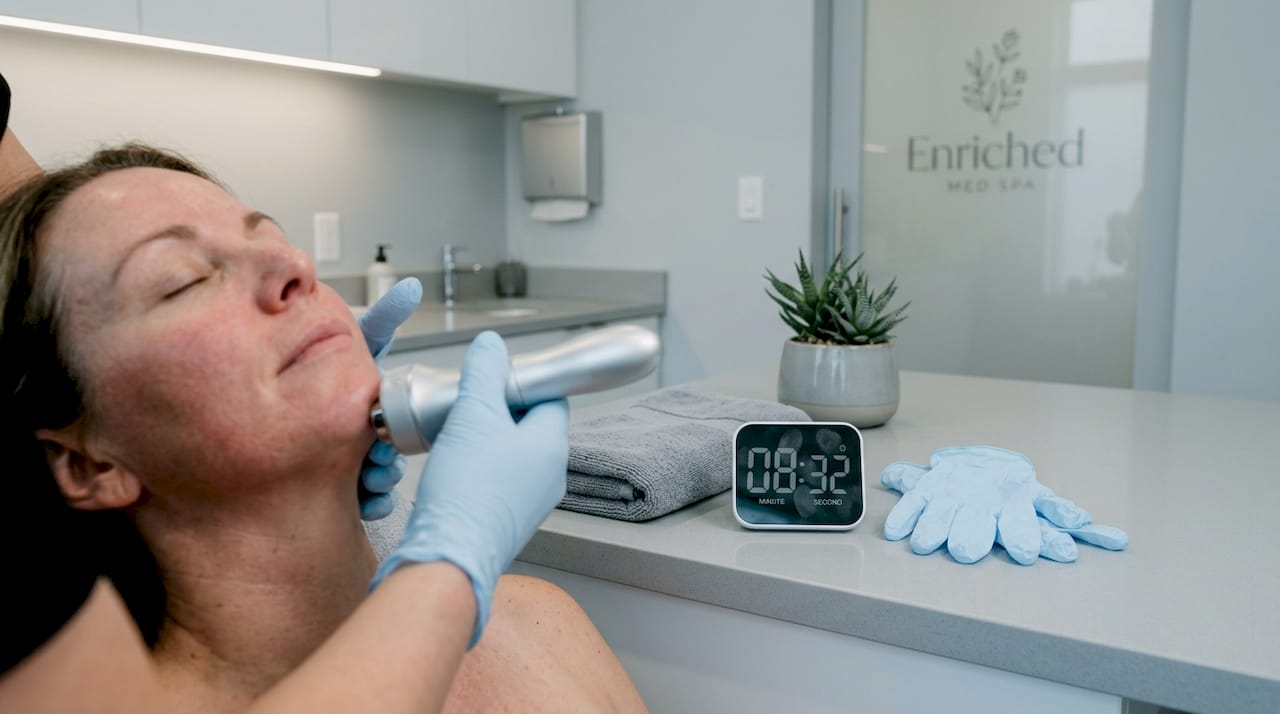
Here is a quick comparison of the four main types:
| RF type | Penetration depth | Best suited for | Downtime |
|---|---|---|---|
| Monopolar | Up to 20mm | Deep tissue tightening, body | Minimal |
| Bipolar | 1 to 4mm | Superficial lines, eye area | Minimal |
| Multipolar | Variable, even | Full-face rejuvenation | Minimal |
| Fractional microneedling RF | Mid to deep dermis | Texture, scars, pores | Mild (1 to 3 days) |
A typical RF session follows a logical sequence:
- Your skin is cleansed and a conductive gel or topical numbing cream is applied, depending on the device used
- The provider moves the handpiece across the treatment area in deliberate passes, monitoring skin temperature in real time
- You may feel a consistent warmth, similar to a warm stone massage, with some devices producing a mild prickling sensation
- The session typically takes 30 to 60 minutes depending on the area treated
- The gel is removed, a soothing serum is applied, and you receive aftercare instructions before leaving
Pro Tip: If your primary concern is enlarged pores or acne scarring alongside laxity, fractional RF microneedling offers a dual benefit by stimulating collagen while also improving surface texture. If your concern is more about general firmness and contouring, monopolar or multipolar devices are usually the better starting point.
Complementary non-invasive options, such as LED facial treatments, can also support your skin’s overall health between RF sessions by reducing inflammation and boosting cellular activity.
What results should you expect?
Once you understand how each RF method works, it is natural to ask what results you can actually expect and when you will see them.
Clinical evidence is reassuring. Studies show significant improvements including increased skin elasticity at 24 weeks, reduced pores and wrinkles beginning from week 4, with 53% of patients reporting greater than 50% improvement at two months and up to 40% skin contraction in some cases. Those are meaningful numbers for a non-surgical option.
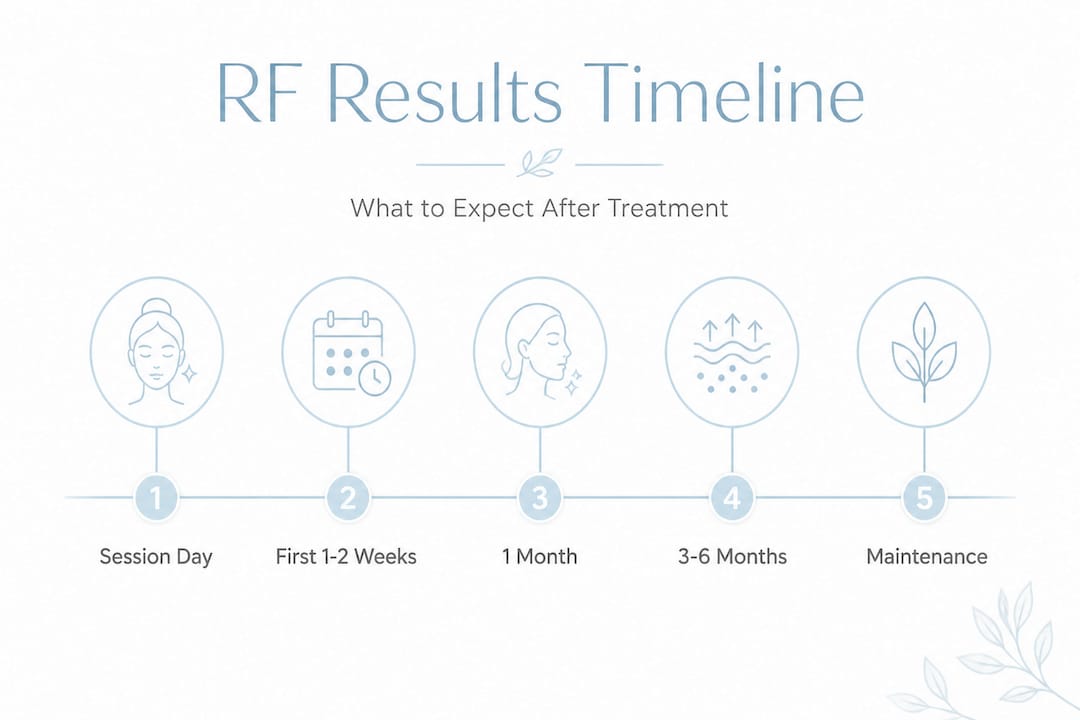
Here is a simplified results timeline to help set realistic expectations:
| Timeframe | What you may notice |
|---|---|
| Days 1 to 7 | Subtle firmness from immediate collagen contraction |
| Weeks 4 to 6 | Visible reduction in pore size, early smoothing of fine lines |
| Month 2 to 3 | Clearer contour, improved elasticity, continued tightening |
| Month 4 to 6 | Peak results as new collagen fully matures |
The key figures worth keeping in mind:
- 53% of patients reported more than 50% visible improvement at just two months post-treatment
- Up to 40% skin contraction has been documented in clinical settings
- Skin elasticity improvements were measurable as far out as 24 weeks from the first session
Most people need a series of treatments rather than a single session to see the best outcome. The gradual nature of collagen remodelling means results build quietly over time, which is actually one of the treatment’s strongest features.
Understanding how long facial results last is part of planning your treatment schedule wisely and managing your investment in your skin over time.
Key benefits reported by patients include:
- Improved facial contour and jawline definition
- Smoother skin texture and reduced appearance of pores
- Lifted appearance around the eyes and brows
- Firmer neck and décolletage
Is RF skin tightening safe? Side effects and recovery
Before choosing any aesthetic treatment, you deserve a clear and honest picture of the safety profile. The good news is that RF skin tightening has a well-established safety record when performed correctly.
Common side effects are mild and typically include redness, swelling, and warmth resolving within hours to a few days, with pain scores consistently low at 0.3 to 4 out of 10. Rare risks such as burns, fat atrophy, and hyperpigmentation are associated with improper use or settings, underlining why provider expertise matters significantly.
Recovery generally follows this pattern:
- Immediately after: skin may appear flushed, similar to mild sunburn, with a warm sensation
- Within 24 hours: most redness and warmth resolves; the majority of patients return to their normal routine by the next morning
- Days 2 to 3 (fractional RF only): minor pinpoint marks or light peeling may occur, but these resolve on their own
- Week 1 onward: skin feels progressively firmer and more hydrated as the collagen response begins
If you have concerns about what to expect during treatment, particularly around discomfort levels, know that most patients find RF treatments far more comfortable than they anticipated. The sensation is often described as a warm, deeply massaging heat rather than sharp or intense pain.
“RF energy does not wound the surface of the skin in the same way lasers do. This is precisely what makes it such an accessible option for people with busy schedules and low tolerance for visible recovery.”
Pro Tip: In the 24 to 48 hours following your RF session, keep your skincare routine simple. Use a gentle cleanser, a fragrance-free moisturiser, and a broad-spectrum SPF of at least 30 every morning. Avoid exfoliants, retinoids, and heat exposure such as saunas or hot yoga during this window. Following thorough aftercare guidance protects your investment and supports optimal healing.
Who is a good candidate and who is not?
Knowing whether RF is right for you makes all the difference between a treatment that meets your expectations and one that falls short.
Research confirms that RF is safe for all skin types since it does not target pigment, results develop gradually over 3 to 6 months, multiple sessions of 4 to 6 are often needed, and the treatment is less effective than surgery for severe laxity. This is an important nuance because it helps you understand where RF excels and where its limitations lie.
You are likely a strong candidate for RF skin tightening if you:
- Are between your mid-twenties and mid-fifties with mild to moderate skin laxity
- Want to address early jowling, loose neck skin, or a softening jawline
- Have noticed skin texture changes, enlarged pores, or fine lines becoming more prominent
- Prefer natural-looking, gradual results over a sudden dramatic change
- Have any skin tone, as RF does not carry the pigmentation risks associated with certain laser treatments
- Want a treatment with minimal downtime that fits into a working week
RF skin tightening is generally not the best primary option if:
- You have significant or severe skin laxity where surgical tightening would deliver far superior results
- You have active skin infections, open lesions, or inflammatory skin conditions in the treatment area
- You have a pacemaker or implanted electronic device, as RF energy can interfere with these
- You are pregnant
For most adults in the 30 to 55 range who are noticing the first and second stages of skin ageing, RF sits in a very useful middle ground. It is more effective than topical products alone, less aggressive than surgery, and it works with your skin’s own biology. Booking a professional consultation gives you the clearest picture of what is realistic for your specific skin concerns.
Why gradual results can actually be a benefit
Here is a perspective worth considering, especially if you have ever felt impatient about slow-building results.
In aesthetic medicine, we often treat speed as a virtue. Patients want to see something change quickly. But the rush toward instant results has its own costs, and RF skin tightening’s gradual timeline is one of the reasons we believe it deserves more appreciation.
When results build slowly, your friends and colleagues notice you look well, rested, and healthy without being able to identify a specific treatment. That subtlety has real value. Nobody is asking “what did you have done?” They are simply noticing that you look good. This is the kind of outcome most of our clients at Enriched Med Spa describe as their ideal: visibly refreshed, but unmistakably themselves.
There is also a structural argument for gradual change. Rapid surgical tightening pulls tissue into a new position. RF-driven collagen remodelling, by contrast, encourages your skin to rebuild its own support framework from within. The result is not just visually different — the tissue quality is genuinely improved. New collagen laid down over three to six months is integrated naturally into your existing skin structure. That integrity is harder to achieve with interventions that prioritise speed.
Patients who choose RF consistently report higher long-term satisfaction when they understand this timeline from the start. They are not waiting for results that do not arrive — they are watching their skin improve, gradually and authentically, over a planned period. Understanding how long results last and planning maintenance sessions accordingly turns a single course of treatment into an ongoing skin health strategy.
The patience RF requires is not a drawback. It is a sign that the treatment is working in harmony with your biology.
Explore advanced non-invasive options in your area
Ready to see if RF or another advanced treatment is right for your skin? At Enriched Med Spa, we work with clients in Woodbridge and East Gwillimbury to build personalised treatment plans based on your actual skin goals, not a one-size-fits-all approach. Whether RF skin tightening is your primary focus or you are curious how it might complement Botox and dermal filler treatments for a more complete rejuvenation strategy, our team is here to guide you. We also offer anti-aging facials that support and extend the results of energy-based treatments. Book a consultation with us to discuss what is right for you.
Frequently asked questions
How many radiofrequency treatments are typically needed?
Most people benefit from four to six sessions spaced several weeks apart, with maintenance treatments recommended every six to twelve months to preserve results.
How soon will I see results from RF skin tightening?
Some improvements are visible as early as four weeks, particularly in pore size and skin texture, with full collagen remodelling results continuing to build for up to six months.
Is radiofrequency skin tightening safe for darker skin tones?
Yes. RF is safe for all skin tones because it works through thermal energy rather than targeting pigment, making it a reliable option regardless of your skin colour.
Does radiofrequency skin tightening hurt?
Most clients describe the sensation as a warm, gentle heat. Discomfort is consistently rated very low, typically between 0.3 and 4 out of 10, making it one of the more comfortable energy-based treatments available.
Are the results from RF skin tightening permanent?
No, results are not permanent. On average, improvements last one to three years, and most clients choose periodic maintenance sessions to keep their skin looking its best over time.
Recommended
- What Is an LED Facial? Harnessing Light Therapy for Healthy Skin – Botox Laser Hair Removal OxyGeneo Medi Facial Microneedling – Enriched Med Spa – Vaughan Woodbridge Maple Vellore Village
- What Is a Microdermabrasion Facial? Revealing Fresher, Younger Skin – Botox Laser Hair Removal OxyGeneo Medi Facial Microneedling – Enriched Med Spa – Vaughan Woodbridge Maple Vellore Village
- What Are Anti-Aging Facials? Fighting Wrinkles and Fine Lines Effectively – Botox Laser Hair Removal OxyGeneo Medi Facial Microneedling – Enriched Med Spa – Vaughan Woodbridge Maple Vellore Village
- How can combining BOTOX and Juvéderm achieve a non-surgical facelift? – Botox Laser Hair Removal OxyGeneo Medi Facial Microneedling – Enriched Med Spa – Vaughan Woodbridge Maple Vellore Village