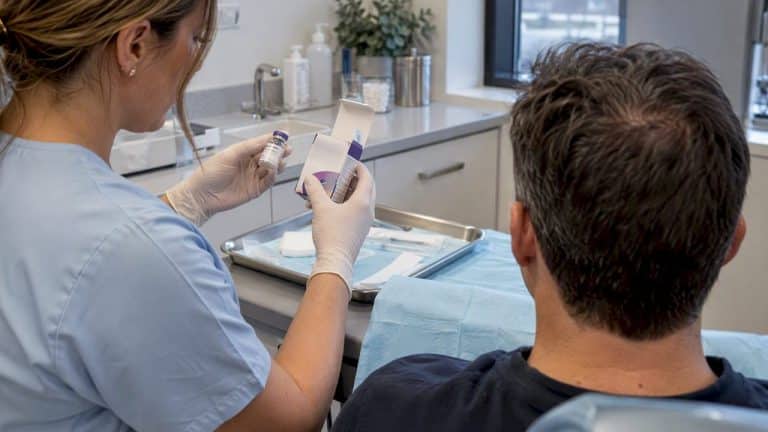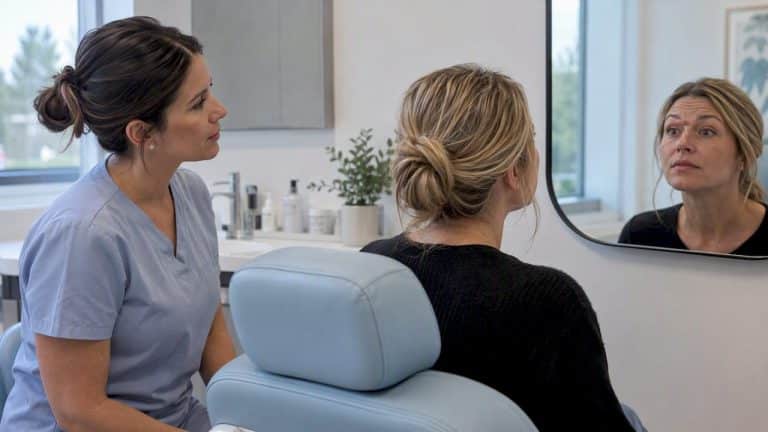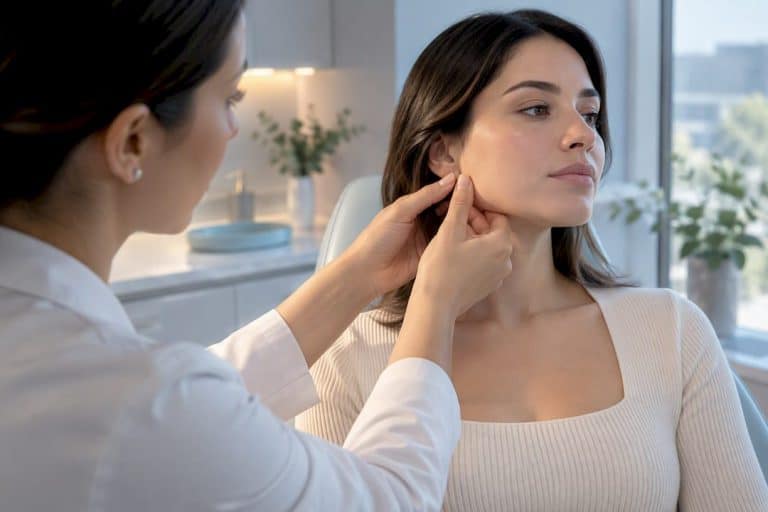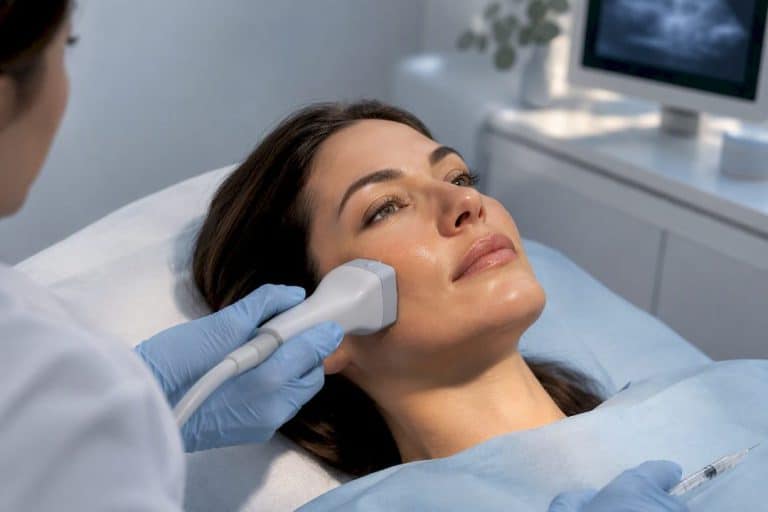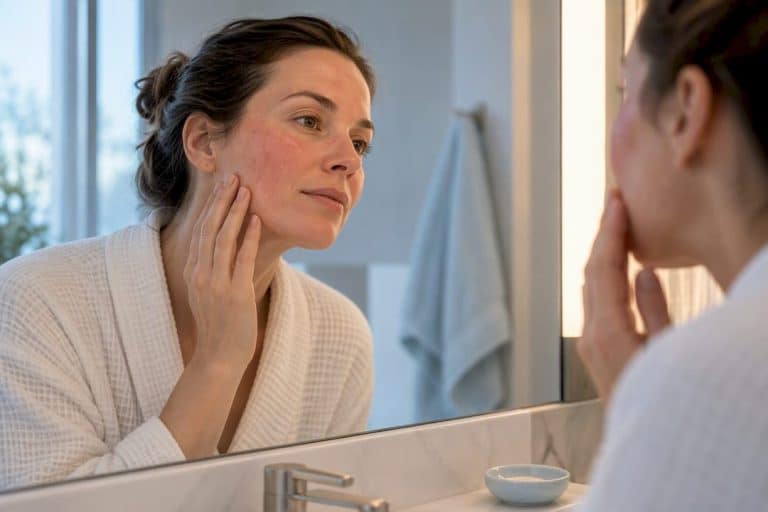

Many clients who walk through our doors start the same way. They’ve noticed something shifting — fine lines that weren’t there before, uneven skin tone, or volume that seems to have quietly faded. The challenge isn’t motivation. It’s knowing where to start when the medical spa treatments list feels endlessly long. From injectables to laser resurfacing to body contouring, the options are genuinely varied, and each one serves a different purpose. This guide walks you through the most common and clinically relevant treatments available today so you can approach your next consultation feeling informed, not overwhelmed.
Table of Contents
- Key takeaways
- 1. What to consider before choosing a treatment
- 2. Neuromodulators: Botox, Nucieva, and Xeomin
- 3. Dermal fillers: volume, contour, and smoothing
- 4. Laser resurfacing: ablative and non-ablative options
- 5. Intense pulsed light (IPL) and photofacials
- 6. Radiofrequency skin tightening
- 7. Laser hair removal
- 8. Chemical peels
- 9. Microneedling and PRP therapy
- 10. Microdermabrasion
- 11. Body contouring and wellness adjuncts
- 12. Treatment comparison for common concerns
- My honest take on navigating this list
- Ready to explore your options with Enrichedmedspa?
- FAQ
Key takeaways
| Point | Details |
|---|---|
| Treatments serve different goals | Know whether your priority is wrinkle reduction, volume restoration, skin tightening, or pigmentation before comparing options. |
| Provider qualifications matter most | Medical spas require physician oversight and trained staff to safely perform treatments that affect living tissue. |
| Injectables lead in popularity | Over 9 million Botox treatments were performed globally in 2024, making neuromodulators the most in-demand option worldwide. |
| Combining treatments produces results | Treatment plans that layer injectables, laser, and surface therapies deliver more synergistic outcomes than single-modality approaches. |
| Realistic timelines are non-negotiable | Most treatments require multiple sessions and months of patience before full results are visible. |
1. What to consider before choosing a treatment
Before you commit to any specific procedure, it helps to clarify what you actually want to address. Many people arrive with a general desire to “look refreshed,” but the most satisfying results come from targeted goals. Are you concerned about dynamic wrinkles around your eyes? Loss of volume in your cheeks? Uneven skin tone from sun damage? Each of these calls for a different approach.
Here are the core factors worth evaluating:
- Invasiveness and downtime. Some treatments like microneedling or medium-depth peels require a few days of recovery. Others, like Botox, have virtually no downtime. Your schedule and tolerance for visible healing matter.
- Your primary concern. Anti-ageing, acne scar reduction, skin tightening, pigmentation correction, and body contouring all have different first-line treatments.
- Provider qualifications. Medical spas are medical practices, and board-certified oversight by a dermatologist or plastic surgeon is the gold standard for safety and outcomes.
- Realistic expectations. No single treatment reverses years of ageing in one session. Most protocols involve multiple visits and ongoing maintenance.
- Skin type and tone. Certain lasers and peels carry higher risks for deeper skin tones. A thorough consultation is how you match treatment to skin, not guesswork.
Pro Tip: Before your first appointment, write down your top two or three concerns and bring photos of results you admire. This gives your provider a concrete starting point and leads to a far more productive consultation for safe care.
2. Neuromodulators: Botox, Nucieva, and Xeomin
Neuromodulators are consistently the most requested treatment in medical aesthetics, and for good reason. They work by temporarily relaxing the muscles responsible for repetitive facial expressions, softening the lines those movements create over time. Botox is the most recognised brand name, but Nucieva and Xeomin offer the same core mechanism with slightly different formulations.

Common treatment areas include the forehead, frown lines between the brows (the “elevens”), crow’s feet, and the brow lift point. Some providers also use neuromodulators for lip lines, chin dimpling, neck bands, and even excessive sweating. Results typically appear within three to seven days and last three to four months on average, though regular clients often find their results extending slightly longer over time.
Pro Tip: Starting neuromodulator treatments in your late twenties or early thirties as a preventive measure can reduce the depth of future lines. Prevention is genuinely easier than correction.
The most important factor in a great outcome is not which brand you choose. It is the skill and anatomical knowledge of the injector administering it. The benefits of Botox are well-documented, but so are the risks of poorly placed injections, including brow drooping and asymmetry.
3. Dermal fillers: volume, contour, and smoothing
Where neuromodulators relax muscles, dermal fillers physically restore lost volume and smooth deeper folds. The most widely used fillers are hyaluronic acid-based products such as Juvederm and Teosyal, both of which are reversible with an enzyme called hyaluronidase if needed.
Popular treatment areas include:
- Nasolabial folds (the lines running from nose to mouth corners)
- Lip volume and definition
- Cheek and mid-face volume restoration
- Under-eye hollows (tear trough)
- Jawline definition and chin projection
Results are immediate and typically last between six and eighteen months depending on the product density and the area treated. Thicker formulations used in the cheeks last longer than softer products used in the lips. The risks of dermal fillers are real and include bruising, swelling, and in rare cases, vascular occlusion. The provider’s clinical experience and access to emergency protocols are what separate safe outcomes from serious complications. Always ask whether your injector carries hyaluronidase on-site.
4. Laser resurfacing: ablative and non-ablative options
Laser resurfacing addresses skin texture, fine lines, acne scarring, and uneven tone by stimulating collagen production and, in some cases, removing damaged skin layers. The key distinction is between ablative and non-ablative technologies.
| Laser type | Mechanism | Downtime | Best for |
|---|---|---|---|
| Full ablative CO2 | Removes outer skin layers entirely | 10 to 14 days | Severe photoageing, deep scars |
| Fractional CO2 | Treats columns of tissue, leaving surrounding skin intact | 3 to 5 days | Moderate texture, fine lines |
| Non-ablative | Heats tissue without removing surface layers | Minimal | Mild tone unevenness, maintenance |
Fractional CO2 downtime is significantly less than full ablative, making it the more practical choice for most working adults. Non-ablative options suit those who want gradual improvement with no visible recovery period. Skin type and Fitzpatrick scale classification guide which laser is appropriate for each client.
5. Intense pulsed light (IPL) and photofacials
IPL is not technically a laser but a broad-spectrum light source that targets specific chromophores in the skin, namely melanin and haemoglobin. This makes it highly effective for treating sun spots, redness, broken capillaries, and rosacea-related flushing. Many clients describe the sensation as a warm snap, and the downtime is minimal. Dark spots often temporarily darken before flaking off within a week.
IPL works best on lighter skin tones and loses efficacy on deeper complexions where the risk of pigmentation change increases. A typical treatment series involves three to five sessions spaced three to four weeks apart. Annual maintenance sessions are common for clients with ongoing sun exposure or rosacea.
6. Radiofrequency skin tightening
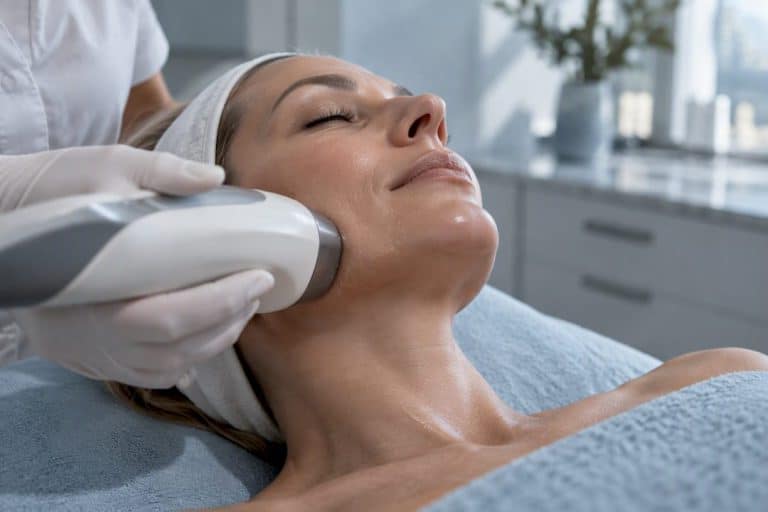
Radiofrequency (RF) treatments use controlled heat to stimulate collagen and elastin remodelling in the deeper layers of the skin. Unlike lasers, RF energy is delivered without targeting skin pigment, which means RF is safe across skin tones and carries a low risk of hyperpigmentation. Results develop gradually over three to six months as new collagen forms.
RF is commonly used for jowl laxity, neck skin looseness, and brow lifting. It is a popular choice for clients who are not ready for surgical intervention but want measurable improvement in firmness. Downtime is minimal, typically mild redness and warmth that resolves within hours. Multiple sessions are usually recommended for optimal outcomes, and many clients do annual touch-ups to maintain their results.
7. Laser hair removal
Laser hair removal is one of the most frequently requested items on any list of spa services, and it belongs firmly in the medical aesthetics category rather than the beauty salon category. Medical-grade laser systems target the melanin in hair follicles to disable growth permanently over a series of treatments.
Most clients need six to eight sessions spaced four to eight weeks apart, depending on the treatment area and hair growth cycle. Areas like the underarms and bikini line typically respond faster than the legs or back. Results are long-lasting but not always permanent for every follicle. Maintenance sessions once or twice a year address any regrowth. Skin tone and hair colour contrast is the main factor in candidacy. Light skin with dark hair responds best, though newer Nd:YAG lasers have expanded safe options for darker skin tones.
8. Chemical peels
Chemical peels use acid solutions applied to the skin surface to accelerate cell turnover and address a range of concerns from dullness to deep photoageing. They are categorised by depth.
Peel depth determines both the conditions they treat and how much recovery time to expect:
- Superficial peels (glycolic, lactic acid) exfoliate the outermost layer only. Ideal for general brightening and maintenance. No downtime.
- Medium-depth peels (TCA) penetrate into the upper dermis. Treat moderate pigmentation, fine lines, and textural irregularities. Expect three to five days of peeling.
- Deep peels (phenol) reach the mid-dermis and are reserved for severe photoageing under careful patient selection. Significant downtime and medical supervision required.
Peels pair well with a regular professional skincare programme and can be layered with other treatments like microneedling for enhanced results. Your provider should guide you on pre-treatment skin preparation, including discontinuing active exfoliants before your appointment.
9. Microneedling and PRP therapy
Microneedling creates controlled micro-injuries in the skin using fine needles, triggering the body’s natural healing response and stimulating collagen induction. It is one of the most versatile non-surgical beauty treatments available today, addressing acne scars, fine lines, pore size, and overall skin texture.
When combined with platelet-rich plasma (PRP), the benefits deepen further. PRP is derived from the client’s own blood, concentrated through centrifugation, and applied topically or injected post-needling to accelerate healing and boost growth factor activity. Clients often notice a healthy glow within days, with more substantial improvements in texture appearing over six to twelve weeks.
A typical series involves three to four sessions spaced four weeks apart. Mild redness lasting one to two days is expected. Microneedling suits nearly all skin tones, making it one of the more universally applicable spa treatment options available.
10. Microdermabrasion
Microdermabrasion is a gentler mechanical exfoliation treatment that uses fine crystals or a diamond-tip wand to buff away dead skin cells. It is not designed for deep correction. Think of it as a reliable maintenance tool that keeps the skin looking polished between more intensive treatments.
It works well for dull skin, superficial sun damage, minor textural irregularities, and congestion. There is no downtime, and most clients leave looking immediately brighter. It is not the right choice if you are targeting acne scars, significant wrinkle depth, or volume loss. Its strength lies in consistency. Regular monthly sessions build cumulative results that support the work of more advanced procedures.
11. Body contouring and wellness adjuncts
The medical spa treatments list extends beyond the face. Body contouring and wellness services represent a growing category of popular medical spa treatments for clients addressing concerns below the chin.
- Cryolipolysis (fat freezing) targets and destroys stubborn fat cells through controlled cooling. Treated areas include the abdomen, flanks, thighs, and under the chin. Results appear gradually over two to three months as the body naturally clears destroyed fat cells.
- Injection-based body sculpting uses deoxycholic acid (Belkyra) to reduce submental fat (the double chin), a targeted and well-studied option.
- IV therapy is offered at many medical spas as a wellness adjunct for hydration, vitamin replenishment, and recovery support. IV therapy safety and effectiveness vary and require proper medical judgement to administer appropriately.
Pro Tip: Body contouring is not a weight loss solution. It works best for clients near their goal weight who have specific, localised fat deposits that resist diet and exercise.
12. Treatment comparison for common concerns
| Concern | Best first option | Supporting treatments | Sessions needed | Downtime |
|---|---|---|---|---|
| Dynamic wrinkles | Neuromodulators (Botox) | Skincare, RF | Every 3 to 4 months | None |
| Volume loss | Dermal fillers | Neuromodulators | 1 session, maintenance yearly | Minimal |
| Skin laxity | Radiofrequency | Ultrasound, peels | 3 to 6 sessions | Minimal |
| Pigmentation/sun damage | IPL photofacial | Chemical peels | 3 to 5 sessions | 1 to 5 days |
| Acne scarring | Microneedling | PRP, fractional laser | 3 to 6 sessions | 1 to 2 days |
| Texture and dullness | Chemical peel | Microdermabrasion | 1 to 3 sessions | 0 to 5 days |
| Stubborn fat deposits | Cryolipolysis | Body injections | 1 to 3 cycles | Minimal |
Combining treatments is often where the most satisfying results emerge. Neuromodulators and fillers address different anatomical realities at the same time, while a laser or peel improves the skin quality that sits over those structural corrections. The goal is always a result that looks natural, not constructed.
My honest take on navigating this list
I’ve worked alongside clients at every stage of their aesthetic journey, and the pattern I see most often is this: people spend weeks researching treatments online, arrive uncertain, and leave their consultation wishing they had come sooner.
The single thing I would change about how people approach a medical spa treatments list is this. Stop starting with the treatment and start with the outcome you want. The procedure is just a vehicle. What matters is whether your provider can honestly assess your skin, identify what will actually move the needle, and tell you what will not. That last part, the willingness to tell you a treatment is not right for you, is a sign of a provider worth trusting.
The social media normalisation of injectables has made booking fillers feel as casual as scheduling a haircut. That accessibility is not inherently a problem. The problem is when convenience is prioritised over expertise. Vascular complications from fillers and burns from improperly used lasers are rare but real, and they are almost always preventable when the person performing the treatment has proper training and emergency protocols in place.
My advice is simple. Treat your medical spa decisions the way you would any other medical decision. Ask questions. Expect honest answers. And choose providers who seem more interested in what is right for your face than in what is on trend.
— Felix
Ready to explore your options with Enrichedmedspa?
At Enrichedmedspa, we believe the most informed clients get the most satisfying results. If you are weighing injectables, exploring what Botox vs. fillers means for your goals, or wondering which skin treatment belongs first in your plan, we are here to walk you through it clearly and honestly. Our team in Woodbridge and East Gwillimbury offers personalised consultations designed to match treatments to your actual skin, not a template. Explore a full range of skin treatment options on our site, or book a consultation to start the conversation. We take the time to understand where you are and where you want to go.
FAQ
What treatments are typically on a medical spa treatments list?
A standard medical spa treatments list includes neuromodulators like Botox, dermal fillers, laser resurfacing, IPL photofacials, radiofrequency skin tightening, chemical peels, microneedling, laser hair removal, and body contouring options like cryolipolysis.
How do I choose between Botox and dermal fillers?
Botox relaxes muscles that cause dynamic wrinkles, while dermal fillers restore volume and smooth deeper folds. Many clients benefit from both, and a qualified injector can advise which addresses your specific concerns.
Are medical spa treatments safe for all skin tones?
Not all treatments are equally safe across skin tones. Radiofrequency and microneedling are generally safe for all tones, while certain lasers and IPL carry higher risks for darker complexions and require careful provider selection.
How many sessions does a typical treatment require?
Most medical aesthetics procedures require a series of sessions. Injectables are repeated every three to four months, while laser treatments and microneedling typically involve three to six sessions spaced weeks apart before full results appear.
What qualifications should a medical spa provider have?
Medical spas should operate under physician oversight, with trained nurses or aestheticians supervised by a licensed medical director. Always verify credentials and ask about the provider’s specific training in the treatment you are considering.