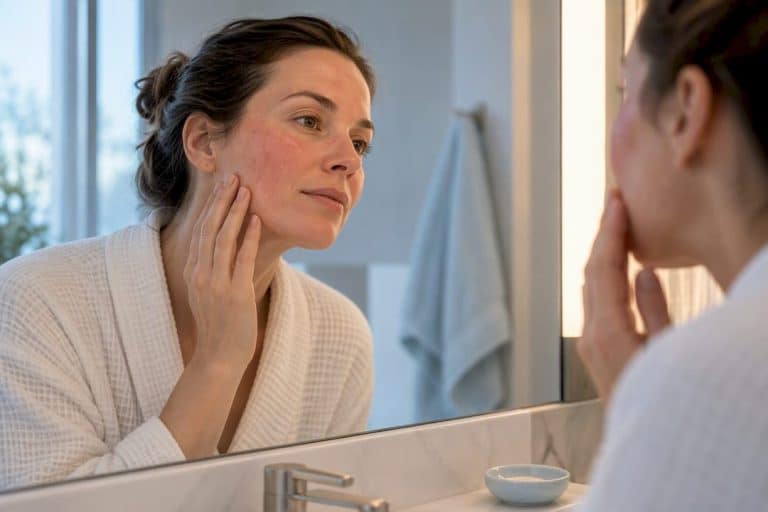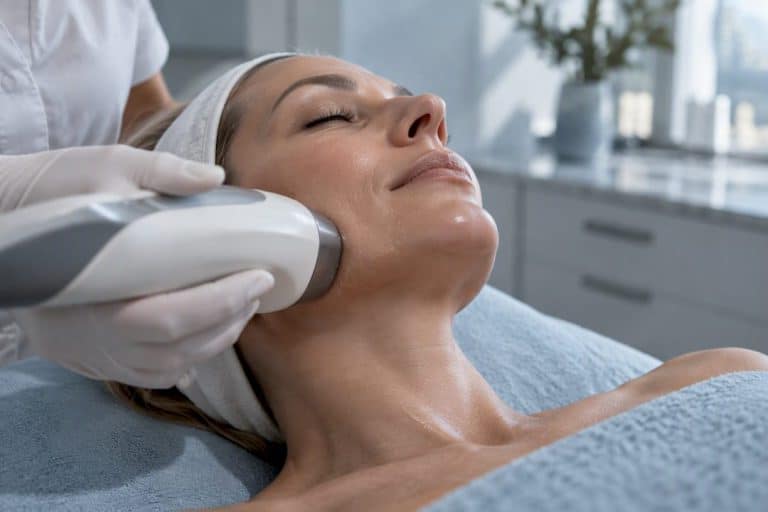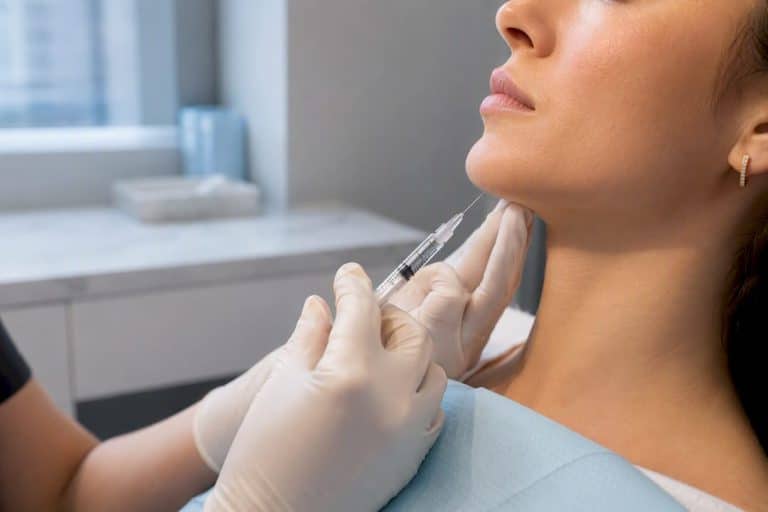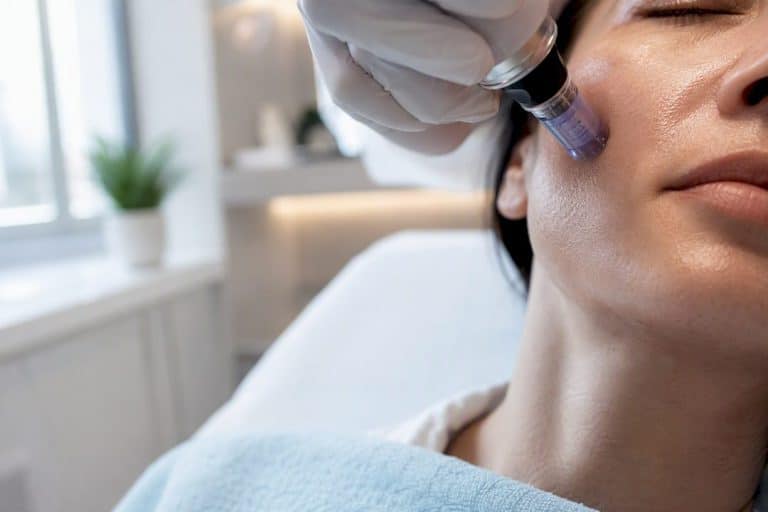
Most people can expect visible redness and mild swelling for a few days after microneedling, with skin looking mostly normal within about a week. The face feels warm and tight the first day, similar to a mild sunburn, and pinkness usually peaks within the first 24 to 48 hours. Deeper needle depths or radiofrequency-based devices tend to stretch that window a little longer, so we always tailor expectations to the specific protocol you’re getting.
TL;DR:
- Deeper needle depths and combined treatments like radiofrequency or laser extend recovery time beyond the typical seven days.
- Darker skin tones and clients with active skin infections or medication use face higher risks of hyperpigmentation and longer healing.
- Most visible redness and swelling peak within the first two days and generally resolve by Day 5 to 7, but collagen remodeling continues for months.
- Proper aftercare, including avoiding makeup, intense exercise, and sun exposure for at least 48 hours, can significantly reduce downtime and complications.
- Clinics should ensure sterilization, thorough screening, and personalized plans to minimize risks and optimize healing based on individual skin conditions.
Table of Contents
- What downtime actually looks like on your skin
- Day-by-day recovery timeline
- What changes how long your downtime lasts
- Common side effects and when to call your clinic
- When to shower, wear makeup, exercise, and go outside
- How clinics limit downtime and reduce risk
- A clinic’s view on planning around downtime
- Booking microneedling with a personalized aftercare plan
- Sources
- FAQ
What downtime actually looks like on your skin
When we talk about “downtime,” we mean the visible and physical signs your skin shows while it repairs itself, not the deeper collagen changes happening underneath. In the hours after treatment, your face will look flushed, feel warm to the touch, and may be tender if you press on it. That’s your skin’s inflammatory response doing its job, and it’s expected rather than a sign anything went wrong.
Many clients come in a little nervous about how “red” they’ll look, especially if they have somewhere to be soon after. Here’s what tends to show up, and when:
- Redness and warmth similar to mild sunburn, usually most noticeable in the first day or so
- Mild swelling, sometimes more visible around the cheeks or under the eyes
- Pinpoint bleeding or tiny dots of blood, more common with deeper needle settings
- Flaking, dryness, or slight peeling as the skin sheds over the following days
How intense any of this feels depends on your skin type and the device used. Thinner or more sensitive skin tends to flush more visibly, while thicker skin often shows less redness but may feel tighter as it heals.
Day-by-day recovery timeline
Recovery follows a fairly predictable arc for standard microneedling, though the exact pace varies by person. Here’s the general pattern we walk clients through before they leave the clinic:
- Day 0 (treatment day): Skin is flushed, warm, and slightly swollen. We recommend cool compresses that evening, skipping makeup completely, and sleeping on a clean pillowcase.
- Day 1 to 2: Redness and swelling typically peak during this window, according to a systematic review of microneedling adverse effects, which found that inflammation often crests within 24 to 48 hours. Skin may feel tight or slightly itchy as it starts to settle.
- Day 3 to 5: Pinkness fades to a softer flush, and light flaking or fine peeling often begins. Most clients feel comfortable resuming light exercise and normal skincare routines by this point.
- Day 5 to 7: For standard microneedling, visible redness has usually resolved and skin looks close to normal. The same review notes that erythema linked to radiofrequency microneedling often self-resolves within three to seven days, which lines up with what we see for most protocols in our clinic.
- Beyond Day 7: Any lingering dryness or subtle texture change typically clears on its own. This is also when the invisible part of recovery, collagen remodelling, is really just getting started, and it continues for weeks to months after the surface has healed.
Deeper needle depths, combined radiofrequency energy, or add-on treatments in the same session can push that timeline out by a few extra days. If you’re booking around an event, it’s worth building in a small buffer rather than cutting it close, particularly if your provider recommends a more intensive setting.
It’s also worth remembering that what you see in the mirror by Day 7 is not the finished result. The redness clears quickly, but the collagen production microneedling triggers keeps refining skin texture and tone for months afterward, which is why most protocols call for multiple sessions spaced weeks apart rather than a single treatment.
What changes how long your downtime lasts
No two clients heal at exactly the same pace, and a few factors consistently make the biggest difference in how long you’ll look and feel affected.
- Needle depth and device type: Automated pen devices, manual rollers, and radiofrequency-based systems create different depths of injury, and deeper penetration generally means more visible redness and a longer recovery.
- Combined treatments: Pairing microneedling with PRP, a chemical peel, or laser resurfacing in the same visit tends to intensify and extend downtime compared with microneedling alone.
- Skin tone: Darker skin types carry a higher risk of post-inflammatory hyperpigmentation, according to a systematic review on microneedling safety, which found that risk for PIH and other adverse events increases with darker skin and with active infection at the time of treatment.
- Medications and health status: Blood thinners, certain acne medications, and active skin infections can all lengthen bruising, swelling, or healing time.
- Cold sore history: Clients with a history of oral herpes sometimes need a prophylactic antiviral before treatment, since the trauma of needling can trigger an outbreak days later.
Common side effects and when to call your clinic
Most of what you’ll notice after microneedling is routine and short-lived: transient redness, mild swelling, some dryness or flaking, and occasionally a few pinpoint spots of blood right after treatment. These are expected parts of the healing process, not signs of a problem.
That said, a few symptoms are worth a call to your provider rather than waiting it out:
- Redness that spreads well beyond the treated area or keeps getting worse after Day 3
- Increasing pain, especially if it’s paired with warmth or swelling that doesn’t settle
- Pus, yellowish discharge, or a fever, which can point to infection
- Swelling or redness that hasn’t started improving after a week
Post-inflammatory hyperpigmentation is the most common longer-term concern, particularly for clients with darker skin tones or a history of melasma. Catching it early and staying consistent with sun protection and gentle skincare makes it far easier to manage. Scarring and granulomas are described in the safety literature as rare, but they’re part of why choosing an experienced provider and following aftercare instructions matters.
When to shower, wear makeup, exercise, and go outside
Timing your aftercare correctly is one of the simplest ways to shorten how long you look affected and to avoid complications. Here’s the general sequence we recommend to clients:
- Right after treatment: Cleanse gently with a mild, non-comedogenic cleanser only if your provider instructs you to, and avoid touching your face unnecessarily. Some serous fluid or slight oozing in the first hour is normal and can be patted, not rubbed, with a clean gauze.
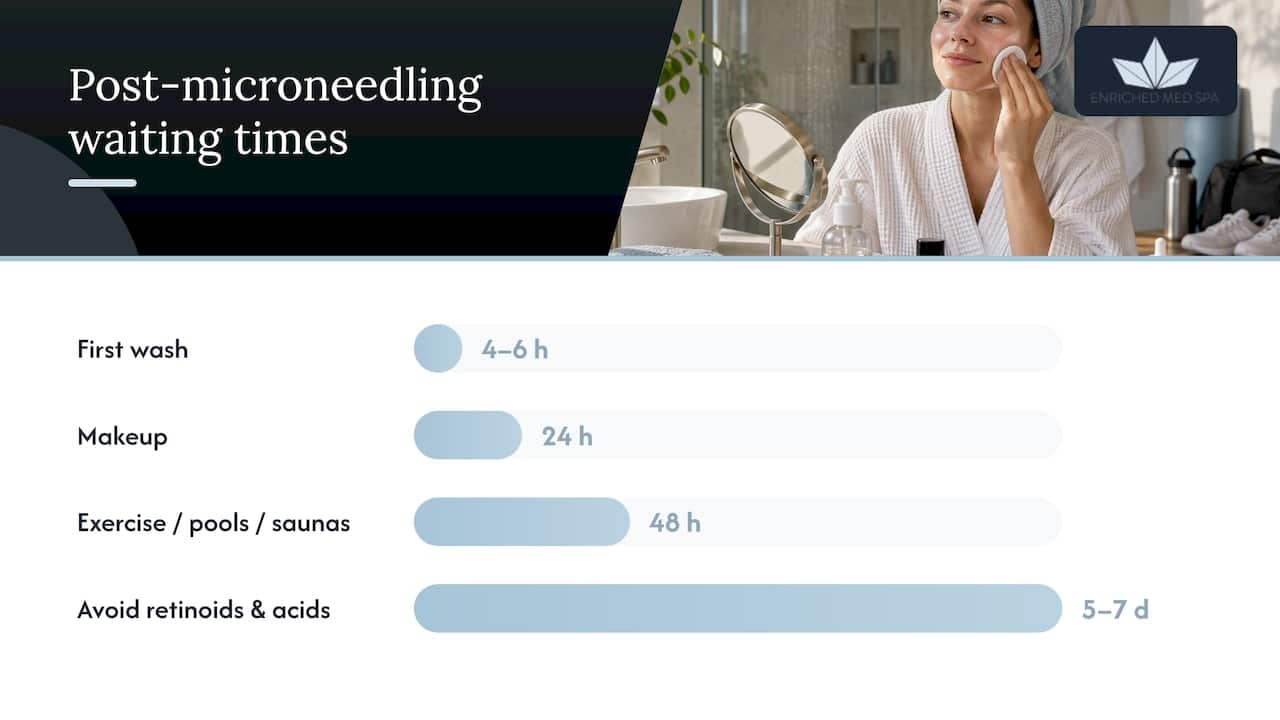
- First wash: Wait at least four to six hours before washing your face, using lukewarm water and your fingertips rather than a cloth or brush.
- Makeup: Hold off on makeup for at least 24 hours, and longer if your skin still looks flushed. When you do reintroduce it, choose mineral-based, non-comedogenic products to reduce the chance of irritation or clogged follicles.
- Exercise, pools, and saunas: Skip intense workouts, swimming, and saunas for about 48 hours, since sweat and chlorinated or heavily treated water can irritate freshly needled skin.
- Sun protection: Apply a broad-spectrum SPF 30 or higher starting the day after treatment, and reapply through the healing period and beyond, since freshly treated skin is more prone to pigment changes from UV exposure.
Pro Tip: Keep your skincare routine boring for the first week: a gentle cleanser, a basic moisturizer, and SPF are doing more for your recovery than any active ingredient could.
Avoid retinoids, exfoliating acids, and other active ingredients until your skin has fully calmed down, typically five to seven days, since they can prolong redness and increase sensitivity. Our post microneedling care guide walks through this timeline in more detail if you want a printable reference.
How clinics limit downtime and reduce risk
A well-run clinic reduces both your downtime and your risk before the needles ever touch your skin. Pre-treatment screening should cover current medications, active infections, a history of cold sores, and your skin tone, since darker skin sometimes calls for adjusted settings to lower pigment-change risk.
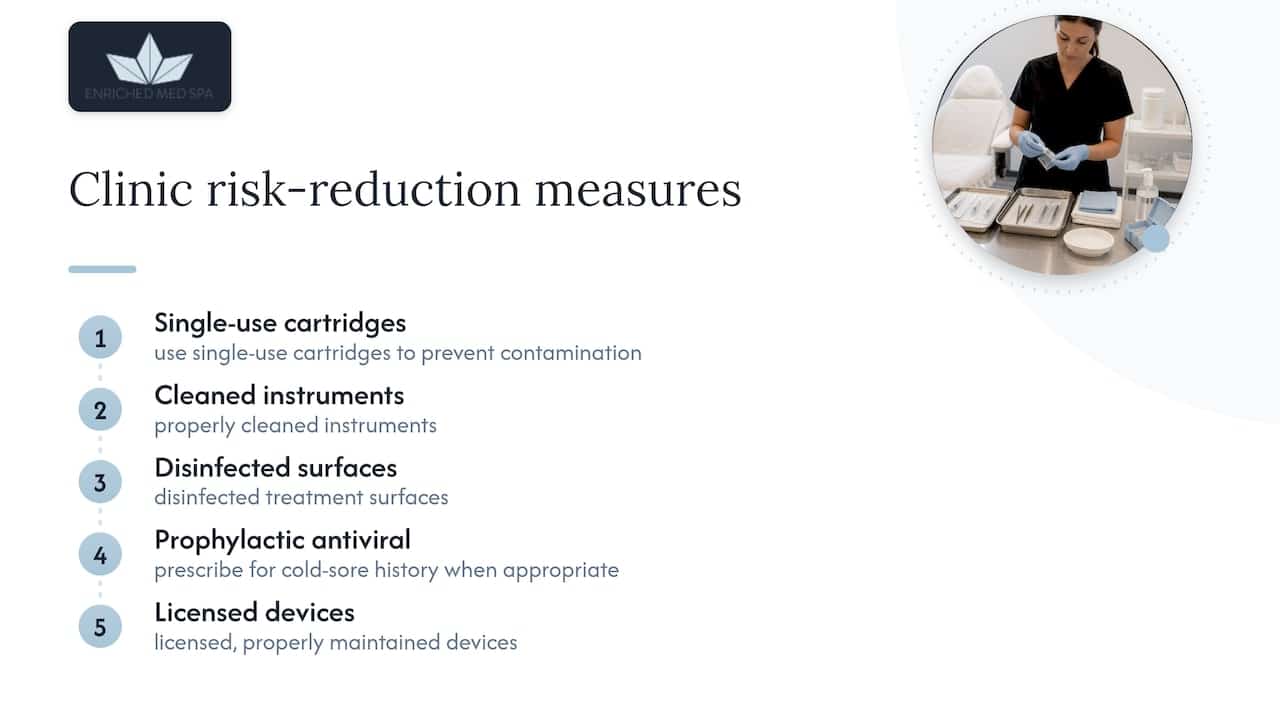
Sterility matters just as much as technique. Look for single-use cartridges, properly cleaned instruments, and disinfected treatment surfaces, all of which align with the infection prevention guidance that public health authorities apply to skin-penetrating personal services. Clinics may also prescribe a prophylactic antiviral for clients with a cold sore history, and licensed, properly maintained devices matter, since device safety and incident reporting are part of what regulators watch for.
A clinic’s view on planning around downtime
Clients most often ask how many days they’ll “look off” and whether one session is enough. We’re honest that visible healing wraps up in about a week, but the real improvement in texture and tone builds gradually over several sessions spaced weeks apart.
— Felix
Booking microneedling with a personalized aftercare plan
At Enriched Med Spa, microneedling is priced at $359 per session and starts with a consultation where we review your skin history, medications, and any downtime constraints you’re working around, like an upcoming event. From there, you get a personalized treatment plan and clear, written aftercare instructions so you know exactly what your first week looks like. If you’re ready to see what a session would involve for your skin, book a microneedling consultation and we’ll walk you through the details.
Sources
- A systematic review examining adverse effects of microneedling – PMC
- Safety profile for microneedling: a systematic review
- Infection prevention in personal services settings – Public Health Agency of Canada
This article is general information, not a substitute for advice from a qualified doctor. Consult a qualified healthcare professional about your own circumstances before acting on anything here.
FAQ
What does your face look like two days after microneedling?
By Day 2, redness and mild swelling are usually at or just past their peak, giving skin a flushed, sunburn-like appearance. Some pinpoint dots or slight tenderness can still be present, but skin generally starts calming down from this point through Day 5, based on the recovery pattern described in a systematic review of adverse effects.
How long should I rest after microneedling?
Most people don’t need full rest, but it’s best to avoid intense exercise, swimming, and saunas for about 48 hours to protect healing skin. Light daily activities are usually fine right away, as long as you skip makeup and touch your face as little as possible on Day 0 and Day 1.
Is microneedling three times a year enough?
Session frequency depends on your skin goals, the depth of treatment used, and how your skin responds, so there’s no single number that fits everyone. Many clients space sessions weeks apart in a series, then move to periodic maintenance, which your provider can tailor during a consultation.
How long until I look normal after microneedling?
For standard microneedling, most visible redness and swelling resolve within three to seven days, according to a systematic review of adverse effects. Deeper protocols or radiofrequency-based treatments can take a little longer, and any lingering dryness or flaking typically clears shortly after that window.
Is microneedling painful?
Most clients describe microneedling as more uncomfortable than painful, often comparing it to a scratchy, vibrating sensation, especially when a topical numbing cream is used beforehand. A clinical trial of an automated microneedling device found that most subjects reported no pain by four to six days after treatment.