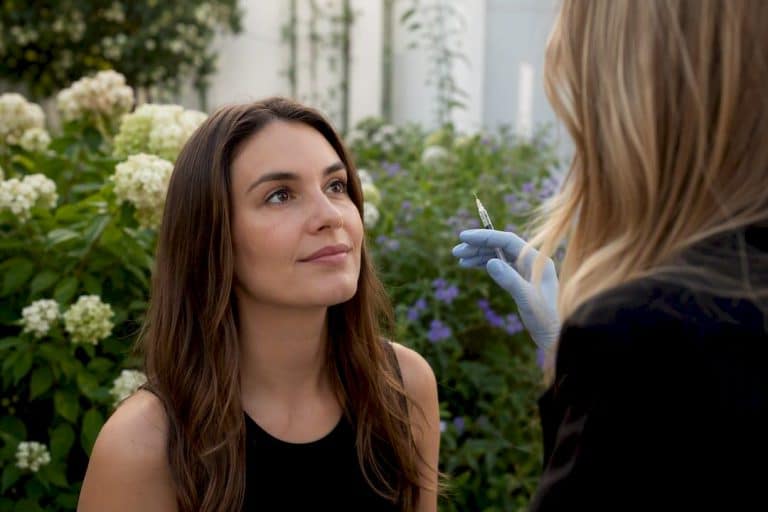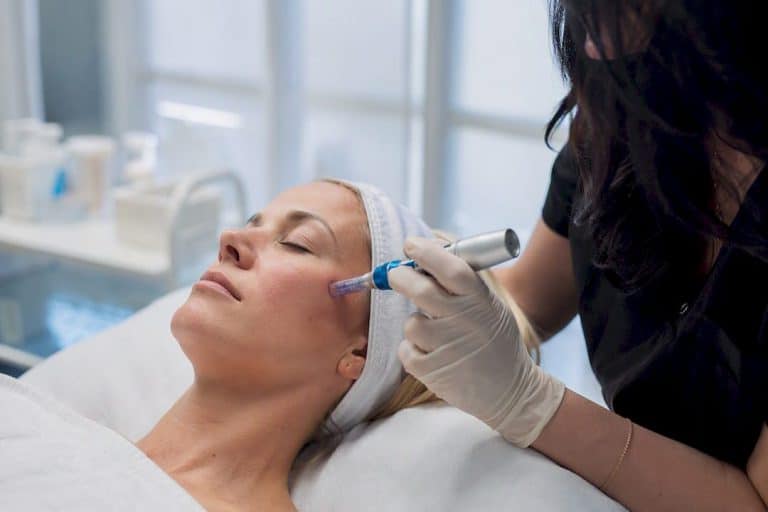
Book your final Botox appointment 4 to 6 weeks before your wedding day. That window gives the product time to reach full effect and leaves room for a touch-up if you need one. Botox typically begins working within 2 to 3 days, peaks around day 14, and lasts about 3 to 4 months in most patients. Anything closer than two weeks to the ceremony is too risky.
Here’s the timeline at a glance:
- 6 to 12 months out: first-timers book a trial session to calibrate dose
- 3 to 6 months out: repeat patients plan maintenance around the date
- 4 to 6 weeks out: the sweet spot for your final treatment before the wedding
- 2 weeks out: hard cutoff, no new injections after this point
Key Takeaways
Booking Botox 4 to 6 weeks before a wedding, with a firm 2-week cutoff for new injections, gives the product time to peak and leaves room for a touch-up.
| Point | Details |
|---|---|
| Ideal final appointment | Book 4 to 6 weeks before the wedding so peak effect (around day 14) settles before the ceremony. |
| Hard safety cutoff | Avoid any new Botox injections within 2 weeks of the wedding day. |
| First-timers book earlier | Schedule a trial session 6 to 12 months out to calibrate dose and avoid over-freezing. |
| Sequence multi-treatment plans | Fillers and deep peels need longer lead times than Botox and should come first. |
| Enriched Med Spa builds personalized timelines | The clinic maps consultation, trial sessions, final dose, and touch-up checks against your wedding date. |
Table of Contents
- When to get Botox before your wedding: the four timing windows
- First-timers versus repeat patients: how your plan changes
- Fitting Botox around fillers, peels, and laser sessions
- What to expect for side effects and how to protect your photos
- What to cover during your bridal Botox consultation
- Why brides trust Enriched Med Spa for wedding-day timing
- The final touch-up window most brides don’t plan for
- What Botox actually costs when you’re planning a wedding budget
- Getting ready for your appointment: what to avoid beforehand
- What the timeline gets right and where brides overthink it
- How Enriched Med Spa helps you plan your bridal Botox timeline
- Frequently asked questions
- Sources
When to get Botox before your wedding: the four timing windows
Think of your bridal Botox schedule as four decision points, each suited to a different starting place; this careful, complementary lifestyle planning mirrors why some brides find understanding why wedding weight loss differs long-term useful when coordinating overall bridal prep.
- 6 to 12 months before. If you’ve never had Botox, this is when we recommend a trial session. It gives us time to see how your face moves, adjust dosing, and avoid the “frozen” look that so many brides worry about. You’ll have several months to live with the result and decide if you want more, less, or exactly the same before your wedding.
- 3 to 6 months before. For clients already on a Botox schedule, this window is about maintenance planning rather than experimentation. We map your existing treatment cycle against the wedding date so your last “regular” appointment lines up naturally with the final pre-wedding one.
- 4 to 6 weeks before. This is the window clinical guidance points to most often for brides: late enough that you’re not paying for effects that fade before the big day, early enough that peak results (around day 14) have fully settled in, with time left for a small touch-up.
- 2 weeks before, no exceptions. We do not inject anyone new within two weeks of a wedding. Bruising, swelling, or a rare asymmetry needs time to resolve, and there simply isn’t enough runway that close to the date.
Quick math: if your wedding is on a Saturday, a Botox appointment 5 weeks prior lands you a 2-week check around day 21, right after peak effect, with roughly 3 weeks of buffer before you walk down the aisle.
First-timers versus repeat patients: how your plan changes
Your history with Botox changes everything about how early you should book.
If this is your first treatment, book early. A trial session 6 to 12 months out lets us calibrate the dose to your face and your comfort level with movement, without the pressure of a wedding date looming. Many first-time brides come in worried about looking “done,” and the honest answer is that dosing takes a bit of trial and error to get exactly right for you.
- First-timer: trial session at month 8, follow-up adjustment at month 5, final dose at week 5
- Repeat patient: final dose at week 5 to 6, same as your usual cycle, with the 2-week buffer built in
- Anyone unsure of their history: default to the earlier timeline, since you can always simplify but can’t easily compress
Pro Tip: Book your final appointment on the calendar the same week you book your caterer or photographer. Treating it as a fixed logistics item, not an afterthought, is what actually gets brides to plan early enough.
Fitting Botox around fillers, peels, and laser sessions
Botox rarely travels alone in a bridal skincare plan, and sequencing matters more than most brides expect. Fillers and deeper resurfacing procedures need considerably more recovery time than Botox, since swelling and bruising from fillers or deep peels often outlasts anything Botox produces.
- Schedule dermal fillers 2 to 3 months out, since visible swelling can take longer to settle than most brides anticipate.
- Book chemical peels or laser resurfacing 6 to 12 weeks out, adjusting earlier for deeper, more aggressive sessions.
- Slot Botox in at the 4 to 6 week mark, after the more invasive work has fully calmed down.
- Leave the final 2 weeks for nothing but rest, hydration, and maybe a light facial.
A bridal skincare timeline that maps every treatment against your date prevents the common mistake of stacking procedures too close together and showing up to your wedding still recovering from more than one thing at once.
What to expect for side effects and how to protect your photos
Mild bruising, redness, and a short window of swelling at the injection sites are the most common effects, and they usually settle within a few days. Rarely, brow or eyelid heaviness (ptosis) can occur if the product shifts or the dose wasn’t quite right for your anatomy, and that’s exactly why the 2-week buffer exists. It gives us time to catch it and, in most cases, correct it before you’re in front of a camera.
A few things reduce your risk meaningfully:
- Avoid NSAIDs like ibuprofen and aspirin for a few days before your appointment, since they thin the blood and raise bruising risk
- Keep alcohol minimal in the 24 to 48 hours before treatment
- Skip vigorous exercise and avoid lying flat for a few hours afterward
- Don’t rub or massage the treated area, per standard aftercare guidance
- Ice gently if you notice swelling, and keep arnica on hand if bruising does appear
Onset typically starts within 1 to 3 days, with full results visible by 1 to 2 weeks, so a bruise that shows up on day one has plenty of time to fade before your wedding if you’ve planned the appointment correctly.
What to cover during your bridal Botox consultation
A good consultation is where timing problems get caught before they become wedding-week emergencies. Come prepared to talk through three things.
- Medical history: any medications (especially blood thinners), pregnancy or breastfeeding status, and any neurologic conditions
- Your goals: bring reference photos, tell us what you liked or didn’t like about past injectable work, and be specific about which areas concern you (forehead lines, crow’s feet, the “11s” between the brows)
- Logistics: confirm the clinic’s touch-up policy, ask how long until you’ll see peak effect, and talk through what happens if bruising shows up
- Book the consultation as soon as you’ve set a wedding date, even if treatment is months away.
- Ask directly whether your timeline allows for a trial run before the final dose.
- Confirm in writing (or at least out loud) what the 2-week check will look for and what triggers a touch-up.
Why brides trust Enriched Med Spa for wedding-day timing
We built our bridal Botox process around one principle: your face should still look like you in every photo, just rested and at ease. Enriched Med Spa’s patient-first approach means every bridal plan starts with a conversation about your specific concerns, not a standard package.
- Our Botox: what to expect guide walks through preparation and aftercare in more detail
- Our before-and-after gallery shows realistic, natural results rather than dramatic transformations
- We schedule trial runs, touch-ups, and multi-treatment plans around your actual wedding date, not a generic template
For brides who want the full picture on how dosing and expression work together, our 2026 guide to Botox in aesthetics covers the clinical reasoning behind natural-looking results.
The final touch-up window most brides don’t plan for
The two weeks after your last appointment matter almost as much as the appointment itself. We schedule a check-in around the 2-week mark specifically because that’s when Botox has fully peaked and any asymmetry or under-treated area becomes obvious. Dermatologists consistently recommend this review point as standard bridal practice, not an optional extra.
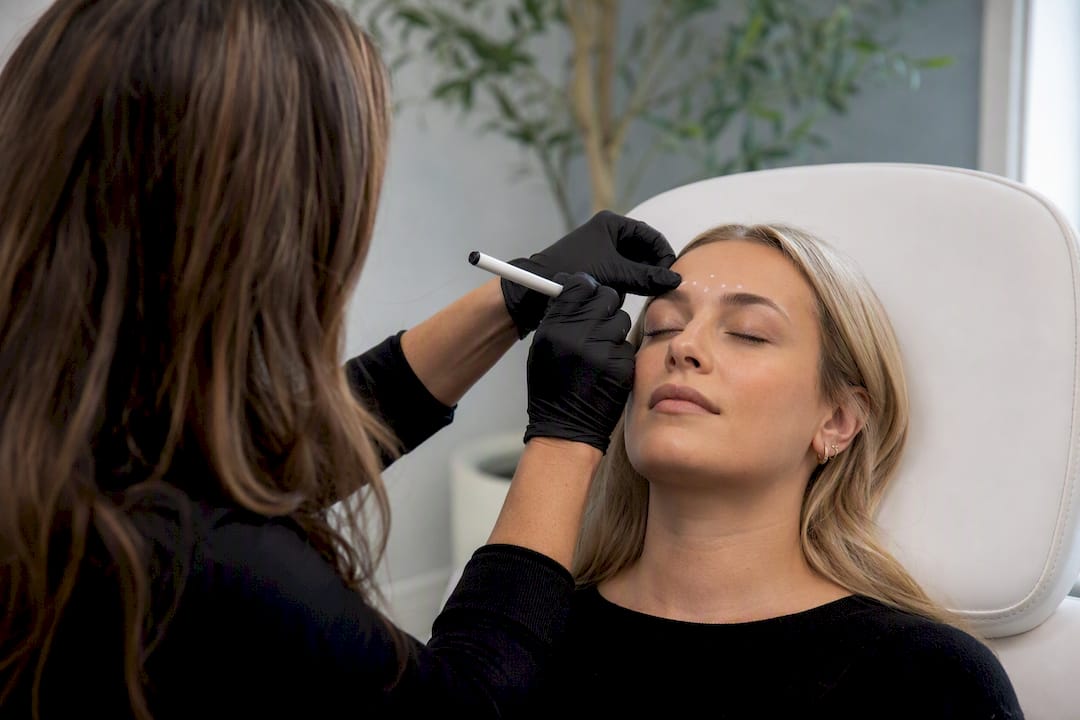
Here’s why the math works: if your final dose goes in 5 to 6 weeks before the wedding, your 2-week check lands roughly 3 to 4 weeks out, which still leaves enough time for a small touch-up to settle before the big day. A touch-up at that stage is usually minor, a few units in an area that needs a bit more softening, not a full re-treatment.
Skip this check and you’re relying on guesswork. Brides who book their final Botox appointment too close to the wedding, inside that 2-week cutoff, lose the ability to fix anything at all. If something looks slightly off in your engagement photos or your dress fitting, there’s no runway left to correct it. That’s the real cost of waiting too long, not the treatment itself, but the lost opportunity to adjust.
A touch-up policy varies by clinic, so ask directly at your consultation whether small corrections are included or billed separately. Some clinics build a complimentary 2-week review into every bridal package; others treat it as a separate appointment. Knowing this ahead of time means one less thing to think about during wedding week, when your calendar is already full of fittings, rehearsals, and last-minute details you didn’t know you’d need to handle.
What Botox actually costs when you’re planning a wedding budget
Botox is priced per unit, and the number of units depends on the areas treated and how much movement you want to soften. Forehead lines, crow’s feet, and the frown lines between your brows each require a different unit count, so your total cost depends heavily on which areas you’re addressing and how many treatments your timeline allows before the wedding.
Brides often underestimate that bridal Botox isn’t always a single appointment. If you’re a first-timer following the earlier trial-session timeline, you’re budgeting for at least two visits: the initial trial and the final pre-wedding dose. That’s a meaningful difference from a repeat patient who simply times their regular maintenance appointment around the wedding date.
A few practical budgeting notes:
- Ask for a written quote at your consultation once your treatment areas are confirmed, since unit counts (and therefore price) vary person to person
- Factor in the 2-week touch-up as a possible additional cost unless your clinic includes it
- If you’re also planning fillers, peels, or laser sessions, budget those separately since they’re priced independently of Botox and often cost more per session
- Build a small buffer into your beauty budget for the unexpected, a touch-up, an added area, or a change of mind after seeing initial results
Treating Botox as a line item you plan for months out, rather than a last-minute add-on, tends to produce both better results and less budget stress.
Getting ready for your appointment: what to avoid beforehand
A few simple preparation steps in the days before your appointment reduce your risk of bruising and help the whole process go smoothly. None of this is complicated, but skipping it is one of the most common reasons brides end up with more visible bruising than necessary right before a big event.
In the week leading up to your appointment, avoid NSAIDs like ibuprofen, aspirin, and naproxen, since they thin the blood and increase bruising risk. If you’re on a prescribed blood thinner for a medical reason, don’t stop it without your doctor’s guidance, but do mention it at your consultation so we can plan accordingly. Alcohol has a similar thinning effect, so keeping it minimal for 24 to 48 hours before your appointment is worth the small sacrifice.
Certain supplements carry the same risk profile as NSAIDs: fish oil, vitamin E, and ginkgo biloba are the most common culprits. If you take any of these regularly, pausing for a few days beforehand is a reasonable precaution, though check with your provider first if you’re taking them for a medical reason.
On the day itself, arrive with clean skin and skip heavy makeup if possible. Avoid intense exercise right before your appointment, since elevated heart rate and blood flow can slightly increase bruising risk. None of these steps guarantee a bruise-free experience, but together they meaningfully lower your odds, which matters when your appointment is timed close to engagement photos or a dress fitting.

What the timeline gets right and where brides overthink it
The clinical evidence on Botox timing is remarkably consistent: onset in days, peak at two weeks, duration of three to four months. That consistency is exactly why the 4 to 6 week window has become the standard recommendation across dermatology sources, not because it’s a nice round number, but because it’s grounded in how the product actually behaves in the body.
Where I think conventional bridal advice falls short is in treating the calendar as the only variable that matters. A perfectly timed appointment with the wrong dose still produces a bad photo. The real skill in bridal Botox isn’t hitting a date on a calendar, it’s using the months before that date to find the right amount of movement for your specific face, so that by the time you hit your 4 to 6 week window, you’re not gambling on a first impression.
If you take one thing from this article, prioritize the trial session over the deadline. Brides who treat the early months as a chance to calibrate, rather than as dead time before the “real” appointment, consistently end up with results that photograph better and feel more like themselves. The timeline matters, but the practice runs matter more.
How Enriched Med Spa helps you plan your bridal Botox timeline
Enriched Med Spa is the direct route to a bridal Botox schedule built around your actual wedding date, not a generic countdown. We map your consultation, trial session (if needed), final dose, and 2-week touch-up check against your calendar from the start, so you’re never guessing whether you’ve left enough time.
Booking a consultation gets you a personalized timeline based on your Botox history, your wedding date, and any other treatments you’re considering, whether that’s fillers, a peel, or laser work. We’ll walk through realistic expectations for your specific goals and show you comparable results in our before-and-after gallery so you know what to expect before you commit to anything.
If you’re ready to start planning, book a consultation through our medical aesthetics patient guide to see how a personalized bridal timeline comes together, and bring your wedding date so we can work backward from it together.
Frequently asked questions
How long before my wedding should I get Botox?
Most brides get their final Botox treatment 4 to 6 weeks before the wedding. This lines up with peak effect at around day 14 and leaves a buffer for a touch-up if needed.
Should I get Botox before my wedding if I’ve never had it before?
Yes, but book a trial session 6 to 12 months out first. This gives you and your injector time to calibrate the dose so your final pre-wedding treatment isn’t your first experience with the product.
Is it too late for Botox two weeks before my wedding?
Yes. A 2-week cutoff for new injections is standard practice, since bruising, swelling, or asymmetry needs time to resolve that you simply won’t have that close to the date.
Can I get Botox and fillers before my wedding at the same time?
You can, but sequencing matters. Fillers and deep peels typically need 2 to 3 months of lead time, while Botox fits closer to the wedding at the 4 to 6 week mark.
What happens at the 2-week Botox check before a wedding?
Your provider checks that the treatment has settled evenly and addresses any small asymmetry with a minor touch-up, which is why the final dose needs to land 4 to 6 weeks out, not right before the ceremony.
Sources
- Wedding dermatology | MDedge
- Review of botulinum toxin onset and duration | PMC
- Botox (botulinum toxin) overview | Mayo Clinic