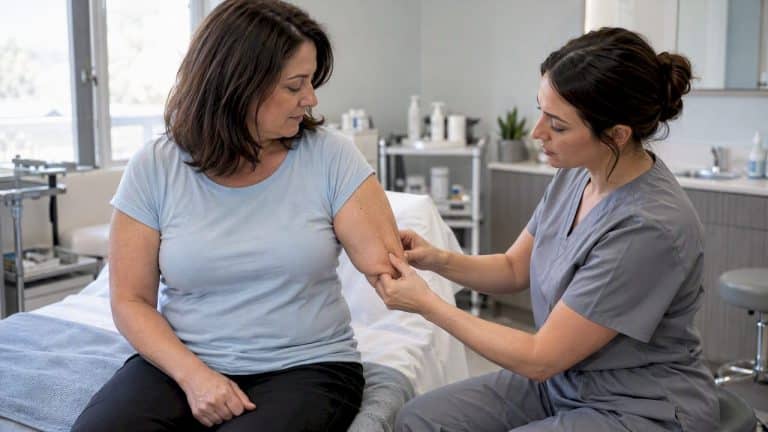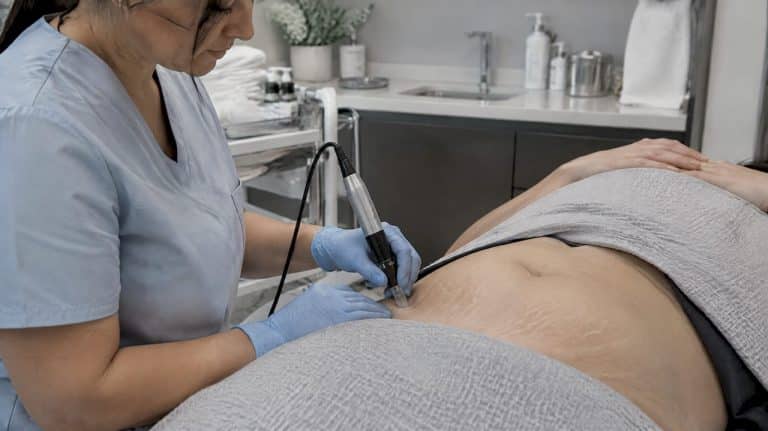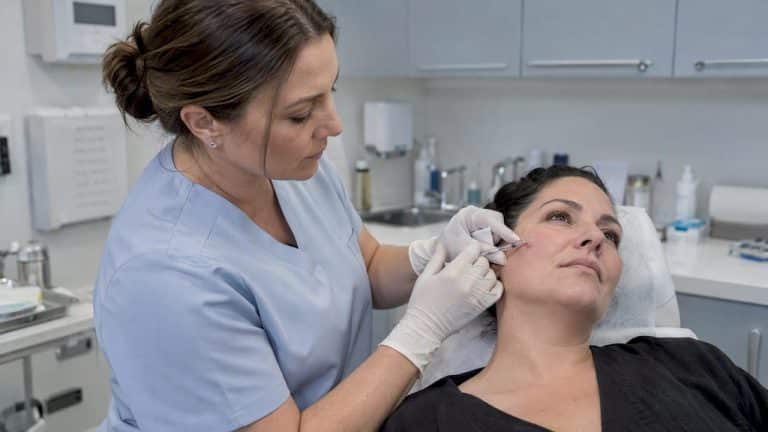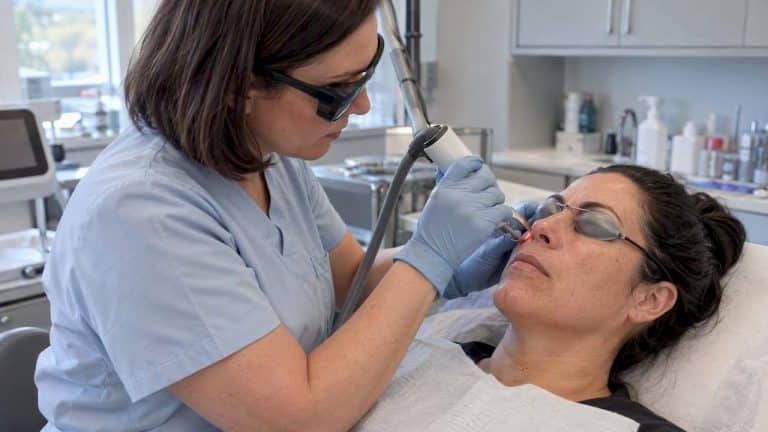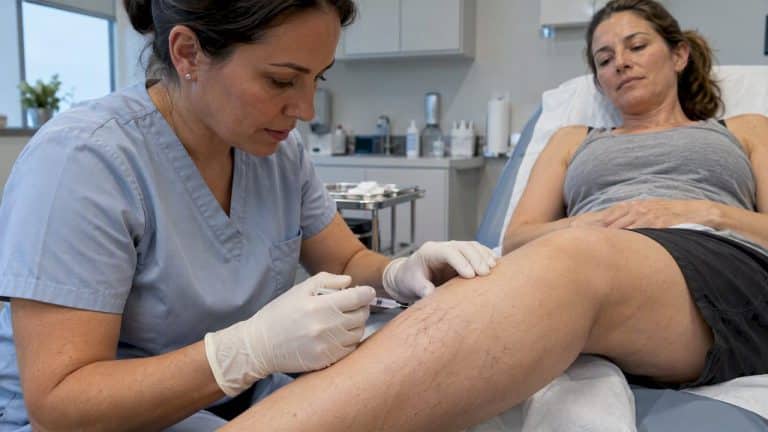
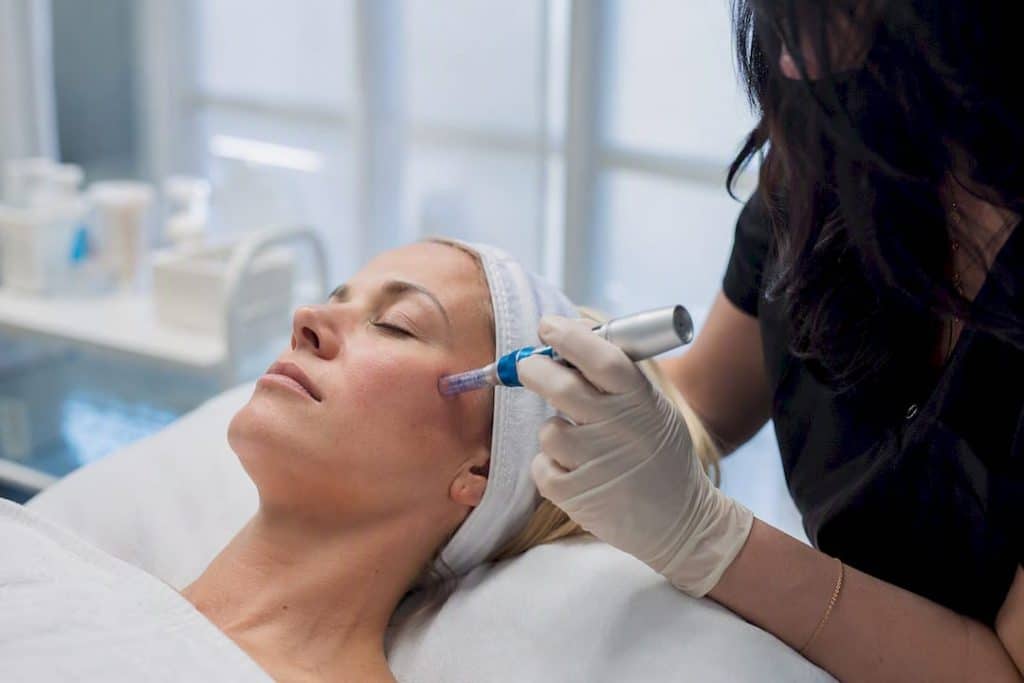
Yes, microneedling can reduce the visible size of enlarged pores, though it works within real limits. It rarely makes pores disappear entirely, and how much you see depends heavily on what caused the enlargement in the first place, plus your skin type and how many sessions you commit to. Combination protocols, pairing microneedling with topical exosomes or poly-d,l-lactic acid, tend to show stronger and faster change than microneedling alone.
- Case series data using measured pore scores back this up, not just before-and-after photos
- Studies using 3D imaging and AI-assisted segmentation now quantify pore area changes with real numbers, not guesswork
- Results are consistent enough across small trials to set expectations, but sample sizes remain modest
Key Takeaways
Microneedling improves the appearance of enlarged pores by stimulating collagen production, with combination protocols like PDLLA or exosomes producing faster, more measurable results than microneedling alone.
| Point | Details |
|---|---|
| Realistic outcome | Microneedling reduces pore appearance through collagen remodelling; it does not eliminate pores entirely. |
| Evidence base | Case series report pore scores improving from 6 to 3 at 12 weeks with PDLLA combination protocols. |
| Session count | Most protocols run 3 to 6 sessions spaced 3 to 4 weeks apart for visible change. |
| Needle depth matters | Ranges from 0.5 mm for surface texture to 1.5 mm for deeper remodelling, guided by your provider. |
| Where to start | Enrichedmedspa offers consultation-based microneedling protocols with optional exosome, PDLLA, or PRP add-ons. |
This article is general information, not a substitute for advice from a qualified doctor. Consult a qualified healthcare professional about your own circumstances before acting on anything here.
Table of Contents
- How does microneedling reduce pores?
- What does the research say about pore-size improvement?
- Who is a good candidate for microneedling on enlarged pores?
- What happens during a microneedling session?
- What should you expect during the first week of recovery?
- What are the risks and how do you reduce them?
- How much does microneedling for pores cost?
- How do you choose a qualified provider for microneedling?
- Ready to book microneedling for pore size in-office?
- Sources
How does microneedling reduce pores?
Microneedling works by creating controlled micro-injuries in the skin. That triggers a healing cascade, fibroblasts activate, and your body starts laying down new collagen and elastin around the follicular openings that make pores look enlarged. A preclinical skin model study found microneedling upregulates genes tied to extracellular matrix remodelling and collagen synthesis, which is the biological basis for the “tightening” clients notice over subsequent weeks.
The needle channels do double duty. They also improve absorption of topicals applied right after treatment, which is why many protocols pair microneedling with serums or biologics that would otherwise sit on the skin’s surface.
It’s worth separating two different problems that both show up as “big pores”:
- Structural laxity (loose pore walls from collagen loss) responds to microneedling’s collagen-building effect
- Excess oil production responds better to sebum-targeted approaches or Botulinum toxin A (BoNTA), which can reduce local sebaceous activity
What does the research say about pore-size improvement?
The strongest data comes from a case series of 15 patients who had three microneedling sessions combined with topical PDLLA. Mean pore scores dropped from 6 to 3 at 12 weeks, a statistically significant change (P < 0.001) that held at the 22-week mark.
A separate multimodal AI-assisted study of 30 subjects combined microneedling with adipose-derived stem cell exosomes and measured region-specific results with 3D imaging: Forehead and nose pore areas dropped markedly, with notable improvement in surface roughness.
- A three-patient exosome case series reported visible improvement sustained through 22 weeks
- A split-face trial comparing injected versus topical mesobotox after microneedling found topical results faded by four months
These numbers matter, but the studies behind them are mostly small case series with short follow-up windows. Larger randomized trials are still needed to confirm how durable these changes are over years rather than months.
Who is a good candidate for microneedling on enlarged pores?
Not everyone with visible pores gets the same benefit, and screening matters more than most people assume.
Good candidates typically have:
- Enlarged pores linked to loss of skin elasticity or sun damage rather than active oil overproduction alone
- Mild to moderate textural irregularities
- Post-acne texture, once active breakouts are under control
Poor candidates or those needing extra caution:
- Active cystic acne or inflamed rosacea flares
- A personal or family history of keloid scarring
- Recent isotretinoin use (most clinics wait several months before needling)
Deeper skin tones (higher Fitzpatrick types) carry a slightly elevated risk of post-inflammatory hyperpigmentation, so a patch test and a consultation with a provider experienced in skin of colour is worth the extra step.
What happens during a microneedling session?
In-clinic treatments use motorized devices with single-use cartridges, offering more consistent depth control than derma-rollers or home devices, which typically max out at shallower penetration for safety reasons.
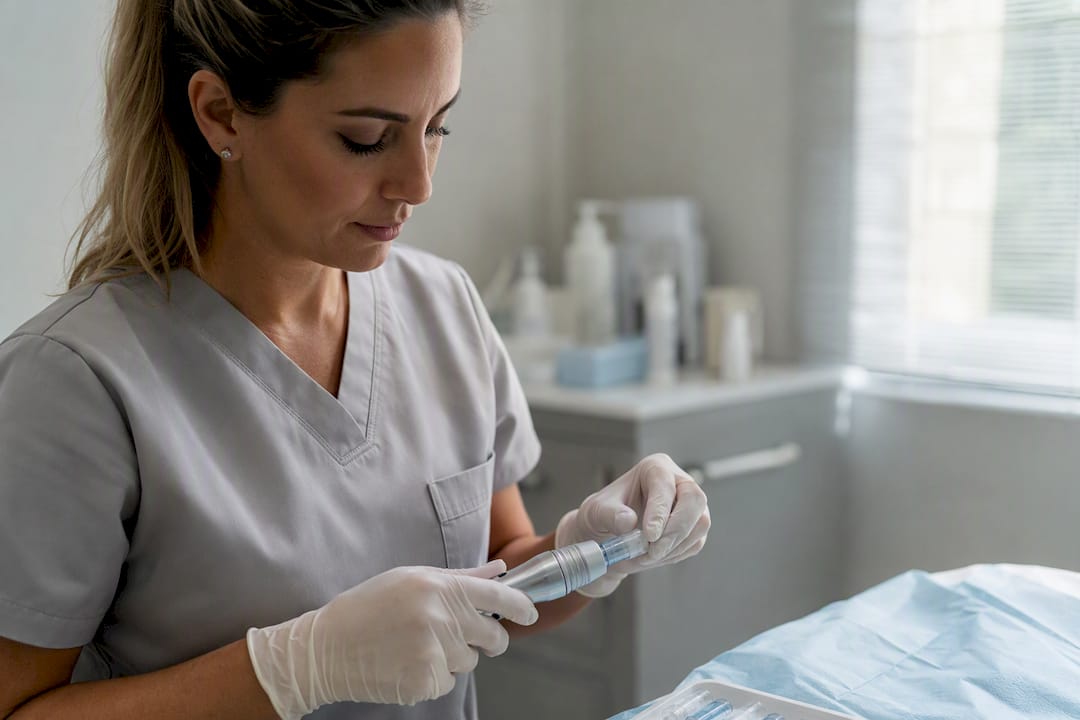
Needle depth is chosen based on the goal. Superficial texture work often uses around 0.5 mm, while deeper dermal remodelling for more pronounced pore laxity may go up to 1.5 mm, according to Cleveland Clinic, which also notes multiple sessions over months are usually needed for visible change.
| Protocol element | Typical range |
|---|---|
| Needle depth (texture/pores) | 0.5 mm to 1.5 mm |
| Sessions | 3 to 6 |
| Spacing between sessions | 3 to 4 weeks |
| Time to visible change | 3 to 4 weeks |
Many providers layer on exosomes, PDLLA, or PRP right after needling, since the microchannels created during treatment let these larger molecules reach the dermis more effectively than they would through intact skin. You can read more about what microneedling really does to your face if you want the fuller physiological picture.
What should you expect during the first week of recovery?
Your skin will look and feel sunburned for a day or two, and that’s normal.
- Days 0 to 1: Expect redness, mild swelling, and possibly light pinpoint oozing; cleanse gently and avoid makeup if your provider recommends it.
- Days 2 to 3: Redness fades to a pink tone; keep using a fragrance-free moisturizer and stay away from active acids or retinoids.
- Days 4 to 7: Skin normalizes for most people; you can typically resume actives once any flaking has resolved.
- Every morning, indefinitely: Broad-spectrum SPF protects the new collagen you’re building and prevents pigment changes.
Pro Tip: Book microneedling sessions in the weeks before a lower-key stretch on your calendar, not right before a big event, and space sessions further apart in summer months when sun exposure is harder to control.
What are the risks and how do you reduce them?
Most side effects are mild and expected, not dangerous.
- Redness, tenderness, and light flaking usually resolve within 2 to 5 days
- Rare but more serious risks include infection, post-inflammatory hyperpigmentation, and (very rarely) hypertrophic scarring, with higher risk for those with active infections or a scarring history
Seek follow-up care if you notice increasing pain, spreading redness, fever, or pus. Those symptoms point beyond normal healing and need medical attention.
How much does microneedling for pores cost?
Price depends on device type, needle depth, your provider’s training, your location, and whether add-ons like PRP or exosomes are included.
- Single sessions: often in the low hundreds of dollars, varying by clinic and included add-ons
- Add-on biologics (exosomes, PDLLA, PRP): typically increase per-session cost meaningfully
- Package pricing across a full series is usually more economical than paying per visit, and a consultation is the best way to get an accurate quote for your skin’s needs
How do you choose a qualified provider for microneedling?
Ask these questions at your consultation:
- Who performs the treatment, and what is their medical training?
- What device do you use, and does it use single-use, sterile cartridges?
- What needle depth do you recommend for my specific concern?
- What is your protocol if a complication occurs?
- Do you have experience treating skin tones like mine?
Red flags to walk away from:
- Bargain pricing with no real consultation beforehand
- Deep needling offered without any medical oversight
- No documented before-and-after results or consented imagery on file
A clinic’s perspective on realistic outcomes
Many clients come in expecting dramatic change after one visit. What we see more often is gradual improvement: skin looks smoother by week three or four, with the fuller effect showing after the complete session series.
- Noticeable texture change: usually 3 to 4 weeks in
- Fuller results: typically after 3 or more sessions
- Maintenance: annual or biannual touch-ups keep collagen gains going
Ready to book microneedling for pore size in-office?
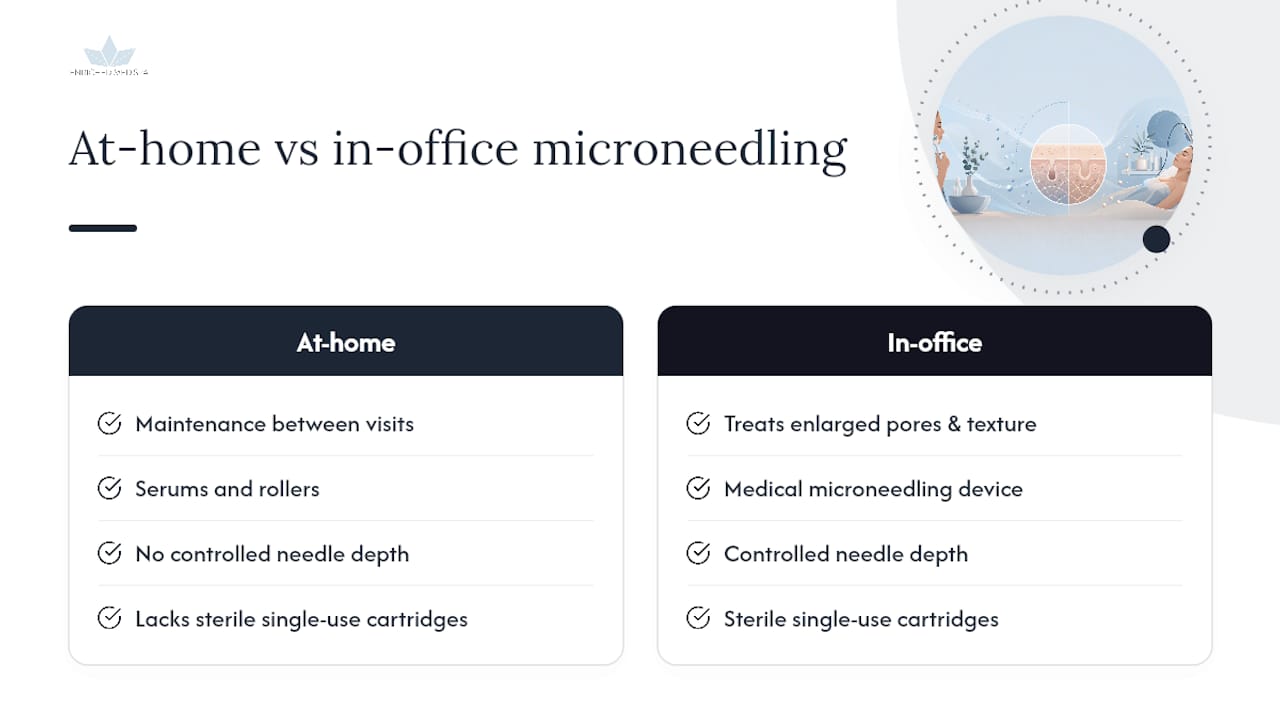
At-home rollers and drugstore serums can help maintain skin between visits, but they can’t replicate the controlled depth and sterile, single-use cartridges used in a clinical setting, which is where most of the measurable pore-score improvement in the research actually comes from. Enrichedmedspa builds each microneedling protocol around your specific skin, with the option to add exosomes, PDLLA, or medical-grade serums when your consultation shows they’d help. That consultation includes a real skin assessment, a patch test where appropriate, and transparent pricing before you commit to anything.
If enlarged pores, post-acne texture, or general skin laxity have you considering microneedling, start by reviewing your skin treatment options and booking a consultation to get a protocol built around your skin rather than a generic package.
Sources
- The Efficacy of Combined Microneedling and Topical Poly-d,l-lactic Acid (Juvelook) Application for Facial Pore Reduction and Skin Texture Improvement
- Microneedling combined with stem cell–derived exosome therapy (case series)
- Microneedling: What it is, uses, benefits & results (Cleveland Clinic)
- Molecular and histomorphological changes after microneedling in a human 3D skin model