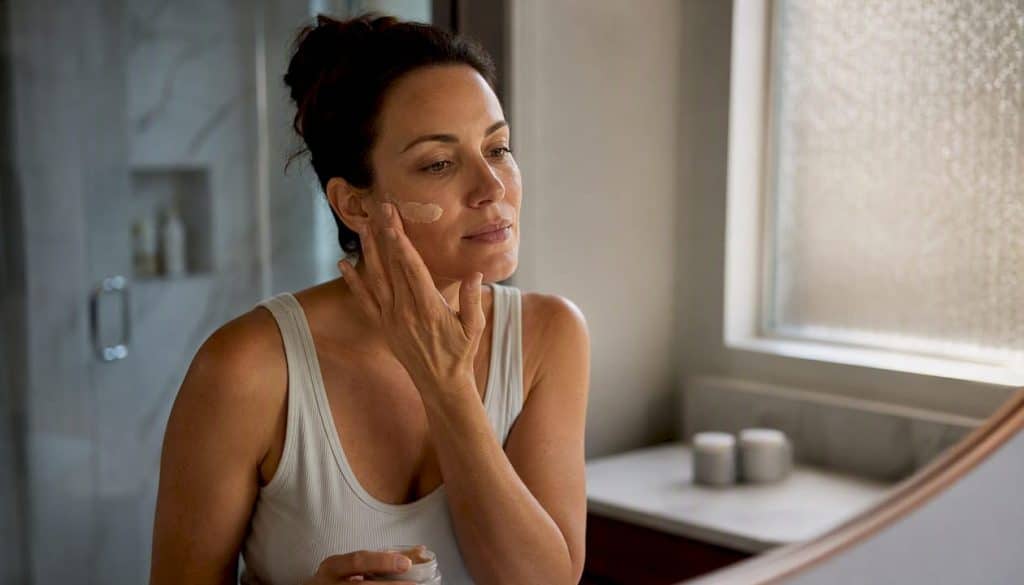
The most effective way to reduce skin pigmentation is to combine strict daily photoprotection with one or two proven topical actives, then escalate to in-clinic treatments only if topical care stalls. Most people see meaningful improvement within a few months of consistent effort. If you are not seeing any change by that point, or if pigmentation is spreading, that is the right time to consult a clinician.
Start here today:
- Apply a tinted broad-spectrum SPF 50+ sunscreen with iron oxides every morning, rain or shine, indoors and out.
- Introduce azelaic acid or niacinamide as your first active, one at a time, to reduce melanin production without irritating your skin.
- Stop picking, rubbing, or scrubbing. Mechanical trauma is one of the most common reasons pigmentation worsens or fails to clear.
- If there is no meaningful improvement after several weeks, or if pigmentation is expanding or accompanied by other symptoms, book an assessment with a dermatologist or medical aesthetics clinic.
Deeper or dermal pigment, such as stubborn melasma or long-standing post-inflammatory marks, often takes several months and may need a procedural approach on top of topical care. Patience and consistency matter more than product quantity.
Key takeaways
Reducing skin pigmentation consistently comes down to three things: protecting the skin from further UV and HEVL exposure every single day, using evidence-backed topical actives with patience, and escalating to in-clinic care only when the skin is properly prepared.
| Point | Details |
|---|---|
| Photoprotection first | Apply SPF 50+ with iron oxides daily; reapplication and correct amount matter as much as SPF number. |
| Start with low-irritation actives | Niacinamide or azelaic acid are well-tolerated first choices; introduce one at a time and patch test. |
| Expect 8–12 weeks for visible change | Consistent topical therapy with strict photoprotection typically shows meaningful improvement in 8–12 weeks. |
| Avoid trauma and picking | Mechanical skin trauma is a direct trigger for PIH and one of the most common reasons treatments fail. |
| Enriched Med Spa | Offers staged, skin-tone aware pigmentation management in Ontario, from topical regimens to in-clinic procedures. |
Table of Contents
- What causes skin pigmentation, and how do you identify your type?
- Why photoprotection is the foundation of any pigmentation plan
- Topical treatments that actually work: what to use and how to layer them
- In-clinic procedures: when they help and what to expect
- Safety guidance for darker skin tones and people prone to PIH
- How long does it take to see results?
- When should you see a dermatologist or medical aesthetics clinic?
- How Enriched Med Spa approaches pigmentation management
- A clinical perspective on what actually drives results
- Ready to get a personalised pigmentation plan in Ontario?
- Sources
What causes skin pigmentation, and how do you identify your type?
Skin pigmentation refers to areas of skin that appear darker than the surrounding tone. The underlying mechanism is excess melanin, the pigment produced by melanocytes in the skin’s basal layer. When melanocytes are stimulated by UV radiation, inflammation, hormones, or injury, they produce more melanin than the surrounding skin can distribute evenly. The result is a visible dark patch or spot.
Understanding which type you have matters because depth and trigger directly affect which treatments work. Superficial (epidermal) pigment responds well to topical actives and gentle peels. Dermal pigment, sitting deeper in the skin, is slower to respond and often needs procedural support. According to Cleveland Clinic’s patient guidance, the most common types include:
- Melasma: Symmetrical, blotchy patches on the cheeks, forehead, upper lip, or chin. Strongly linked to hormonal changes (pregnancy, oral contraceptives) and UV exposure. Tends to be mixed epidermal and dermal, which makes it harder to clear.
- Post-inflammatory hyperpigmentation (PIH): Dark marks left after acne, eczema, a cut, or any skin trauma. More common and more persistent in medium-to-dark skin tones. The trigger is inflammation, not sun alone.
- Solar lentigines (age spots or sun spots): Flat, well-defined brown spots on sun-exposed areas. Purely epidermal and generally respond well to topical and procedural care.
- Freckles (ephelides): Small, flat, light-brown spots that appear in childhood and fade in winter. Genetically driven and UV-activated; they are benign and usually need no treatment.
- Riehl’s melanosis and pigmentation of the folds: Less common; often linked to contact allergens, friction, or chronic inflammation. Requires identifying and removing the trigger before treatment.
One practical distinction worth knowing: epidermal pigment looks brown under natural light and often appears more defined. Dermal pigment tends to look grey-blue or ash-toned and is less responsive to topical bleaching agents alone. If you are unsure of your type, a clinician can confirm depth with a Wood’s lamp examination or dermoscopy before you invest in a treatment plan.
Why photoprotection is the foundation of any pigmentation plan
Consistent, broad-spectrum photoprotection is the single most important step you can take, both to prevent new pigmentation and to protect any progress you make with topicals or procedures. Without it, UV and high-energy visible light (HEVL) continue to stimulate melanocytes, and even the best topical regimen will underperform.
Canadian dermatology guidance identifies rigorous photoprotection as the first-line defence against hyperpigmentation and its recurrence. The global 2025 guideline summary on Medscape adds that sunscreens must protect against UVB, UVA, and HEVL to be effective for pigmentation management, not just UV alone.
What to look for in a sunscreen for pigmentation:
- SPF 50 or higher with broad UVA/UVB coverage (PA+++ or UVA-PF ≥ 16 on the label).
- Iron oxide or a tinted formula. Iron oxides block HEVL, the visible light range that triggers melanogenesis, particularly in melasma. A clear sunscreen does not offer this protection.
- Antioxidant or anti-inflammatory adjuncts (vitamin C, niacinamide, or green tea extract) are a bonus but not a substitute for iron oxide.
How to apply it correctly:
Use an even, thorough layer for the face and neck as recommended by guidelines. Many people apply less sunscreen than recommended, which reduces the protection delivered. Reapply regularly during outdoor exposure, as frequent reapplication is important. Indoors near windows still counts as exposure, since UVA and HEVL pass through glass.
Statistic callout: Clinicians consistently note that under-application and infrequent reapplication are the most common reasons photoprotection fails in practice, per the global guideline summary. Technique matters more than brand.
Pair your sunscreen with UV-protective clothing on high-exposure days. A wide-brimmed hat and shade-seeking behaviour between 10 AM and 3 PM reduce cumulative UV load meaningfully. Car and office window glass blocks UVB but not UVA, so daily sunscreen application remains necessary even on desk-bound days.
Pro Tip: A tinted SPF 50+ with iron oxides does double duty: it protects against HEVL and provides light coverage that camouflages existing pigmentation while your actives work underneath. This is especially useful for melasma, where visible light is a documented trigger per the global consensus.
Topical treatments that actually work: what to use and how to layer them
Effective at-home regimens combine gentle exfoliation with a targeted tyrosinase inhibitor and anti-inflammatory or antioxidant support. The goal is to slow melanin production, accelerate cell turnover, and keep inflammation low, because inflammation itself drives more pigmentation.
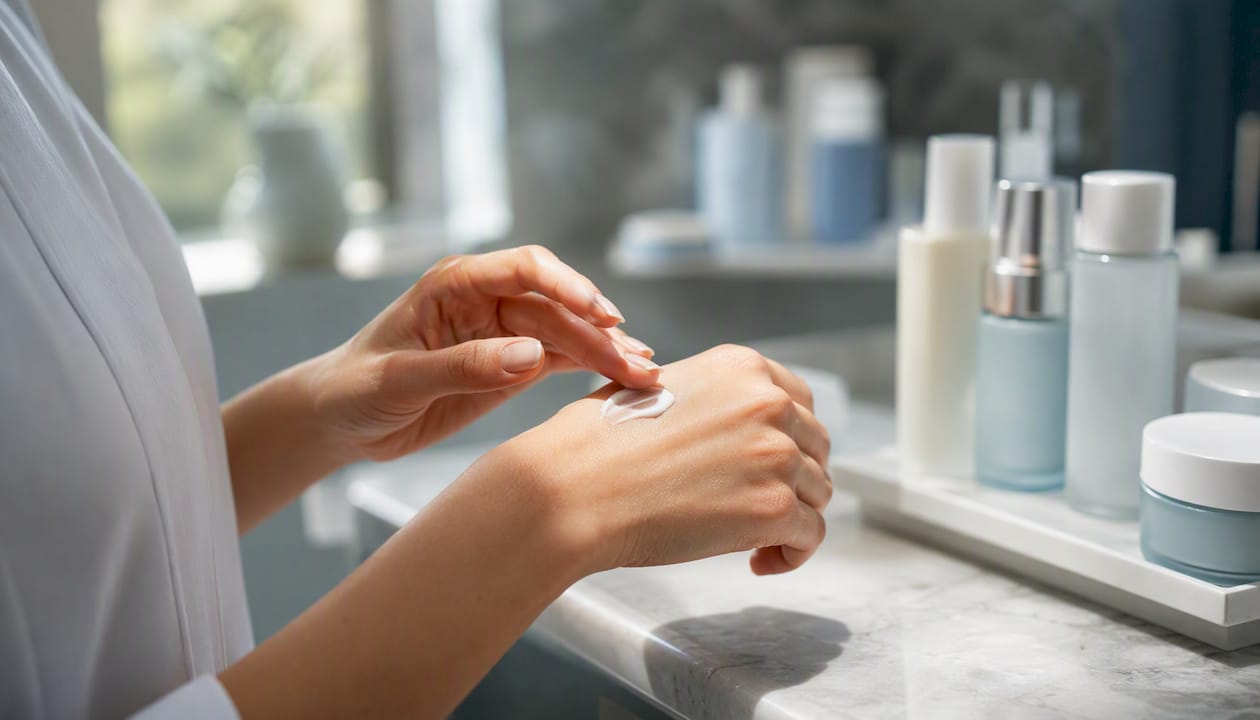
A 2023 review of skin pigmentation treatments confirms that topical therapies are the most common first-line option, with hydroquinone, retinoids, azelaic acid, niacinamide, and combination regimens showing the strongest clinical evidence. Research on alternatives to hydroquinone shows that niacinamide, azelaic acid, thiamidol, and kojic acid can be effective and often carry a lower irritation risk, though hydroquinone 4% remains the most strongly evidenced single agent for melasma when used carefully and for limited durations.
Active ingredients and how they work:
- Niacinamide (vitamin B3): Reduces melanin transfer from melanocytes to skin cells. Well-tolerated, anti-inflammatory, and suitable for all skin tones. A good first choice for sensitive or darker skin.
- Azelaic acid (10–20%): Inhibits tyrosinase and has anti-inflammatory properties. Particularly useful for PIH and rosacea-related pigmentation. Available over the counter at 10% in Canada; 15–20% by prescription.
- Vitamin C (L-ascorbic acid and derivatives): Antioxidant that interrupts melanin synthesis. Unstable in formulation; look for stabilised derivatives (ascorbyl glucoside, sodium ascorbyl phosphate) if L-ascorbic acid irritates your skin.
- Hydroquinone 4%: The benchmark topical lightener. Use in short courses (3–4 months) under clinical guidance to avoid ochronosis with prolonged use. Not recommended during pregnancy.
- Topical retinoids (tretinoin, adapalene): Accelerate cell turnover and enhance penetration of other actives. Tretinoin is prescription-only in Canada; adapalene 0.1% is available over the counter. Start slowly, two to three nights per week, to minimise irritation.
- Topical tranexamic acid: Emerging evidence supports its use for melasma. Reduces melanocyte stimulation and is generally well-tolerated. Often found in serums at 2–5%.
- Kojic acid: Derived from fungi; inhibits tyrosinase. Effective but can cause contact sensitisation in some people. Patch test before use.
- Cysteamine and thiamidol: Newer agents with growing evidence. Thiamidol in particular shows strong tyrosinase inhibition in recent trials.
- AHAs and BHAs (glycolic, lactic, salicylic acid): Chemical exfoliants that accelerate surface cell turnover and improve penetration of lightening agents. Glycolic and lactic acids suit dry-to-normal skin; salicylic acid suits oily or acne-prone skin. Start with low concentrations (5–8% glycolic, 2% salicylic) and use two to three times per week.
How to introduce actives safely:
Start with one active at a time. Introduce it every other day for two weeks before daily use. Always patch test on the inner arm for 48 hours before applying to your face. When adding a second active, wait until your skin has fully adjusted to the first. Applying a light moisturiser before a retinoid (the “sandwich method”) reduces irritation without meaningfully reducing efficacy.
For guidance on avoiding harsh skincare ingredients when building a new routine, particularly if your skin is reactive, a conservative approach always serves you better than stacking multiple actives at once.
Pregnancy and breastfeeding note: Avoid hydroquinone, tretinoin, and high-dose salicylic acid during pregnancy and breastfeeding. Azelaic acid and niacinamide are generally considered safer options, but always confirm with your healthcare provider before starting any new active during this period.
Pro Tip: If you are planning a chemical peel or laser treatment, priming your skin with a topical lightener (azelaic acid or hydroquinone) for 4–6 weeks beforehand can significantly reduce the risk of post-procedure PIH. This is standard practice in Canadian dermatology guidance for medium-to-dark skin tones.
In-clinic procedures: when they help and what to expect
In-clinic procedures can accelerate clearance, but they are best reserved for pigmentation that does not respond to first-line topical care, or where pigment is deeper and unlikely to shift with topicals alone. Jumping to procedures too early, especially without topical priming, increases the risk of worsening pigmentation rather than improving it.
Evidence on chemical peels and procedural adjuncts shows that combined topical and procedural approaches produce better outcomes than procedures alone, and that conservative selection is particularly important for higher Fitzpatrick phototypes (medium-to-dark skin).
Common in-clinic options:
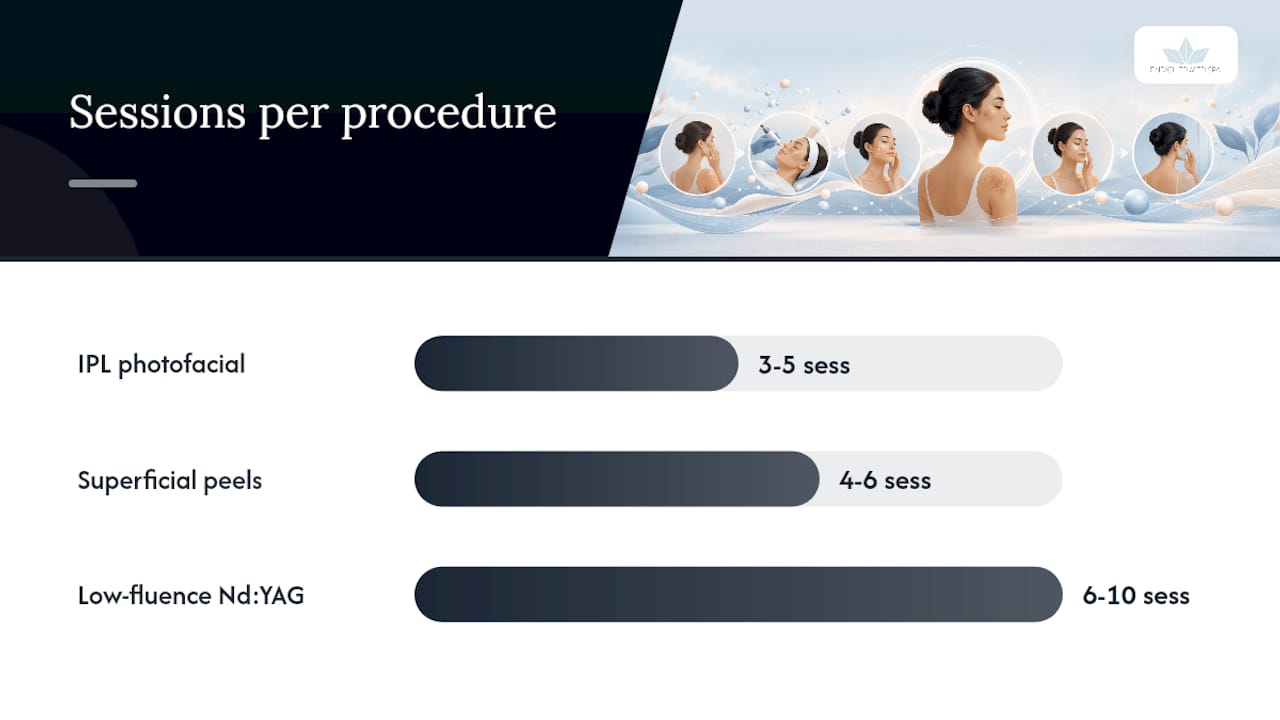
- Superficial chemical peels (glycolic 20–70%, salicylic 20–30%, lactic acid): Target epidermal pigment. Typically require a series of 4–6 treatments spaced 2–4 weeks apart. Minimal downtime. Well-suited to PIH and solar lentigines when skin is properly primed.
- Medium-depth peels (TCA 15–35%): Reach the papillary dermis. More effective for deeper pigment but carry higher PIH risk in darker skin tones. Require careful patient selection and pre-treatment priming.
- IPL photofacial: Broad-spectrum light targets melanin in solar lentigines and superficial melasma. Works best on lighter skin tones (Fitzpatrick I–III). Multiple sessions (typically 3–5) are standard. Learn more about IPL photofacial for dark spots and what to expect from a treatment course.
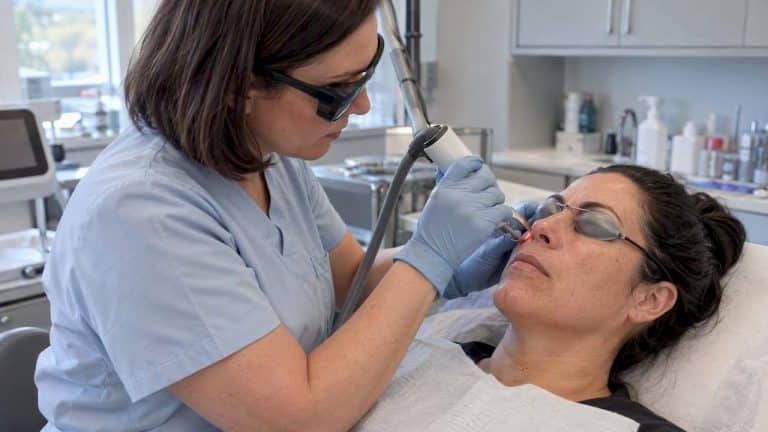
- Low-fluence Q-switched Nd:YAG laser: Used for melasma and dermal pigment, particularly in skin of colour. Lower energy settings reduce PIH risk. Often requires 6–10 sessions.
- Fractional non-ablative lasers (e.g., 1550 nm, 1927 nm): Create micro-injury channels to stimulate remodelling without removing the full skin surface. Useful for mixed epidermal-dermal pigment. Downtime is moderate; PIH risk exists in darker skin tones.
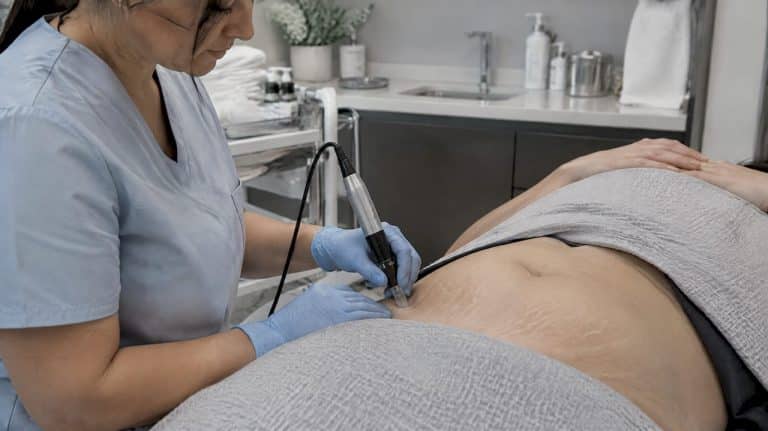
- Microneedling: Creates controlled micro-channels that improve topical penetration and stimulate collagen. Less direct effect on pigment than lasers, but useful as an adjunct, particularly when combined with tranexamic acid or vitamin C serums.
- Combination therapies: Many clinicians use a layered approach, for example, topical priming followed by a series of superficial peels, then a maintenance laser session. This staged model tends to produce more durable results than any single modality.
Risk callout: Aggressive treatments in unprepared skin can trigger PIH that is darker and more persistent than the original pigmentation. The Drugs in Context review notes that stabilising the skin with topical agents before procedures is a clinical priority, not an optional step.
Downtime varies from zero (superficial peels, low-fluence laser) to 5–10 days (medium peels, ablative fractional). Most procedural courses require 3–6 sessions for meaningful improvement, with maintenance sessions every 6–12 months to sustain results.
Safety guidance for darker skin tones and people prone to PIH
For medium-to-dark skin tones (Fitzpatrick III–VI), the approach to reducing pigmentation needs to be more conservative at every step. The same treatments that clear pigmentation in lighter skin can trigger new, treatment-induced hyperpigmentation in darker skin. This is not a reason to avoid treatment; it is a reason to sequence it carefully.
Canadian Dermatology Today’s review on PIH explains that PIH is more common and more psychologically impactful in darker skin phenotypes, and that low-inflammation management is the cornerstone of effective care. The goal is to reduce melanocyte reactivity before you ask the skin to tolerate any resurfacing.
Best practices for skin of colour:
- Start with niacinamide or azelaic acid as your first active. Both are anti-inflammatory and well-tolerated across all skin tones.
- Introduce retinoids slowly, beginning at the lowest available concentration (adapalene 0.1%) two nights per week, and increase only after 4–6 weeks of tolerance.
- Prime with a topical lightener for 6–12 weeks before any peel or laser procedure. This reduces baseline melanocyte activity and lowers PIH risk.
- Always request a test spot treatment before a full procedural session. A small test area on a less visible part of the face or neck gives you and your clinician a preview of how your skin responds.
- Allow longer intervals between procedural sessions (4–6 weeks minimum) to let inflammation fully resolve before the next treatment.
- Avoid physical scrubs, harsh toners, and anything that causes visible redness or irritation. Inflammation is the direct trigger for more pigmentation.
Red flags: stop treatment and seek clinical review if you notice:
- Immediate darkening or a new dark halo around a treated area within 48–72 hours of a procedure.
- New linear or patchy darkening that was not present before treatment.
- Blistering, erosion, or crusting beyond what your clinician described as normal.
- Persistent redness or swelling lasting more than 5–7 days after a superficial treatment.
These signs suggest the treatment was too aggressive for your skin’s current state. A pause, a return to anti-inflammatory topicals, and a clinical reassessment are the right next steps.
How long does it take to see results?
Meaningful improvement commonly appears in 8–12 weeks with consistent topical therapy and strict photoprotection. Deeper or dermal pigment, including stubborn melasma, can take several months and often needs a procedural component alongside ongoing maintenance.
Typical timelines by approach:
- Sunscreen alone: Prevents worsening and protects treatment gains, but does not actively fade existing pigmentation. You may notice very gradual lightening over 3–6 months as the skin’s natural turnover cycle removes pigmented cells.
- Single topical active (niacinamide, azelaic acid): Visible lightening in 8–12 weeks with daily use. Improvement continues for up to 6 months.
- Combined prescription regimen (e.g., tretinoin + hydroquinone + mild steroid, the classic Kligman formula): Noticeable change in 4–8 weeks; significant clearance in 3–4 months. Requires clinical supervision and is not intended for indefinite use.
- Procedural course (peels or laser): A series of 4–6 sessions spaced 2–4 weeks apart typically produces visible improvement by session 3–4. Full results are assessed 4–6 weeks after the final session.
Maintenance matters as much as the initial treatment. Pigmentation, especially melasma, tends to recur without ongoing photoprotection and periodic maintenance. A realistic maintenance plan looks like this:
- Daily SPF 50+ with iron oxides, every day of the year.
- Two to three times weekly gentle exfoliant (low-concentration AHA or BHA) or an ongoing low-irritation lightener such as niacinamide or azelaic acid.
- Quarterly or twice-yearly clinic check-ins for touch-up treatments if needed.
Melasma in particular is a chronic condition, not a one-time fix. Managing expectations around this early saves a great deal of frustration later.
When should you see a dermatologist or medical aesthetics clinic?
See a clinician when pigmentation fails to improve after 8–12 weeks of consistent topical care and strict photoprotection, when you are unsure of your diagnosis, or when pigmentation is expanding or accompanied by other symptoms. Self-care is appropriate for mild, stable, well-defined pigmentation. Anything outside that description benefits from a professional assessment.
What to bring to your appointment:
- Duration: when did you first notice the pigmentation, and has it changed over time?
- Triggers: sun exposure, hormonal changes, a recent procedure, acne, or a skin injury?
- Products tried: names, concentrations, and how long you used each one.
- History of procedures: any peels, laser, or microneedling in the past 12 months.
- Pregnancy or breastfeeding status: this directly affects which treatments are safe.
- Photos of onset: a before photo, even a low-quality phone image, helps the clinician track progression.
Red flags for urgent dermatology referral:
- Rapidly spreading pigmentation over days to weeks.
- A dark spot with irregular borders, multiple colours, or a raised or bleeding surface. These features warrant prompt assessment to rule out melanoma.
- Pigmentation accompanied by pain, itching, or active skin disease.
- Any pigmented lesion that has changed noticeably in size, shape, or colour in a short period.
For straightforward hyperpigmentation, a medical aesthetics clinic can provide a thorough assessment, topical prescription management, and procedural options. For diagnostically uncertain or rapidly changing lesions, a dermatologist referral is the appropriate first step.
How Enriched Med Spa approaches pigmentation management
Enriched Med Spa provides staged, skin-tone aware pigment management that combines photoprotection counselling, tailored topical regimens, and in-clinic therapies when the skin is ready for them. The approach is conservative by design: we assess first, prime the skin, and escalate only when the foundation is solid.
Many clients arrive after trying several products on their own, often with mixed results, or after noticing PIH following acne or a previous procedure. That pattern is common, and it usually points to the same gap: the skin was not adequately prepared before treatment, or the actives were introduced too quickly.
What a pigmentation assessment and treatment path at Enriched Med Spa typically includes:
- A thorough skin assessment to identify pigmentation type, depth, and Fitzpatrick phototype.
- Photoprotection review and product guidance tailored to your skin tone and lifestyle.
- A personalised topical regimen, which may include prescription-strength actives where appropriate.
- A priming period (typically 4–6 weeks) before any procedural treatment is introduced.
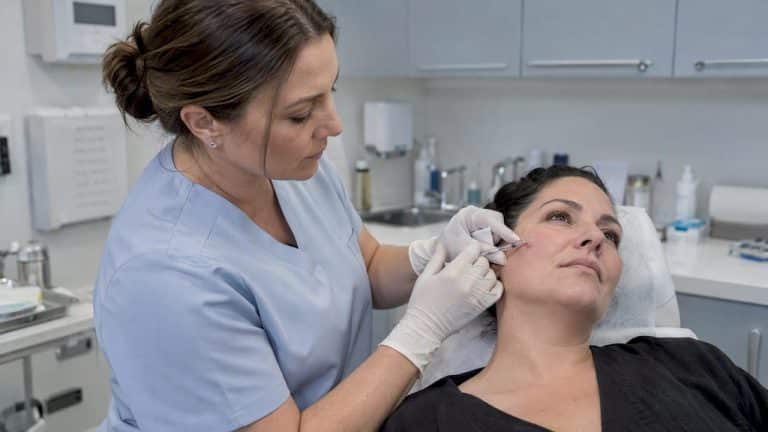
- In-clinic options including chemical peels, IPL photofacial, microneedling, and CO2 laser resurfacing, selected based on your skin’s response and goals.
- A maintenance plan with scheduled follow-up to monitor progress and adjust the approach as needed.
We work with clients across a range of skin tones and pigmentation types, including melasma, PIH, and sun-related discolouration. The priority at every stage is keeping inflammation low, protecting the skin barrier, and making progress without setbacks.
A clinical perspective on what actually drives results
The most common mistake we see is treating pigmentation as a product problem when it is really a behaviour and consistency problem. Clients often arrive with a shelf full of serums, some of them genuinely effective, but no sunscreen habit, a tendency to pick at breakouts, and a history of switching products every few weeks before anything has had time to work.
The clinical literature is clear on this: photoprotection is the non-negotiable foundation, and no topical active performs well without it. A niacinamide serum applied under no sunscreen, in a person who picks at their skin, will not produce meaningful results. That is not a failure of the ingredient; it is a failure of the conditions needed for it to work.
We also see the opposite pattern: clients who have been using a strong prescription regimen for months but have not seen improvement because their pigmentation is dermal, not epidermal, and topicals alone cannot reach it. That is when a staged procedural approach, done conservatively and with proper priming, makes a real difference.
The reassuring part is that most pigmentation, even longstanding melasma or deep PIH, does respond to the right combination of care over time. It takes longer than most people expect, and it requires ongoing maintenance rather than a one-time fix. But with a clear plan and realistic expectations, progress is achievable for the vast majority of people.
Ready to get a personalised pigmentation plan in Ontario?
If you have been managing pigmentation on your own and are not seeing the progress you hoped for, a professional assessment can clarify what type of pigmentation you have, how deep it sits, and which treatments are appropriate for your skin tone and history.
At Enriched Med Spa, serving Woodbridge and East Gwillimbury, Ontario, a pigmentation assessment covers your skin type and Fitzpatrick phototype, a review of what you have already tried, patch testing where relevant, and a clear treatment plan with realistic timelines. You leave with a specific regimen, not a general recommendation. Explore the full range of skin treatment options available at the clinic, and book your assessment to get started with a plan built around your skin.
Sources
These sources informed this guide and are worth bookmarking for deeper reading:
- An update on the management of facial hyperpigmentation: Is there anything to use other than hydroquinone? | Canadian Dermatology Today
- Melanin Hyperpigmentation Disorders, Management: Global 2025 Guideline Summary
- Skin pigmentation types, causes and treatment—A review
- Hyperpigmentation: What it is, Causes, & Treatment
This article provides general information only and is not a substitute for professional medical or dermatological advice. Confirm any treatment plan with a qualified clinician, particularly if you are pregnant, breastfeeding, or managing a diagnosed skin condition.
Recommended
- Pigmentation reduction methods: safe options explained
- How to prepare for skin treatments: a practical guide
- Top skin rejuvenation treatments: your 2026 guide
- Do Facials Help with Dark Spots? Brightening Your Complexion Naturally – Botox Laser Hair Removal OxyGeneo Medi Facial Microneedling – Enriched Med Spa – Vaughan Woodbridge Maple Vellore Village