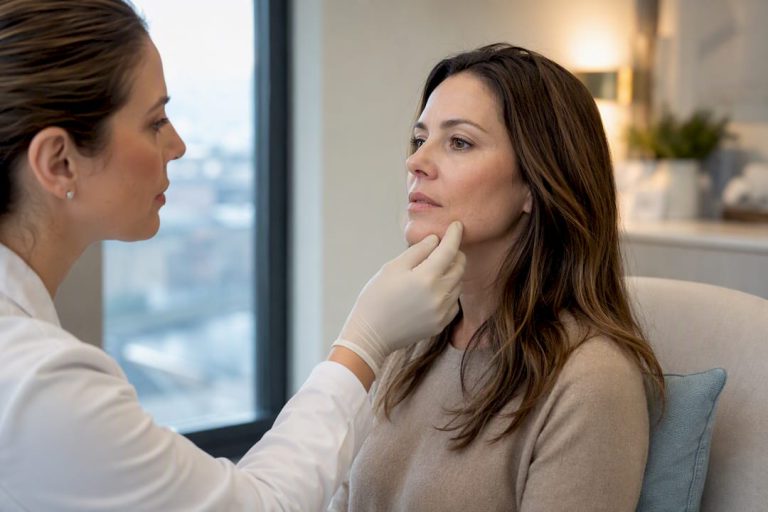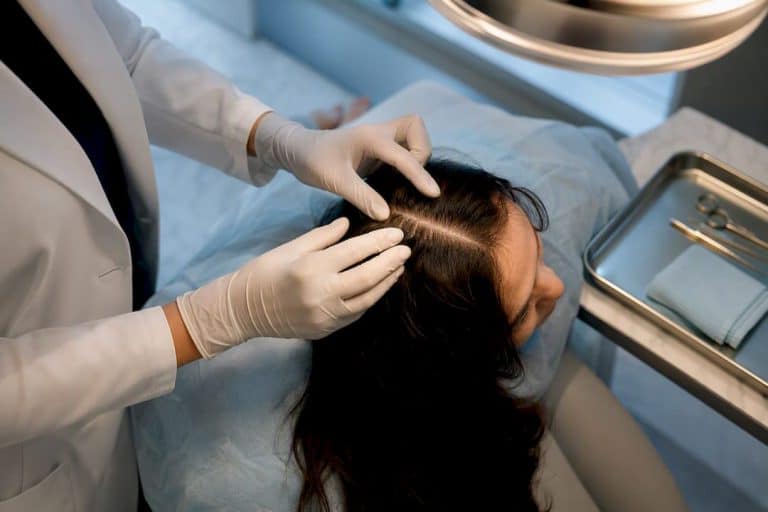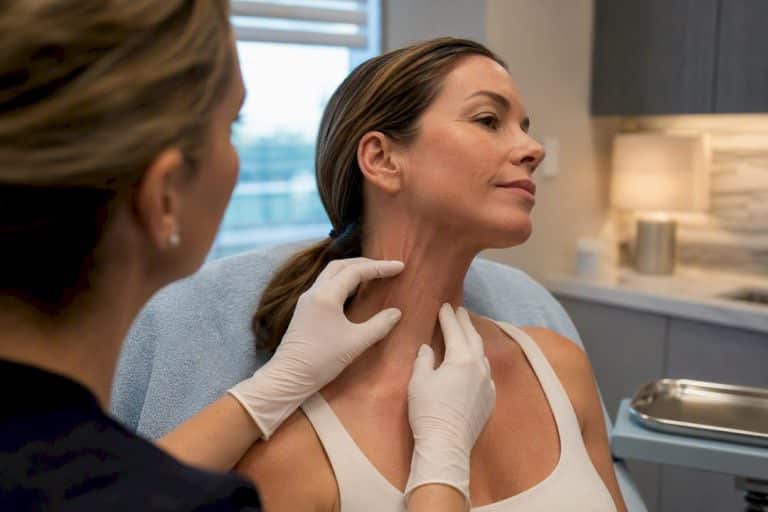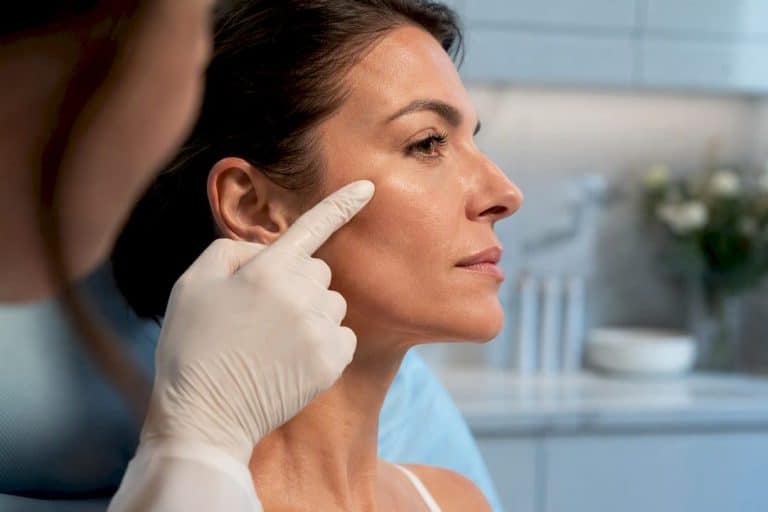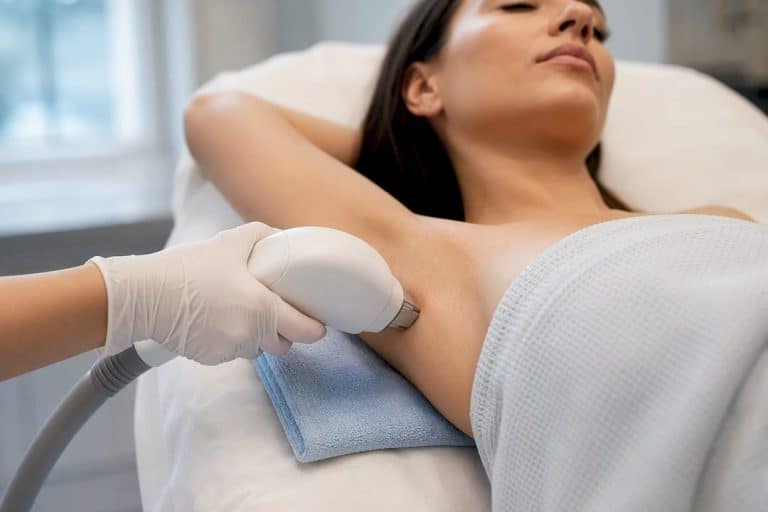

Personalized aesthetic care means selecting and sequencing treatments based on your specific skin type, facial anatomy, health history, and goals, rather than applying a standard protocol to every patient. If you are considering any cosmetic procedure, the most useful first step is to book a consultation with a licensed clinician who can assess your skin and explain what is actually appropriate for your situation. Clinics like Enriched Med Spa in Woodbridge and East Gwillimbury, Ontario, structure their entire process around this kind of individualized assessment, guided by the practice standards set out by bodies such as the Canadian Society of Aesthetic Specialty Nurses (CSASN).
Table of Contents
- What does personalized aesthetic care actually mean?
- Why clinicians tailor treatments to you
- What happens at your first consultation?
- What factors shape your treatment plan?
- What treatments are typically used, and how are they combined?
- What should you realistically expect: timelines, costs, and recovery?
- What you need to do before, during, and after treatment
- How to choose a clinic in Canada
- How Enrichedmedspa approaches personalized care
- Key takeaways
- A note on what personalization actually requires
- Personalized care at Enrichedmedspa in Woodbridge and East Gwillimbury
- Useful sources
What does personalized aesthetic care actually mean?
At its core, individualized aesthetic care is the practice of matching treatment choices to the person sitting in the chair, not to a trend or a price list. Your goals, your anatomy, your skin’s phototype, and your lifestyle all feed into a clinical decision about which treatments to recommend, in what order, and at what intensity.
The difference between a generic plan and a tailored one shows up quickly in practice. A one-size-fits-all approach might offer every new patient a standard filler package and a chemical peel. A personalized plan might determine that your skin needs barrier repair first, that a neuromodulator addresses your primary concern more effectively than volume, and that a peel should wait until your skin is stable. The sequencing alone changes the outcome.
The core benefits of a tailored approach include:
- Safer treatment selection: contraindications, medications, and skin conditions are screened before anything is recommended.
- More natural-looking results: treatments are chosen to complement your anatomy rather than impose a uniform aesthetic.
- Efficient use of your budget: you address the concerns most likely to respond, rather than working through a generic menu.
- Better long-term skin health: a sequenced plan builds on each stage rather than creating competing effects.
- Realistic goal-setting: a clinician who knows your history can tell you honestly what is achievable and over what timeframe.
Tailored plans tend to produce better outcomes for pigment and texture concerns specifically, because the treatment protocol is matched to the patient’s condition rather than applied as a standard protocol.
Why clinicians tailor treatments to you
The clinical rationale for personalization goes beyond preference. Your facial anatomy, the depth and distribution of volume loss, your skin’s Fitzpatrick phototype, and any medications you take all change what is safe and effective. A laser setting appropriate for a lighter phototype can cause post-inflammatory hyperpigmentation in a darker one. A filler placed in the wrong plane for a particular anatomy can migrate or create an unnatural result. These are not rare edge cases; they are the everyday clinical decisions that separate a well-run clinic from a reactive one.
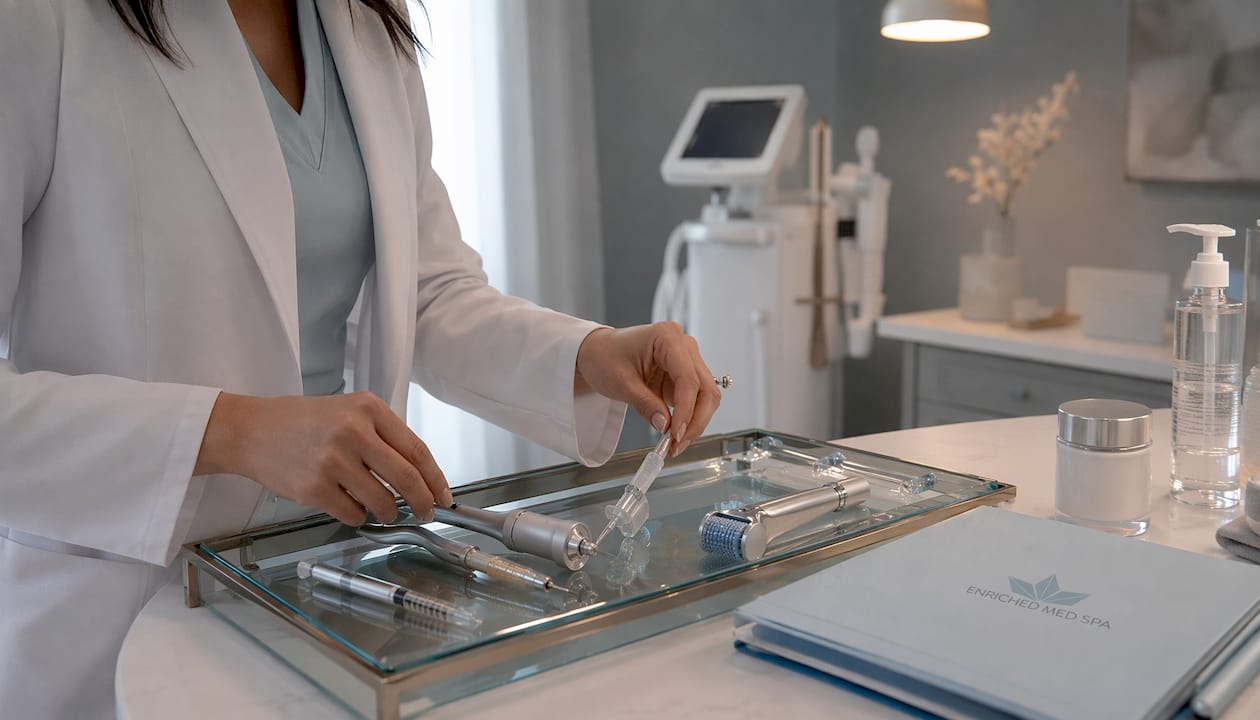
Medical history matters just as much. Certain autoimmune conditions, blood thinners, and a history of cold sores all affect which treatments are appropriate and what precautions are needed. A clinician who skips this review is not just cutting corners; they are operating outside the standard of care.
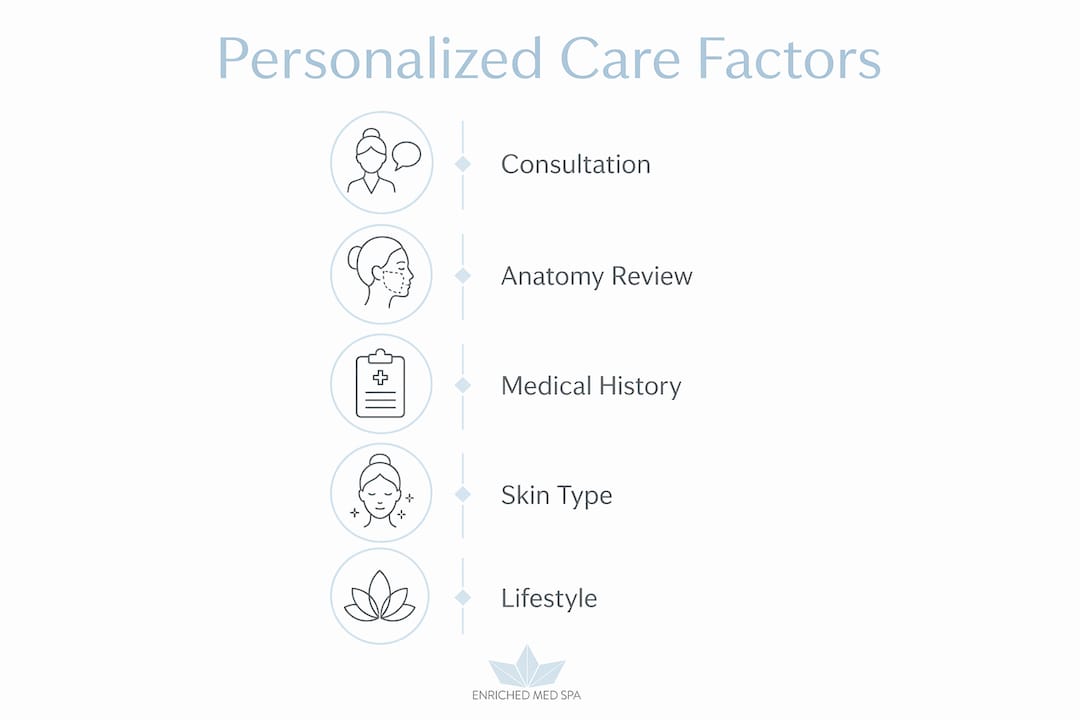
In Canada, the distinction between esthetic services and medical aesthetic services is defined in provincial practice directions. Medical aesthetic procedures such as injectables and advanced resurfacing require regulated health professionals, documented competency, and an established therapeutic relationship with an authorised prescriber. This regulatory framework exists precisely because these procedures carry real risk when performed without proper training.
Pro Tip: Ask any clinic you are considering whether their injectors work under medical oversight and whether they have documented training hours in medical aesthetics. This is a standard expectation under Canadian practice guidelines, not an unusual request.
Experienced practitioners consistently report that honest lifestyle disclosure allows them to avoid conflicting treatments and produce more durable results. Telling your clinician about your sun exposure habits, your stress levels, and your realistic maintenance budget is not optional background information; it shapes the entire plan.
What happens at your first consultation?
A well-structured initial consultation is more thorough than most people expect. You are not just describing what you want; you are giving the clinician the clinical picture they need to make safe, appropriate recommendations.
What to bring:
- A list of all current medications, supplements, and topical prescriptions
- Any previous aesthetic treatment records, including filler type and volume if known
- Reference photos of results you find natural and appealing
- Notes on your skin concerns, ranked by priority
- Your medical history, including allergies and any autoimmune or vascular conditions
What the clinician will assess:
- Skin analysis: hydration, barrier integrity, pigmentation, texture, and active conditions
- Fitzpatrick phototype to guide laser and peel parameters
- Facial anatomy: bone structure, soft tissue distribution, muscle movement, and symmetry
- Standardised clinical photography from multiple angles
- A review of your goals against what is clinically achievable
A thorough consultation also includes anatomy review, documented zones of concern, and a sequenced treatment roadmap that prioritises skin health before volume or refinement. Informed consent is part of this process, not a formality at the end. You should be walked through the risks, the realistic outcomes, and the follow-up plan before you agree to anything. Screening for body dysmorphic disorder is also part of responsible clinical practice; a good clinician will ask questions that help them understand your relationship with your appearance and whether aesthetic treatment is the appropriate path.
You can read more about what to expect at a consultation before your first appointment.
What factors shape your treatment plan?
Clinicians weigh several variables when building a plan. Understanding them helps you see why two people with similar concerns might receive very different recommendations.

Age and tissue quality: Younger skin often responds well to preventive neuromodulators and skin health treatments. Older skin may need a combination of volume restoration, collagen stimulation, and surface refinement before injectables make sense.
Skin type and phototype: Fitzpatrick phototype directly affects laser fluence, peel depth, and the risk of post-inflammatory hyperpigmentation. A plan designed for phototype II is not appropriate for phototype V.
Ethnicity and anatomy: Facial proportions, bone structure, and soft tissue distribution vary across ethnicities. A clinician who applies a single injection template regardless of anatomy will produce results that look placed rather than natural.
Health and medications: Blood thinners increase bruising risk. Certain supplements (fish oil, vitamin E, aspirin) do the same. Autoimmune conditions may contraindicate some procedures entirely.
Lifestyle and downtime tolerance: A patient who cannot take time away from work has different options than one who can plan a week of recovery. Lower-downtime options are often appropriate for busy schedules, though they may require more sessions to achieve comparable results.
Prior procedures: Previous filler placement, laser history, and scar tissue all affect what can safely be done next and in what sequence.
Expectations and budget: Realistic goal-setting is a clinical responsibility. A clinician who agrees to everything a patient asks for without discussion is not providing personalised care.
Pro Tip: One factor most patients overlook is the exit strategy. Ask your clinician: “If I decide to stop treatments in two years, what will my skin look like?” A responsible plan accounts for how your appearance will evolve if maintenance stops, not just how it will look at the six-week mark.
What treatments are typically used, and how are they combined?
Most personalized aesthetic plans draw from several treatment categories, often in a deliberate sequence. Skin health typically comes first, because a compromised barrier or active inflammation will undermine any injectable or resurfacing result.
Treatment categories:
- Medical facials and hydrating treatments: foundational skin health, barrier support, and preparation for more advanced procedures.
- Chemical peels: address pigmentation, texture, and mild laxity; depth is calibrated to phototype and concern.
- Microneedling and PRP: collagen induction for texture, scarring, and early laxity; often combined with platelet-rich plasma for enhanced tissue response.
- Laser resurfacing: CO2 and fractional lasers for deeper resurfacing, pigment correction, and significant texture improvement; requires careful phototype screening.
- Radiofrequency skin tightening: non-surgical lifting and collagen remodelling, with minimal downtime relative to laser.
- Neuromodulators (Botox, Nuceiva, Xeomin): muscle relaxation for dynamic lines; also used preventively in younger patients.
- Dermal fillers (Juvederm, Teosyal): volume restoration, contouring, and structural support; placement and product choice depend on anatomy and tissue depth.
- PRP and exosome hair restoration: scalp treatments for thinning hair, often combined with microneedling.
Common combination approaches follow a logical sequence:
- Skin health first (barrier repair, hydration, pigment correction) before any resurfacing or injectables
- Collagen stimulation (microneedling, RF) before volume placement, so the tissue foundation is stable
- Neuromodulators before fillers in areas where muscle movement affects filler longevity
- Maintenance treatments scheduled around the longevity of each modality
Sequencing skin health before injectables increases efficiency and improves long-term outcomes, because the skin’s surface and structural integrity support rather than compete with the injectable result.
Lighter treatments such as facials and superficial peels carry minimal downtime and suit patients who are new to aesthetic care or maintaining results. Advanced options like CO2 laser resurfacing or deep chemical peels deliver more significant changes but require planned recovery time and careful aftercare.
What should you realistically expect: timelines, costs, and recovery?
Results from aesthetic treatments are rarely immediate, and the timeline varies considerably by modality.
| Treatment category | Onset of visible results | Typical sessions | Follow-up / maintenance |
|---|---|---|---|
| Medical facials / hydration | Immediately to 1 week | 1–4 per year | Quarterly or as needed |
| Chemical peels | 1–2 weeks post-peel | 1–4 depending on depth | Every 4–12 weeks (series) |
| Microneedling / PRP | 4 weeks per session | 3–5 sessions | Every 6–9 months |
| Laser resurfacing (CO2) | 2–4 weeks post-recovery | 1–3 sessions | Annually or as needed |
| Radiofrequency tightening | 3 months (collagen build) | 1–3 sessions | Every 12 months |
| Neuromodulators | 3–14 days | Every 3 months | Ongoing per patient |
| Dermal fillers | Immediate (with swelling) | 1–2 sessions initially | Every 12 months |
What drives cost in Canada:
- Clinician credentials and level of medical oversight
- Geographic location and clinic overhead
- Technology and product brands used (e.g., Juvederm vs. a less established brand)
- Number of sessions required and complexity of the plan
- Whether combination treatments are packaged or priced individually
Costs for medical aesthetic treatments in Canada are not publicly regulated, so they vary widely between clinics. A single neuromodulator appointment typically costs less than a laser resurfacing session, but a full personalized plan involving multiple modalities will reflect the cumulative investment across several visits.
Recovery and aftercare considerations:
- Neuromodulators: minimal downtime; avoid lying flat and strenuous exercise for 4 hours post-treatment
- Fillers: mild swelling and bruising for 3–7 days; avoid heat, alcohol, and intense exercise for 24–48 hours
- Chemical peels: peeling and redness for 3–10 days depending on depth; strict sun avoidance required
- Laser resurfacing: redness, swelling, and crusting for 7–14 days; extended SPF and barrier care for weeks afterward
- Microneedling: redness and mild sensitivity for 24–72 hours; avoid active ingredients for several days
- RF tightening: minimal; mild redness resolving within hours
Aftercare products, SPF, and follow-up appointments are part of the ongoing cost of maintaining results. A plan that does not account for these is not a complete plan.
What you need to do before, during, and after treatment
Your role in the outcome is more significant than most patients realise. A clinician can design the best possible plan, but the results depend on what you bring to the process.
Before your appointment:
- Pause blood-thinning supplements (fish oil, vitamin E, aspirin if not medically required) at least one week prior, unless your physician advises otherwise
- Avoid significant sun exposure for two weeks before any laser or peel treatment
- Limit alcohol for 24–48 hours before injectables to reduce bruising risk
- Arrive with clean skin and no active skin infections or cold sore outbreaks
- Read your pre-treatment preparation guide and follow any clinic-specific instructions
During your appointment:
- Review and sign the informed consent document; ask questions before signing, not after
- Ask your clinician to walk you through the stepwise plan and explain why each treatment is recommended
- Disclose any changes to your health or medications since your consultation
After treatment:
- Follow the specific aftercare instructions for your procedure; they are not generic
- Protect treated skin from UV exposure consistently; SPF is non-negotiable post-resurfacing
- Watch for signs of complication: unusual swelling, asymmetry, skin colour changes, or pain beyond expected discomfort
- Contact the clinic promptly if anything concerns you; a responsible clinic will have a clear protocol for post-treatment follow-up
Pro Tip: Take photos of your own skin before each treatment, in the same lighting and angle as your clinic photos. Your perception of gradual change is unreliable; side-by-side comparisons at three and six months are far more informative than trying to remember how your skin looked.
How to choose a clinic in Canada
The quality of your outcome depends heavily on who performs your treatment and how the clinic is structured. In Canada, nursing practice guidelines require documented competency, a therapeutic relationship with an authorised prescriber, and clear follow-up obligations for medical aesthetic procedures. Not every clinic meets this standard.
Clinic checklist:
- Licensed clinicians with documented training in medical aesthetics
- Medical oversight: a physician or nurse practitioner available for prescriptions and complication management
- Clear informed consent process and documented safety screening
- Before-and-after portfolios with realistic, varied examples (not just best-case results)
- A written follow-up schedule included in the treatment plan
- Transparent pricing with no pressure to add treatments at the appointment
Questions to ask at your consultation:
- What is your training background in medical aesthetics, and how many hours of supervised practice did you complete?
- Who provides medical oversight at this clinic?
- How do you manage complications, and what is your protocol if I have a concern after I leave?
- Why are you recommending this sequence of treatments rather than another?
- What does my maintenance plan look like at 12 and 24 months?
- Can you provide a written cost breakdown for the full plan?
Red flags to watch for:
- Vague or evasive answers about credentials or medical oversight
- Pressure to book multiple treatments at the first appointment
- No documented before-and-after examples for the specific treatment you are considering
- Absence of a follow-up plan or aftercare instructions
- Upselling treatments with little clear therapeutic rationale, which provincial practice directions identify as an ethical concern
The CSASN practice standards cover continuing education, facility standards, and documentation requirements for medical aesthetic nurses across Canada. These are the baseline expectations, not aspirational ones.
How Enrichedmedspa approaches personalized care
At Enrichedmedspa, the process follows a consistent clinical pathway: consultation and assessment first, then a sequenced treatment plan, then scheduled follow-up and maintenance. No treatment is recommended without a prior clinical review.
- Initial consultation: A licensed clinician reviews your medical history, current medications, skin concerns, and goals. Standardised clinical photography is taken. Your Fitzpatrick phototype is assessed, and your facial anatomy is evaluated before any recommendation is made.
- Clinical skin analysis: Skin hydration, barrier function, pigmentation, and texture are assessed. Active conditions are identified and addressed before any resurfacing or injectable treatment begins.
- Sequenced treatment plan: Treatments are recommended in a logical order, typically skin health first, then collagen stimulation, then volume or refinement as appropriate. The plan includes realistic timelines, session numbers, and maintenance intervals.
- Informed consent and safety screening: Every patient reviews and signs a consent document that covers risks, alternatives, and expected outcomes. Screening for contraindications is documented.
- Follow-up and maintenance: A clear follow-up schedule is part of every plan. Patients are encouraged to contact the clinic with any post-treatment concerns, and maintenance appointments are planned in advance.
Services at Enrichedmedspa include cosmetic injectables (Botox, Nuceiva, Xeomin, Juvederm, Teosyal), medical-grade skin treatments (microneedling, chemical peels, CO2 laser resurfacing, radiofrequency skin tightening), laser hair removal, PRP and exosome hair restoration, and skin tag and spider vein removal. Before-and-after examples are available for review at the clinic, and pricing is discussed openly at the consultation. The clinic serves patients at its Woodbridge and East Gwillimbury, Ontario locations.
Key takeaways
Personalized aesthetic care produces safer, more natural results because every treatment decision is grounded in your specific anatomy, skin type, health history, and goals rather than a standard protocol.
| Point | Details |
|---|---|
| Definition | Personalized aesthetic care matches treatments to your anatomy, skin type, health, and goals, not a standard menu. |
| Safety depends on credentials | In Canada, medical aesthetic procedures require regulated clinicians, documented competency, and medical oversight. |
| Sequence matters | Skin health comes first; collagen stimulation before volume; neuromodulators before fillers where relevant. |
| Realistic timelines | Results range from immediate (fillers) to 3 months (RF tightening); maintenance is ongoing for all modalities. |
| Enrichedmedspa | Offers a structured consultation-to-maintenance pathway at its Woodbridge and East Gwillimbury, Ontario clinics. |
A note on what personalization actually requires
There is a version of “personalized care” that is mostly marketing: a clinic that calls every treatment plan personalized because it has your name on it. The real version is slower and less comfortable. It sometimes means a clinician tells you that what you came in asking for is not the right starting point, or that your skin needs three months of barrier repair before a laser treatment makes sense.
What I find most worth saying is this: the patients who get the best results are usually the ones who came in willing to be redirected. They disclosed everything, they followed the aftercare, and they trusted a sequenced plan over the fastest route to a visible change. The clinical framework in Canada, with its requirements for documented competency and medical oversight, exists to protect you. A clinic that operates within it is not being bureaucratic; it is doing the job properly.
Natural-looking results are not an accident. They come from a clinician who understood your face before they touched it.
Personalized care at Enrichedmedspa in Woodbridge and East Gwillimbury
Enrichedmedspa offers something that generic clinics rarely do: a structured clinical pathway where no treatment is recommended before a thorough assessment. For patients in Woodbridge and East Gwillimbury, Ontario, that means arriving at a consultation and leaving with a written plan, not a receipt for whatever was available that day.
The clinic’s services span the full range of individualized beauty care, from anti-aging injectables and dermal fillers to medical-grade facials, microneedling, CO2 laser resurfacing, and radiofrequency skin tightening. Each plan is sequenced to your skin’s actual condition and your realistic goals, with follow-up built in from the start.
To get started, book a consultation and bring your medical history, a list of current medications, and any previous treatment records. The first appointment is a clinical conversation, not a sales pitch. You can book directly through the Enrichedmedspa website.
Useful sources
- CSASN Practice Standards and Guidelines: The national framework for nurses practising in medical aesthetics in Canada, covering competency, documentation, and facility standards. Useful for understanding what regulated practice looks like.
- College of Registered Nurses of Manitoba: Practice Direction on Medical Aesthetics: Defines the distinction between esthetic and medical aesthetic services, outlines training requirements, and addresses ethical concerns including upselling. Applicable as a representative provincial standard.
- Nursing Association of New Brunswick: Medical Aesthetics Practice Guideline: Covers the therapeutic relationship, documented competency, and follow-up obligations for nurses performing medical aesthetic procedures.
- Enrichedmedspa: Understanding personalized skin care: A practical guide to how customised skin and med spa plans are structured, with examples of tailored treatment sequences.
- Enrichedmedspa: Benefits of seeing a medical aesthetician: Explains how a clinically trained provider personalises care and when to seek medical-level aesthetic services rather than esthetic ones.
This article is general information, not medical or professional advice. Confirm current guidelines and treatment suitability with a qualified clinician for your own situation.
Recommended
- Understanding personalized skin care: a practical guide
- Personalized med spa care: Your guide to better skin results
- Customized Dermal Filler Plans: What to Consider Before Committing – Botox Laser Hair Removal OxyGeneo Medi Facial Microneedling – Enriched Med Spa – Vaughan Woodbridge Maple Vellore Village