
Medical aesthetics is the clinical practice of improving appearance through non-surgical or minimally invasive procedures, and the evidence shows it directly improves confidence. A systematic review of 87 studies confirms that the majority of patients report enhanced self-esteem and quality of life following non-surgical aesthetic treatments. That is not a minor finding. It means the link between how medical aesthetics enhance confidence is not anecdotal. It is measurable, repeatable, and grounded in clinical psychology. At Enrichedmedspa, we see this play out every day with clients aged 25 to 55 who want to look like themselves, only a little more rested and at ease.
How medical aesthetics enhance confidence through psychology
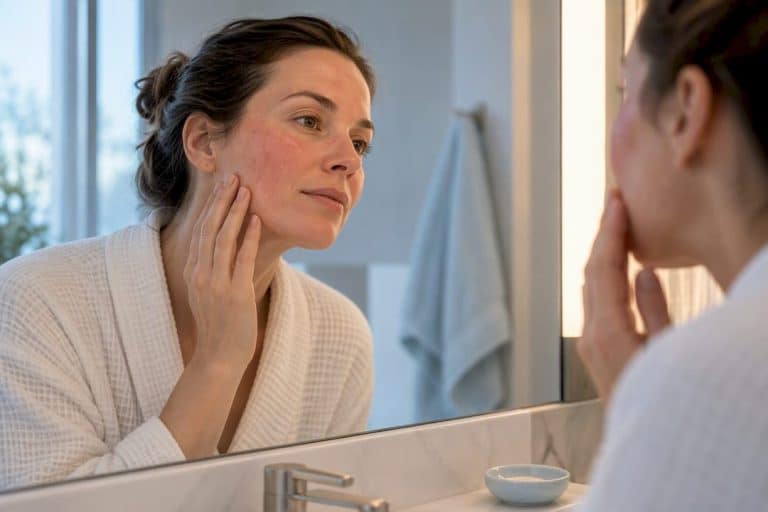
The connection between appearance and self-esteem is well established in psychological research. When your external appearance does not match how you see yourself internally, that gap creates a quiet but persistent mental burden. Aesthetic treatments reduce that burden by closing the gap between the two.
Aesthetic treatments reduce mental burden related to appearance concerns, increasing patients’ agency and willingness to engage socially and professionally. Agency matters here. When you take a deliberate step to address something that has been bothering you, you regain a sense of control over your own image. That shift in mindset often extends well beyond the treatment room.
“Alignment of external appearance with the patient’s internal self-identity is key to delivering confidence-boosting outcomes.” This principle guides every consultation at Enrichedmedspa, where the goal is never to change who you are, but to reflect who you already feel you are.
Psychologists refer to this as self-determination theory applied to body image. When people feel they have genuine agency over their appearance, their overall wellbeing improves. Aesthetic medicine, when practised responsibly, gives patients that agency in a controlled, evidence-based way.
Pro Tip: Before booking any treatment, write down one or two specific things about your appearance that affect your confidence. Bringing that clarity to your consultation helps your practitioner recommend the right approach rather than a generic one.

Which treatments are known to improve self-image without surgery?
Non-surgical aesthetic treatments cover a wide range, from injectables to skin resurfacing. Each works differently, but they share a common goal: a refreshed, natural result that feels authentic rather than altered. Patients report feeling refreshed and authentic rather than changed, which is precisely what sustains confidence gains over time.
The most commonly requested treatments at Enrichedmedspa include:
- Neuromodulators (Botox, Nucieva, Xeomin): These relax the muscles responsible for expression lines on the forehead, between the brows, and around the eyes. The goal is softer movement, not a frozen look.
- Dermal fillers (Juvederm, Teosyal): Fillers restore lost volume in areas like the cheeks, lips, and nasolabial folds. Patients receiving dermal fillers for nasolabial folds experienced a 35% improvement in social confidence after six months.
- Microneedling: This collagen-stimulating treatment improves skin texture, reduces scarring, and supports a more even skin tone over a series of sessions.
- Chemical peels: Medical-grade peels address pigmentation, fine lines, and dullness. Even minor treatments like chemical peels have measurable impacts on self-perception.
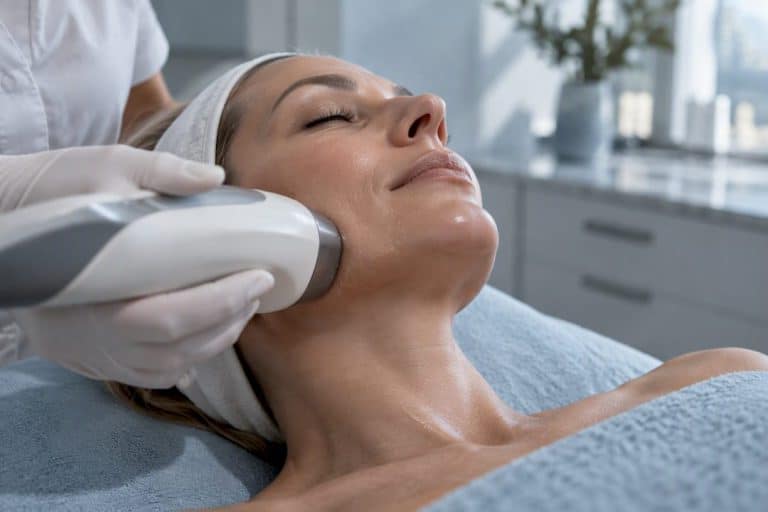
- Laser resurfacing and radiofrequency skin tightening: These target deeper skin concerns, including laxity and uneven texture, with results that build gradually over weeks.
Injectables vs. skin treatments: choosing the right category
| Treatment category | Best suited for | Timeline for results |
|---|---|---|
| Neuromodulators | Expression lines, brow lifting | 3–14 days |
| Dermal fillers | Volume loss, lip definition | Immediate, refined over 2 weeks |
| Microneedling | Texture, scarring, collagen | 3–6 sessions over months |
| Chemical peels | Pigmentation, dullness | 1–3 sessions |
| Laser resurfacing | Skin laxity, deeper lines | 4–8 weeks post-treatment |
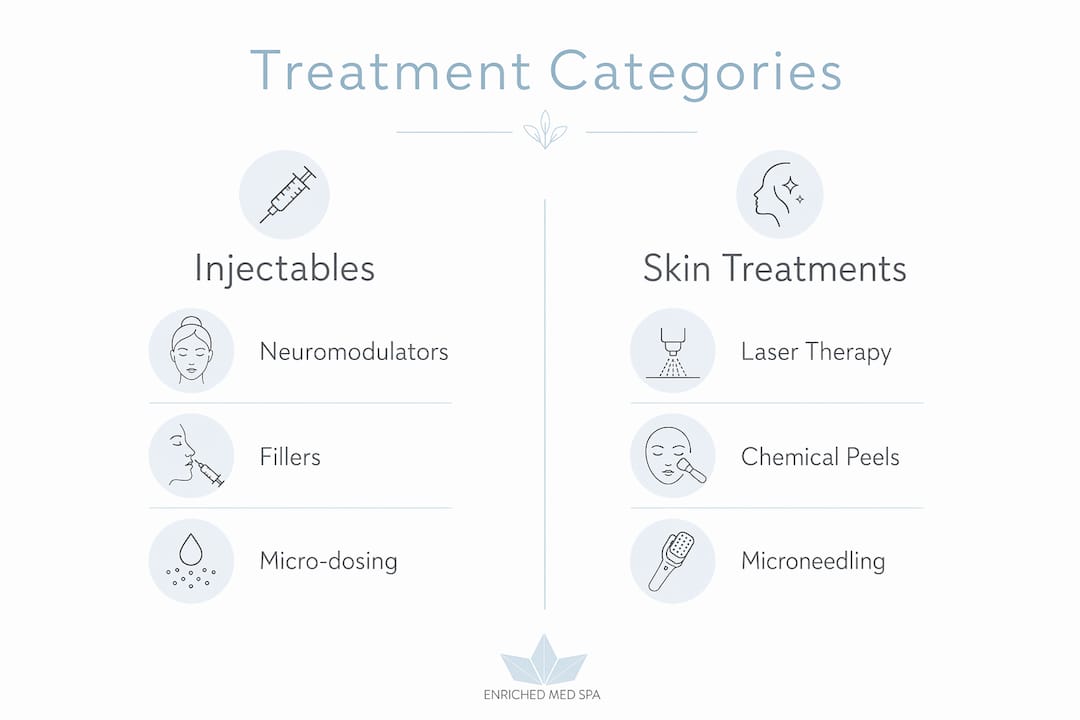
Confidence benefits are strongest when treatments align with internal self-perception, using micro-dosing techniques to preserve natural facial expressions. This is why Enrichedmedspa practitioners avoid a one-size-fits-all approach. Your anatomy, skin type, and personal goals all shape which treatment category makes the most sense.
How do aesthetic treatments support long-term confidence?
A single treatment can lift your mood for a week. A well-planned treatment programme can shift how you carry yourself for a year or more. Patients maintain statistically significant improvements in body image satisfaction, social functioning, and wellbeing at 12 months post-treatment. That longevity is what separates a thoughtful aesthetic plan from a one-off appointment.
Long-term confidence from aesthetic care depends on a few interconnected factors:
- Realistic expectations set at consultation. When you understand what a treatment can and cannot do, you are far less likely to feel disappointed. Disappointment is the single biggest confidence killer in aesthetics.
- Maintenance scheduling. Neuromodulators typically last 3–4 months. Dermal fillers can last 9–18 months depending on the product and area. Building a maintenance calendar prevents the jarring experience of results fading without a plan in place.
- Gradual, layered enhancement. Many clients at Enrichedmedspa start with one treatment and add complementary options over time. This gradual approach feels natural and avoids the psychological discomfort of dramatic change.
- Emotional readiness. Physician-led consultations prioritise emotional readiness and long-term goals to ensure psychological benefits are sustained, not just immediate.
Medical aesthetics act as catalysts for broader psychological shifts, enabling patients to feel more control over their bodies and self-image. That sense of control, maintained through a consistent care plan, is what produces lasting confidence rather than a temporary boost.
Pro Tip: Ask your practitioner to photograph your treatment areas at each visit. Seeing subtle, cumulative changes over 12 months is far more motivating than comparing yourself to a single before-and-after.
What should you consider before choosing an aesthetic treatment?
Choosing the right treatment starts with an honest conversation, not a price list. Consultation focused on emotional motivations and setting realistic expectations is critical for maximising psychological benefits. A good practitioner will ask why you want a treatment, not just what you want done.
Before committing to any procedure, consider the following:
- Your specific concern. Is it a dynamic line that appears when you smile, or a static line that is visible at rest? The answer determines whether a neuromodulator or a filler is more appropriate. Enrichedmedspa’s guide on Botox vs. fillers breaks this down clearly.
- Your lifestyle and recovery tolerance. Laser resurfacing requires downtime. Chemical peels may cause temporary redness. Injectables have minimal recovery but carry a small risk of bruising. Match the treatment to your schedule.
- Your anatomy. Facial structure, skin thickness, and muscle movement all affect how a treatment performs. This is why practitioner skill and anatomical knowledge matter as much as the product used.
- Your emotional state. Aesthetic treatments work best when you are seeking enhancement, not validation from others. If your confidence depends entirely on external approval, a treatment alone will not resolve that.
- Over-treatment risk. The most common regret in aesthetics is doing too much too soon. Start conservatively. You can always add more at a follow-up; you cannot easily undo excess filler or a frozen appearance.
Many clients come in noticing early signs of ageing or tired-looking skin and are unsure where to start. That uncertainty is completely normal. The role of a skilled practitioner is to guide you toward the option that addresses your concern with the least intervention necessary.
Key takeaways
Medical aesthetics improve confidence most reliably when treatments align with your internal self-image, are supported by realistic expectations, and are maintained through a consistent, personalised care plan.
| Point | Details |
|---|---|
| Psychology drives outcomes | Closing the gap between inner self-image and outer appearance reduces mental burden and builds confidence. |
| Evidence supports the link | A review of 87 studies confirms most patients report improved self-esteem after non-surgical treatments. |
| Treatment choice matters | Neuromodulators, fillers, and skin therapies each serve different concerns and timelines. |
| Long-term planning sustains results | Improvements in body image and social functioning hold at 12 months with proper maintenance. |
| Consultation is the foundation | Emotional readiness and realistic expectations set at consultation determine whether confidence gains last. |
What I have learned from watching patients reclaim their confidence
I have spent years observing how people respond to aesthetic treatments, and the pattern that stands out most is not the physical change. It is the shift in posture. Clients who come in avoiding eye contact often leave standing a little taller, not because their face looks dramatically different, but because something that was quietly bothering them has been addressed.
What surprises most people is how small the change actually needs to be. A subtle softening of a frown line, a touch of volume restored to hollowed cheeks, or a single round of microneedling for long-standing acne scarring. These are not dramatic interventions. But they remove the mental noise that comes from fixating on a feature you wish looked different. Once that noise quiets, people tend to show up differently in their lives.
The treatments I find most meaningful are the ones where the patient says, “I just look like me again.” That is the goal. Not a new face. Not a younger face. Just a version of your own face that matches how you feel on the inside. When enhancing self-image with treatments is approached with that intention, the confidence gains are real and they last.
My honest advice: be sceptical of any practitioner who recommends multiple treatments at your first appointment without asking about your goals and emotional readiness. The best outcomes come from a measured, patient-centred approach. Start with one thing. See how it makes you feel. Build from there.
— Felix
Enrichedmedspa’s approach to confidence-centred aesthetic care
Enrichedmedspa serves clients in Woodbridge and East Gwillimbury, Ontario, with a clinical approach that puts your goals and comfort first. Every consultation begins with a conversation about what matters to you, not a menu of procedures. Whether you are curious about neuromodulators for expression lines, dermal fillers for volume loss, or skin treatments like microneedling and chemical peels, the team will walk you through realistic outcomes and timelines. For clients who want to understand how injectables work with their specific facial anatomy, Enrichedmedspa’s patient guide to injectables is a practical starting point. Personalised care, natural results, and honest guidance are what we offer at every visit.
FAQ
What is medical aesthetics and how does it build confidence?
Medical aesthetics refers to non-surgical or minimally invasive procedures that improve appearance, such as injectables, laser treatments, and skin therapies. These treatments build confidence by aligning your external appearance with how you perceive yourself internally, reducing the mental burden of appearance-related concerns.
How long do confidence improvements last after aesthetic treatments?
Research shows patients maintain statistically significant improvements in body image satisfaction and social functioning at 12 months post-treatment. Sustained results depend on appropriate maintenance scheduling and realistic expectations set at the initial consultation.
Are non-surgical treatments effective for improving self-esteem?
A systematic review of 87 peer-reviewed studies confirms that the majority of patients report enhanced self-esteem and quality of life following non-surgical aesthetic treatments. Even lighter options like chemical peels and skin boosters produce measurable improvements in self-perception.
How do I know which treatment is right for my confidence goals?
The right treatment depends on your specific concern, anatomy, lifestyle, and emotional readiness. A consultation with a qualified practitioner at a clinic like Enrichedmedspa will help you identify the most appropriate option and set realistic expectations for results.
Can aesthetic treatments cause unrealistic expectations about appearance?
They can, if the consultation does not address emotional motivations and set clear boundaries. Treatments work best when the goal is authentic enhancement rather than dramatic change. Starting conservatively and building gradually reduces the risk of dissatisfaction or over-treatment.