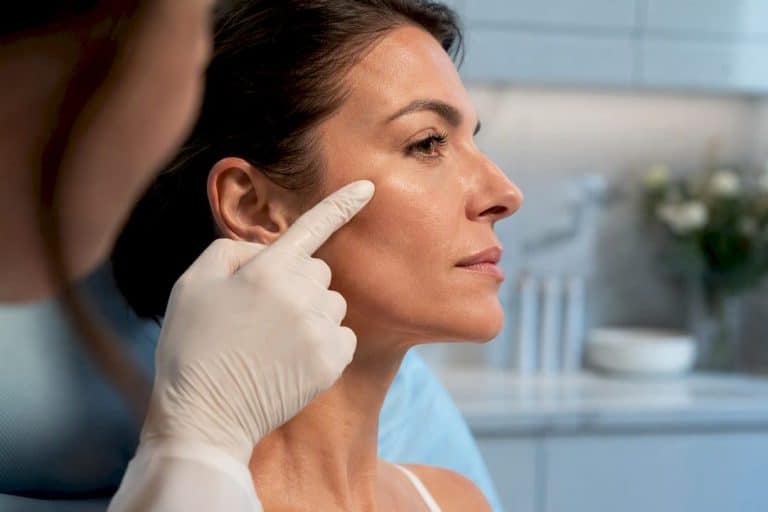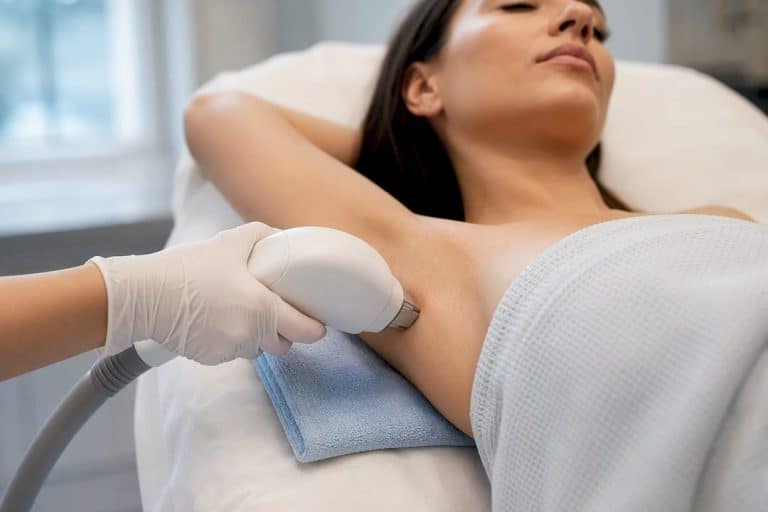

Microneedling is one of the most effective non-surgical treatments for improving skin texture, reducing scarring, and stimulating collagen. But the outcome depends just as much on what you do before and after the procedure as on the treatment itself. Following a thorough microneedling checklist is how you protect your skin, reduce the risk of complications, and actually see the results you came for. Many clients arrive well-intentioned but underprepared, skipping steps that matter more than they realise. This guide walks you through everything, from safety screening to post-treatment recovery, so you can approach your appointment with confidence.
Table of Contents
- Key takeaways
- 1. Your microneedling checklist starts with safety screening
- 2. Choose a qualified provider and a safe device
- 3. Timing your pre-treatment skincare adjustments
- 4. Post-microneedling care: step-by-step healing checklist
- 5. Common mistakes that compromise your results
- 6. Your complete before, during, and after microneedling checklist
- My perspective on what actually makes the difference
- Ready to take the next step with professional microneedling?
- FAQ
Key takeaways
| Point | Details |
|---|---|
| Screen for contraindications early | Disclose all medications and medical history to your provider before booking. |
| Stop actives 3 to 7 days prior | Retinoids, exfoliants, and vitamin C should be paused well before your appointment. |
| Protect skin from sun post-treatment | Mineral SPF applied from day 2 and reapplied every two hours outdoors for two weeks. |
| Less is more for aftercare products | Stick to gentle, fragrance-free moisturiser for the first 72 hours after treatment. |
| Collagen takes time | Expect gradual improvement over weeks and months, not overnight transformation. |
1. Your microneedling checklist starts with safety screening
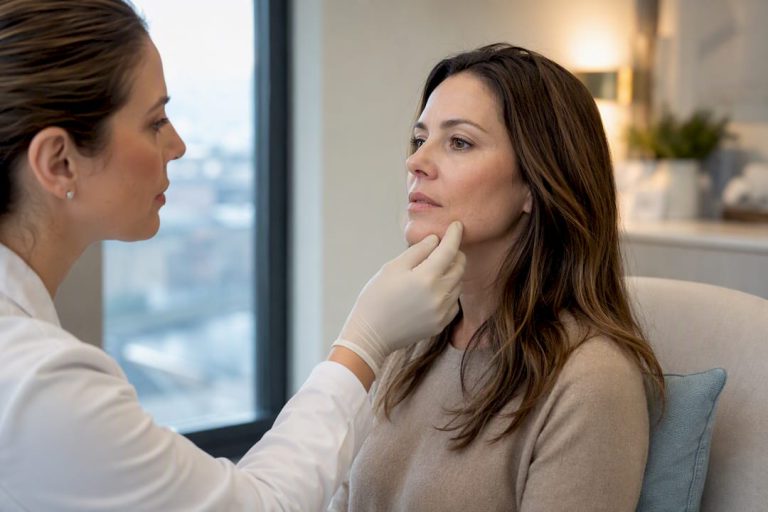
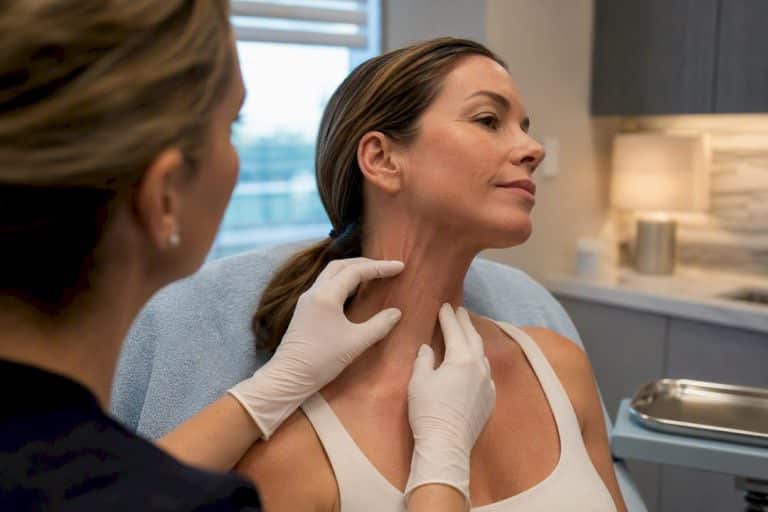
Before anything else, you need to confirm that microneedling is appropriate for your skin and health status. This is not a formality. Skipping this step is where complications begin.
Certain conditions make microneedling unsafe. Oral isotretinoin use within the previous 6 to 12 months is an absolute contraindication because it impairs wound healing and significantly raises the risk of scarring. Active skin infections, open wounds, eczema, or rosacea flare-ups in the treatment area also rule out the procedure until fully resolved.
Other conditions require a conversation with your provider rather than an automatic no. Blood-thinning medications, autoimmune disorders, and a history of keloid scarring all need to be disclosed so your provider can make an informed decision with you. One often-missed risk: microneedling can reactivate herpes simplex even in people without a recent outbreak, so if you have a history of cold sores, ask your provider about antiviral prophylaxis starting 24 hours before your session.
- Confirm no active skin infections or inflammatory skin conditions in the treatment zone
- Disclose all prescription medications, especially blood thinners and immunosuppressants
- Disclose history of keloid or hypertrophic scarring
- Confirm no oral isotretinoin use within the past 6 to 12 months
- Disclose history of cold sores or herpes simplex outbreaks
- Confirm no recent aggressive treatments such as laser resurfacing or deep chemical peels in the same area
Pro Tip: Bring a list of every supplement and medication you take to your consultation, including natural health products. Many people forget that fish oil, vitamin E, and aspirin all have blood-thinning effects.
2. Choose a qualified provider and a safe device
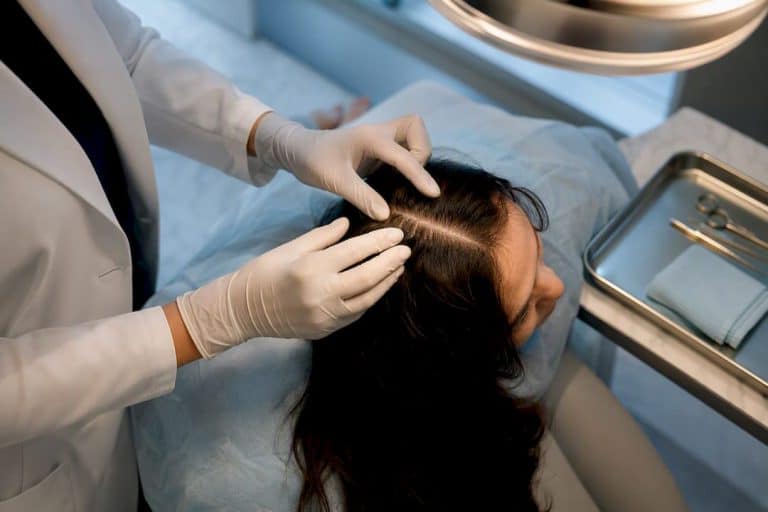
Not all microneedling treatments carry the same level of risk, and the device and operator make a significant difference. The FDA has issued safety communications on RF microneedling noting risks including burns and permanent scarring when treatments are performed by inadequately trained operators. This applies to radiofrequency microneedling in particular, but the principle holds for all microneedling: training and device quality are non-negotiable.
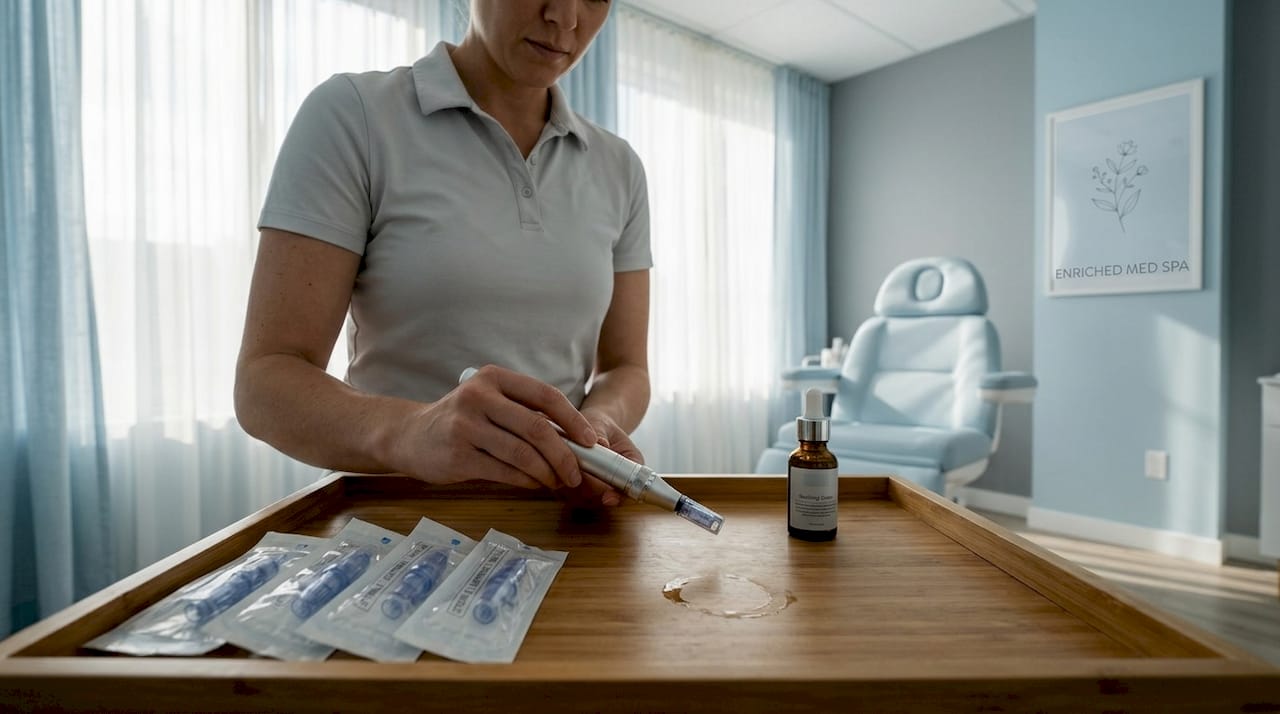
Ask whether the clinic uses an FDA-cleared device. Ask who will perform the treatment and what their credentials are. Single-use, sterile needle cartridges are required at every session. Reusing cartridges dulls the needles, causes unnecessary trauma to the skin, and introduces infection risk. A reputable clinic will not hesitate to answer these questions clearly.
You can learn more about what separates professional-grade equipment from lower-quality options in this guide to microneedling device features.
3. Timing your pre-treatment skincare adjustments
This is one of the most commonly missed parts of microneedling preparation tips, and it can genuinely affect both your results and your comfort on the day.
- Stop retinoids and vitamin A products 5 to 7 days before your appointment. These accelerate cell turnover and thin the skin’s surface, which increases sensitivity and risk of irritation during treatment.
- Stop chemical exfoliants (AHAs, BHAs, and enzymes) 3 to 5 days before. Stopping retinoids and exfoliants 3 to 7 days prior significantly reduces the risk of adverse effects.
- Stop vitamin C serums 3 days before. In high concentrations, vitamin C can cause stinging on freshly treated skin.
- Stop benzoyl peroxide and salicylic acid treatments 3 days before, as they compromise the skin barrier.
- Pause blood-thinning supplements (fish oil, vitamin E, ginkgo, aspirin where not medically essential) 48 to 72 hours before, with your physician’s approval.
- Avoid new skincare products in the two weeks leading up to your treatment. If you react to something new, your appointment may need to be delayed.
- Avoid sunburn and tanning in the 2 weeks prior. Treating compromised or recently tanned skin raises the risk of hyperpigmentation.
Switch your routine to a gentle, hydrating cleanser, a fragrance-free moisturiser, and a broad-spectrum mineral SPF in the days leading up to treatment. Your skin needs to arrive at the appointment in its calmest, most intact state.
Pro Tip: Mark product-stop dates on your calendar the moment you book your appointment. It is easy to forget when you are in the middle of your usual routine.
4. Post-microneedling care: step-by-step healing checklist
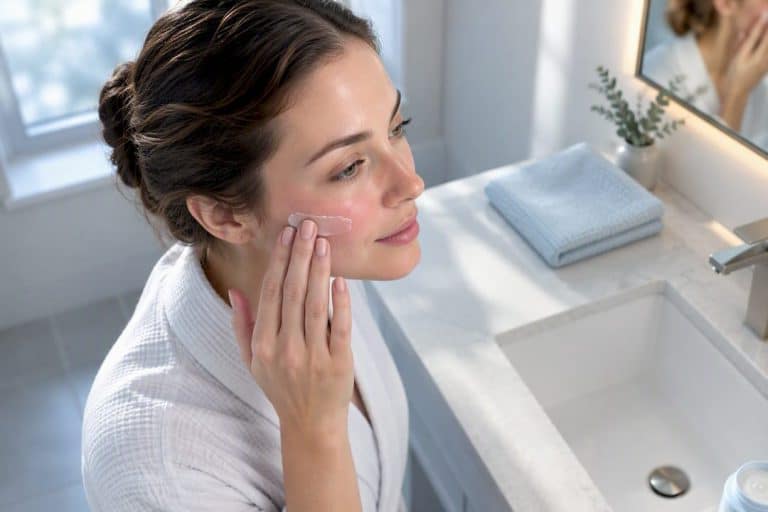
Following a solid microneedling aftercare guide is where most of the real work happens. Protecting the skin barrier, minimising contamination, and avoiding inflammation are the foundations of optimal recovery. Here is how that breaks down day by day.
First 6 hours
- Do not touch your face
- Do not wash the treated area unless advised differently by your provider
- Apply only the barrier-repair product your provider recommends (often hyaluronic acid or a recovery serum)
- Stay out of the sun entirely
Days 1 to 3
- Cleanse gently with a mild, non-foaming cleanser using cool or lukewarm water. Avoid hot water entirely.
- No active ingredients: retinoids, AHAs, BHAs, and vitamin C are all off limits for at least 3 to 7 days post-treatment
- Begin using a mineral SPF from day 2 or 3 and reapply every two hours when outdoors
- Avoid exercise, saunas, steam rooms, and swimming pools. Exercise and sweating should be avoided for at least 48 to 72 hours to prevent inflammation and contamination through open microchannels.
- Sleep with your head slightly elevated, and use a clean silk or satin pillowcase to reduce friction
Days 4 to 14
- Continue mineral SPF daily and reapply consistently when outdoors
- Introduce one product at a time if adding anything back into your routine
- Avoid physical sun exposure as much as possible, even on cloudy days
| Recovery phase | What to do | What to avoid |
|---|---|---|
| 0 to 6 hours | Apply barrier-repair product, rest skin | Touching, washing, sun exposure |
| Days 1 to 3 | Gentle cleanse, mineral SPF from day 2 | Actives, exercise, heat, pools |
| Days 4 to 7 | Continue gentle care, reintroduce hydrators | New products, heavy serums |
| Days 7 to 14 | Resume SPF rigorously, gradual routine return | Aggressive exfoliation, tanning |
Pro Tip: Overloading your skin with serums in the days after treatment is one of the most common mistakes. Your skin is temporarily more permeable, which means ingredients absorb more deeply. Fragrance-free hydration only for the first 72 hours.
5. Common mistakes that compromise your results
Even clients who have done their research make avoidable errors. Here is where good intentions often go sideways.
Misunderstanding the timing for actives. Many people think stopping retinoids the night before is sufficient. It is not. The skin needs several days to fully recover its barrier after these ingredients.
Assuming at-home devices are equivalent to clinic treatments. If you are exploring home microneedling options, understand that the protocols differ significantly from professional treatments. Needle depths, sterilisation, and contraindications all apply differently in the at-home context.
Underestimating post-treatment sun vulnerability. Treated skin is significantly more susceptible to UV-induced hyperpigmentation. Physical shade and mineral SPF are not optional for two weeks post-treatment.
| Mistake | Why it matters | What to do instead |
|---|---|---|
| Stopping actives too late | Increases sensitivity and irritation risk | Stop retinoids 5 to 7 days prior |
| Reusing or sharing devices | Infection risk and needle trauma | Confirm single-use sterile cartridges at every session |
| Skipping SPF post-treatment | High risk of post-inflammatory hyperpigmentation | Mineral SPF daily from day 2, reapply every 2 hours |
| Layering multiple serums after treatment | Can cause irritation and inflammation | Use fragrance-free moisturiser only for 72 hours |
| Failing to disclose medications | Provider cannot accurately assess risk | List all medications and supplements before booking |
6. Your complete before, during, and after microneedling checklist
Use this as your reference point from booking to recovery.
Before your appointment
- Complete a full consultation and disclose all medications, supplements, and medical history
- Confirm the clinic uses an FDA-cleared device and trained professionals
- Confirm single-use sterile cartridges will be used
- Stop retinoids and vitamin A products 5 to 7 days before
- Stop AHAs, BHAs, and vitamin C serums 3 to 5 days before
- Stop blood-thinning supplements 48 to 72 hours before with physician approval
- Avoid sunburn and tanning in the 2 weeks prior
- Arrive with clean, product-free skin on the day of treatment
Day of treatment
9. Arrive with no makeup, SPF, or active products on the skin
10. Ask your provider about numbing cream if concerned about discomfort. Note that numbing cream may slightly reduce the collagen-triggering response but is generally considered worthwhile for comfort.
11. Confirm post-treatment instructions with your provider before leaving the clinic
After treatment
12. Follow the day-by-day aftercare protocol described in this article
13. Note any unusual symptoms (prolonged swelling, pus, fever) and contact your provider promptly
14. Track your skin’s progress in photos, keeping in mind that collagen remodelling occurs gradually over weeks and months
15. Book your next session 4 to 6 weeks later. Most providers recommend 3 to 6 sessions spaced at that interval for meaningful results.
My perspective on what actually makes the difference
I’ve worked alongside clients navigating aesthetic treatments for years, and what I’ve come to believe is this: the checklist items that seem minor are almost always the ones that matter most.
The clean pillowcase. Not touching your face in the first six hours. Actually stopping retinoids five days out instead of two. These are not arbitrary rules. They are the difference between a smooth recovery and an inflamed, frustrated one.
What I’ve also noticed is that people who rush the results tend to undo their progress. They layer actives back in too soon, or they get back to intense workouts before the microchannels have closed. Collagen remodelling is a slow biological process. Respecting that timeline is not passive. It is part of the treatment.
The other thing I always encourage is real, honest communication with your provider. If you are on a medication you forgot to mention, or you had a chemical peel two weeks ago, say so. No good practitioner will judge you. They will adjust. That kind of open dialogue is where safe, effective microneedling preparation actually begins.
— Felix
Ready to take the next step with professional microneedling?
At Enrichedmedspa, we take every aspect of your microneedling experience seriously, from the initial consultation and safety screening to the FDA-cleared devices we use and the post-treatment guidance we provide at every visit. Our team of trained professionals uses single-use sterile cartridges at every session and takes the time to walk you through your personalised care plan before you leave the clinic.
If you are exploring microneedling alongside other treatments, we also offer Botox and dermal fillers for clients looking at a more complete approach to skin rejuvenation. Not sure where to start? Our skin treatment options overview can help you understand what each treatment does and which combination suits your goals. We would love to support your skin health at every stage.
FAQ
How many days before microneedling should I stop retinoids?
Stop retinoids and vitamin A products 5 to 7 days before your appointment. Stopping exfoliants such as AHAs and BHAs 3 to 5 days prior is also recommended to reduce sensitivity and protect your skin barrier.
What should I avoid after microneedling?
Avoid active skincare ingredients (retinoids, AHAs, BHAs, vitamin C) for at least 3 to 7 days post-treatment, along with exercise, saunas, swimming, and direct sun exposure for 48 to 72 hours. Mineral SPF is required from day 2 onward.
How soon can I see results from microneedling?
Results from microneedling appear gradually over several weeks as collagen remodelling progresses. Most clients notice meaningful improvement after a series of 3 to 6 sessions spaced 4 to 6 weeks apart.
Who should not get microneedling?
People with active skin infections, recent oral isotretinoin use within 6 to 12 months, certain autoimmune conditions, or a history of keloid scarring may not be suitable candidates. A full consultation with a trained provider is the only way to assess your individual eligibility.
Is it safe to do microneedling at home?
At-home microneedling devices operate at shallower depths and carry different risk profiles than professional treatments. Contraindications, sterilisation standards, and aftercare protocols still apply. Consult a professional before attempting at-home treatments, especially if you have any existing skin conditions.
Recommended
- The Ultimate Buyer’s Guide to Home Microneedling Kits – Botox Laser Hair Removal OxyGeneo Medi Facial Microneedling – Enriched Med Spa – Vaughan Woodbridge Maple Vellore Village
- Microneedling: how it revives skin safely and effectively
- Preparing For Microneedling Anti-ageing Treatment
- 10 Amazing Benefits of Microneedling – Enriched Med Spa