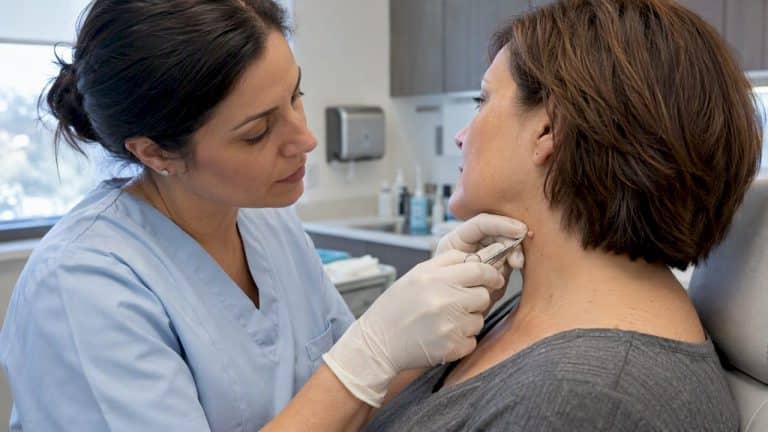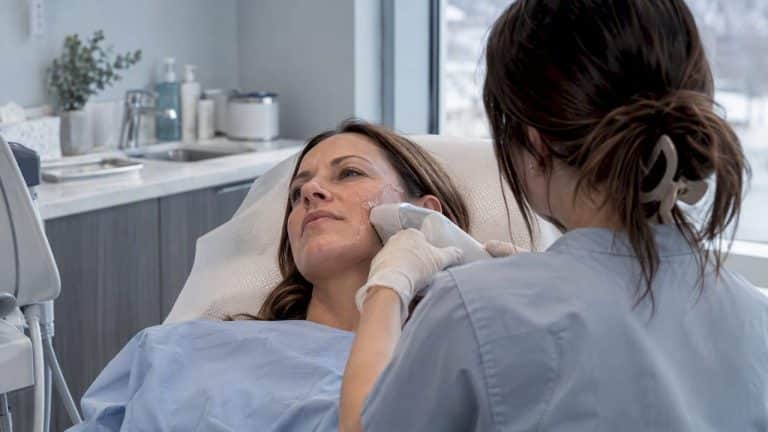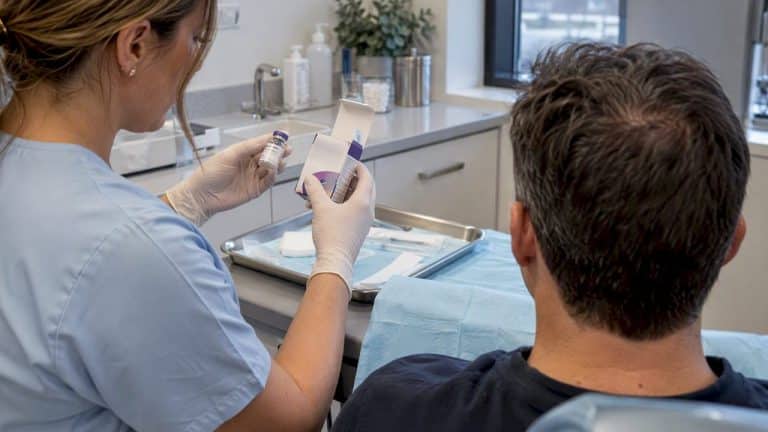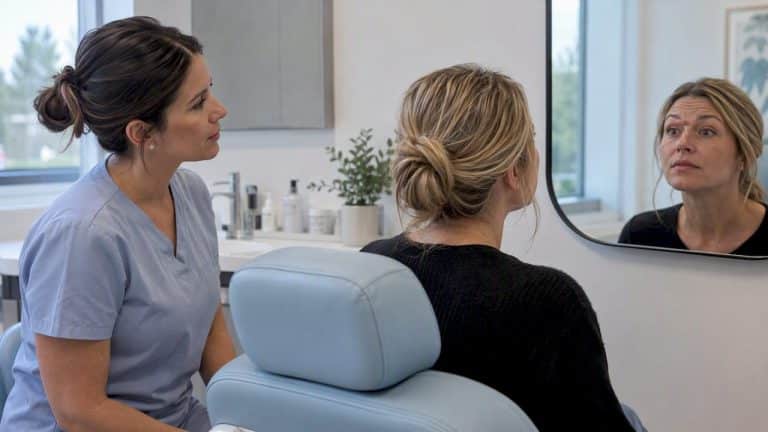

You’ve just walked out of your appointment feeling excited, but now you’re staring at a slightly swollen lip or a small bruise near your cheek and wondering if everything is going the way it should. That moment of uncertainty is completely normal, and you’re not alone. Most people in Woodbridge and East Gwillimbury who choose dermal fillers have the same questions: what’s normal, what’s not, and what can you do right now to make sure your results turn out beautifully? This article walks you through everything you need to know, from the first 24 hours to longer-term care.
Table of Contents
- What to expect after your dermal fillers
- Essential steps for optimal dermal filler recovery
- Tools, supplies, and local support for recovery
- Complications, common mistakes, and when to seek help
- Aesthetic nurse’s perspective: What truly matters for filler recovery
- Enhance your recovery with expert guidance from local clinics
- Frequently asked questions
Key Takeaways
| Point | Details |
|---|---|
| Know what to expect | Mild swelling and bruising are normal after dermal fillers and usually resolve within a few days. |
| Follow clear aftercare steps | Avoid exercise, alcohol, and blood thinners for 24-48 hours for the best recovery. |
| Be ready with supplies | Having ice packs, gentle cleansers, and hydration tools enhances comfort during healing. |
| Recognise red flags | Severe pain, fever, and persistent lumps mean you should contact your provider right away. |
| Trust local experts | Experienced clinics in Woodbridge and East Gwillimbury offer invaluable post-procedure support. |
What to expect after your dermal fillers
Now that you know what you’ll learn, let’s start by setting expectations for what comes after your dermal filler appointment.
The good news is that most side effects after dermal fillers are mild and temporary. Swelling and bruising are the most common reactions, and they typically settle within a few days. Your skin is responding to the injection itself, not necessarily to the filler product, so a little tenderness and redness at the injection site is completely expected.
Here’s a quick look at what’s typical versus what warrants a call to your provider:
| Symptom | Typical? | Timeframe | Action needed |
|---|---|---|---|
| Mild swelling | Yes | 2 to 4 days | Cold compress, rest |
| Light bruising | Yes | 5 to 7 days | Arnica gel, patience |
| Redness at injection site | Yes | 24 to 48 hours | Monitor |
| Tenderness to touch | Yes | 2 to 3 days | Gentle handling |
| Severe or worsening pain | No | Any time | Contact provider immediately |
| Skin pallor or coldness | No | Any time | Emergency: vascular concern |
| Fever or spreading redness | No | Any time | Contact provider immediately |
| Persistent hard lumps | No | After 2 weeks | Book a follow-up |
Understanding what to expect after lip fillers specifically can also help you feel more confident in the days following your treatment, since lip tissue tends to swell more noticeably than other areas.
Normal side effects to watch for:
- Swelling that peaks at 24 to 48 hours and gradually reduces
- Light bruising that shifts colour from purple to yellow as it heals
- Minor asymmetry in the first few days as swelling settles unevenly
- A feeling of firmness or fullness at the treated area
Red flags that require prompt attention:
- Skin turning white, blue, or mottled (this could indicate a vascular occlusion)
- Severe, escalating pain that doesn’t respond to over-the-counter relief
- Fever, chills, or spreading warmth and redness suggesting infection
- Persistent lumps or nodules that remain after two weeks
“Contact your provider immediately for signs of vascular occlusion, including pallor, severe pain, or coldness at the treatment site, as well as signs of infection such as fever or increasing redness, or for persistent lumps that do not resolve on their own.”
Vascular occlusion is rare, but it is the most serious potential complication of dermal fillers. It occurs when filler inadvertently compresses or enters a blood vessel, restricting blood flow to the surrounding tissue. Recognising the signs early and contacting your clinic without delay is the most important thing you can do.
Essential steps for optimal dermal filler recovery
Understanding what’s normal is important, but proactive aftercare is what truly determines your results.
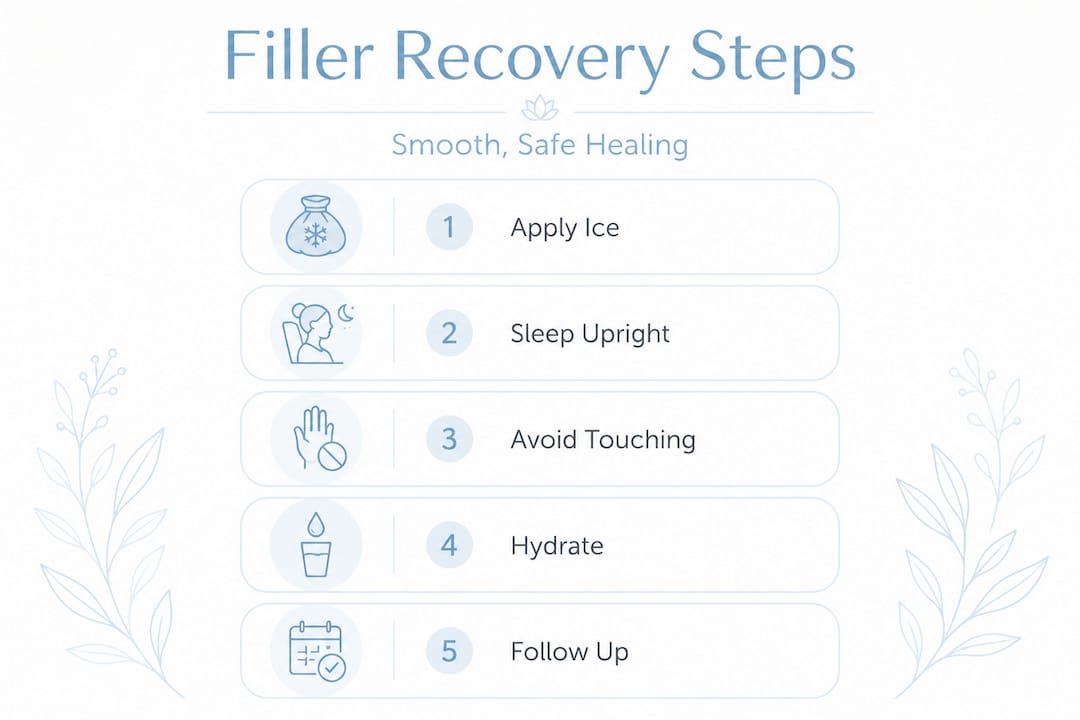
The first 48 hours after your appointment are the most critical window for recovery. What you do, and what you avoid, during this period has a direct impact on how quickly swelling resolves and how well your filler settles into place. Here is a step-by-step guide for those early days:
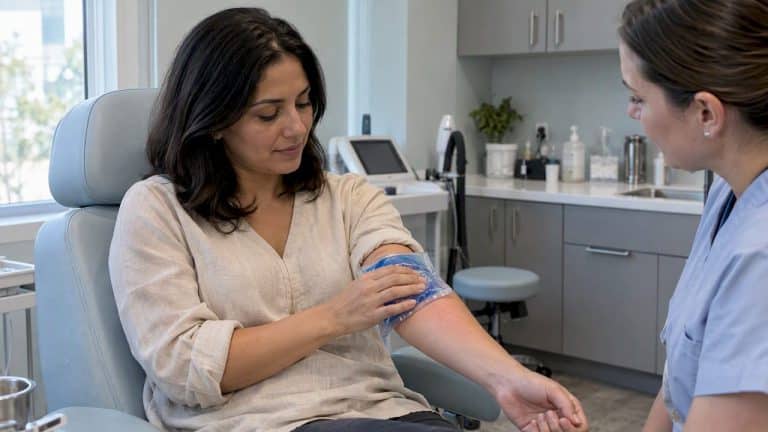
- Apply a cold compress to the treated area for 10 minutes at a time during the first 24 hours. Wrap ice in a clean cloth rather than applying it directly to your skin to avoid irritation.
- Keep your head elevated when resting or sleeping. Lying flat can increase fluid pooling and worsen swelling overnight.
- Stay well hydrated. Hyaluronic acid fillers, such as Juvederm and Teosyal, actually attract and bind water molecules in the tissue, so drinking plenty of water supports the filler’s integration and your overall recovery.
- Cleanse gently using a mild, non-comedogenic cleanser. Avoid rubbing or massaging the treated area unless your provider has specifically instructed you to do so.
- Skip makeup for at least 24 hours after treatment. Applying products to freshly injected skin introduces bacteria and increases the risk of irritation or infection.
- Avoid touching or pressing on the treated area. Your filler needs time to settle, and repeated pressure can shift its placement.
Avoiding strenuous exercise, heat exposure from saunas or hot yoga, alcohol consumption, and blood-thinning medications for 24 to 48 hours is strongly recommended to minimise bruising and swelling. Alcohol dilates blood vessels and thins the blood, which can make bruising significantly worse. Hot environments have a similar effect.
Do’s during recovery:
- Use broad-spectrum SPF 30 or higher daily, starting the day after treatment
- Take Tylenol (acetaminophen) for discomfort rather than ibuprofen or aspirin
- Follow your clinic’s specific aftercare instructions precisely
- Attend your follow-up appointment as scheduled
Don’ts during recovery:
- No hot showers, saunas, steam rooms, or hot yoga for 48 hours
- No alcohol for at least 24 hours
- No vigorous exercise for 24 to 48 hours
- No blood-thinning supplements like fish oil, vitamin E, or aspirin unless medically necessary
Pro Tip: Keep a gel ice pack in the freezer before your appointment so it’s ready the moment you get home. Applying it within the first hour can noticeably reduce how much swelling develops.
The American Society of Plastic Surgeons recommends taking an antihistamine like Zyrtec before treatment and using ice for comfort immediately after. Long-term, consistent sun protection and proper hydration are among the most effective ways to extend your filler results and keep your skin looking its best between appointments.
For those dealing with noticeable puffiness, learning how to reduce swelling after fillers with targeted strategies can make a real difference in your comfort and confidence during recovery.
Tools, supplies, and local support for recovery
With a plan in place, you’ll want the right supplies on hand and reliable support as you heal.
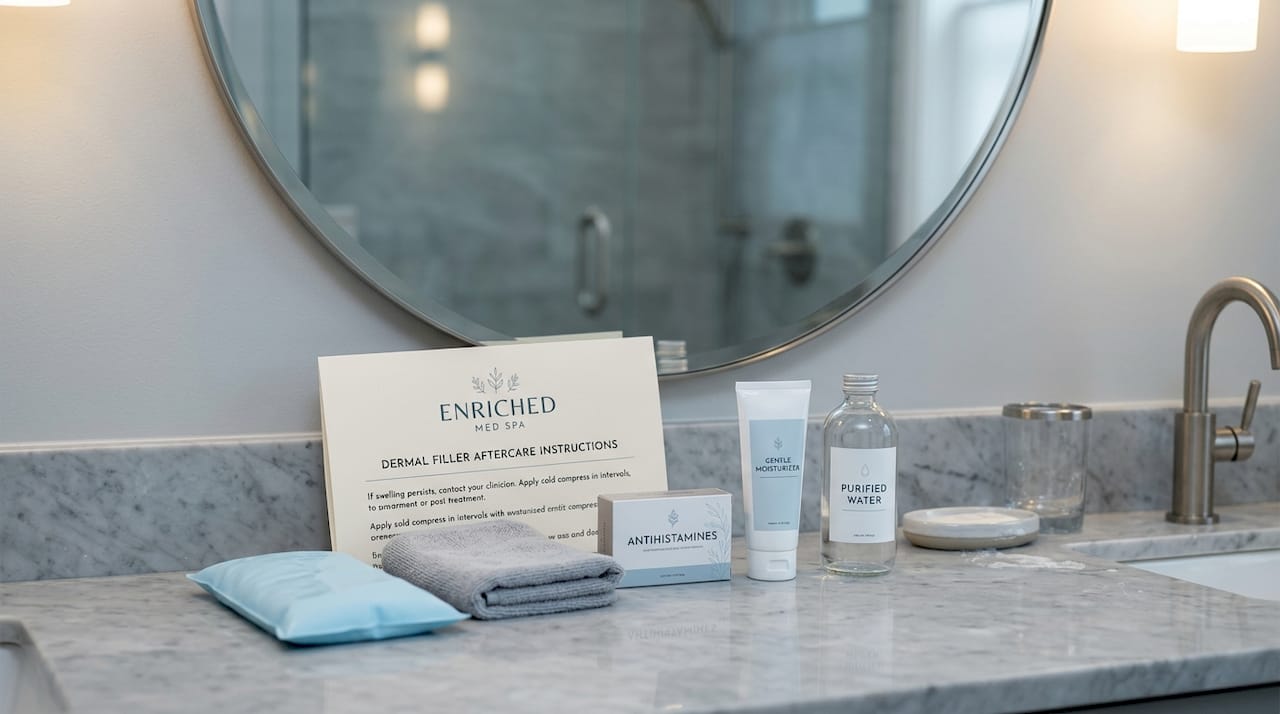
Being prepared before your appointment means you won’t have to scramble for supplies when you’re feeling tender and just want to rest. Here’s a practical comparison of the most useful recovery items:
| Supply | Purpose | Where to find it |
|---|---|---|
| Gel ice pack or cold compress | Reduces swelling and numbs discomfort | Pharmacy or grocery store |
| Gentle, fragrance-free cleanser | Keeps skin clean without irritation | Pharmacy or med spa retail |
| Broad-spectrum SPF 30+ | Protects filler and prevents pigmentation | Pharmacy or clinic |
| Arnica gel or cream | Helps fade bruising faster | Health food store or pharmacy |
| Tylenol (acetaminophen) | Safe pain relief without blood-thinning effects | Any pharmacy |
| Reusable water bottle | Encourages consistent hydration | Already at home |
| Soft, clean pillowcase | Reduces friction and bacteria contact overnight | Already at home |
What to have ready before your appointment:
- A gel ice pack stored in the freezer
- A gentle cleanser and fragrance-free moisturiser
- Your preferred broad-spectrum SPF
- Comfortable, loose clothing that doesn’t need to be pulled over your face
- A list of any medications or supplements you are currently taking
Clinics like Enriched Med Spa in Woodbridge and East Gwillimbury provide detailed pre and post-care instructions, including guidance on avoiding blood thinners for three to five days prior to your appointment. Having this information in advance means you can prepare properly and reduce your risk of unnecessary bruising.
Follow-up appointments are an important part of the process. They give your injector the chance to assess how the filler has settled, address any concerns, and make minor adjustments if needed. Don’t skip them, even if you feel your results look great. For ongoing maintenance, reviewing lip filler maintenance tips can help you understand how to care for your results between treatments.
Complications, common mistakes, and when to seek help
Even with the best care, it’s critical to know when something isn’t quite right.
Most complications from dermal fillers are preventable with proper technique and aftercare. However, mistakes do happen, and knowing what to avoid is just as important as knowing what to do.
Common mistakes people make after fillers:
- Touching or massaging the injection site without being instructed to do so
- Returning to exercise too soon, within the first 24 hours
- Applying heavy makeup or skincare products immediately after treatment
- Ignoring early warning signs like unusual skin colour changes or escalating pain
- Drinking alcohol the evening of their appointment
- Sleeping face-down, which puts pressure on treated areas
- Comparing their recovery timeline to someone else’s on social media
Every person heals differently. Age, skin type, the area treated, and the volume of filler used all influence how quickly and smoothly recovery progresses. Comparing your day-two swelling to someone else’s day-five photo online is rarely helpful and often anxiety-inducing.
“Rare delayed complications such as nodules or hypersensitivity reactions may require ultrasound-guided hyaluronidase treatment. Prevention through strict aseptic technique during injection remains the most effective strategy.”
Hyaluronidase is an enzyme that dissolves hyaluronic acid filler when complications arise. It is an important safety tool, but it requires clinical expertise to use correctly. This is one of the many reasons why choosing a qualified, experienced injector matters so much.
Signs of vascular occlusion, including pallor, severe pain, and coldness at the treatment site, require immediate attention. Do not wait to see if the symptom resolves on its own.
Pro Tip: After your appointment, take brief notes or short video recordings of the treated area each day for the first week. If something concerns you, having a visual record makes it much easier to describe the change to your provider and helps them assess the situation accurately.
For a thorough review of what to avoid and how to protect your investment, reading about detailed aftercare mistakes gives you a complete picture of what experienced injectors see most often.
Aesthetic nurse’s perspective: What truly matters for filler recovery
Here’s something we wish more clients heard before their first appointment: the people who recover most smoothly are rarely the ones who found the most creative hacks online. They’re the ones who followed simple, proven instructions and stayed in contact with their clinic.
There’s a lot of noise out there about recovery shortcuts, from special serums to facial massage techniques to supplements that promise to dissolve bruising overnight. Some of these have a small degree of merit. Most are unnecessary. What genuinely makes a difference is the basics: keeping the area clean, avoiding heat and alcohol, staying hydrated, and resting. These aren’t glamorous tips, but they work.
We also want to address something we see regularly. Clients compare their recovery to others and begin to worry unnecessarily. One person’s swelling resolves in two days. Another person’s takes five. Both can be completely normal. Individual healing timelines vary based on factors that have nothing to do with whether your treatment was done correctly. Your metabolism, your skin’s thickness, how much filler was used, and even how well you slept the night before all play a role.
The most underestimated part of a smooth recovery is communication with your clinic. We genuinely want to hear from you if something feels off. A quick message or phone call can provide reassurance, or it can prompt us to see you sooner if something does need attention. Waiting and worrying alone is never the right approach.
For those focused on prolonging filler results, the recovery period is actually the foundation. How you treat your skin in the first two weeks sets the stage for how long your results will last and how natural they’ll look. Invest in those early days, and your filler will reward you for it.
Enhance your recovery with expert guidance from local clinics
Ready for a more confident recovery? Here’s how local clinics can help.
At Enriched Med Spa, we support our clients through every stage of their filler journey, from the initial consultation to follow-up care after treatment. Our team at your local filler experts in Woodbridge and East Gwillimbury is here to answer your questions, address concerns, and make sure your results reflect the natural, refreshed look you came in for. Whether you’re considering your first treatment or you’re a returning client looking for personalised aftercare advice, we invite you to book a consultation with our experienced team. Your comfort and confidence matter to us at every step.
Frequently asked questions
How long does swelling last after dermal fillers?
Swelling typically subsides within 2 to 4 days for most clients, with lip treatments sometimes taking a day or two longer due to the sensitivity of that tissue. Using a cold compress in the first 24 hours can help reduce the duration and intensity.
Can I exercise after getting fillers?
You should avoid strenuous exercise for at least 24 to 48 hours after your appointment to minimise swelling and bruising. Light walking is generally fine, but anything that significantly raises your heart rate or body temperature should wait.
What should I avoid after dermal fillers?
Avoid alcohol, saunas, hot yoga, and blood-thinning medications or supplements for 24 to 48 hours after treatment. You should also minimise makeup use for at least the first day to reduce infection risk at the injection sites.
When should I contact my clinic after fillers?
Contact your provider right away if you notice severe pain, skin pallor, coldness, fever, or persistent lumps that don’t resolve within two weeks. These can be signs of vascular occlusion, infection, or a delayed inflammatory response that requires prompt clinical attention.
Recommended
- Post-Filler Aftercare: Maximizing and Maintaining Results – Botox Laser Hair Removal OxyGeneo Medi Facial Microneedling – Enriched Med Spa – Vaughan Woodbridge Maple Vellore Village
- Lip Fillers Aftercare: 10 Tips, What to Expect, and More
- Post-Filler Aftercare: Maximizing and Maintaining Results – Botox Laser Hair Removal OxyGeneo Medi Facial Microneedling – Enriched Med Spa – Vaughan Woodbridge Maple Vellore Village
- Keep Your Lips Looking Fabulous: Essential Post-Care Tips for Maintaining Lip Fillers – Botox Laser Hair Removal OxyGeneo Medi Facial Microneedling – Enriched Med Spa – Vaughan Woodbridge Maple Vellore Village