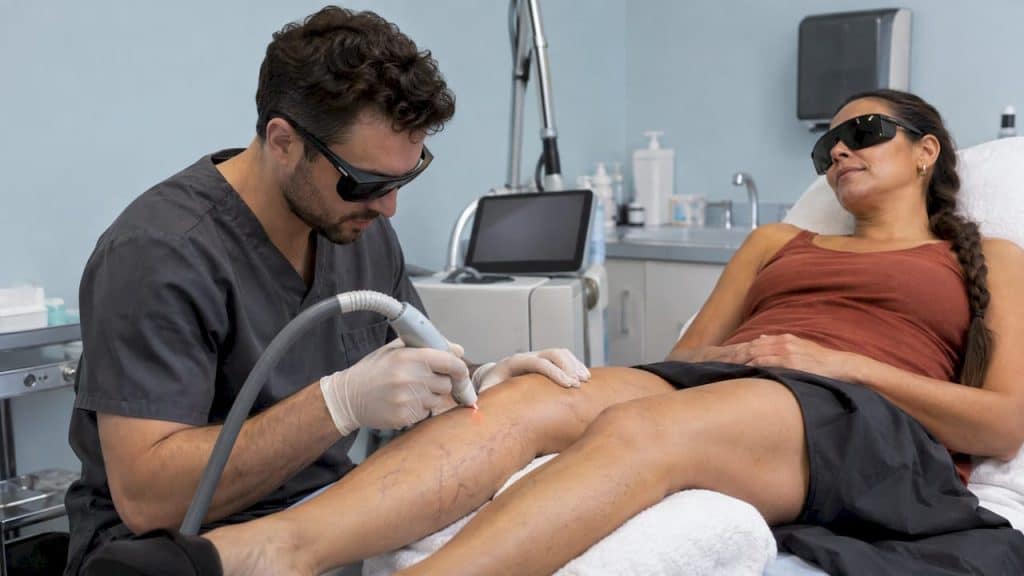
The two main ways to treat spider veins are sclerotherapy, where a solution is injected into the vein, and laser treatment, where light energy is directed at it. Sclerotherapy is the usual choice for leg veins, and laser is often considered for fine facial vessels. Neither is something you can do at home. The right choice depends on where the veins are, how large they are and your skin tone. A short assessment with a trained clinician settles it better than any general guide.
This guide walks through each option the way we would in a consultation: what it does, what results are realistic, what the risks are, and how to prepare.
TL;DR
- Spider veins are small damaged blood vessels just under the skin. They are usually harmless, so treatment is mostly a choice about appearance.
- Sclerotherapy (injection) is the most common treatment for leg veins. Laser is the other main option, and some people receive a combination.
- Research reviewed by Cochrane found no single treatment clearly better for everyone, so the choice depends on your veins, skin and goals.
- Creams, supplements and home devices will not remove existing veins. Exercise, leg elevation and compression can support circulation and may help prevent new ones.
- Results build over several sessions, and sun protection afterwards matters for avoiding dark marks.
Table of Contents
- What spider veins are and why they appear
- Your treatment options at a glance
- Sclerotherapy: the usual starting point for leg veins
- Laser treatment: when light is the better tool
- Which is more effective?
- Risks and side effects
- Can you treat spider veins at home?
- Is treatment covered by provincial health insurance?
- Preparing for treatment and what to expect afterwards
- What we see in practice
- Book an assessment in Woodbridge or East Gwillimbury
- FAQ
- Sources
What spider veins are and why they appear
Spider veins, also called telangiectasias, are damaged blood vessels (capillaries, venules and arterioles) sitting just beneath the skin’s surface. They look red, blue or purple and often cluster in patterns resembling spider webs or tree branches, according to Cleveland Clinic. They form when small vessels weaken and widen, though the cause is not always clear.
Many clients tell us they first notice them on the thighs, calves or ankles, or as fine red threads around the nose and cheeks. Some mention a family pattern. Others notice them after long years of standing at work. Most describe them as a cosmetic annoyance rather than a pain.
That said, if veins in your legs are aching, swelling, itching, or the skin around them is changing colour or breaking down, see your family doctor first. Those signs can point to a deeper circulation problem that needs a medical assessment before any cosmetic treatment.
Your treatment options at a glance
| Option | How it works | Best suited to | Typical downtime |
|---|---|---|---|
| Sclerotherapy | A solution is injected into the vein, irritating its wall so it collapses and fades | Leg spider veins; also used for other small veins | Minimal; you can usually return to routine activities |
| Surface laser | Laser light heats the vein, causing scar tissue that closes it | Fine facial vessels, very small veins, areas where injection is difficult | Usually short, with some people advised to wear compression |
| Compression stockings | Steady pressure supports blood flow | Managing symptoms and supporting circulation | None |
| Lifestyle measures | Exercise, elevation, sun protection | Supporting circulation and prevention | None |
Compression and lifestyle measures are support, not removal. Only the first two rows actually close existing veins.
Sclerotherapy: the usual starting point for leg veins
Sclerotherapy involves injecting a chemical solution into the affected vein. The solution irritates the vein wall, so the vessel collapses and gradually fades. The American Academy of Dermatology describes it as the most common treatment for leg veins, and it is the first thing most clinicians consider for veins on the legs.
A few practical points we explain to clients:
- It is gradual. The veins do not vanish on the day. They fade over the weeks that follow, and larger or more stubborn vessels often need more than one session.
- Treatment is targeted. Each visit addresses a limited number of veins, which is why a plan across several appointments is normal.
- Aftercare is part of the treatment. Dermatologists advise protecting treated areas from the sun for several weeks to help prevent dark spots, according to the AAD. Your clinician may also recommend compression or limiting intense exercise for a short time.
If legs are your main concern, our page on leg spider vein removal with sclerotherapy explains why we begin with injection and why results take time.
Laser treatment: when light is the better tool
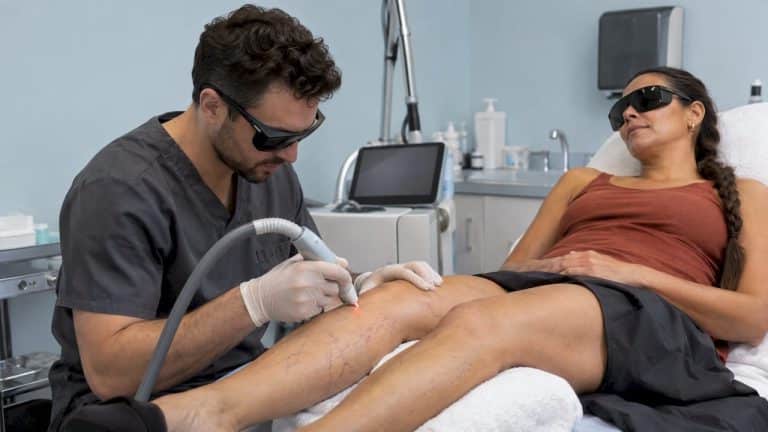
In laser treatment, a trained clinician directs laser light at the vein. The heat damages the vein wall, scar tissue forms and closes it, and the closed vein loses its blood supply and is gradually reabsorbed. Alberta’s provincial health information service, MyHealth.Alberta.ca, describes the mechanism this way for laser vein treatment.
Recovery is generally short. Many patients return to normal activities the next day, though some may be asked to wear compression stockings, per the same source.
Laser tends to come up when:
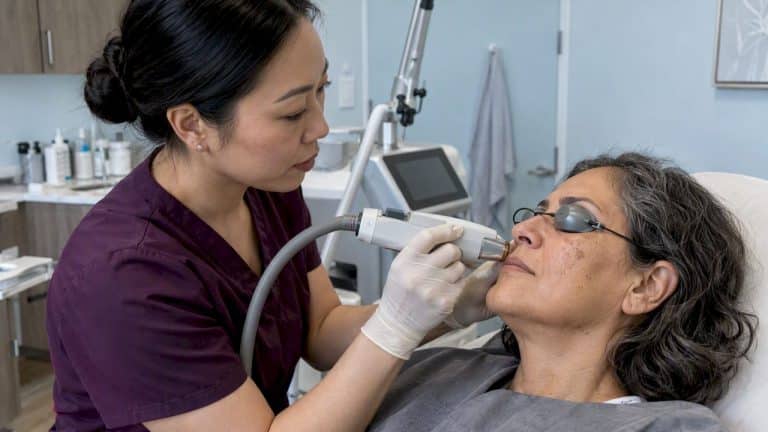
- the veins are very fine, such as those around the nose or on the cheeks;
- injecting a particular area is difficult; or
- a client prefers not to have injections.
Our approach to facial veins is outlined on our page about facial spider vein treatment, where sessions are typically spaced four to six weeks apart so the skin can settle and we can judge the response before treating again.
If you are planning laser work, a calm recovery setup helps. A practical home comfort recovery checklist covers the first days after a procedure, from rest to what to have within reach.
Skin tone matters
Laser energy is absorbed by pigment as well as by blood. That means deeper skin tones carry a higher risk of pigment changes, and settings and technology must be chosen carefully. This is exactly why we assess your skin type before recommending a device, and why we would rather tell you laser is not the right fit than treat you with the wrong settings.
Which is more effective?
It is the question everyone asks, and the honest answer is that it depends. A 2021 Cochrane review of treatments for telangiectasias and reticular veins found that sclerosing agents improved vein resolution compared with sham treatment, but no single treatment was established as preferable. Cochrane’s authors point to patient-specific factors as the practical deciding point, because the evidence does not favour one technique for every case.
In practice, we look at four things:
- Location. Legs usually point towards sclerotherapy. Face usually points towards laser or other light-based approaches.
- Vein size and colour. Fine red threads and slightly larger blue veins respond differently.
- Skin tone and tanning. Recent sun exposure or a deeper skin tone changes what is safe.
- Your health history. Medications, pregnancy or breastfeeding, clotting history and other conditions affect whether treatment is appropriate and when.
Many clients come to us convinced they need one specific option because of something they read. After an assessment, the plan is sometimes different, and that is a good outcome.
Risks and side effects
Every option that works on a vein carries some risk. Knowing it ahead of time is part of choosing well.
Cochrane’s review notes that both sclerotherapy and laser can cause hyperpigmentation (darkening of the skin) and matting, which is the formation of new fine vessels after treatment. Both are usually manageable, and sun protection plays a role in avoiding the darkening.
For laser specifically, the Alberta health information page lists skin burns, changes in skin colour, and in rare cases burning, pain or prickling from nerve damage. It adds that a more experienced doctor may reduce the risk. The same logic applies to any vein procedure: the training and experience of the person holding the needle or the laser matters.
A few signs after treatment deserve a call to your clinic or doctor promptly: significant pain, spreading redness, swelling in one leg, shortness of breath or chest pain. The last two need urgent care, not a phone call.
Before booking anywhere, ask:
- Who will perform my treatment, and what is their training?
- What will you do if I have a reaction?
- How many sessions do you expect, and how will you decide when to stop?
- Is there a follow-up included?
Can you treat spider veins at home?
No. According to the AAD, spider veins cannot be removed at home. Self-care can support circulation, ease swelling and help prevent new veins, but it will not eliminate the ones you have.
What helps:
- Regular movement. Walking and leg exercises keep blood flowing.
- Leg elevation. Resting your legs above heart level at the end of a long day reduces swelling.
- Compression stockings. They apply steady pressure to support blood flow and can help manage symptoms, though they do not make existing spider veins disappear.
- Sun protection. Especially on the face, and on treated areas afterwards.
What does not help is anything promising to “dissolve” veins with a cream or supplement. If a product says it can, treat the claim with caution.
Is treatment covered by provincial health insurance?
Generally, no, when the goal is cosmetic. In Ontario and most provinces, public plans cover medically necessary care, and treating spider veins purely for appearance is typically considered cosmetic and paid out of pocket. If you have symptoms such as pain, swelling or skin changes, ask your family doctor whether a referral to a vascular specialist is appropriate, since coverage can then depend on the medical findings. Some private extended health plans may cover part of a medically indicated treatment, so check your policy before you book.
Preparing for treatment and what to expect afterwards
Some simple preparation makes a real difference:
- Avoid tanning and heavy sun exposure in the weeks before treatment, as tanned skin raises the risk of pigment changes.
- Tell us about your health history, including medications and supplements, any clotting history, and whether you may be pregnant.
- Plan your timing. If you are preparing for a wedding, vacation or photoshoot, start early, because veins fade over weeks and larger areas need multiple sessions.
- Wear loose, comfortable clothing to the appointment, especially for leg treatment.
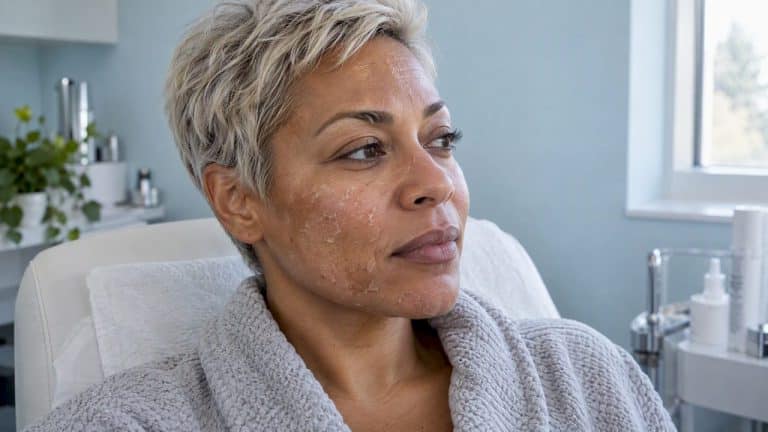
After treatment, expect some mild redness, bruising or tenderness. Follow the aftercare plan you are given, keep treated skin out of the sun, and return for your follow-up so we can decide together whether another session is needed. Results are not guaranteed, and veins can appear again over time, particularly if the underlying tendency is hereditary, so some people return for occasional touch-ups.
What we see in practice
When clients come in about spider veins, they usually fall into a few groups. Some want leg veins gone before a summer holiday. Others have fine facial redness they have been covering with makeup for years. A smaller group has had treatment elsewhere and want a second opinion because results were uneven.
The common thread is a wish for a straight answer about timelines. We tell them that treatment is a process measured in weeks, and that a plan built around their skin is safer than a rushed one.
Our perspective
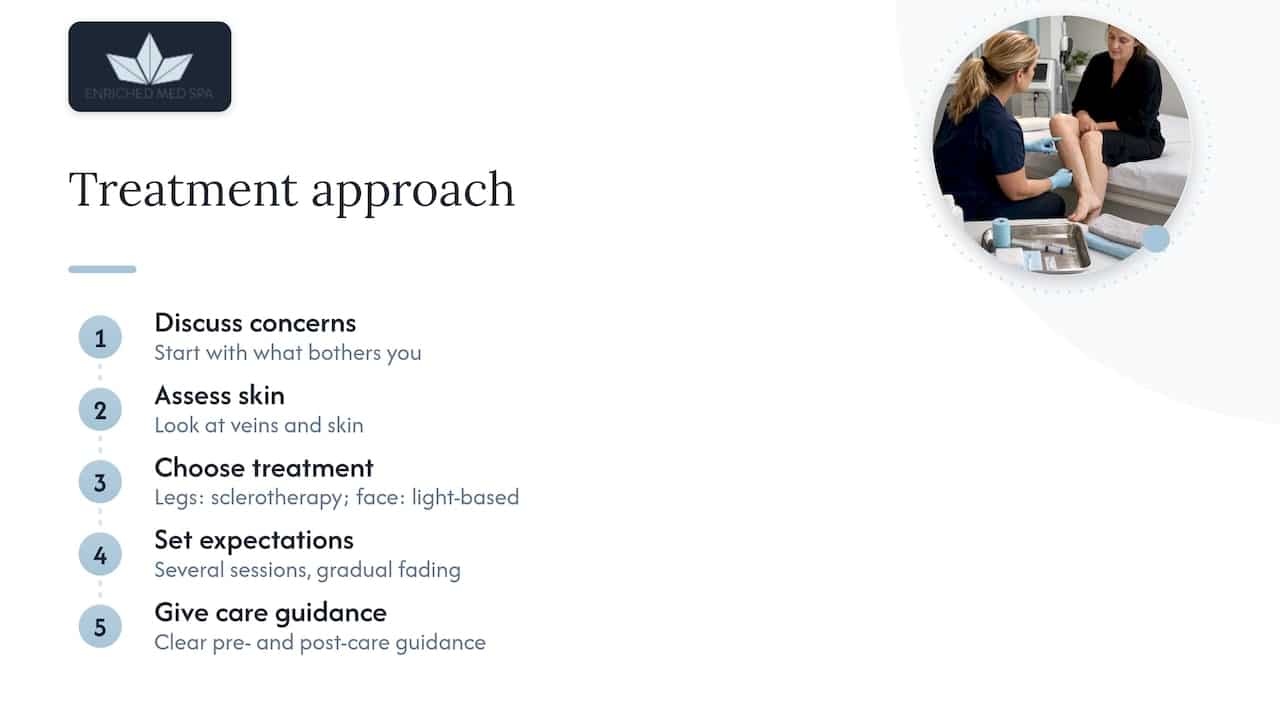
Spider vein treatment looks simple from the outside, and that is exactly why it deserves a careful start. At Enriched Med Spa our approach is patient-first: we begin with a conversation about what bothers you, look at the veins and your skin, and explain which option we think suits you and why. We would rather agree on a conservative plan you feel comfortable with than promise a dramatic change in one visit.
For leg veins, we start with sclerotherapy because it is the established first choice. For fine facial veins, we consider light-based treatment, with settings chosen around your skin tone. Our treatments are performed by experienced nurse-level injectors and aestheticians, and we give clear pre- and post-care guidance so you know what to do before and after each visit.
Above all, we want you to leave with realistic expectations: several sessions, gradual fading, and sun protection as part of the routine.
Felix
Book an assessment in Woodbridge or East Gwillimbury
If you are weighing your options, the simplest next step is a consultation. We look at your veins, explain what is likely to help, and outline the number of sessions and the aftercare involved. Start with our pages for leg spider veins or facial spider veins, or browse the full list of our treatments to see how vascular treatments sit alongside our skin and laser services. Pricing for vein treatment is not published, so we quote it after the assessment.
FAQ
What is the most effective treatment for spider veins?
For leg veins, sclerotherapy is the most commonly used treatment, according to the AAD. Laser is another established option, and research has not shown one technique to be best for everyone. The most effective choice is the one matched to your vein location, size and skin tone.
Is it worth getting spider veins removed?
That depends on how much they bother you. Spider veins are usually a cosmetic concern, so many people choose treatment for confidence rather than health reasons. If you have pain, swelling or skin changes, a medical assessment comes first.
How risky is sclerotherapy?
Most side effects are mild, such as bruising, tenderness, skin darkening or small new vessels forming near the treated area. Rarer complications exist, so treatment should be done by an experienced clinician after a review of your health history. Seek urgent care for chest pain, shortness of breath or a swollen, painful leg.
Can I treat spider veins myself?
No. Existing spider veins cannot be removed at home. Exercise, leg elevation, compression stockings and sun protection can support circulation and may help prevent new veins, but they will not clear the ones you already have.
Sources
- Spider Veins: Causes, Symptoms & Treatment, Cleveland Clinic
- Leg veins: Why they appear and how dermatologists treat them, American Academy of Dermatology
- Laser Treatment for Varicose Veins, MyHealth.Alberta.ca
- Treatment for telangiectasias and reticular veins, Cochrane