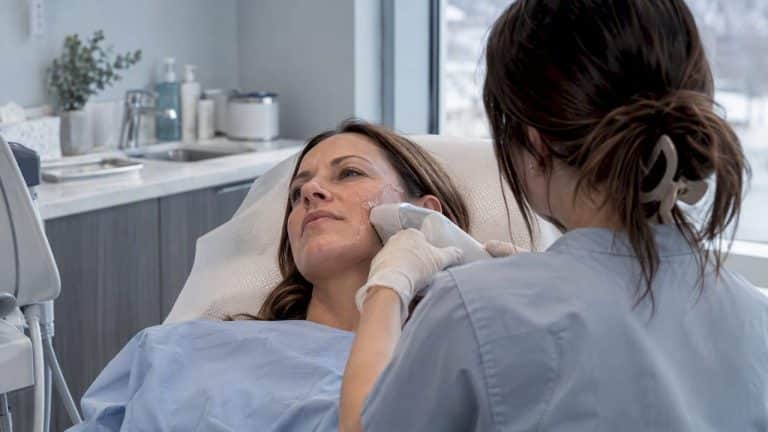
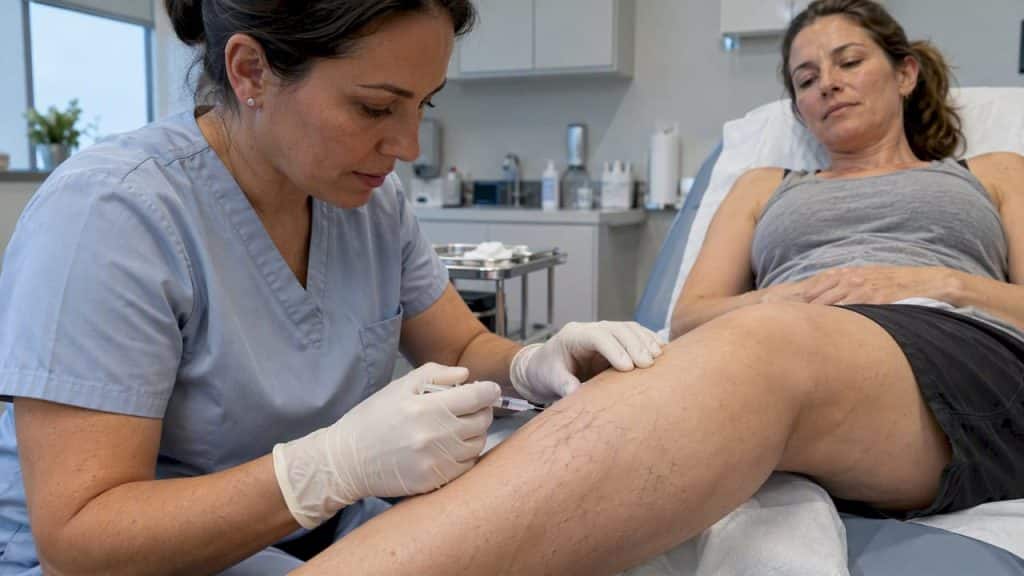
The most effective clinical route for spider veins on the legs is sclerotherapy, the treatment named first-line in international clinical guidelines. Most people need more than one session to see the result they want, and a proper consultation, including duplex ultrasound when a deeper vein problem is suspected, helps guide safe care. Compression and elevation can ease symptoms, but they will not make existing spider veins disappear.
TL;DR:
- Duplex ultrasound is rarely needed for straightforward cosmetic veins, but guidelines recommend it when symptoms or examination suggest reflux, since untreated feeder veins can undermine results.
- Sclerotherapy often takes multiple sessions, usually separated by weeks, and visible fading builds gradually instead of appearing immediately.
- For venous insufficiency, compression stockings commonly use 30 to 40 mm Hg pressure and need professional fitting because incorrect sizing limits their benefit.
- A medical history review matters before injection: known sclerosant allergy, active blood clots, and serious systemic illness are listed as absolute contraindications.
- Laser may suit very fine or facial vessels and may cause less hyperpigmentation than sclerotherapy, while combined treatment can increase discomfort.
Table of Contents
- What spider veins are and why they show up
- Professional treatment options, from sclerotherapy to microphlebectomy
- What happens at your consultation and during treatment
- Can compression stockings and home care manage spider veins?
- Choosing where to get treated
- Our approach to spider vein care
- Book a consultation for spider vein assessment
- FAQ
- Sources
What spider veins are and why they show up
Spider veins, known clinically as telangiectasias, are the thin red, blue, or purple lines you can see just under the skin, usually clustered on the thighs, calves, or ankles. They are smaller than reticular veins and varicose veins, though all three sit on the same spectrum of vein disease.
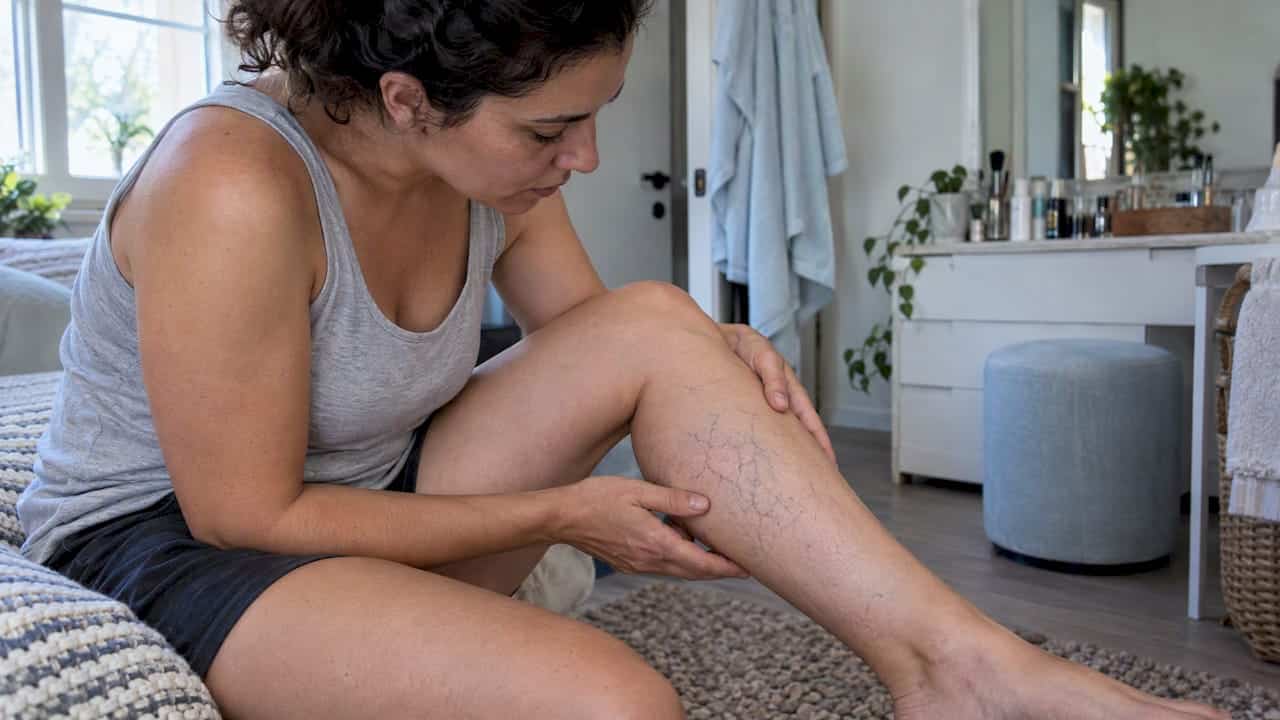
Legs are the most common site because the veins there work against gravity, relying on one-way valves and the calf muscle pump to push blood back up to the heart. When a valve weakens, blood pools and small vessels distend, which is why we see patterns repeat across clients who share certain traits.
A few factors come up again and again when we talk through a client’s history:
- Age and family history, since vein weakness often runs in families
- Pregnancy and hormonal changes, which increase pressure in leg veins
- Obesity or prolonged standing and sitting, both of which strain circulation
- Previous leg trauma or earlier vein procedures
Many clients come in noticing a handful of new spider veins after a pregnancy or a job that keeps them on their feet all day, and the pattern almost always fits one of these common risk factors.
Professional treatment options, from sclerotherapy to microphlebectomy
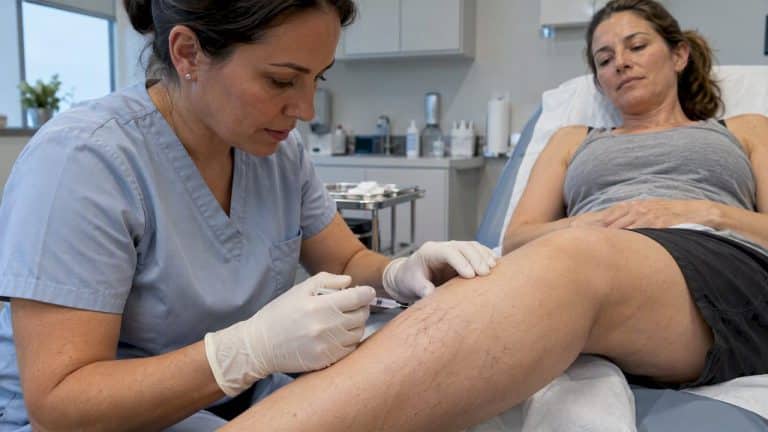
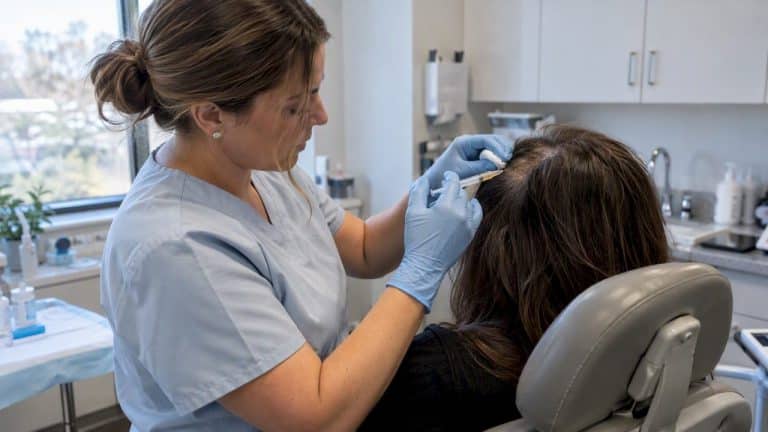
Sclerotherapy remains the starting point for most people with visible leg spider veins. A fine needle delivers a sclerosis solution, commonly polidocanol or sodium tetradecyl sulfate, directly into the vessel. The solution is intended to injure the vein’s inner lining so it closes and may eventually fade from view, a process known as fibrosis. Sclerosant can be used as a liquid or whipped into foam for larger vessels, and most clients need multiple sessions spaced weeks apart to reach their goal.
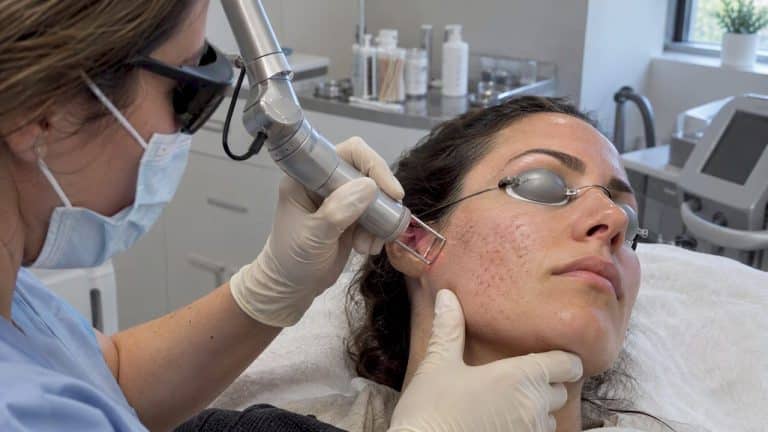
Laser and light-based treatments, including Nd:YAG, pulsed dye, and KTP lasers, work differently: targeted light energy heats the vessel wall until the body reabsorbs it. Laser and light-based treatments can be considered for very fine vessels or facial veins, and may be an option when sclerosant agents are unsuitable.
Treatment options can include thermocoagulation or microphlebectomy, depending on the vessels and an individual clinical assessment.
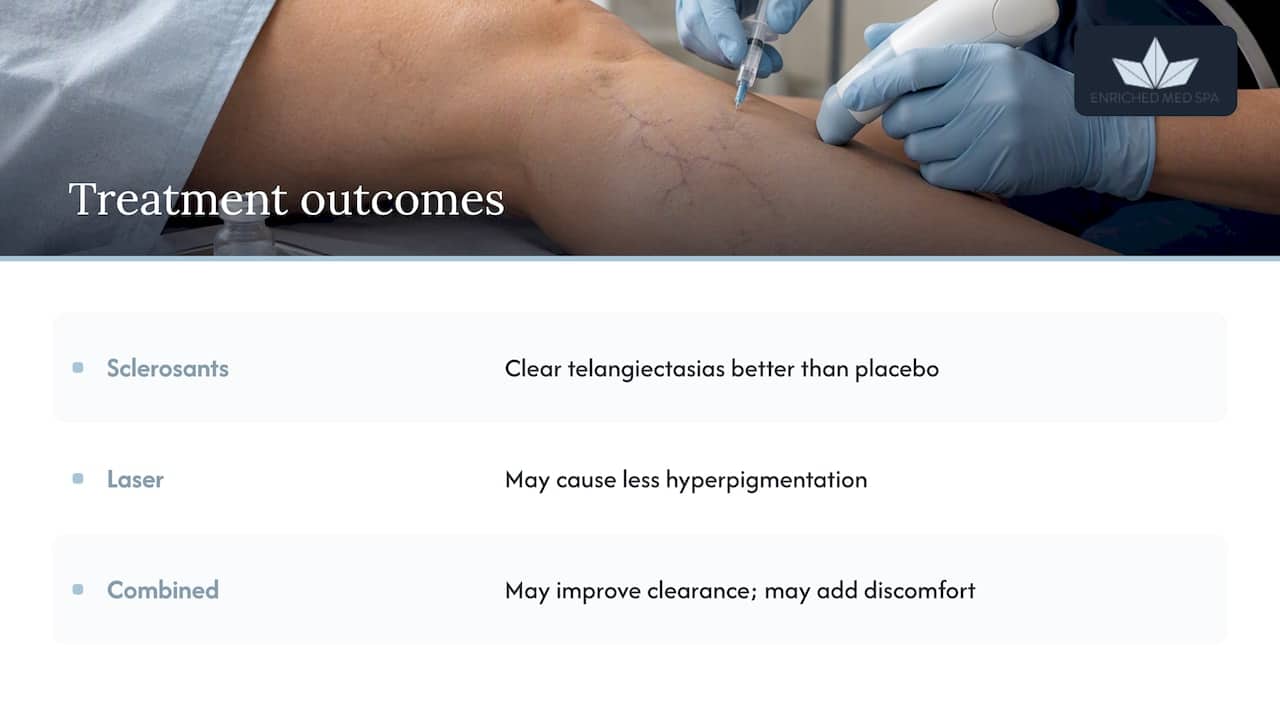
A Cochrane review found that sclerosing agents clear telangiectasias more effectively than placebo, though they also come with more local side effects, while laser treatment may cause less hyperpigmentation. Combined approaches, using both laser and sclerotherapy, sometimes improve clearance further, though a few studies noted more discomfort with that combination.
Pro Tip: Ask your clinician which sclerosant they use and why, since the choice can affect both comfort and the number of sessions you’ll need.
Possible side effects include bruising, pain, and matting, where tiny new vessels appear near the treated area. Ask your clinician what to expect and when to seek advice. The International Union of Phlebology’s 2023 consensus document lists absolute contraindications such as known hypersensitivity to the sclerosant, active blood clots, and serious systemic illness, which is exactly why a thorough history matters before anyone picks up a needle.
What happens at your consultation and during treatment
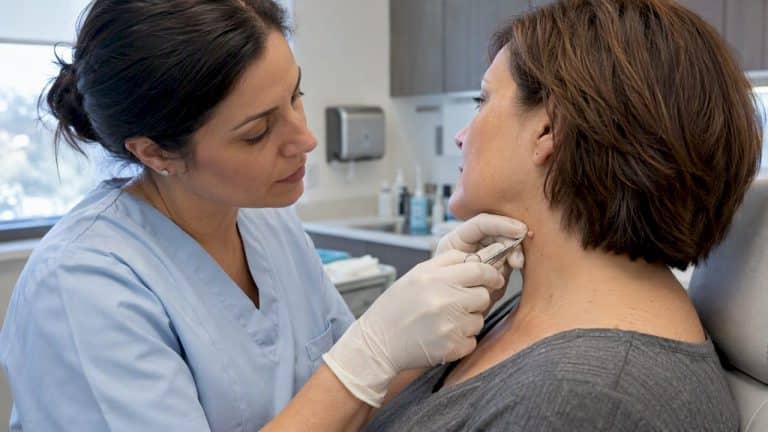
A proper course of care follows a fairly predictable sequence, and knowing it ahead of time makes the whole experience less uncertain.
- History and medication review. We ask about pregnancy status, hormone-based medications like oral contraceptives, allergies, and any prior clotting issues, all of which factor into a sound risk assessment.
- Assessment, with duplex ultrasound when indicated. Straightforward cosmetic telangiectasias rarely need imaging, but current guidelines call for duplex ultrasound when symptoms or exam findings suggest underlying venous reflux, since treating the surface veins without addressing a feeding source can lead to disappointing results.
- A staged treatment plan. Multiple sessions are often needed, and visible fading may build gradually rather than happen overnight.
- Aftercare. Your clinician can advise whether compression stockings are appropriate after sclerotherapy. Ask how to manage possible side effects, including hyperpigmentation, and when to follow up.
If you notice sudden swelling, significant pain, or spreading skin discolouration, seek immediate medical care. You can read more about how a typical consultation unfolds before your first appointment.
Can compression stockings and home care manage spider veins?
Conservative measures have a real role, just not the one people often hope for. Prescription compression stockings, typically in the 30 to 40 mm Hg range for venous insufficiency, ease the heaviness, aching, and swelling that often accompany visible veins, but they do not remove veins that have already formed. A clinician or nurse practitioner should fit them properly, since the wrong pressure or size limits their benefit.
- Elevate your legs when resting to support venous return
- Walk regularly and work your calf muscles, since that muscle pump is central to healthy circulation
- Maintain a healthy weight and avoid long stretches of standing or sitting still
Pro Tip: Think of compression and movement as damage control for comfort, not a path to visibly clearer skin, since only a clinical treatment changes how the veins look.
Topical creams and folk remedies are not established treatments for removing existing spider veins. If visible improvement is your goal, ask a clinician whether sclerotherapy or laser treatment is appropriate for you.
Choosing where to get treated
A few questions at your first visit tell you a lot about whether a clinic is the right fit. Ask whether the clinician treating you has specific training in phlebology, dermatology, or procedural aesthetics, and whether duplex ultrasound is available on-site or through referral when the exam calls for it.
- Confirm which method they recommend and why, sclerotherapy, laser, or a combination
- Ask how many sessions are typically needed for a case like yours
- Request to see before-and-after examples from similar presentations
- Clarify how they handle complications and follow-up care
Be wary of anyone promising permanent removal of complex vein patterns in a single visit, or pushing you to skip the assessment step entirely. A thorough consultation is the foundation of a treatment plan that actually matches your veins.
Our approach to spider vein care
We start every spider vein consultation the same way: a look at your history, a realistic conversation about what the veins in front of us will respond to, and a plan built around your case rather than a generic protocol. We offer vascular lesion and spider vein reduction alongside other medical-grade skin treatments, and we choose the method based on vessel size, skin type, and your own priorities.
What we hear most from clients is relief at being told the truth upfront: that fading happens gradually, that touch-ups are normal, and that a staged plan beats a single promised fix.
— Felix
Book a consultation for spider vein assessment
If you’re ready to find out which treatment suits the veins you’re dealing with, our vascular lesion and spider vein reduction services are part of a broader lineup of medical-grade skin treatments we offer, so we can also flag anything else worth addressing while you’re in the chair. Bring a short summary of your medical history, a list of current medications, and photos of the areas that bother you most, and expect a focused conversation about what’s realistic for your skin and your timeline.
We don’t promise a single-visit fix, because that isn’t how vein treatment works. What we offer is a clear assessment and a plan you understand before you commit to it. Book your consultation and we’ll walk through your options together.
This article is general information, not a substitute for advice from a qualified doctor. Consult a qualified healthcare professional about your own circumstances before acting on anything here.
FAQ
Can spider veins really be removed?
Visible spider veins may be reduced with clinical treatments like sclerotherapy or laser therapy. The suitable option and number of sessions depend on your individual assessment. Compression stockings and lifestyle changes help manage symptoms but will not remove veins that have already formed.
What are varicose veins?
Varicose veins are larger, bulging veins that sit deeper under the skin than spider veins and often come with symptoms like aching or heaviness, unlike the flat, thread-like appearance of telangiectasias. A clinician can assess the veins and discuss which treatment options may be appropriate.
What is telangiectasia?
Telangiectasia is the clinical term for spider veins, referring to the small, visibly dilated blood vessels that appear as thin red, blue, or purple lines near the skin’s surface. Treatment options can include sclerotherapy or laser therapy, depending on the location and individual assessment.
Will Vicks Vapor Rub get rid of spider veins?
Vicks Vapor Rub and similar home remedies are not established treatments for spider veins. Ask a clinician whether a procedure that targets the vessel, such as sclerotherapy or laser treatment, is appropriate for you.
Sources
- Pubmed
- Treatment for telangiectasias and reticular veins | Cochrane
- [Sclerotherapy of lower limb veins: Indications, contraindications and treatment strategies to prevent complications — A consensus document of the International Union of Phlebology-2023
- Erasmus University Rotterdam](https://pure.eur.nl/en/publications/sclerotherapy-of-lower-limb-veins-indications-contraindications-a/)
- CHAPTER 9 – SKIN