Most people rate laser hair removal between 2 and 5 out of 10 for discomfort, closer to a snapped rubber band than a serious pain event. That’s often milder than waxing, which pulls hair out over several prolonged seconds rather than a quick pulse of light. With proper cooling and clinic technique, the vast majority of clients find sessions manageable, even on sensitive areas.
TL;DR:
- The discomfort during laser hair removal varies by treatment area, with upper lip, bikini line, and underarms typically ranking higher on the pain scale.
- Thinner skin and higher nerve density make areas like the face and bikini zones more sensitive, while thicker skin on legs and shoulders offers lower discomfort.
- Cooling technologies such as contact plates, cryogen spray, and cold air significantly reduce pain, and adjustments in device settings can also ease the sensation.
- Pre-treatment measures like test patches, topical anesthetics, and ice packs can help manage discomfort based on individual sensitivity.
- Proper consultation and specialized cooling options are essential for minimizing pain, especially on sensitive zones, during and after laser sessions.
Table of Contents
- What does laser hair removal pain actually feel like?
- Which body areas hurt most and least?
- What factors change how much a session hurts?
- How can you reduce pain before, during, and after treatment?
- What happens during and after your appointment?
- How does Enriched Med Spa approach comfort during laser sessions?
- Why the “just push through it” advice misses the point
- Ready to book a consultation for laser hair removal?
- Sources
What does laser hair removal pain actually feel like?
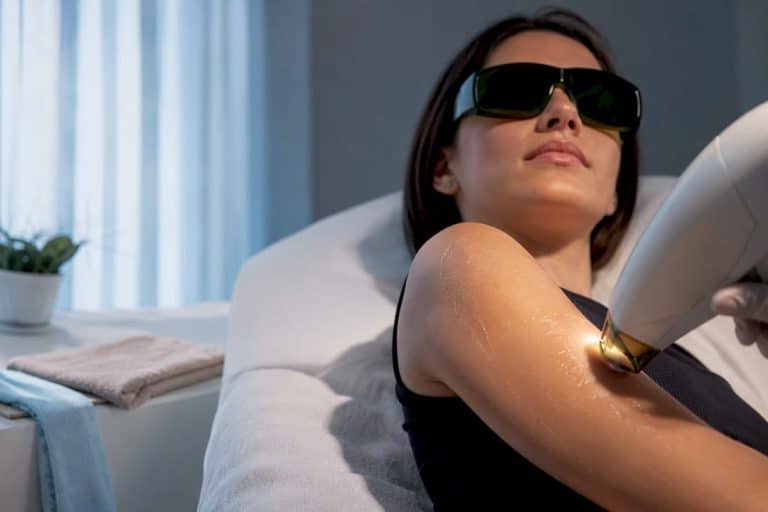
The sensation is short, and it changes character depending on the moment. During the actual pulse, most people describe a quick sting, a rubber-band snap against the skin, or a flash of heat that fades almost as fast as it arrives. Many people brace for this once and then stop noticing after the first few pulses, as their brain learns the pattern.
That’s different from what you might feel for the hour or two afterward, which tends to be a mild warmth or tenderness rather than sharp pain. Think of it as two separate sensations stacked together: the pulse itself, and the skin’s short-lived reaction to it.
A simple scale helps set expectations before your first appointment:
- 1 to 2 out of 10: areas like lower legs or arms, where skin is thicker and hair follicles are less densely packed.
- 3 to 5 out of 10: underarms, bikini line, and back, where nerve endings sit closer to the surface.
- 5 to 7 out of 10: upper lip, chin, and Brazilian areas, where thinner skin and mucosal proximity raise sensitivity.
Where you land on that scale depends on more than the treatment area. Pain tolerance, hormonal timing, hydration, and even how anxious you feel walking into the room all shift the number up or down. Two people with identical skin and hair can report different scores for the exact same pulse. Clinical overviews of the procedure consistently describe this discomfort as temporary and resolving quickly once the session ends.
Which body areas hurt most and least?
Sensitivity tracks fairly predictably with nerve density and skin thickness, which is why the same laser setting can feel completely different depending on where it’s aimed.
- Most sensitive: upper lip, bikini and Brazilian zones, underarms, and nipple or perineal areas, where skin is thin and nerve endings sit close to the surface.
- Moderately sensitive: back, chest, and stomach, where sensation varies more by individual than by anatomy.
- Least sensitive: legs, arms, and shoulders, where thicker skin and lower nerve density blunt the pulse considerably.
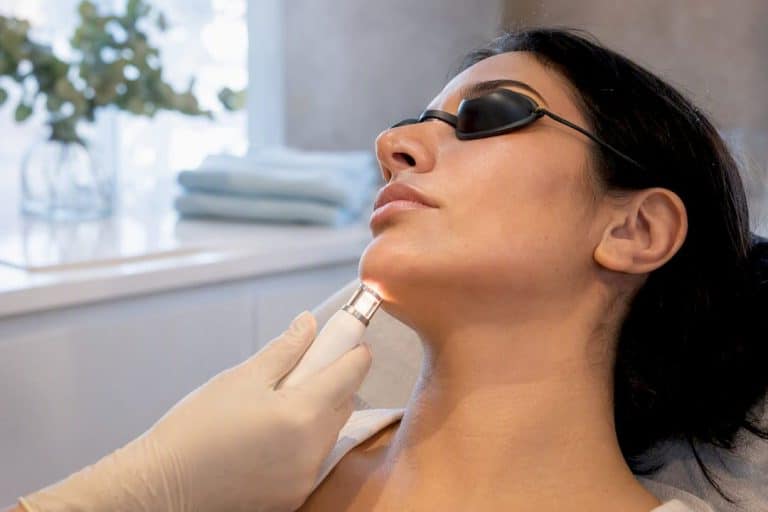
Bikini and Brazilian treatments tend to draw the most questions, largely because the skin there is thin and close to mucosal tissue, which makes nerve endings more reactive to heat. Facial hair removal around the upper lip and chin follows a similar pattern for the same reason. Underarm skin is thinner than most people expect too, which is part of why it often ranks higher on the discomfort scale than legs or arms despite feeling like a “smaller” area.
If you’re weighing which zones to start with, our page on what areas can be treated with laser hair removal breaks down what to expect site by site, and our Brazilian laser hair removal service page covers the comfort measures we build into that specific treatment.
What factors change how much a session hurts?
Device settings account for a real share of the variation between one person’s experience and another’s. Higher fluence, or energy density, targets hair follicles more aggressively and can increase what you feel in the moment. Longer pulse durations tend to feel gentler because the energy disperses over more time, while larger spot sizes can increase perceived pain even as they improve treatment efficiency by reducing the number of passes needed.
Cooling technology is where a lot of the comfort difference actually lives:
- Contact cooling plates chill the skin surface before and during each pulse.
- Cryogen spray cooling delivers a brief cold burst right before the laser fires.
- Cold air systems blow continuously across the treatment area throughout the session.
- Pneumatic skin flattening uses gentle suction to flatten skin and dilute the light’s intensity at the surface.
Your own biology matters too. Coarser, darker hair generally absorbs laser energy more efficiently, which can mean slightly more sensation but often better results per session. Recent tanning or waxing raises skin reactivity and can increase both discomfort and risk, which is why most clinics ask you to avoid both beforehand. Health Canada’s safety guidance lists pain, redness, and swelling as expected side effects and recommends cooling methods paired with careful operator judgment to prevent burns.
How can you reduce pain before, during, and after treatment?
Cooling remains the single most consistent, evidence-backed comfort measure available. A controlled trial found that pneumatic skin flattening reduced intraprocedural pain in 95% of subjects compared with conventional dynamic cooling, which is a meaningful gap for anyone nervous about a first session.
Here’s a practical sequence worth discussing with your provider:
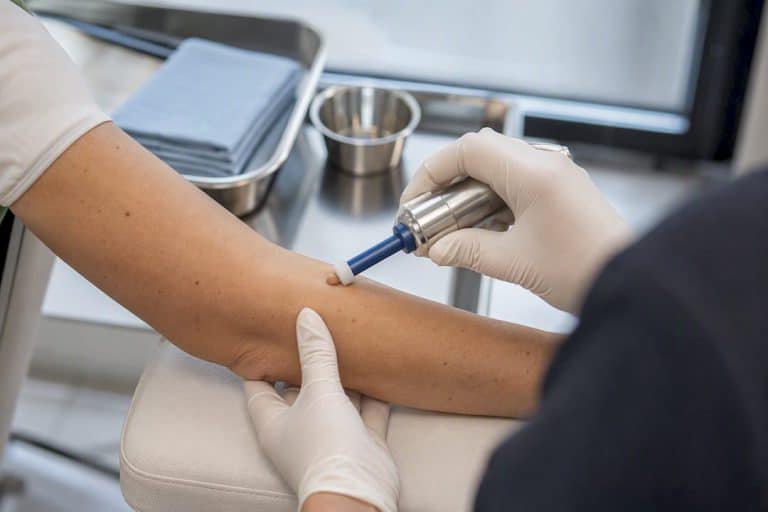
- Ask about a test spot first. A small trial pulse on an inconspicuous area lets you gauge sensation before committing to the full zone.
- Request slower settings or extra cooling if the test spot feels sharper than expected. Most clinics can adjust fluence and pulse timing without compromising results.
- Consider a topical anaesthetic like EMLA cream for higher-sensitivity zones. Apply it as directed before your appointment, since numbing needs time to take effect.
- Try ice packs during the session if topical cream isn’t used. A randomized trial comparing the two found ice gave better immediate pain control, while the topical mixture worked better around five minutes after treatment, with most participants leaning toward ice overall.
- Take a standard over-the-counter analgesic beforehand if your provider approves it, and apply ice or a cool compress afterward to calm any lingering warmth.
Pro Tip: If you’re treating a sensitive area for the first time, book it as its own appointment rather than pairing it with a larger zone. You’ll have more mental bandwidth to focus on breathing through the sensation instead of counting down through multiple regions.
Avoid direct sun and heat sources like hot showers or saunas for at least a day or two afterward, and contact your clinic if redness or swelling seems unusually intense or lingers past a couple of days.
What happens during and after your appointment?
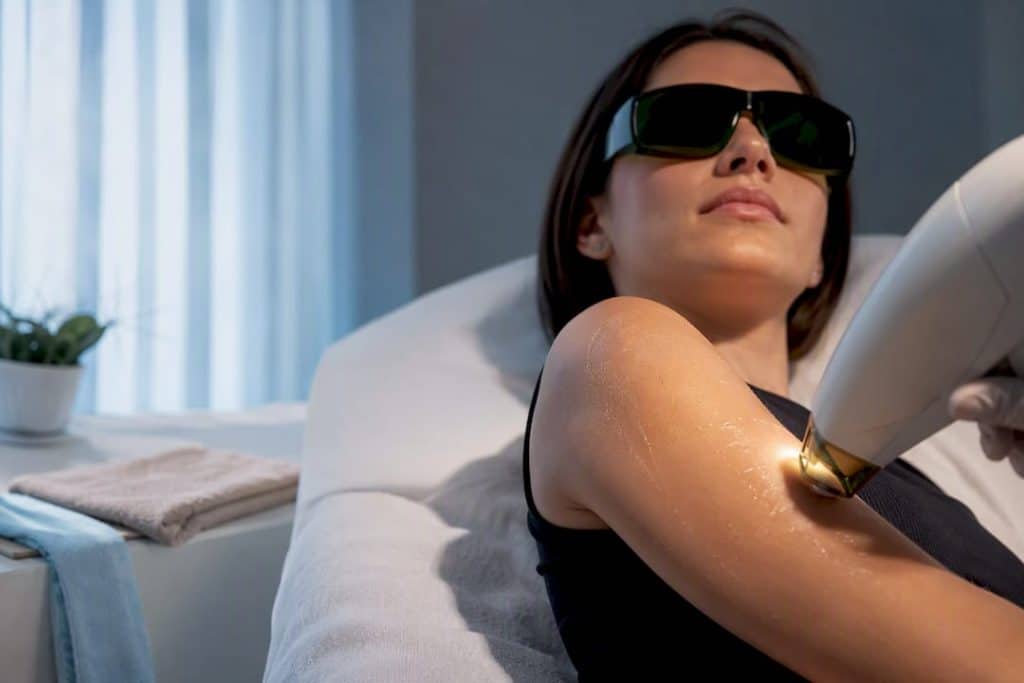
Each pulse lasts a fraction of a second, and a typical session moves through the treatment area in a series of quick passes rather than one continuous application. Mild redness and slight swelling around hair follicles are common immediately afterward, and these usually settle within a few hours.
Most people need 4 to 8 sessions spaced roughly 8 to 12 weeks apart to see substantial hair reduction, since laser only affects follicles in an active growth phase at the time of treatment. Many clients notice sessions feel more tolerable as treatment progresses, partly because hair becomes finer and partly because they know what to expect.
Complications are uncommon but worth knowing:
- Blistering or burns, usually tied to incorrect settings for skin tone.
- Temporary pigment changes, more likely on tanned or darker skin.
- Ocular risk near the face, which is why protective eyewear is standard practice.
How does Enriched Med Spa approach comfort during laser sessions?
We hear the same question constantly from new clients: “How much is this actually going to hurt?” The honest answer depends on the area and your own sensitivity, which is why we don’t treat comfort as an afterthought.
For higher-sensitivity zones like the upper lip or bikini line, we typically start with a test patch so you can feel the sensation before we proceed with the full treatment. From there, we talk through cooling options and topical numbing where appropriate, and we adjust settings based on how your skin responds. Every consultation includes an honest conversation about what to expect, session by session, so there are no surprises when you’re in the treatment room.
Why the “just push through it” advice misses the point
A lot of what circulates online about laser hair removal pain treats discomfort as something to simply tolerate, as if gritting your teeth is the only strategy available. That framing undersells how much the sensation is genuinely modifiable through better technique, not just stronger willpower.
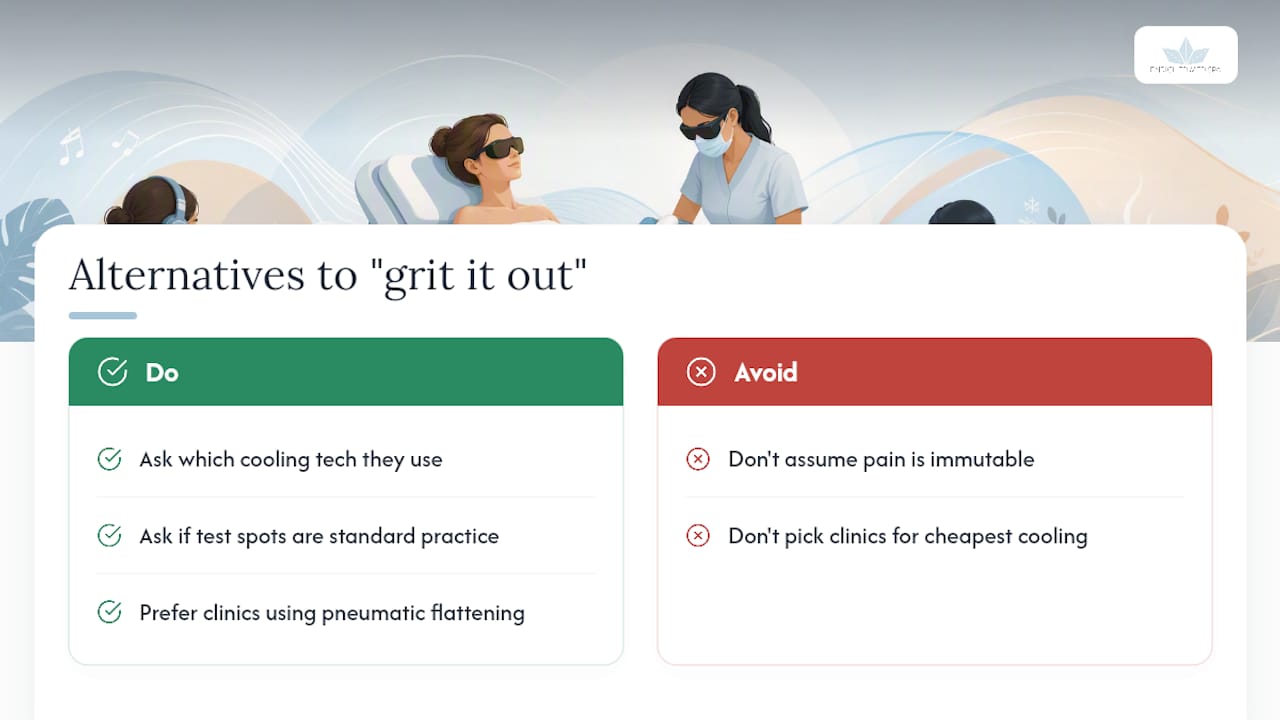
The randomized-trial evidence on ice versus topical anaesthetic makes this concrete: the two methods aren’t interchangeable, they solve for different moments in the session, and knowing which one you need matters more than knowing pain relief exists at all. Similarly, the pneumatic skin flattening data shows a nearly universal reduction in intraprocedural pain, yet plenty of clinics still rely on basic cooling because it’s cheaper, not because it’s equivalent.
If there’s one thing worth prioritizing, it’s asking your provider directly what cooling technology they use and whether a laser & aesthetics clinic software supports test spots as standard practice. That single question tells you more about your likely experience than any general pain-scale chart ever will.
— Felix
Ready to book a consultation for laser hair removal?
We provide a real conversation about comfort before treatment starts, not after you’re already on the table. A plan is built around your skin, sensitivity, and the specific areas you want treated, rather than running everyone through the same settings.
At your consult, bring a list of any medications, recent sun exposure, or skin conditions worth flagging, and cooling options, test-patch results, and a realistic session schedule will be reviewed together. If you’re still deciding whether laser is the right fit for you compared with other treatments in our range, our guide on modern aesthetic treatments is a good starting point. When you’re ready to move forward, our essential tips for laser hair removal page covers preparation details, and you can book a consultation directly through our site to get a personalized comfort plan in place before your first session.
This article is general information, not a substitute for advice from a qualified doctor. Consult a qualified healthcare professional about your own circumstances before acting on anything here.
Sources
- Pneumatic skin flattening reduces pain during laser hair reduction
- Comparative effectiveness of ice packs versus topical lidocaine–prilocaine mixture for pain control in laser hair removal of the axilla
- Laser hair removal — Mayo Clinic
- Laser hair removal — Safety guidelines for facility owners and operators — Health Canada