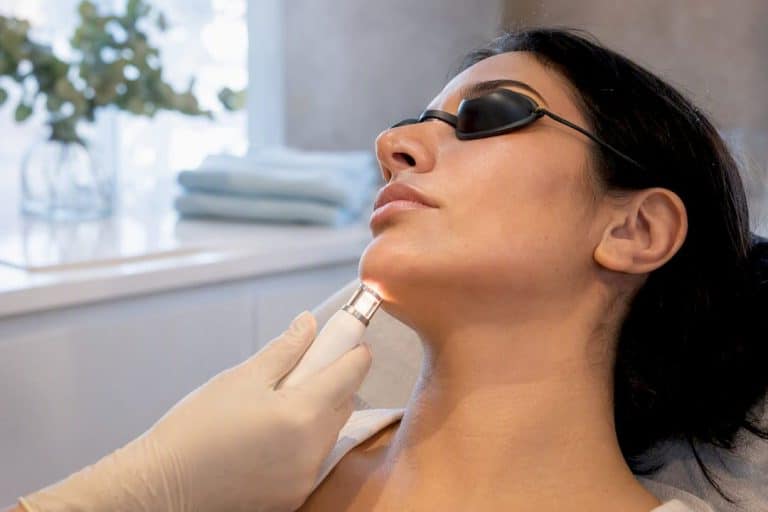

Seeking aesthetic treatments for events is a carefully planned approach to enhance your natural appearance and boost confidence through safe, non-invasive procedures. Pre-event beauty treatments have grown steadily in popularity, with the American Society of Plastic Surgeons reporting continued strong demand for non-surgical options in 2024 and 2025. Treatments like Botox, dermal fillers, microneedling, and chemical peels allow you to address specific concerns without the recovery time of surgery. The goal is never a dramatic overhaul. It is a subtle, well-timed refinement that lets you feel like the best version of yourself when the moment matters most.
Why seek aesthetic treatments for events?
The core reason is straightforward: important occasions are photographed, filmed, and remembered. Weddings, graduations, milestone birthdays, and professional galas all place you in the spotlight, often for hours. Many clients come in noticing early signs of ageing, uneven skin tone, or volume loss they want to address before a specific date.
Minimally invasive treatments like Botox and dermal fillers are popular precisely because they deliver visible results with little downtime. That combination makes them well-suited to event preparation, where you need results that look natural, not rushed. The appeal is not vanity. It is preparation, the same way you would book a tailor or a hairstylist well in advance.
Aesthetic procedures for events also give you a sense of agency. Addressing a concern you have noticed for months, before a day you care deeply about, reduces the background anxiety that often accompanies big occasions. That psychological benefit is as real as the physical one.
What types of aesthetic treatments are commonly chosen for events?
Treatments fall into two broad categories: injectables and skin therapies. Each works differently, suits different goals, and carries its own healing timeline.
Injectables: Botox and dermal fillers
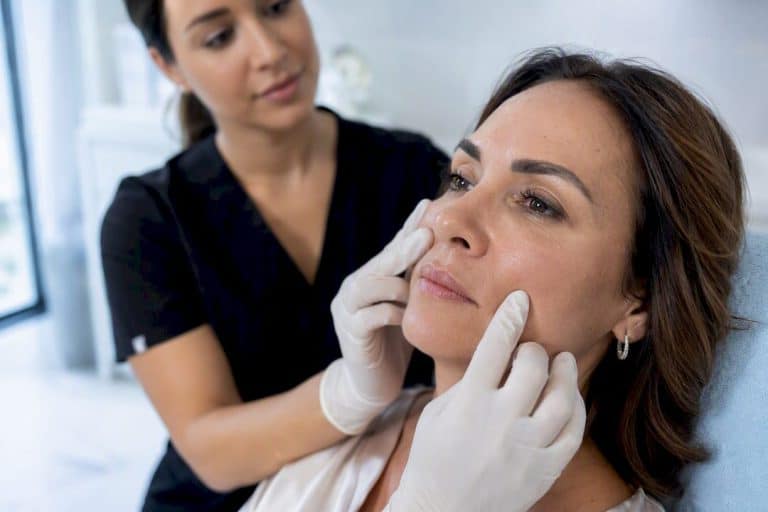
Neuromodulators like Botox relax facial muscles to soften expression lines across the forehead, between the brows, and around the eyes. Dermal fillers, such as Juvederm and Teosyal, restore volume and support natural contours in areas like the cheeks, lips, and jawline. Both treatments are performed in under an hour and require no general anaesthetic. Results from Botox typically settle within 10–14 days, while fillers integrate within 2–4 weeks.
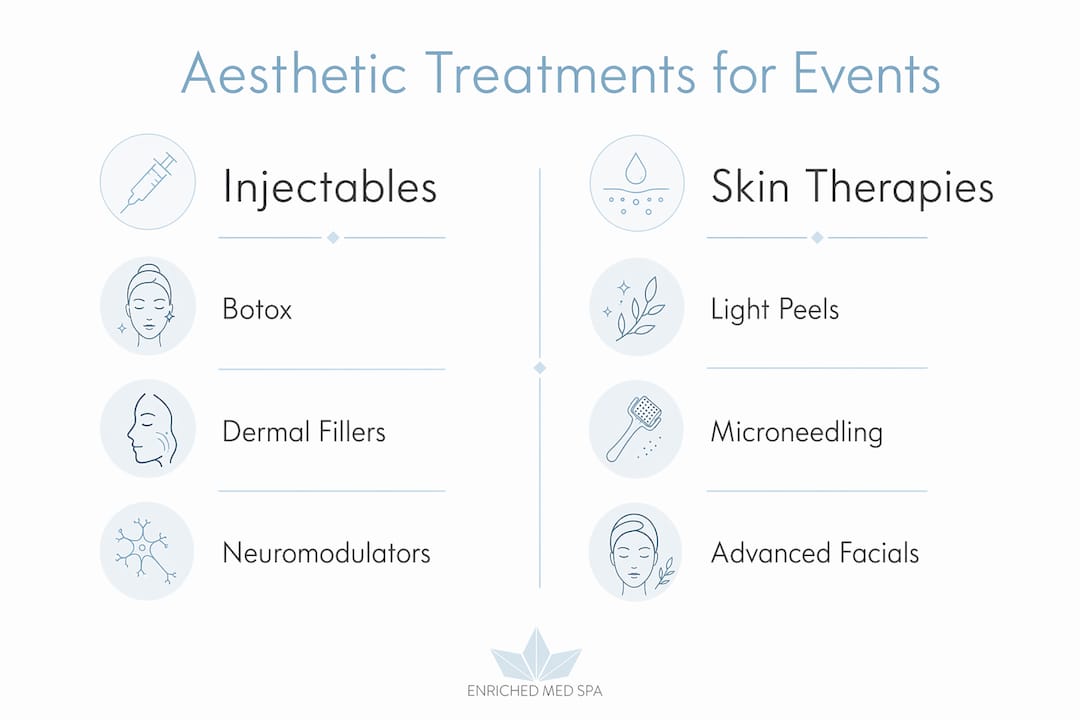
Skin treatments: from light to advanced
| Treatment | Primary effect | Typical healing time |
|---|---|---|
| Medical facial | Hydration, brightness | None to 24 hours |
| Chemical peel | Texture, pigmentation | 3–7 days |
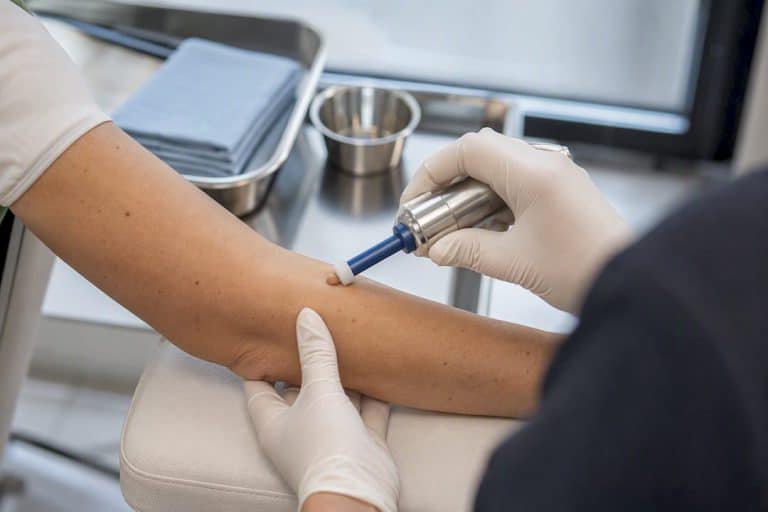
| Microneedling | Collagen, tone, texture | 3–5 days |
| Laser resurfacing | Resurfacing, pigmentation | 5–10 days |
| Radiofrequency tightening | Firmness, lift | Minimal, 1–2 days |
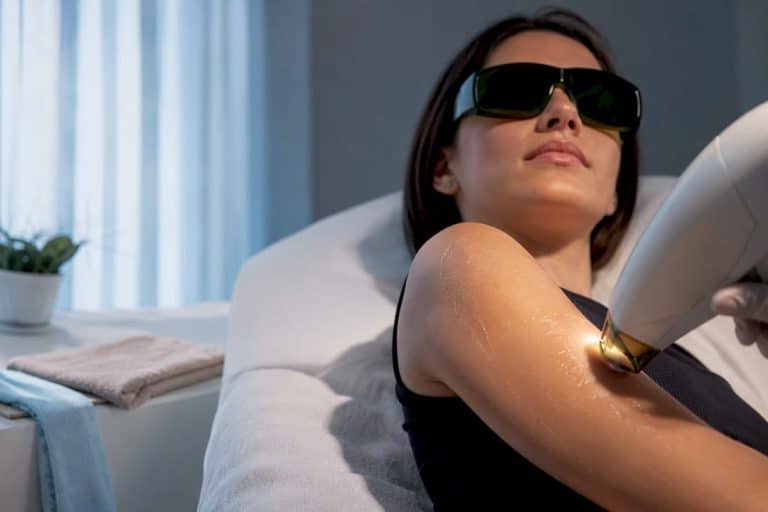
Light treatments like medical facials and mild chemical peels suit clients with shorter timelines or sensitive skin. Advanced options like laser resurfacing and radiofrequency skin tightening produce more significant changes but require more recovery time. Choosing between them depends on your event date, your skin’s baseline, and how much downtime you can accommodate.
- Botox and neuromodulators: best booked 3–4 weeks before the event to allow full settling
- Dermal fillers: book 4–6 weeks ahead to allow integration and any minor touch-ups
- Chemical peels and microneedling: schedule 6–8 weeks out for a series of treatments
- Laser resurfacing and radiofrequency: plan 2–3 months ahead for full results
Pro Tip: Book a consultation at least three months before your event. This gives your clinician time to assess your skin, sequence treatments correctly, and build in a buffer for any follow-up adjustments.
How does timing affect the success of pre-event aesthetic procedures?
Timing is the single most controllable factor in event aesthetic planning. A well-sequenced plan produces natural, settled results. A rushed one produces stress and visible side effects.
An 8-month treatment plan focusing on skin quality, volume, pigmentation, and staged procedures is a well-documented approach for major events like weddings. That timeline allows each treatment to do its work before the next begins, creating layered improvements that look cohesive rather than patchy. You are not stacking procedures on top of unhealed skin.
Scheduling treatments too close to an event increases the risk of complications, insufficient healing, and results that have not yet settled. Bruising from fillers, redness from a peel, or swelling from microneedling can all linger longer than expected. The closer you are to the event, the less room you have to manage those outcomes.
A realistic sequencing plan looks like this:
- Three to six months out: address skin health foundations. Start a medical-grade skincare routine, book an initial consultation, and begin treatments like microneedling or a peel series to improve texture and tone.
- Two to three months out: introduce injectables if appropriate. Botox and fillers at this stage allow full settling and a follow-up appointment if needed.
- Four to six weeks out: lighter maintenance treatments, such as a hydrating facial or a mild peel, to refresh and brighten.
- One to two weeks out: final injectable touch-ups only, if your clinician recommends them. No new treatments at this stage.
- Event week: focus on skincare maintenance, sun protection, and rest.
Pro Tip: Pair your aesthetic treatment timeline with complementary appointments like customised hair styling so every element of your look comes together without last-minute scrambling.
What are the psychological benefits of aesthetic treatments for events?
Appearance and mental well-being are closely connected. Global studies show that aesthetic procedures improve self-perception and social well-being beyond their cosmetic effects. That finding matters because it reframes why people seek these treatments. It is not purely about how you look in photos. It is about how you feel walking into a room.
Clients with realistic expectations and positive body image experience sustained satisfaction and improved self-esteem after aesthetic procedures. The key phrase is “realistic expectations.” Treatments that enhance what is already there produce better psychological outcomes than treatments chasing a dramatic change. This is why a thorough consultation matters as much as the procedure itself.
“Successful event preparation focuses on subtle enhancements that maintain your personality and avoid the psychological stress of drastic change. The goal is to feel like yourself, only more rested and refreshed.” — aesthetic event prep guidance
Many clients also report that the act of planning and investing in their appearance reduces pre-event anxiety. Knowing you have addressed a concern you have carried for months removes one source of self-consciousness. Patients frequently report that the emotional benefits of aesthetic preparation last well beyond the event day itself.
The concerns to watch for are different. Seeking treatments to meet someone else’s expectations, or chasing a look that does not align with your natural features, tends to produce dissatisfaction. A good clinician will ask about your motivations and flag when expectations need recalibrating. That conversation is part of the care, not a formality.
- Healthy motivations: addressing a specific concern, feeling refreshed, reducing self-consciousness
- Motivations that need discussion: seeking approval from others, chasing a look from a filtered photo, expecting a complete identity shift
- Signs of realistic expectations: you can describe the change you want in one or two sentences
- Signs to pause: you cannot articulate what you want, or the goal keeps shifting
How do you personalise aesthetic treatments for your specific event?
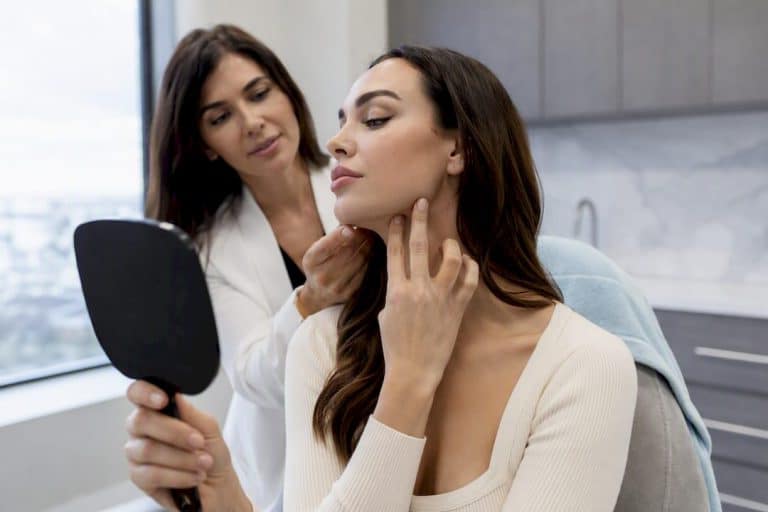
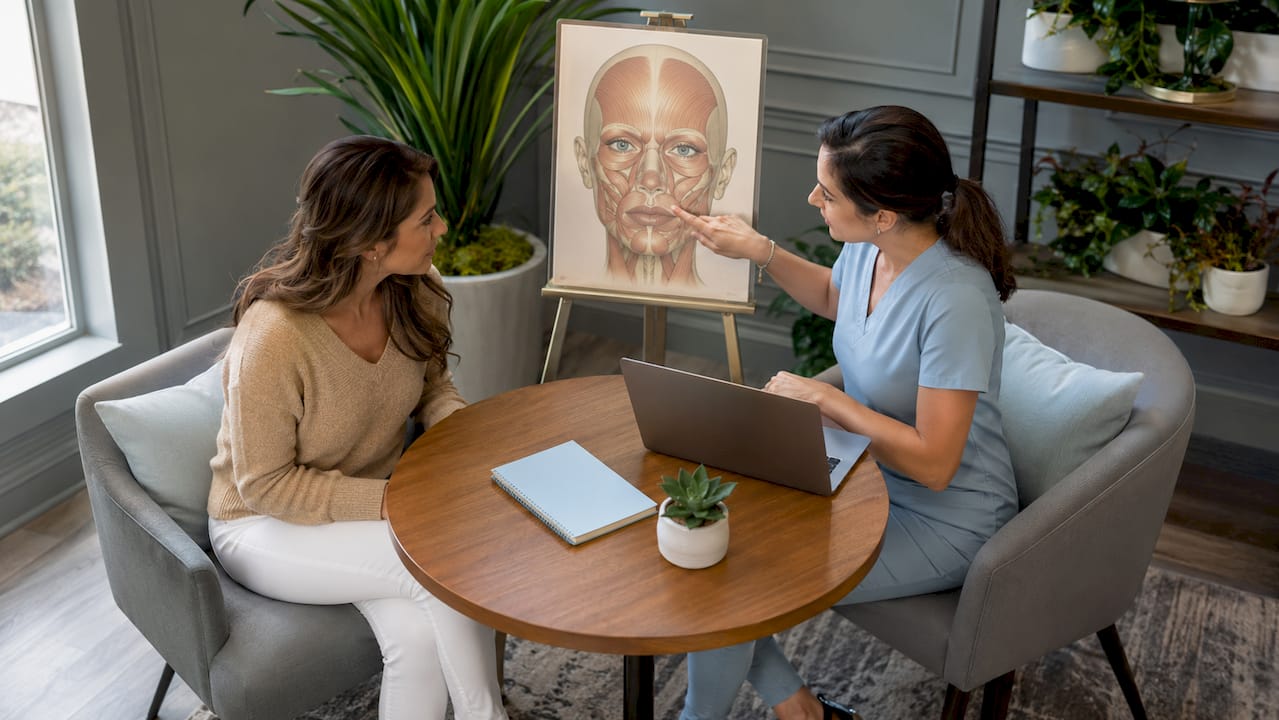
Personalisation starts with a consultation, not a treatment menu. Every face is different, every event timeline is different, and the right plan reflects both. Conservative, individualised treatment plans that enhance existing appearance reduce stress and support adjustment before major milestones. That is the clinical consensus, and it matches what we see in practice.
At Enrichedmedspa, consultations include a thorough assessment of your skin, facial anatomy, and goals before any treatment is recommended. The aim is to understand what you want to feel on the day, then work backwards to build a plan that gets you there safely. Treatments like Juvederm and Teosyal fillers, Botox, Nucieva, and Xeomin are selected based on your specific anatomy, not a one-size approach.
3D imaging platforms like Crisalix and VECTRA allow clients to visualise outcomes before procedures begin. That technology improves communication and sets realistic expectations, reducing the gap between what you imagine and what is clinically achievable. Not every clinic offers this, but the principle applies universally: the more clearly you can communicate your goals, the better your results will be.
When building your personalised plan, consider these factors:
- Event type: a wedding calls for a different approach than a corporate gala or a graduation. Formality, photography style, and duration all influence treatment choices.
- Your natural features: treatments should work with your bone structure and skin type, not against them.
- Your baseline skin health: addressing underlying skin concerns early, such as pigmentation or dehydration, creates a better foundation for any injectable work.
- Your comfort level: if you are new to injectables, starting with a conservative dose and building from there is always the right approach.
- Your timeline: be honest about your event date. A good clinician will tell you if a treatment is not feasible in the time available.
Pro Tip: Bring reference photos to your consultation, but choose images of yourself at your best rather than images of someone else. This gives your clinician a clear, realistic target that respects your natural appearance.
A personalised dermal filler plan also accounts for how treatments interact with each other. Combining fillers with skin treatments like microneedling or radiofrequency tightening can amplify results, but the sequencing must be managed carefully to avoid over-treating the skin in a short window.
Key takeaways
Pre-event aesthetic planning works best when it starts early, focuses on subtle enhancements, and aligns with realistic expectations grounded in your natural appearance.
| Point | Details |
|---|---|
| Start planning early | Begin consultations at least three months before your event to allow proper sequencing and healing. |
| Match treatment to timeline | Light treatments suit shorter timelines; advanced procedures like laser resurfacing need 2–3 months. |
| Realistic expectations matter | Clients with clear, realistic goals report better satisfaction and reduced anxiety after treatments. |
| Personalisation is non-negotiable | Your facial anatomy, skin health, and event type all shape the right treatment plan for you. |
| Confidence is the real outcome | The psychological benefit of addressing a concern before a major milestone lasts beyond the event day. |
What I have learned from watching clients prepare for their biggest days
I have seen a lot of event preparation timelines over the years, and the ones that go well share one thing: they start with a conversation, not a treatment list. The clients who come in three months out, willing to talk about what they actually want to feel on the day, consistently get the best results. Not because they had more treatments, but because their plan was built around them.
The ones that concern me are the clients who arrive six weeks out wanting to address five years of concerns in one session. That urgency is understandable. The event is real, the pressure is real, and the desire to feel your best is completely valid. But rushing aesthetic procedures produces exactly the opposite of what you want: visible side effects, unsettled results, and more anxiety, not less.
The other thing I would push back on is the idea that more treatments equal better results. A single well-placed filler treatment, or a series of three microneedling sessions, can do more for your confidence than a packed schedule of procedures. Restraint is a skill in aesthetics. The goal is for people to say you look well-rested and radiant, not to notice that something has changed.
Viewing aesthetic treatments as part of your overall well-being, rather than a last-minute fix, changes how you approach the whole process. You sleep better, you give treatments time to work, and you walk into your event feeling prepared rather than patched together. That shift in mindset is worth more than any single procedure.
— Felix
Enrichedmedspa’s approach to event-ready aesthetic care
Enrichedmedspa serves clients in Woodbridge and East Gwillimbury, Ontario, with a full range of non-surgical treatments designed for exactly this kind of preparation. Whether you are planning for a wedding, a milestone birthday, or a professional event, the team builds personalised plans around your timeline, your anatomy, and your goals. Treatments include cosmetic injectables like Botox, Nucieva, Xeomin, and dermal fillers such as Juvederm and Teosyal, alongside medical-grade skin therapies including microneedling, chemical peels, and radiofrequency tightening. Every plan starts with a thorough consultation focused on natural results and realistic expectations. If you are preparing for a significant occasion, medical aesthetics and confidence are more connected than most people realise, and the right support makes all the difference.
FAQ
How far in advance should I book aesthetic treatments for an event?
Book your initial consultation at least three months before your event. This allows time for a staged treatment plan, proper healing, and any follow-up adjustments.
Are aesthetic treatments safe for first-time clients before a big event?
Yes, when performed by a qualified clinician and planned with adequate lead time. Starting with conservative treatments and building from there reduces the risk of unexpected results.
What is the difference between Botox and dermal fillers for event prep?
Botox relaxes muscles to soften expression lines, while dermal fillers restore volume and contour. Many clients use both in a coordinated plan for balanced, natural-looking results.
Can I combine multiple treatments before an event?
Yes, but sequencing matters. A clinician will space treatments to allow healing between sessions and avoid over-treating the skin in a compressed timeline.
What if I have never had aesthetic treatments before?
Starting before a major event is common and appropriate. A thorough consultation will identify which treatments suit your skin, your goals, and your timeline, without pressure to do more than you are comfortable with.