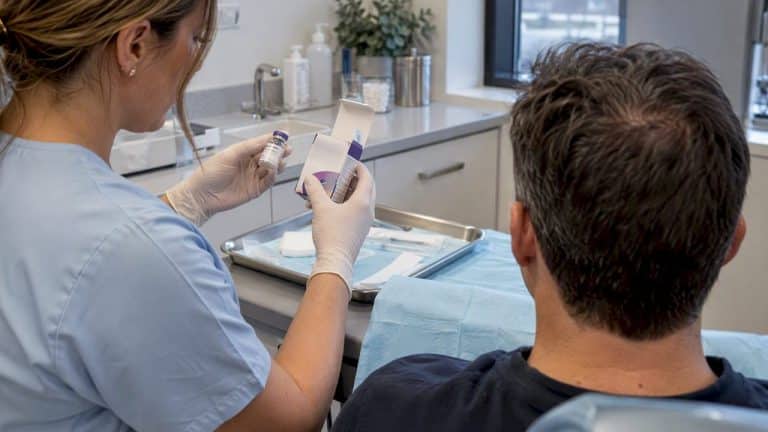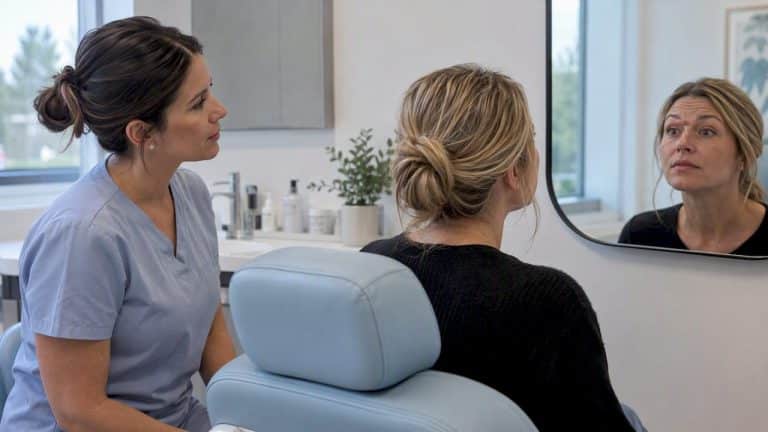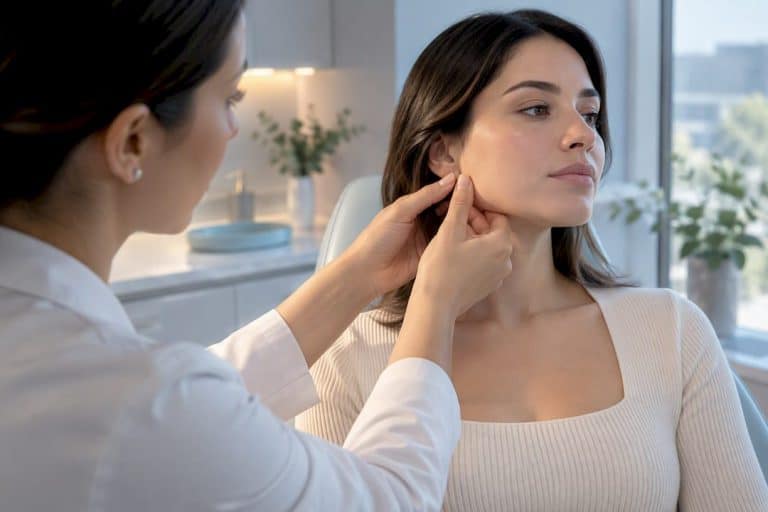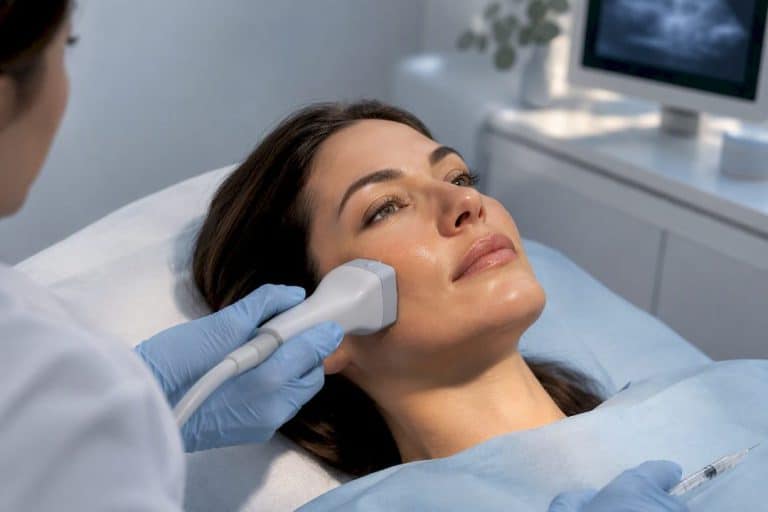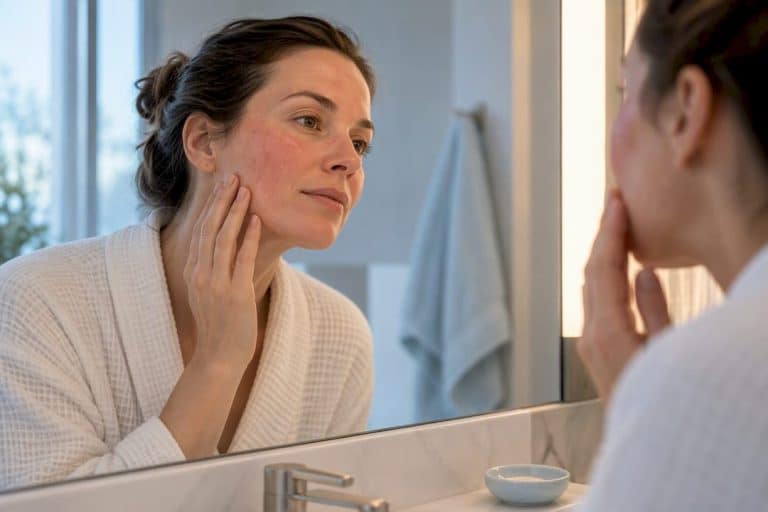

Modern aesthetic treatments are minimally invasive procedures that address visible signs of ageing, skin texture irregularities, and volume loss without surgery. The field has grown substantially: non-surgical procedures reached 20.5 million worldwide in 2024, representing a 42.5% increase in procedure volume since 2020. That growth reflects a genuine shift in how people approach skin health, moving away from surgical interventions toward targeted, lower-downtime options. Treatments now span neurotoxins like Botox, dermal fillers such as Juvederm and Teosyal, energy-based devices, and regenerative therapies using biologics. Understanding what are modern aesthetic treatments, and how each category works, helps you choose the right path for your goals.
What are the main categories of modern aesthetic treatments?
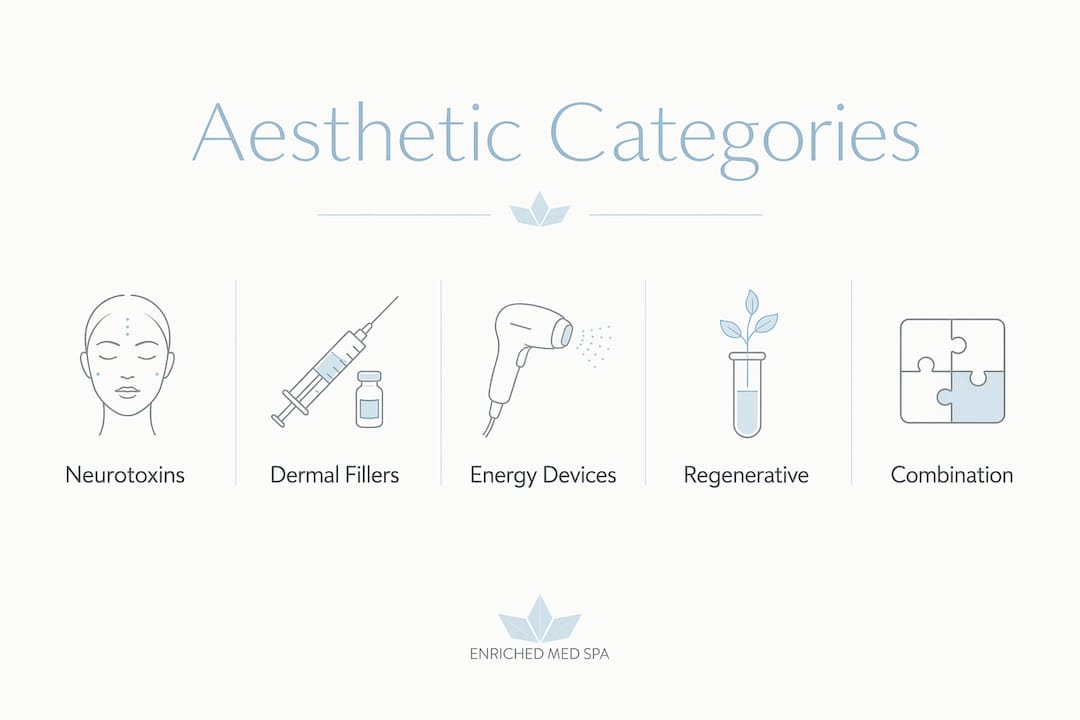
Modern aesthetic treatments fall into four broad categories, each working through a different mechanism to improve skin quality and appearance.
Neurotoxins temporarily relax the muscles that cause dynamic wrinkles. Botox, Nucieva, and Xeomin are the most established options. Health Canada recently approved Boey, a botulinum neurotoxin serotype E for moderate-to-severe glabellar lines. Its rapid onset and short 2–3 week duration make it a useful entry point for people who are curious about neurotoxins but hesitant to commit.
Dermal fillers restore volume and contour areas that have lost structural support over time. Products like Juvederm and Teosyal use hyaluronic acid to plump the skin from within. Understanding the difference between Botox and fillers is one of the first steps toward building a realistic treatment plan.

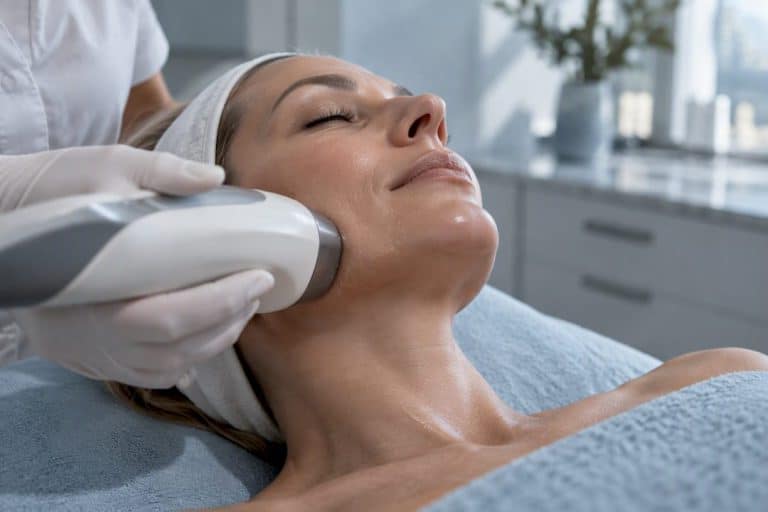
Energy-based devices use laser, radiofrequency, or ultrasound energy to stimulate collagen production and tighten lax skin. These treatments work beneath the surface without breaking the skin barrier, making them well-suited for texture concerns, mild laxity, and overall skin quality. Laser and radiofrequency customisation now allows providers to adjust pulse duration, energy density, and delivery depth to match individual skin types.
Regenerative therapies represent the newest category. Platelet-rich plasma (PRP), platelet-rich fibrin (PRF), and exosomes use the body’s own repair mechanisms to stimulate tissue renewal. These biologics work differently from fillers or neurotoxins because they do not add or block anything. They prompt the skin to rebuild itself.
| Category | Primary mechanism | Common treatment areas |
|---|---|---|
| Neurotoxins | Muscle relaxation | Forehead, glabella, crow’s feet |
| Dermal fillers | Volume restoration | Cheeks, lips, nasolabial folds, neck |
| Energy-based devices | Collagen stimulation | Full face, neck, décolletage |
| Regenerative therapies | Tissue repair via biologics | Scalp, face, under-eye area |
How do modern aesthetic treatments support natural, long-lasting results?
The most effective aesthetic outcomes today come from combining treatment modalities rather than relying on a single procedure. A neurotoxin addresses dynamic lines, a filler restores lost volume, and an energy device improves skin tone and tightness. Together, they produce a result that looks balanced rather than treated.
This shift toward combination protocols reflects a broader change in how providers think about ageing. Volume loss, muscle activity, and skin quality are three separate problems. Treating only one of them often leaves the other two unaddressed, which is why many clients who have had fillers alone still feel something is missing.
Customisation is central to this approach. Adjusting the energy density and pulse duration of a laser or radiofrequency device changes how deeply it acts in the skin. That flexibility means the same device can treat fair skin conservatively and darker skin safely, with the right settings. Providers who understand these parameters deliver more consistent results.
Realistic timelines matter here. Neurotoxins take 7–14 days to reach full effect. Fillers show results immediately but settle over two weeks. Energy-based treatments build collagen gradually, with visible improvement appearing over 3–6 months. Regenerative therapies like PRP treatments follow a similar slow-build timeline because they depend on the body’s natural repair cycle.
Pro Tip: Ask your provider to explain the mechanism of each treatment they recommend. If they cannot tell you how it works and when you will see results, that is a signal to ask more questions before proceeding.
What are the latest innovations in aesthetic procedures?
The most discussed new approval in 2026 is Skinvive by Juvéderm, which received FDA approval for reducing horizontal neck lines caused by tech-neck. Skinvive delivers hyaluronic acid micro-droplets into the skin to improve moisture and texture, not to add volume or lift. Results last approximately six months. The approval is significant because the neck has historically been one of the harder areas to treat with injectables alone.
That said, Skinvive works best as part of a broader neck rejuvenation plan. Optimal neck results typically require combining Skinvive with radiofrequency tightening and neuromodulators. Skinvive addresses skin quality; it does not address laxity or muscle banding. Understanding that distinction prevents disappointment.
Other notable trends shaping current aesthetic practice include:
- Boey neurotoxin: Rapid onset within hours and a short 2–3 week duration give first-time patients a low-risk way to experience neurotoxin results before committing to a longer-acting product.
- Regenerative biologics: PRP, PRF, and exosomes are appearing in more treatment protocols as regenerative medicine moves from niche to mainstream. They work particularly well alongside microneedling and laser treatments.
- Customisable energy devices: Modern laser technologies now allow precise adjustment of treatment parameters, improving safety across diverse skin tones.
- Non-surgical skin lifting: Radiofrequency and ultrasound devices continue to improve in their ability to tighten skin without incisions or recovery time. You can read more about non-surgical lifting options to see how these fit into a broader skin health plan.
Patient satisfaction data supports these trends. A 2026 European study found that 93% of patients reported improvement after non-invasive aesthetic procedures. The same study noted that 67.8% of patients factored cost into their decision, which reflects how practical considerations shape real treatment choices.
What should you consider when choosing an aesthetic treatment?
Start with a clear picture of your primary concern. Wrinkles caused by muscle movement respond to neurotoxins. Volume loss in the cheeks or lips responds to fillers. Skin laxity and texture respond to energy-based devices or regenerative therapies. Many clients come in focused on one concern and discover during a consultation that a different treatment would serve them better.
Downtime is a practical factor that shapes what is realistic for your life. Chemical peels and laser resurfacing require several days of recovery. Neurotoxins and most filler treatments involve little to no downtime. Radiofrequency skin tightening sits in the middle, with mild redness that typically resolves within 24 hours.
Consider these questions before booking any treatment:
- What is the specific concern I want to address, and which category of treatment targets it directly?
- How much downtime can I realistically manage in the next two weeks?
- Am I looking for a short-term preview (Boey) or a longer-lasting result?
- Does my provider have experience with combination protocols, or do they specialise in a single modality?
- Do I have realistic expectations about the timeline for results?
Psychological readiness also matters. Aesthetic medicine improves quality of life and self-esteem, but it works best when clients have realistic goals and a stable sense of self. Providers who take time to understand your motivations are more likely to recommend treatments that will genuinely satisfy you.
Pro Tip: Bring a photo of yourself from 5–10 years ago to your consultation. It gives your provider a concrete reference point for what “natural” looks like on your face, rather than working from a generic ideal.
How do treatment outcomes affect confidence and well-being?
Aesthetic treatments produce measurable psychological benefits when expectations are grounded in reality. A 2026 study found that pan-facial injectable treatments made participants appear 3.6 years younger based on clinician perception, with high satisfaction scores on the Global Aesthetic Improvement Scale. That kind of result, modest but consistent, tends to produce lasting confidence rather than a temporary lift.
The connection between appearance and well-being is real, but it has limits. Aesthetic treatments address the surface. They do not resolve underlying anxiety about ageing or body image concerns that run deeper. Providers who recognise this refer clients for counselling when appropriate, rather than adding more treatment.
“Aesthetic medicine improves quality of life and self-esteem, but psychological readiness is essential. Patients with body dysmorphic disorder may remain dissatisfied regardless of outcome.” — Clinical research on psychological aspects of aesthetic medicine
Wellness trends in aesthetics are moving toward a more integrated model. Clients increasingly ask about skin health as part of overall health, not just appearance. Treatments like PRP and regenerative therapies fit naturally into this mindset because they work with the body rather than against it. The broader benefits of facial treatments extend beyond the visible result.
Key takeaways
Modern aesthetic treatments deliver the best outcomes when the right category of treatment is matched to the right concern, combined thoughtfully, and supported by realistic expectations.
| Point | Details |
|---|---|
| Four main categories | Neurotoxins, fillers, energy-based devices, and regenerative therapies each target different concerns. |
| Combination protocols work best | Addressing volume, muscle activity, and skin quality together produces more natural results than single treatments. |
| New approvals expand options | Skinvive and Boey offer targeted solutions for tech-neck and first-time neurotoxin patients respectively. |
| Patient satisfaction is high | A 2026 European study found 93% of patients reported improvement after non-invasive procedures. |
| Psychological readiness matters | Realistic expectations and stable motivations lead to greater long-term satisfaction with results. |
What I have learned from watching the aesthetics field evolve
The most common mistake I see is clients choosing a treatment based on what they have heard about rather than what their skin actually needs. Volume-focused therapies like fillers are excellent tools, but they do not fix skin quality. If your concern is dullness, rough texture, or fine surface lines, adding more filler will not solve it. You need a treatment that works at the level of the skin itself, whether that is a peel, a laser, microneedling, or a regenerative biologic.
The shift toward combination protocols is the most meaningful change in the field over the past few years. A well-designed plan that uses a neurotoxin, a filler, and an energy device together produces a result that looks like a rested, healthier version of you. A single treatment used in isolation often looks like exactly that: a single treatment.
I am also encouraged by options like Boey. The fear of looking frozen or overdone stops many people from trying neurotoxins at all. A product that shows results within hours and wears off in two to three weeks removes that barrier. It lets you make an informed decision based on your own experience rather than someone else’s result.
The most satisfied clients I have observed are those who came in with a specific concern, received an honest assessment, and followed a plan that addressed the root cause rather than the most obvious symptom. That combination of clarity, honesty, and patience produces results that hold up over time.
— Felix
Aesthetic treatments at Enrichedmedspa: where to start
Enrichedmedspa serves clients in Woodbridge and East Gwillimbury, Ontario, with a full range of non-surgical treatments including Botox, Nucieva, Xeomin, Juvederm, Teosyal, microneedling, chemical peels, laser resurfacing, and radiofrequency skin tightening. Every treatment plan begins with a personalised consultation focused on your specific skin concerns and goals. If you are weighing injectable options, the injectable patient’s guide explains how facial anatomy shapes treatment decisions. For a broader look at what is available, the skin treatment options page walks through the full range of services. Enrichedmedspa’s approach is clinical, honest, and focused on results that look natural.
FAQ
What are modern aesthetic treatments?
Modern aesthetic treatments are minimally invasive, non-surgical procedures that address ageing signs, skin texture, and volume loss. They include neurotoxins, dermal fillers, energy-based devices, and regenerative therapies like PRP.
How long do modern aesthetic treatment results last?
Results vary by treatment type. Neurotoxins typically last 3–4 months, dermal fillers 6–18 months depending on the product, and energy-based treatments build collagen over 3–6 months with results that can last a year or more.
Are non-invasive aesthetic procedures safe?
A 2026 European study found that 93% of patients reported improvement after non-invasive procedures, with side effects limited to mild redness, swelling, and bruising. Safety depends significantly on provider expertise and appropriate patient selection.
What is Skinvive and what does it treat?
Skinvive by Juvéderm is an injectable hyaluronic acid treatment approved by the FDA in june 2026 for reducing horizontal neck lines caused by tech-neck. It improves skin moisture and texture rather than adding volume, with results lasting approximately six months.
How do I know which aesthetic treatment is right for me?
The right treatment depends on your specific concern: neurotoxins for dynamic wrinkles, fillers for volume loss, energy devices for laxity and texture, and regenerative therapies for overall skin quality. A consultation with a qualified provider is the most reliable way to identify the best approach for your goals.