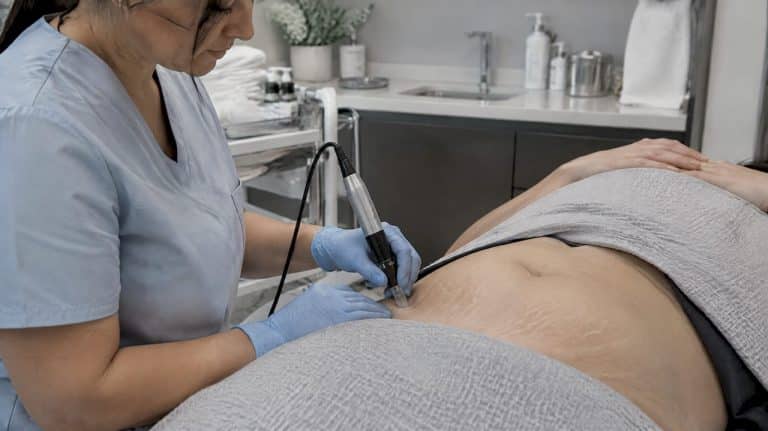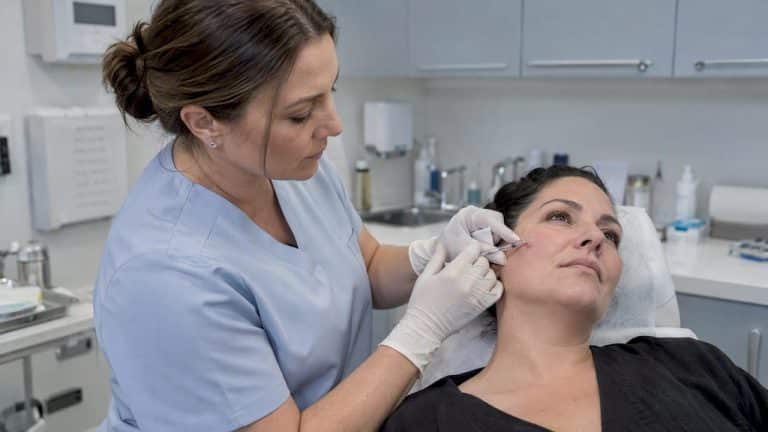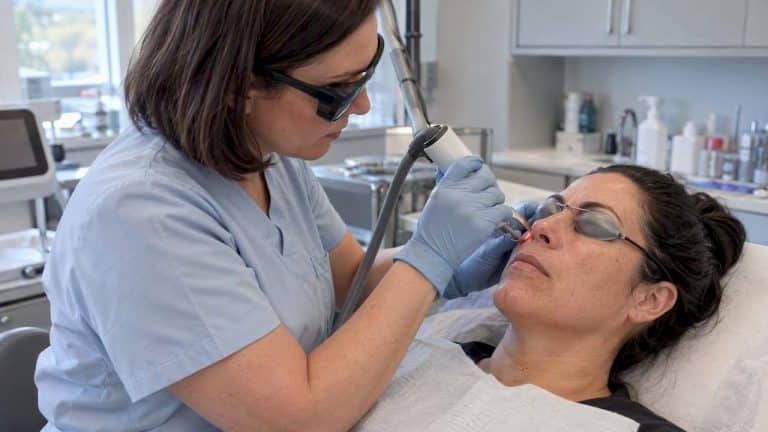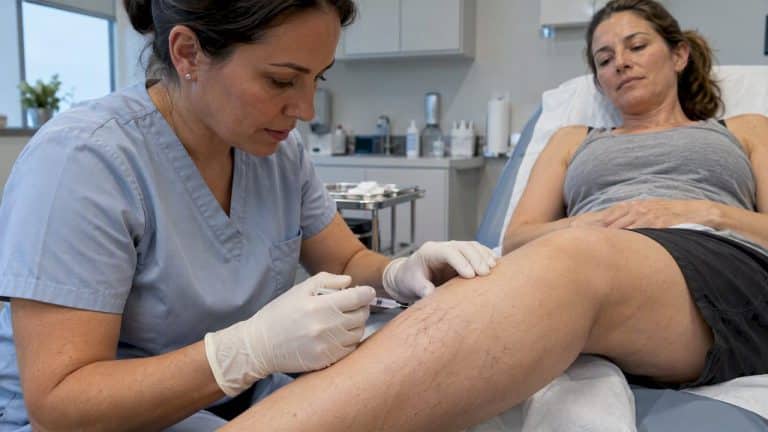

Non-surgical facelift options are treatments that improve facial volume, muscle tone, and skin quality using injectables and energy-based devices, without incisions or general anaesthesia. They suit adults aged 30–55 with mild to moderate signs of aging, such as early jowling, volume loss, or fine lines. Treatments like dermal fillers, Botox, and radiofrequency skin tightening each address a different layer of facial aging. Together, they can produce a refreshed, natural appearance with minimal downtime and a lower upfront cost than surgery.
What are the main non-surgical facelift options and how do they work?
Non-surgical facelift treatments suit individuals aged 30–55 with mild to moderate skin laxity and fall into three foundational categories. Each category targets a distinct layer of facial aging, which is why combining them tends to produce the most balanced results.
Volume restoration addresses the fat and bone loss that causes hollowing in the cheeks, temples, and under-eye area. Dermal fillers made from hyaluronic acid, such as Juvederm and Teosyal, replace lost volume and restore contour support. Results typically last 6–18 months depending on the product and area treated.

Muscle refinement uses neuromodulators to relax the muscles responsible for expression lines. Botox, Nucieva, and Xeomin are the most widely used options in Canada. They soften forehead lines, crow’s feet, and frown lines, with results lasting approximately 3–4 months before a top-up is needed.
Skin tightening relies on energy-based devices to stimulate collagen production in the deeper layers of the skin. Radiofrequency and focused ultrasound technologies heat the dermis or deeper tissue, triggering the body’s natural repair response. Results from RF and ultrasound peak around 3 months after 2–3 sessions and can last 12–18 months.
Pro Tip: Ask your provider which category addresses your primary concern first. Treating volume loss before skin tightening often produces more natural-looking results.
Top 6 non-surgical treatments to consider
The leading non-surgical treatments each target different facial aging concerns. Understanding what each one does helps you have a more informed conversation with your provider.
1. Dermal fillers
Hyaluronic acid fillers like Juvederm and Teosyal restore volume in the cheeks, jawline, and lips. Sculptra, a poly-L-lactic acid filler, stimulates collagen over time rather than adding immediate volume. Most patients need 1–2 sessions, with results lasting 6–18 months. Mild swelling and bruising are common for 2–5 days after treatment. You can read more about how fillers restore facial structure to understand the anatomy behind the approach.
2. Neuromodulators (Botox, Nucieva, Xeomin)
Neuromodulators relax overactive facial muscles to soften dynamic wrinkles. A single session takes 15–20 minutes with no downtime. Results appear within 3–7 days and last 3–4 months. They are best suited for forehead lines, crow’s feet, and the area between the brows. Combining Botox with fillers can achieve a non-surgical facelift effect that neither treatment produces alone.
3. Thread lifts (PDO threads)
PDO thread lifts insert dissolvable sutures under the skin to create a gentle mechanical lift. They also stimulate collagen along the thread path, improving skin firmness over time. Social downtime is typically 5–7 days due to mild swelling and bruising. Results last approximately 12–18 months. Thread lifts work best for patients with early jowling and mild skin laxity rather than significant tissue descent.
4. Radiofrequency microneedling
Devices like Morpheus8 and Sylfirm RF combine microneedling with radiofrequency energy to tighten skin and improve texture simultaneously. The microneedles deliver RF energy at precise depths, heating the dermis and stimulating collagen remodelling. Most patients need 3 sessions spaced 4–6 weeks apart. Energy-based treatments build results gradually, with full improvement visible 3 months after the final session.
5. Focused ultrasound (Ultherapy)
Ultherapy uses focused ultrasound energy to target the SMAS layer, the same tissue layer addressed in surgical facelifts. This makes it one of the deepest-acting non-surgical skin tightening procedures available. Most patients need 1–2 sessions per year. Mild redness and swelling resolve within 1–3 days. Results are gradual, building over 3–6 months as collagen production increases.
6. Laser skin resurfacing
CO2 and Fraxel lasers resurface the outer skin layers to reduce fine lines, sun damage, and uneven texture. They stimulate collagen in the deeper dermis while removing damaged surface cells. Social downtime ranges from 5–14 days depending on the intensity of the treatment. Laser resurfacing is most effective for skin quality concerns rather than volume or laxity, making it a strong complement to injectables.
| Treatment | Primary concern | Downtime | Duration of results |
|---|---|---|---|
| Dermal fillers | Volume loss, contour | 2–5 days | 6–18 months |
| Neuromodulators | Dynamic wrinkles | None | 3–4 months |
| Thread lifts | Mild skin laxity | 5–7 days | 12–18 months |
| RF microneedling | Skin tightening, texture | 1–3 days | 12+ months |
| Ultherapy | Deep tissue lifting | 1–3 days | 12–18 months |
| Laser resurfacing | Skin quality, fine lines | 5–14 days | 12–24 months |
Pro Tip: Schedule energy treatments and laser sessions at least 4 weeks before a major social event. Gradual collagen stimulation means your best results appear weeks after the appointment, not the next day.
How to choose the right treatment for your skin and concerns
Choosing the right approach starts with an honest assessment of your skin. Patient candidate selection strongly predicts satisfaction, and those with minimal laxity and good skin elasticity see the best outcomes from non-surgical treatments.
Consider these factors when narrowing down your options:
- Degree of skin laxity. Mild laxity responds well to RF, ultrasound, and threads. Significant skin descent usually requires surgery for meaningful correction.
- Primary concern. Volume loss calls for fillers. Expression lines call for neuromodulators. Skin texture and firmness respond best to energy-based devices or laser.
- Lifestyle and downtime tolerance. If you cannot take time away from work or social commitments, neurotoxins and RF treatments with minimal downtime are more practical than laser resurfacing or thread lifts.
- Budget and maintenance. Non-surgical treatments require ongoing maintenance. Neuromodulators need refreshing every 3–4 months. Energy treatments may need annual sessions. Factor these costs into your planning.
- Realistic expectations. Non-surgical treatments improve skin texture, volume, and firmness. They do not reposition deep tissue the way surgery does. Results build gradually and rely on the body’s healing response.
Many clients at Enrichedmedspa come in noticing tired-looking skin or early hollowing in the mid-face. A layered plan addressing volume, muscle, and skin quality together tends to produce the most natural result. Consulting an experienced provider before committing to any single treatment is the most reliable way to build a plan that fits your face and your goals.
What to expect during treatment and recovery
Most non-surgical treatments are well tolerated and require little to no formal recovery. That said, social downtime from mild bruising and swelling is common, and planning around your calendar matters more than most people expect.
Here is a realistic breakdown by treatment type:
- Neurotoxins and fillers. Medical downtime is essentially zero. Mild bruising or swelling at injection sites can last 2–5 days. Most people return to work the same day.
- RF and ultrasound treatments. No formal recovery is required. Mild redness or swelling typically resolves within 1–3 days. Some patients feel a slight tenderness in the treated area for a few days.
- Thread lifts. Expect 5–7 days of visible swelling and bruising. Avoid strenuous activity and facial massage for 2 weeks after treatment.
- Laser resurfacing. This carries the longest social downtime of any non-surgical option, ranging from 5–14 days depending on treatment depth. Skin will appear red and may peel during healing.
Patients should plan treatments around social and work calendars accordingly. A thread lift or laser session the week before a wedding or important event is not advisable. Booking 4–6 weeks ahead gives your skin time to settle and your results time to develop.
One pattern worth noting: many people underestimate how much mild bruising affects their confidence in the days after treatment. Scheduling a consultation at Enrichedmedspa before booking gives you a clear picture of what to expect for your specific skin and treatment plan.
Key takeaways
The most effective approach to non-surgical facial rejuvenation combines volume restoration, muscle refinement, and skin tightening treatments tailored to your specific aging concerns and skin condition.
| Point | Details |
|---|---|
| Three treatment categories | Volume, muscle, and skin tightening each address a different layer of facial aging. |
| Candidate selection matters | Mild laxity and good elasticity produce the best non-surgical outcomes. |
| Results build gradually | Energy treatments peak 3 months after sessions; fillers show results within days. |
| Plan around your calendar | Social downtime from bruising or swelling can last 2–14 days depending on treatment. |
| Maintenance is ongoing | Neuromodulators need refreshing every 3–4 months; energy treatments annually. |
Why I think most people approach non-surgical facelifts backwards
Most people walk into a consultation focused on a single treatment. They have read about Ultherapy or seen a filler result they liked online, and they want that specific thing. I understand the impulse. But viewing a non-surgical facelift as a single procedure is the most common mistake I see, and it is the reason so many people end up with results that look slightly off rather than refreshed.
The face ages in layers. Volume drops in the cheeks and temples. Muscles pull downward with repeated movement. Skin loses collagen and elasticity over time. No single treatment addresses all three simultaneously. When you only fill volume without addressing muscle tone, or only tighten skin without restoring lost structure, the result can look unbalanced.
The other thing I want to be direct about: non-surgical lifting achieves millimetres of improvement, not centimetres. That is not a limitation to apologise for. It is the right tool for the right stage of aging. For adults in their 30s and 40s, that level of correction is often exactly what is needed to look like a rested, healthy version of yourself. Expecting surgical-level repositioning from injectables and RF will always lead to disappointment, and sometimes to overfilling that creates the distortion people are trying to avoid.
The patients I see who are most satisfied are the ones who commit to a maintenance plan and understand they are investing in gradual, cumulative improvement. They are not chasing a dramatic before-and-after. They are keeping their skin in good condition year over year, which is a fundamentally different and more sustainable goal.
— Felix
Enrichedmedspa: personalized non-surgical facelift plans in Woodbridge
Enrichedmedspa serves clients in Woodbridge and East Gwillimbury, Ontario, with a full range of non-invasive facial rejuvenation treatments. The clinic offers cosmetic injectables including Botox, Nucieva, Xeomin, Juvederm, and Teosyal, alongside radiofrequency skin tightening and laser resurfacing. Every plan is built around your specific skin condition, aging concerns, and lifestyle. If you are weighing your injectable options, the Botox vs. fillers comparison is a helpful starting point. For a deeper understanding of how anatomy shapes treatment decisions, the facial anatomy guide for injectables walks you through what providers consider before recommending a plan. Book a consultation to get a clear, honest assessment of what will work best for your face.
FAQ
What is the difference between a non-surgical and surgical facelift?
A surgical facelift repositions deep facial tissue and removes excess skin through incisions. Non-surgical options improve volume, muscle tone, and skin quality without surgery, producing gradual, subtler results with minimal downtime.
How long do non-surgical facelift results last?
Results vary by treatment. Neuromodulators last 3–4 months, dermal fillers last 6–18 months, and energy-based treatments like radiofrequency and Ultherapy last 12–18 months with proper maintenance.
Are non-surgical facelift treatments safe?
When performed by a qualified provider, treatments like Botox, dermal fillers, and radiofrequency are well-established and carry low risk. Mild bruising, swelling, and temporary redness are the most common side effects.
Who is the best candidate for non-surgical facial rejuvenation?
Adults aged 30–55 with mild to moderate skin laxity and good baseline skin elasticity see the best results. Those with significant skin descent or deep tissue laxity are typically better served by surgical correction.
Can I combine multiple non-surgical treatments?
Yes. Combining injectables and energy treatments delivers 50–70% of surgical facelift visual results by addressing volume, muscle, and skin quality together. A layered approach produces more natural outcomes than any single treatment alone.
Recommended
- Top skin rejuvenation treatments: your 2026 guide
- Medical spa treatments list: your complete guide
- The role of Botox in aesthetics: a 2026 guide
- How can combining BOTOX and Juvéderm achieve a non-surgical facelift? – Botox Laser Hair Removal OxyGeneo Medi Facial Microneedling – Enriched Med Spa – Vaughan Woodbridge Maple Vellore Village