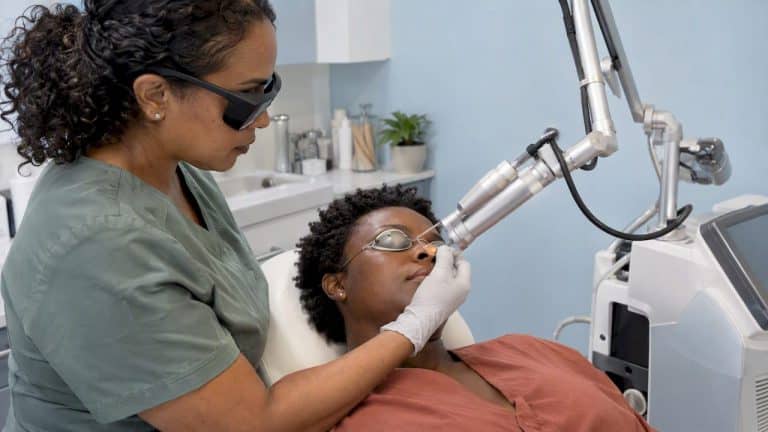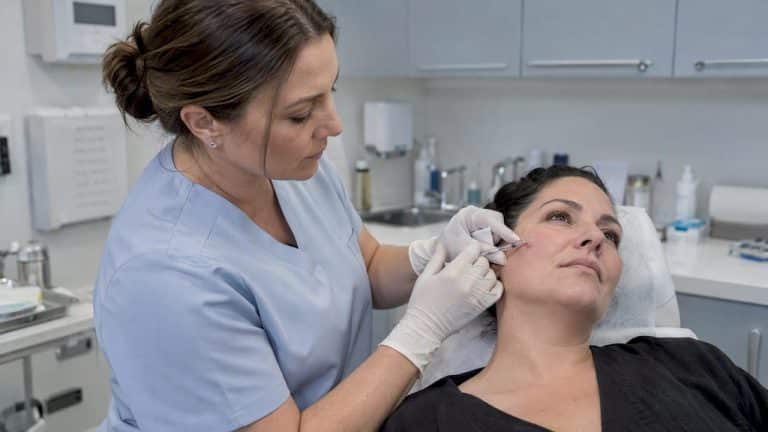

Proper Botox preparation is defined as a set of pre-treatment steps that reduce bruising, protect skin integrity, and create the conditions for precise toxin placement. Knowing how to prepare for Botox before your appointment separates a smooth, natural-looking result from one complicated by unnecessary swelling or irritation. The steps are specific: pausing blood-thinning medications like aspirin and ibuprofen, discontinuing retinoids and AHAs, adjusting your lifestyle in the days leading up to treatment, and arriving with a clean face and a clear medical history. This guide walks you through every stage, from your initial consultation with a qualified injector to what you do the morning of your appointment and the hours that follow.
What should you avoid before botox treatment?
The most important pre-treatment step is removing anything from your routine that increases bruising or skin sensitivity. Blood-thinning medications such as aspirin, ibuprofen, and naproxen should be paused 7–10 days before your appointment. These medications slow clotting, which means even the small needle punctures from Botox injections can result in more visible bruising than necessary.
Supplements carry the same risk. High-dose Vitamin E, fish oil, and ginkgo biloba all have blood-thinning properties and should be paused during the same 7–10 day window. Many clients are surprised to learn their daily wellness supplements can affect their results. Always disclose all medications and supplements to your injector during the consultation so they can flag anything you may have missed.
Your skincare routine also needs a brief pause. The key ingredients to stop using 2–3 days before treatment include:
- Retinoids (retinol, tretinoin): increase skin sensitivity and can cause surface irritation at injection sites
- AHAs and BHAs (glycolic acid, salicylic acid): exfoliate the skin barrier and leave it more reactive
- Vitamin C serums in high concentrations: can sensitise skin when used close to treatment
- Harsh physical exfoliants: disrupt the skin surface and increase inflammation risk
Beyond your at-home routine, avoid in-office cosmetic procedures like chemical peels, laser treatments, and waxing for at least one week before your Botox appointment. These treatments create temporary inflammation in the skin. Injecting into already-irritated tissue makes precise placement harder and increases the chance of side effects.
Pro Tip: If you are unsure whether a product in your routine contains AHAs or BHAs, check the ingredient list for glycolic acid, lactic acid, or salicylic acid. When in doubt, switch to a gentle, fragrance-free cleanser and a basic moisturiser for the three days leading up to your appointment. You can find guidance on avoiding harsh skincare ingredients to help simplify this step.
How to prepare for your botox appointment day
The day of your appointment sets the tone for how your skin responds to treatment. A few straightforward steps make a real difference in your comfort and your injector’s ability to work precisely.
- Arrive 15 minutes early. This gives you time to complete any intake paperwork without feeling rushed. It also allows your body to settle before the procedure, which helps reduce anxiety-related tension in facial muscles.
- Come with a completely clean face. Remove all makeup, sunscreen, and skincare products before you arrive. A makeup-free face lowers infection risk and gives your injector a clear view of your facial anatomy and natural movement patterns.
- Eat a light meal 1–2 hours before your appointment. Stabilising your blood sugar reduces the chance of lightheadedness during or after the procedure. Arriving on an empty stomach is one of the most common reasons clients feel faint.
- Stay well hydrated, but skip alcohol and caffeine. Both alcohol and caffeine can increase heart rate and skin reactivity. Full hydration supports optimal tissue conditions for the injection.
- Wear comfortable, loose clothing. Avoid tight collars or anything that requires pulling over your face. You want to keep the treated area undisturbed immediately after your appointment.
- Plan to stay upright for at least 4 hours post-treatment. This is not optional. Remaining upright after Botox prevents the toxin from migrating away from the intended muscle groups.
Pro Tip: Wear your hair back and skip any jewellery around your face and neck. It speeds up the preparation process and keeps the treatment area clean and accessible.
Lifestyle and timing considerations around your botox appointment
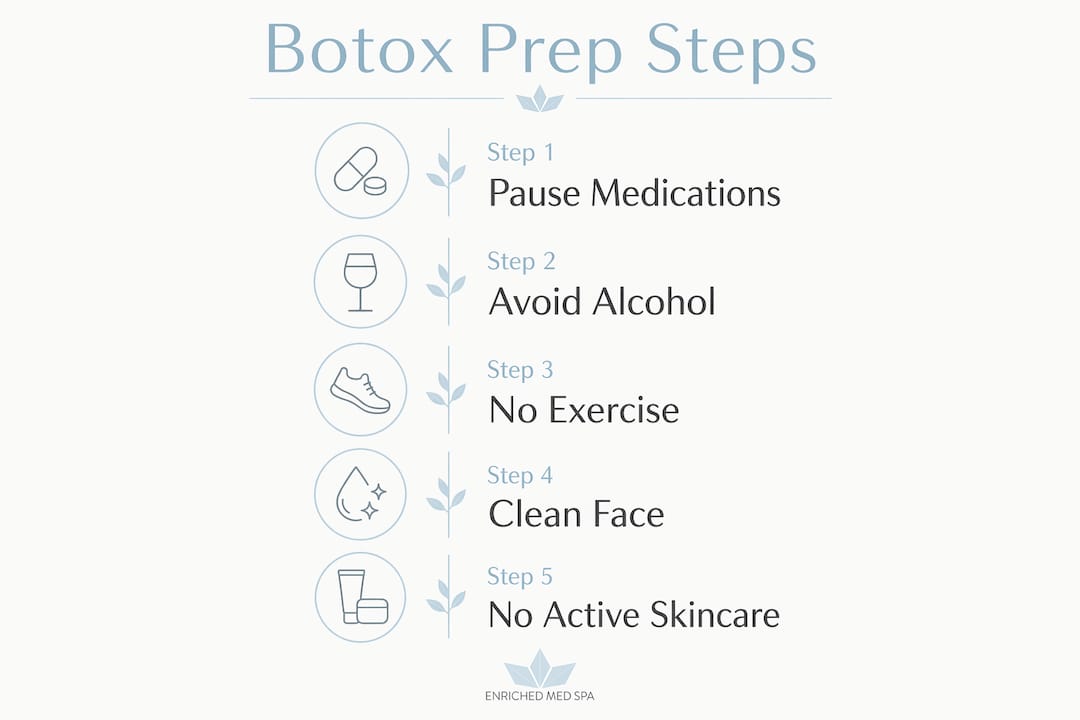
Preparation extends beyond the day itself. The 48–72 hours before and after your appointment are a window where your choices directly affect your results.
Avoid alcohol for at least 48–72 hours before treatment. Alcohol thins the blood and dilates blood vessels, both of which increase bruising at injection sites. This is one of the most frequently overlooked steps, particularly when clients book appointments after a weekend.

Exercise is another factor that many clients underestimate. Limit vigorous exercise for 24 hours before and after your appointment. Elevated heart rate and increased blood flow to the face can worsen swelling and push the toxin beyond its intended placement zone. A light walk is fine. Hot yoga, spin class, and heavy lifting are not.
Sun exposure and heat sources also matter in the days before treatment. Sunburned or heat-flushed skin is inflamed skin. Injecting into an inflamed surface makes the procedure less comfortable and can affect how the toxin settles. Avoid saunas, steam rooms, and prolonged direct sun for at least 24 hours before your appointment.
Timing your Botox around your social calendar is worth thinking about carefully. Schedule treatment at least 2 weeks before any major event, whether that is a wedding, a work presentation, or a family gathering. Bruising and swelling can take several days to resolve, and final results develop fully over 1–2 weeks as the toxin settles into the muscle. Booking too close to an important occasion is one of the most common regrets clients share after their first appointment.
Here is a quick reference for timing your preparation:
- 7–10 days before: Stop aspirin, ibuprofen, naproxen, fish oil, high-dose Vitamin E, and ginkgo biloba
- 1 week before: Pause chemical peels, laser treatments, and waxing
- 48–72 hours before: Stop alcohol consumption
- 2–3 days before: Discontinue retinoids, AHAs, BHAs, and glycolic acid
- 24 hours before and after: Avoid vigorous exercise and heat exposure
- 4 hours post-treatment: Stay upright and avoid touching or pressing the treated area
What are the most common botox preparation mistakes?
Many clients arrive well-intentioned but make a few predictable errors. Recognising these in advance puts you in a much stronger position.
Incomplete health disclosure during consultation. The pre-treatment consultation is where your injector reviews your medical history, current medications, and treatment goals. Skipping over supplements, herbal remedies, or over-the-counter medications because they seem minor is a real risk. Your injector cannot protect you from complications they do not know about.
Using active skincare on or near treatment day. Some clients apply their usual retinol or glycolic acid serum the morning of their appointment without realising the impact. Sensitised skin reacts more strongly to injections and heals less predictably. Switching to a basic, gentle routine for the 2–3 days prior is a small adjustment with a meaningful payoff.
Misunderstanding the pain experience. Botox injections cause minimal discomfort, typically described as a brief sting. Most clients resume normal activities immediately after treatment. Arriving with significant anxiety about pain can cause unnecessary muscle tension, which makes the injector’s job harder. If you are concerned, ask about topical numbing options during your consultation.
Touching or pressing the treated area after the appointment. Rubbing, massaging, or applying pressure to injection sites in the hours following treatment can cause botulinum toxin migration. Migration means the toxin moves away from the intended muscle and affects an adjacent area, which can lead to asymmetry or, in rare cases, temporary eyelid drooping.
Expecting immediate results. Botox does not work instantly. Results begin to appear within 3–5 days and reach their full effect at the 1–2 week mark. Clients who judge their results too early sometimes request touch-ups prematurely. Give the treatment time to settle before drawing conclusions.
For a thorough overview of what to expect at each stage, the before and after Botox guide from Enrichedmedspa covers the full treatment arc in detail.
Key takeaways
Proper Botox preparation requires pausing specific medications and skincare actives, following day-of hygiene and nutrition steps, and planning your timing to allow full results to develop without social conflicts.
| Point | Details |
|---|---|
| Pause blood thinners early | Stop aspirin, ibuprofen, fish oil, and Vitamin E 7–10 days before your appointment. |
| Adjust your skincare routine | Discontinue retinoids, AHAs, and BHAs 2–3 days before treatment to avoid skin sensitivity. |
| Prepare on appointment day | Arrive with a clean, makeup-free face and eat a light meal 1–2 hours beforehand. |
| Avoid alcohol and exercise | Skip alcohol 48–72 hours before and limit vigorous activity 24 hours before and after treatment. |
| Plan your timing carefully | Book Botox at least 2 weeks before major events, as full results take 1–2 weeks to appear. |
What i have learned after seeing hundreds of first-time botox clients
The clients who have the smoothest experiences are almost never the ones who did the most research. They are the ones who were honest during their consultation and followed the preparation steps without shortcuts.
What surprises many people is how much the lifestyle piece matters. Skipping the alcohol restriction or fitting in a hard workout the morning before an appointment seems harmless. In practice, it is often the reason a client ends up with more bruising than expected and then wonders why their results look uneven in the first week.
The other thing I would say plainly: anxiety about Botox is normal, but it is usually based on worst-case scenarios that are not representative of a well-prepared, properly administered treatment. The discomfort is genuinely minimal. The recovery is fast. The results, when the preparation is done right, look natural because the injector had the conditions they needed to work precisely.
What I encourage every client to do is treat the consultation as the most important part of the process. Not the injection itself. The conversation beforehand, where you share your full health picture and your goals, is where safe, tailored treatment actually begins. If you are choosing a Botox specialist, go in with questions and expect real answers.
Botox works best when it is part of a considered approach to skin health, not a one-off decision. Clients who see the best long-term results are those who view each treatment as one step in an ongoing relationship with their skin.
— Felix
Ready to take the next step with Enrichedmedspa?
Understanding how Botox works in the context of your facial anatomy makes every appointment more informed and every result more predictable. At Enrichedmedspa, our injectors take the time to walk you through your facial muscle structure before treatment, so you understand exactly where and why each injection is placed. Whether you are preparing for your first appointment or refining your approach after previous treatments, our facial anatomy guide for injectables is a genuinely useful resource. We serve clients across Woodbridge and East Gwillimbury, Ontario, and we welcome you to book a consultation to discuss your goals in a no-pressure setting.
FAQ
What medications should i stop before botox?
Stop aspirin, ibuprofen, and naproxen 7–10 days before your appointment to reduce bruising risk. Also pause supplements like fish oil, high-dose Vitamin E, and ginkgo biloba during the same window.
How should i care for my skin before botox?
Discontinue retinoids, AHAs, BHAs, and glycolic acid 2–3 days before treatment to avoid skin sensitivity at injection sites. Avoid chemical peels, laser treatments, and waxing for at least one week prior.
Can i wear makeup to my botox appointment?
Arrive with a completely clean, makeup-free face to lower infection risk and allow your injector clear visibility of your facial anatomy. Remove all skincare products, including sunscreen, before you come in.
How long before an event should i book botox?
Schedule your appointment at least 2 weeks before any major social or professional event. Bruising and swelling can take several days to resolve, and full results develop over 1–2 weeks post-treatment.
Does botox hurt?
Botox injections cause only minimal discomfort, typically described as a brief sting at each injection point. Topical numbing options are available if you are concerned, and most clients resume normal activities immediately after treatment.
Recommended
- The role of Botox in aesthetics: a 2026 guide
- Preparing for Your Botox Session: Tips for Best Outcomes – Botox Laser Hair Removal OxyGeneo Medi Facial Microneedling – Enriched Med Spa – Vaughan Woodbridge Maple Vellore Village
- First-Time BOTOX? Here’s What You Need to Know Before You Go! – Botox Laser Hair Removal OxyGeneo Medi Facial Microneedling – Enriched Med Spa – Vaughan Woodbridge Maple Vellore Village
- Overcoming Botox Anxiety: My Personal Journey – Botox Laser Hair Removal OxyGeneo Medi Facial Microneedling – Enriched Med Spa – Vaughan Woodbridge Maple Vellore Village